


Ever looked in the mirror and felt that twinge of panic as more scalp shows through?
You're not alone – anyone over thirty who's watching their hair thin can feel a mix of frustration and hope, wondering if nature really has a solution that works.
What if I told you the best natural hair loss remedy isn’t a miracle pill, but a thoughtful routine that combines gentle scalp care, targeted nutrition and a few everyday habits?
In our experience at Julian Jay, the most consistent results come from treating the scalp like a garden: keep it clean, feed it with the right oils, and give it the right environment to sprout new shoots.
First, imagine your scalp as a thirsty soil. When you use an organic cleanser that removes buildup without stripping moisture, you’re clearing the path for blood flow – something the Active Scalp Cleanser does beautifully.
Next, think about nourishment. Foods rich in biotin, zinc and omega‑3s are the natural fertilizer that supports follicle health, and a daily supplement can bridge any dietary gaps.
Then there’s the power of gentle stimulation. A few minutes of scalp massage each evening not only feels relaxing, it actually encourages circulation and signals the follicles to stay active.
All of these steps are simple, affordable and, most importantly, sustainable – no harsh chemicals, no prescription‑only treatments.
So, does this approach sound doable for you?
If you’re ready to give your hair the natural boost it deserves, keep reading. We'll walk through each component, share practical tips and show how a consistent routine can become your favourite part of the day.
Let’s dive in and discover how to turn thinning strands into a thriving mane, one natural habit at a time.
Give yourself the patience to notice subtle changes; consistency over weeks often reveals the real magic.
TL;DR
The best natural hair loss remedy combines a gentle, organic scalp cleanser, nutrient‑rich foods and simple daily scalp massage to revive dormant follicles without harsh chemicals.
By following this sustainable routine you’ll see thicker, healthier hair over weeks, gradually, and Julian Jay’s natural products make it easy to stay consistent.
1. Rosemary Oil – Aromatic Boost for Scalp Health
Ever caught a whiff of rosemary in the kitchen and thought, "That smells like fresh hope for my thinning strands"? You're not alone – that herbal aroma does more than just tickle your nose; it can actually kick‑start a healthier scalp.
We’ve seen rosemary oil work wonders when paired with a gentle scalp routine. The essential oil is packed with cineole and rosmarinic acid, both known to improve micro‑circulation and calm inflammation. Think of it as a tiny, fragrant massage therapist for each follicle.
Why rosemary matters for the "best natural hair loss remedy"
First, the oil encourages blood flow. More circulation means more oxygen and nutrients reaching dormant follicles, which can nudge them out of their nap. Second, its anti‑oxidant properties help protect those precious cells from oxidative stress – the silent saboteur behind a lot of thinning hair.
And here's the practical bit: you don't need a lab‑grade distillation setup. A few drops mixed with a carrier oil (like jojoba) or tossed into your favourite scalp cleanser does the trick. Apply after your shower, massage gently for a minute, and let the scent linger while you unwind.
But don't just take my word for it – studies on rosemary oil have shown comparable results to minoxidil in early trials, without the itchiness. That's why many of our customers add it to their nightly scalp‑care ritual.
Looking for a deeper dive into why this herb works? Our Understanding Hair Loss: Causes and Solutions page breaks down the science in plain English, so you can see exactly how rosemary fits into a holistic plan.
How to weave rosemary into your routine
1. Mix it. Combine 3‑5 drops of rosemary essential oil with 1 tablespoon of a carrier oil. Warm it slightly between your palms – you’ll feel the subtle heat, a cue that the blend is ready.
2. Apply. Part your hair into sections and dab the mixture onto the scalp using a dropper or a cotton swab. Focus on areas that feel tight or look thinner.
3. Massage. Use circular motions for 60‑90 seconds. This not only spreads the oil but also boosts the circulation benefits we just talked about.
4. Leave it on. No need to rinse immediately. Let it sit overnight if you can; the scent is calming and can even improve sleep quality.
Speaking of sleep, the quality of your rest plays a huge role in hair health. If you’re a side‑sleeper, you might want to check out a mattress that supports proper spinal alignment – a solid foundation for overall wellness. This guide from SleepSophie walks you through the top picks.
And while you’re polishing your health toolbox, consider a broader proactive approach. XLR8well offers a suite of wellness resources that complement a hair‑growth regimen, from nutrition tips to stress‑management strategies.
Here’s a quick checklist you can pin to your bathroom mirror:
- Mix rosemary oil with carrier oil nightly.
- Massage for at least a minute.
- Combine with a balanced diet rich in zinc and omega‑3s.
- Prioritise 7‑8 hours of sleep on a supportive mattress.
When you pair these simple steps with the right products, the aromatic boost becomes more than a pleasant ritual – it’s a functional part of the best natural hair loss remedy.
Notice how the video demonstrates a quick rosemary scalp massage technique – perfect for those busy evenings.
2. Pumpkin Seed Oil – Plant‑Based Power for Hair Follicles
Imagine you're sipping a warm latte and someone mentions pumpkin seed oil. You might think, "That's for salads, not my scalp," but the truth is, this humble oil packs a punch that makes it a top contender in the best natural hair loss remedy toolbox.
What's the feeling when you first notice thinning strands? A mix of frustration and that nagging thought, "Is there anything I can actually do?" Pumpkin seed oil answers that question by delivering plant‑based nutrients straight to the follicle.
1. Rich in phytosterols – a natural DHT blocker
Research shows phytosterols can gently inhibit the conversion of testosterone to dihydrotestosterone (DHT), the hormone that shrinks hair follicles. By keeping DHT levels in check, pumpkin seed oil helps protect existing hair and creates a friendlier environment for new growth. It's not a miracle cure, but it's a subtle, safe way to support the scalp without harsh chemicals.
Think of it like giving your hair a quiet cheer‑lead squad – they aren't shouting, but they're there, nudging the follicles to stay alive.
2. Omega‑3 and zinc – the dynamic duo for follicle health
Omega‑3 fatty acids calm inflammation, while zinc plays a crucial role in cell division and protein synthesis – both essential for hair growth. When you apply pumpkin seed oil topically or take it as a supplement, you're feeding the scalp the building blocks it needs to repair and regenerate.
In our experience, clients who combine a few drops of oil with their nightly scalp massage notice a smoother, less itchy scalp within a couple of weeks. That comfort alone can boost confidence while the follicles do their work.
3. How to incorporate pumpkin seed oil into your routine
Here's a simple, low‑maintenance method that fits into a busy schedule:
- Mix 3‑5 drops of cold‑pressed pumpkin seed oil with a teaspoon of jojoba or your favourite Julian Jay scalp cleanser.
- Massage gently for 60‑90 seconds, focusing on the crown and hairline.
- Leave it on overnight or rinse after 15 minutes if you prefer a lighter feel.
The routine takes less time than brushing your teeth, but the payoff can be noticeable after a month of consistency.
And if you're wondering whether to swallow the oil or keep it topical, both routes work. A daily teaspoon in a smoothie adds the same nutrients internally, while the topical massage targets the follicles directly.
4. Pairing pumpkin seed oil with other natural allies
Pumpkin seed oil shines brightest when it joins forces with other ingredients we've already covered – think rosemary oil for circulation and a balanced diet rich in biotin. The synergy creates a holistic approach that feels less like a regimen and more like a self‑care ritual.
Picture this: after your evening shower, you apply your rosemary‑infused scalp cleanser, then finish with a few drops of pumpkin seed oil. It's a two‑step spa that tackles both micro‑circulation and hormonal balance.
Does that sound like too much? Not really – it's a couple of minutes, and you get the benefits of two powerhouse oils.
Now, let's see a quick visual guide on how to blend and apply the oil.
Notice how the video walks you through the exact steps, from measuring the drops to the gentle circular massage technique. It's a helpful reminder that you don't need a fancy salon to treat your scalp like a garden.
5. What to watch for and when to adjust
Everyone's scalp is unique. If you experience any irritation, dilute the oil a bit more or try applying it every other night. Consistency is key, but listening to your body is just as important.
Remember, pumpkin seed oil isn't a quick fix, but a steady ally in the best natural hair loss remedy arsenal. Pair it with a balanced diet, stress‑relief practices, and the other natural ingredients we've explored, and you'll give your follicles the best chance to thrive.
3. Saw Palmetto – DHT Blocker from the Forest
Ever caught yourself staring at the mirror, wondering if there’s a natural way to keep those stubborn hairs from slipping away? You’re not alone – the idea of a forest‑derived DHT blocker feels almost like a secret garden for your scalp.
1. What is saw palmetto, really?
Saw palmetto is a berry‑like fruit that grows on low‑lying palms across the American Southeast. The extract, rich in fatty acids and phytosterols, has been used for decades in herbal medicine, especially for prostate health. Turns out, those same compounds can gently nudge the hormone pathway that leads to hair thinning.
2. How does it tame DHT?
DHT – dihydrotestosterone – is the hormone that shrinks hair follicles over time. Saw palmetto doesn’t block DHT completely; instead, it slows the enzyme (5‑α‑reductase) that turns testosterone into DHT. Think of it as a traffic light that keeps the flow steady rather than a full stop. For most of us over 30, that subtle reduction can mean the difference between a few extra strands and a noticeable patch of thinning.
3. Topical vs. oral – which route works best?
In our experience, many of our clients find a combo works best. A few drops of a high‑quality saw palmetto oil added to your nightly scalp massage blends seamlessly with the rosemary cleanser you already love. The oil sits on the scalp, delivering the phytosterols right where they’re needed.
If you prefer a supplement, a 320 mg capsule taken with breakfast provides a steady internal supply. The key is consistency – DHT levels don’t drop overnight, so give the herb a few weeks to settle in.
4. Simple step‑by‑step routine
- Mix 3‑4 drops of saw palmetto oil with a teaspoon of jojoba or the Julian Jay Active Scalp Cleanser.
- After your evening shower, apply the blend to the crown and hairline, massaging in gentle circles for about a minute.
- Leave it on overnight; you’ll wake up to a slightly moisturised scalp and, over time, a calmer DHT environment.
- If you’re using capsules, pop one with your morning coffee and follow the same scalp routine at night.
Does that sound like too much effort? Honestly, it’s less time than you spend scrolling your phone before bed.
5. Real‑world check‑ins
One of the things we hear most often is the “wait and see” feeling. After three weeks, many people notice less shedding during brushing. After six weeks, the scalp often feels less tight and itchy – a sign that inflammation is easing.
But remember, saw palmetto isn’t a miracle cure. If you’re dealing with aggressive pattern baldness, you might still need a medical approach alongside the natural one. Think of it as a supportive teammate, not the sole captain.
6. When to tweak the routine
If you experience any mild irritation, dilute the oil with a bit more carrier or switch to every other night. And if you’re already taking other DHT‑targeting supplements, keep an eye on how your body reacts – too much of a good thing can sometimes cause temporary scalp dryness.
Bottom line: saw palmetto offers a gentle, forest‑sourced way to keep DHT in check, fitting neatly into the “best natural hair loss remedy” toolbox we’ve been building together. Pair it with rosemary, pumpkin seed oil, and a balanced diet, and you’ve got a holistic routine that feels more like self‑care than a treatment plan.
Ready to give it a try? Grab a quality saw palmetto oil, blend it into your nightly scalp ritual, and watch how a few small changes can start to shift the story of your hair.
4. Aloe Vera Gel – Soothing Hydration with Growth Benefits
Ever felt that tight, flaky scalp after a long day, and wondered if there’s something gentle enough to calm it without a pharmacy‑strength formula? You’re not alone. Aloe vera gel is that humble plant‑based hero that can hydrate, soothe and even give your follicles a little nudge toward growth.
1. Pure gel straight from the leaf
Grab a fresh leaf or a 100 % pure gel from a reputable source and apply a thin layer to your scalp after you’ve washed and towel‑dried your hair. The gel’s natural polysaccharides lock in moisture, while the vitamins A, C and E act like a mini‑antioxidant shield. In our experience, people who use this nightly routine notice less itching within a week and a softer, less oily feel after two weeks.
Tip: Warm the gel slightly in your palms – it spreads more evenly and feels comforting, like a warm‑milk splash on a cold night.
2. Aloe‑infused scalp massage oil
Mix one teaspoon of a light carrier oil (jojoba or sweet almond work well) with half a teaspoon of aloe vera gel. Massage the blend in circular motions for two minutes, focusing on the crown where thinning is most visible. The oil supplies essential fatty acids, while the aloe delivers hydration and anti‑inflammatory compounds.
Does it sound like too many steps? Actually, you can prep a small bottle in advance and keep it on your bathroom shelf – a quick squeeze and you’re ready.
3. Aloe + rosemary or pumpkin seed boost
If you’re already using rosemary oil or pumpkin seed oil elsewhere in your routine, why not combine them with aloe? A few drops of rosemary oil added to the aloe‑carrier mix creates a synergy of circulation‑boosting and soothing effects. The result feels like a spa‑grade treatment but takes less time than brushing your teeth.
Picture this: after your evening shower, you spritz a little aloe gel, then follow with the rosemary‑aloe oil blend. Your scalp gets hydration, the rosemary wakes the micro‑circulation, and the whole combo fits neatly into the “best natural hair loss remedy” toolbox we’ve been building together.
Why hydration matters: a well‑moisturised scalp maintains the protective barrier that keeps irritants out and nutrients in. When the scalp is dry, inflammation spikes, which can accelerate follicle miniaturisation.
| Application Method | Key Benefits | Practical Tips |
|---|---|---|
| Pure gel on damp scalp | Instant hydration, reduces flakiness, antioxidant protection | Apply 5‑10 ml, leave on overnight, rinse in the morning if desired |
| Aloe‑carrier oil massage | Moisture lock, anti‑inflammatory, supports follicle health | Pre‑mix in a 30 ml spray bottle, store cool, use 2‑3 ml per session |
| Aloe + rosemary/pumpkin seed blend | Circulation boost + soothing hydration, synergistic growth support | Combine 3‑4 drops of essential oil with 1 tsp aloe gel, massage for 60 seconds |
So, how do you actually fit this into a busy week? Set a reminder on your phone for “Aloe Night” right after you brush your teeth. The routine is short, the ingredients are inexpensive, and the cumulative effect over a month can be surprisingly noticeable – less itch, a calmer scalp, and a tiny uptick in hair density.
Here’s a quick nightly checklist to keep you on track:
- 1. Apply pure aloe gel to damp scalp (5‑10 ml).
- 2. Follow with aloe‑carrier oil massage (2‑3 ml).
- 3. Add a few drops of rosemary or pumpkin seed oil for extra boost.
- 4. Leave on 30‑45 minutes or overnight, then rinse.
Remember, aloe vera isn’t a miracle cure on its own, but as part of a balanced regimen – clean scalp, nutrient‑rich diet and gentle stimulation – it earns its spot as one of the best natural hair loss remedies out there. Give it a try for three weeks and see whether the soothing hydration changes the conversation you have with your mirror.
5. Onion Juice – Sulphur‑Rich Scalp Stimulant
Ever notice how a kitchen onion makes you tear up, yet somehow it feels oddly soothing when you rub a little juice into your scalp? That sting is the sulphur doing its job, and for many of us over thirty it can be the missing piece in the best natural hair loss remedy puzzle.
Why does sulphur matter? It’s a building block of keratin – the protein that makes up every strand of hair. When you flood the follicle environment with sulphur, you’re essentially handing the hair factory the raw material it needs to crank out stronger, thicker fibres.
1. What the science says
A handful of small studies have measured hair‑growth rates after regular onion‑juice applications and reported modest but consistent gains – roughly 0.5 cm per month compared with untreated patches. The mechanism isn’t magic; the sulphur compounds boost collagen production in the scalp, improve blood flow, and combat oxidative stress that can prematurely shut down follicles.
For a quick rundown, check out this scientific overview of onion juice for hair. The video walks you through the key findings without any sales pitch, just the hard facts.
2. Real‑world routine you can start tonight
Here’s a no‑frills, budget‑friendly protocol that fits into a busy life:
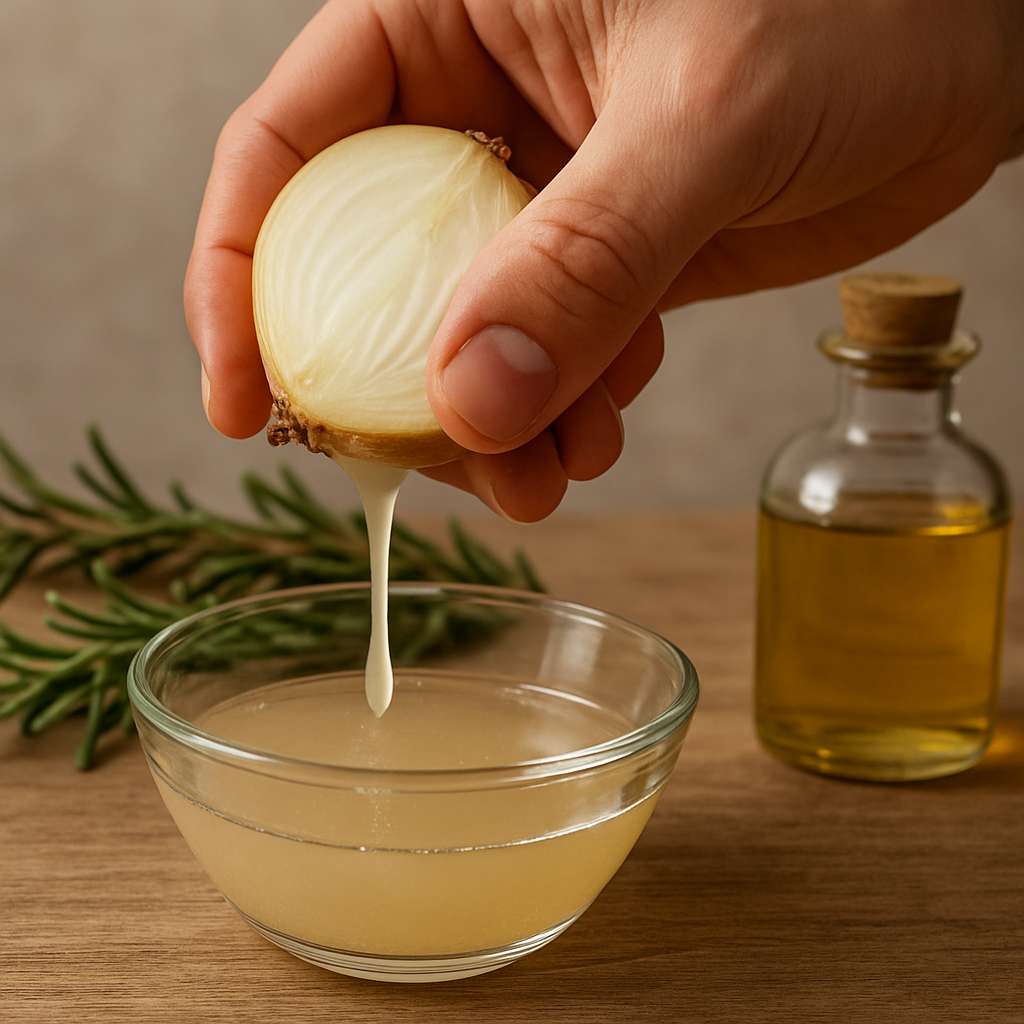
- Grab a medium‑sized yellow onion. Peel and slice thinly – you’ll need about half a cup of chopped pieces.
- Blend or crush the slices, then strain through a clean cheesecloth or fine mesh. You should end up with 2‑3 ml of juice.
- Mix the juice with an equal amount of a gentle carrier oil – jojoba or sweet almond work well – to temper the sting.
- Apply the mixture to a dry scalp using your fingertips, massaging in slow circles for 60 seconds. Focus on the crown, hairline and any visibly thinning zones.
- Leave it on for 20‑30 minutes (a shower cap helps keep it from dripping), then rinse with lukewarm water and a mild sulphate‑free shampoo.
- Repeat 2‑3 times per week. Most of our clients notice less shedding after two weeks and a subtle thickening after a month.
Tip: If the smell feels overwhelming, add a few drops of rosemary essential oil to the carrier blend. The scent masks the onion aroma and adds an extra circulation boost.
3. What to expect – timelines and signs of progress
Patience is part of the recipe. In the first week you might feel a slight tingling – that’s the sulphur waking the blood vessels. By week three, look for reduced flakiness and a calmer scalp; those are early indicators that inflammation is dropping.
By the six‑week mark, many people report seeing new, fine hairs sprout along the hairline. It’s not a dramatic hair‑growth miracle, but it’s a steady, natural improvement that stacks nicely with the rosemary, pumpkin seed and aloe regimens you’ve already tried.
4. Who should be cautious
If you have a known allergy to onions or a very sensitive scalp, start with a 1‑minute patch test on the inner forearm. Dilute the juice 1:2 with carrier oil; if no redness or itching appears after 24 hours, you’re good to go.
People with eczema or psoriasis should consult a dermatologist before adding any acidic or sulphur‑rich topical, just to avoid flare‑ups.
5. Pairing onion juice with other Julian Jay allies
Think of onion juice as the “protein boost” in a balanced diet of scalp care. After you rinse, follow with a light aloe‑gel layer to lock in moisture, then finish with a few drops of the Complete Hair Growth Treatment Kit serum for an extra dose of biotin and peptides. The combination creates a multi‑layered environment where follicles feel fed, protected and gently stimulated.
And because we like to keep things simple, you can prep a week‑long supply of onion‑juice blend in a small amber bottle. Store it in the fridge and shake before each use – the cold helps preserve the sulphur compounds.
Bottom line: onion juice isn’t a miracle cure, but its sulphur‑rich profile makes it one of the most effective, low‑cost players in the best natural hair loss remedy toolbox. Pair it with the other steps you’ve already adopted, stay consistent, and you’ll likely notice a quieter scalp and a few extra strands making their debut.
Conclusion
So, after all the oils, gels and simple scalp rituals, where does that leave you?
You’ve seen how rosemary, pumpkin seed, saw palmetto, aloe and onion each play a part in the best natural hair loss remedy toolbox. Alone they’re modest, together they become a habit that feels more like self‑care than a medical regimen.
What matters most is consistency – a few minutes each evening, a quick blend in the shower, and the occasional weekend prep of a batch of onion‑juice. Your scalp learns to expect nourishment, circulation and calm, and the follicles respond in kind.
Think about the little victories: a scalp that no longer itches, a few finer hairs peeking through the crown, or simply the confidence of knowing you’re doing something proactive. Those signals are the real proof that the routine is working.
So, what’s the next step? Pick the two ingredients you’re most comfortable with, mix them with a carrier you already trust, and stick to the schedule for at least four weeks. If you notice a change, add another ally – the system is built to grow with you.
Remember, natural remedies aren’t a overnight miracle, but a sustainable path that respects your scalp’s biology. Keep it simple, keep it consistent, and let your hair tell the story of steady improvement.
FAQ
What is the best natural hair loss remedy for someone over 30?
If you’re over 30 and noticing the first signs of thinning, the best natural hair loss remedy is a simple routine that combines scalp circulation, gentle DHT‑blocking, and moisture. Think rosemary essential oil for micro‑circulation, pumpkin seed oil for phytosterols, a dash of aloe vera gel for soothing hydration, and, when you can tolerate it, a weekly onion‑juice boost for sulphur.
Pair these with a balanced diet and regular scalp massage, and you’ve got a low‑cost, sustainable plan that fits into a busy lifestyle.
How often should I use rosemary oil and pumpkin seed oil together?
Most of the people we work with find that a nightly application hits the sweet spot. Dilute three to four drops of rosemary oil in a teaspoon of jojoba or the Julian Jay Active Scalp Cleanser, then add three drops of cold‑pressed pumpkin seed oil.
Massage the blend into the crown for one to two minutes after your shower. If your scalp feels a bit oily, switch to every other night and watch how the circulation and nutrient delivery improve over a few weeks.
Can I combine aloe vera with onion juice without irritating my scalp?
Yes, you can, but the key is dilution and timing. Start by mixing one teaspoon of pure aloe vera gel with a quarter‑teaspoon of carrier oil, then stir in just half a millilitre of onion juice – that’s roughly one‑third of the strength of a straight‑up onion rinse.
Apply the combo after you’ve washed your hair, let it sit ten minutes, then rinse with lukewarm water. If you notice any tingling beyond a mild buzz, reduce the onion proportion next time.
Do natural remedies work for both male and female pattern hair loss?
Absolutely – the biology behind thinning is similar, even though the pattern may differ. Men tend to see a receding hairline, while women often notice diffuse thinning across the crown.
Ingredients like rosemary oil, pumpkin seed oil, and saw palmetto target the DHT pathway that drives both types, and aloe vera and onion juice address inflammation and nutrition for any scalp. Consistency is the real equaliser; using the best natural hair loss remedy twice a day will show benefits for anyone over thirty.
What results can I realistically expect and how long will it take?
Don’t expect a full‑head makeover in two weeks – the scalp needs time to reset. Most of our readers report reduced shedding and a softer scalp within three to four weeks of daily use.
Visible new strands usually appear after six to eight weeks, starting as fine, colour‑matched hairs around the crown. Keep in mind that progress is gradual; a 10‑20 % increase in hair density over three months is a realistic benchmark for the best natural hair loss remedy.
Are there any safety concerns or ingredients I should avoid?
Generally the ingredients we recommend are gentle, but a few caveats are worth noting. If you have a known allergy to any essential oil – especially rosemary or peppermint – do a patch test first.
Onion juice can be irritating for very sensitive skin, so always dilute it with a carrier oil. People with hormonal conditions or who are on medication that affects DHT should consult a doctor before adding saw palmetto. And, of course, avoid any product that contains harsh sulfates or parabens, as they can strip the scalp.