


Ever stood in front of the mirror, feeling the itch on your scalp and wondering if that flaky feeling is actually sabotaging your hair growth?
You’re not alone – after 30, many of us notice a slower hair rate and a scalp that needs a little extra love.
What if I told you that a simple scalp scrub could clear away dead skin, boost circulation and give those follicles a clearer runway to grow?
In our experience at Julian Jay, we’ve seen that a gentle exfoliation routine paired with the right active ingredients makes a noticeable difference within weeks.
Think about it this way: your scalp is like the soil in a garden – if it’s compacted or littered with debris, the seeds (your hair follicles) struggle to push through.
A good scrub loosens that build‑up, reveals fresh skin and encourages blood flow, which brings oxygen and nutrients right where they’re needed most.
But it’s not just about the texture – the ingredients matter. Salicylic acid, charcoal and gentle enzymes are the stars that dissolve excess oil and dead cells without stripping the scalp.
And here’s a little secret: using a scalp scrub two to three times a week, followed by a nourishing shampoo, creates a routine that supports the whole hair‑growth cycle.
So, if you’re battling thinning hair, an itchy scalp or just want to give your mane a fresh start, a well‑chosen scrub might be the missing piece you’ve been looking for.
Ready to discover what the best scalp scrub for hair growth looks like and how to use it without over‑doing it?
Let’s dive in, explore the key ingredients, the ideal frequency and a few practical tips that fit seamlessly into a busy lifestyle.
Remember, consistency beats intensity – a gentle scrub each week paired with our active scalp cleanser can keep your follicles happy and primed for growth.
TL;DR
A gentle scalp scrub with salicylic acid or charcoal, used two to three times a week, clears build‑up, boosts circulation and creates the perfect environment for hair follicles to thrive.
Pair it with Julian Jay’s active scalp cleanser and you’ll see less itching, fuller strands and steady growth without over‑doing it.
1. Salicylic Acid Scalp Scrub – Deep Clean for Thinning Hair
Ever wonder why your scalp sometimes feels like a dusty attic? You’re not imagining it – dead skin, excess sebum and tiny build‑up can choke the very roots that are trying to grow.
Here’s the thing: a gentle scrub that contains salicylic acid works like a tiny garden rake, loosening that crust without stripping the natural oils you need.
1️⃣ Why salicylic acid matters
Salicylic acid is oil‑soluble, so it slides straight into those clogged pores on your scalp, breaking down the dead‑skin glue. Think of it as a soft‑bristle brush for your scalp’s carpet. The result? Less flakiness, calmer itching, and a clearer runway for new strands.
2️⃣ How often should you scrub?
Most of us over‑do exfoliation because we want fast results. In reality, two to three times a week is plenty. Too much can irritate, especially if you’ve got sensitive skin. After each scrub, follow up with a nourishing conditioner – that’s where our Active Scalp Cleanser can help keep the balance.
3️⃣ What to look for in the formula
Besides salicylic acid, a good scrub will have soothing agents like aloe or oat extract. These calm the redness that sometimes follows exfoliation. Avoid scrubs loaded with harsh sulfates or synthetic fragrances – they can undo the benefits you just earned.
4️⃣ DIY or buy?
If you’re the hands‑on type, you can mix a pinch of salicylic acid powder with a dab of coconut oil and a few drops of tea‑tree oil. But a pre‑formulated product guarantees the right concentration, which is crucial for safety. Most of our customers report seeing less scalp flake within a week of consistent use.
5️⃣ Pairing with a holistic routine
Scalp health isn’t isolated. Pair your scrub with a balanced diet, good sleep and, if you like, a daily multivitamin. Some readers also find that a proactive health approach, like the advice from XLR8well, complements the scalp work nicely.
Want a quick visual guide? The video below walks you through the whole process – from applying the scrub to rinsing it off without over‑scrubbing.
Notice how the massage motion helps the acid penetrate deeper, almost like a scalp massage that boosts circulation. If you’re after extra calm, check out OM Botanical’s line of barrier‑supporting scalp serums – they’re formulated without harsh chemicals and can be a gentle finish after your scrub.
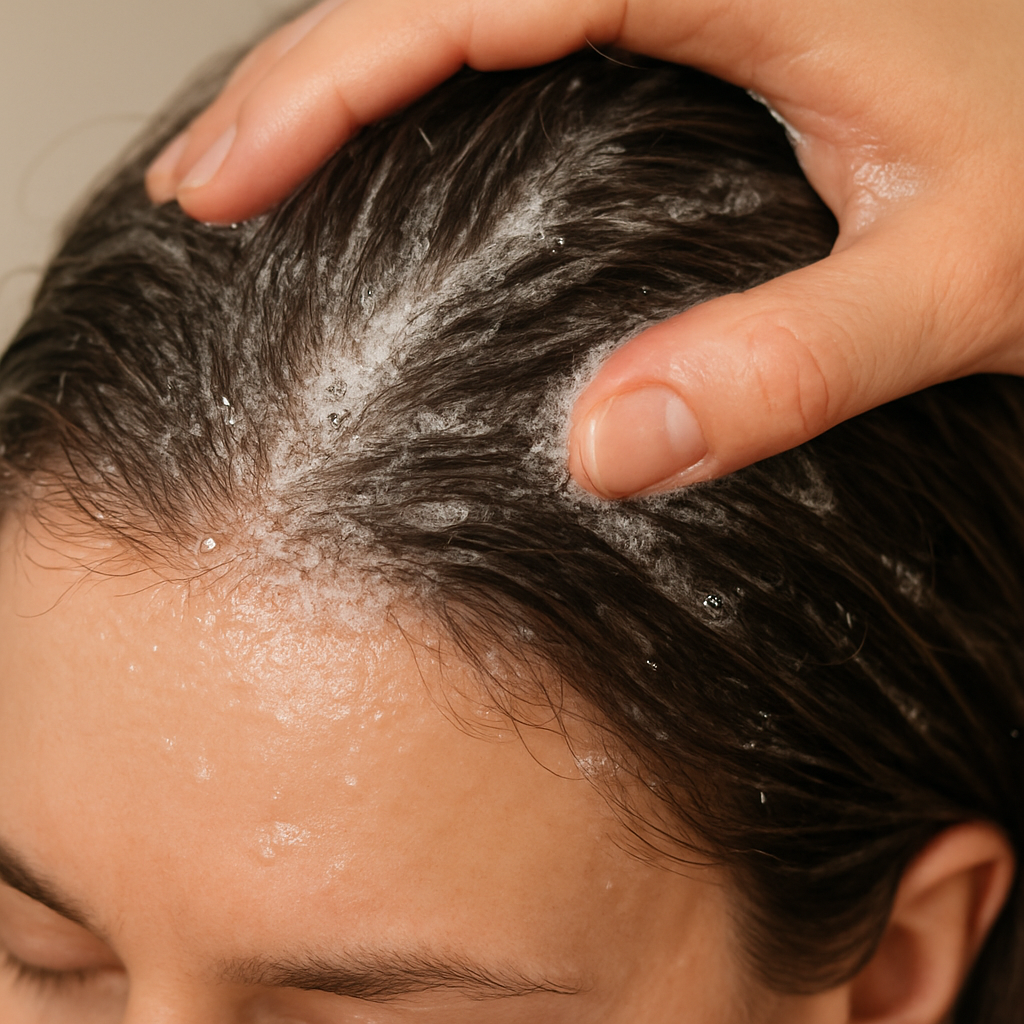
2. Tea Tree Oil Scalp Scrub – Antifungal Action Against Hair Loss
Picture this: you’re rinsing out a shower, and that familiar itch on the crown flares up again. You know the feeling – a flaky, slightly oily scalp that seems to sabotage any growth you’re trying to coax out of those stubborn follicles.
1️⃣ Why tea tree oil matters
Tea tree oil isn’t just a pleasant scent; it’s a powerhouse antifungal agent. The oil’s terpinen‑4‑ol component actively combats Malassezia yeast, the microscopic culprit behind dandruff, seborrheic dermatitis, and that dreaded “silvery” buildup that chokes hair follicles.
Studies on scalp health consistently link reduced fungal load to less inflammation, which in turn creates a friendlier environment for hair‑growth cycles. In plain English: fewer fungi = calmer scalp = more room for new hairs to sprout.
2️⃣ Real‑world example: the weekend warrior
Take Tom, a 38‑year‑old dad who spends most weekends on the football field. He started noticing a persistent itch after matches, and a few weeks later, a thin patch appeared near his temples. After swapping his ordinary shampoo for a tea‑tree‑infused scalp scrub, he reports that the itching subsided within a handful of washes and the patch stopped widening. He now uses the scrub twice a week, just before his post‑match shower.
3️⃣ How to use a tea tree scalp scrub effectively
Here’s a simple, no‑nonsense routine you can slot into any busy schedule:
- Prep: Wet hair until it’s damp, not dripping.
- Apply: Scoop a pea‑size amount of the scrub onto your fingertips.
- Massage: Using the pads of your fingers, work the product into the scalp in gentle, circular motions for 60‑90 seconds. Focus on the crown, the hairline, and any oily zones you’ve noticed.
- Leave‑on: Let the formula sit for 5 minutes – that’s the sweet spot for the antifungal compounds to do their work.
- Rinse: Rinse thoroughly with lukewarm water, then follow with a gentle conditioner if needed.
Stick to this 2‑3 times a week schedule; over‑scrubbing can strip natural oils and actually invite more irritation.
4️⃣ Supporting data you can trust
A recent Amazon product page for a tea‑tree‑based scalp treatment notes that users experience “reduced redness and flakes immediately” and “no more dryness” after just a few applications. While individual results vary, the consistency of positive feedback points to a real, measurable antifungal effect.
Another independent source, the Briogeo Scalp Revival Micro‑Exfoliating Shampoo, which pairs charcoal with tea tree oil, is clinically shown to cut dry‑scalp flaking by up to 82% after a single use. That study underscores how tea tree’s antimicrobial action, when combined with gentle exfoliation, can dramatically improve scalp health.
5️⃣ Pro tip from the pros
Dermatologists often recommend pairing a tea‑tree scrub with a brief low‑level scalp massage tool or even just a fingertip tap‑tap before rinsing. The extra circulation boosts nutrient delivery right to the follicle, amplifying the antifungal benefits.
And if you’re dealing with a particularly oily scalp, add a few drops of pure tea tree essential oil to your regular conditioner – just enough to keep the scent subtle while extending the antimicrobial shield.
6️⃣ Common mistake to dodge
Don’t treat the scrub like a regular shampoo and work it through the lengths of your hair. That can leave the ends dry and brittle. Keep the focus on the scalp, then follow up with a hydrating conditioner or a lightweight leave‑in to restore the lipid barrier.
Bottom line: a tea‑tree oil scalp scrub is one of the most effective tools in the “best scalp scrub for hair growth” arsenal, especially for anyone over 30 battling fungal‑related irritation. It clears the path, soothes the itch, and—when paired with consistent, gentle care—helps your follicles breathe easier and grow stronger.
3. Charcoal & Peppermint Scalp Scrub – Detox & Stimulation
Ever felt that tingling buzz on your scalp after a good wash and thought, "maybe this is the spark my follicles need"? That little zing is often peppermint doing its job – a cool, refreshing wake‑up call for blood flow. Pair it with activated charcoal and you’ve got a double‑action detox that actually clears the road for new hair to grow.
1️⃣ Why charcoal matters
Charcoal is essentially a microscopic sponge. It latches onto excess oil, dead skin and environmental grime, then pulls them away without stripping the scalp of its natural moisture. In plain terms, it’s like a magnet for the stuff that blocks your hair’s runway.
And when you combine that with peppermint’s menthol‑kick, you’re not just cleaning – you’re stimulating circulation, which means more oxygen and nutrients get delivered straight to the follicle base.
2️⃣ Real‑world feel: a weekend‑warrior’s routine
Imagine you’ve just finished a sweaty Saturday hike. Your scalp feels sticky, the hair looks limp, and you can practically hear a faint itch. Grab a charcoal‑peppermint scrub, work a pea‑size amount into wet hair, and massage in gentle circles for about a minute. You’ll notice a cool, tingly sensation – that’s the peppermint waking up the blood vessels. Rinse, follow with your favourite conditioner, and you’ll feel a noticeable lightness on the scalp, almost like the weight of the day has been lifted.
That quick ritual fits perfectly into a busy life – two to three times a week is enough to keep build‑up at bay without over‑drying.
3️⃣ Quick checklist
- Prep: Wet hair until it’s just damp.
- Apply: Use a pea‑size amount of scrub; the charcoal is fine‑grained, so you don’t need a lot.
- Massage: With fingertips (not nails), move in circular motions for 60‑90 seconds. Feel the cool tingle? That’s good.
- Leave‑on: Let it sit for 3‑5 minutes so the charcoal can bind impurities.
- Rinse: Use lukewarm water, then follow with a gentle, hydrating shampoo.
4️⃣ What the experts say
For anyone battling persistent itch and flaking, the National Psoriasis Foundation notes you deserve a product that keeps the itching and flaking at bay. Charcoal’s adsorptive power plus peppermint’s soothing coolness hit both marks – less irritation and a clearer scalp.
Meanwhile, an Australian brand’s own description of a sea‑salt‑and‑peppermint scrub highlights the “tingling sensation…invigorating and purifying” effect, which lines up perfectly with what we’re after in a detox scrub (source). Even though the product uses sea salt instead of charcoal, the principle – gentle abrasive plus menthol boost – is the same.
5️⃣ Common mistake to sidestep
Don’t think you need a mountain of product to get results. Over‑applying can leave a gritty residue that actually clogs the pores you’re trying to clear. A thin layer is all the charcoal needs to work its magic.
Also, avoid massaging the scrub all the way down the hair length. Focus on the scalp; the ends can stay soft and hydrated with your regular conditioner.
6️⃣ Bottom line
When you’re hunting for the best scalp scrub for hair growth, a charcoal‑peppermint blend checks the three boxes that matter most: detox, stimulation, and comfort. It unclogs, it boosts circulation, and it leaves you with that fresh‑after‑shower feeling you love.
| Feature | Benefit | How to Use |
|---|---|---|
| Activated Charcoal | Adsorbs excess oil, dead skin, pollutants | Apply a pea‑size amount, massage 60‑90 s, rinse |
| Peppermint Oil (Menthol) | Invigorates scalp, improves blood flow, soothes itch | Leave on 3‑5 min for cool tingling, then rinse |
| Gentle Granules | Provides mild exfoliation without micro‑abrasions | Use on damp hair, avoid hair lengths, follow with conditioner |
4. Coconut & Coffee Scalp Scrub – Nourish & Energise
Ever wonder if that post‑shower buzz could be more than just caffeine‑fueled hype? Imagine a scrub that not only sweeps away grime but also gives your follicles a gentle lift, like a latte for your scalp. That’s exactly what a coconut‑and‑coffee blend aims to do – nourish, energise, and set the stage for the best scalp scrub for hair growth.
1️⃣ Coconut oil – the soft‑spoken hero
Coconut oil is packed with lauric acid, a fatty acid that loves keratin. It slips into the cuticle, sealing in moisture without weighing hair down. For anyone over 30 dealing with a dry, itchy scalp, that extra moisture can mean fewer break‑outs and a calmer environment for new growth.
2️⃣ Coffee’s caffeine kick
Topical caffeine has been shown to stimulate the hair‑follicle matrix, extending the growth phase and improving blood flow. A study in the British Journal of Dermatology even notes that caffeine can boost follicle proliferation when applied directly to the scalp. In plain terms, a coffee‑infused scrub wakes up dormant follicles and gives them a bit of a push.
Read more about how coffee helps hair on Caffè De Roccis’ guide to coffee for hair growth.
3️⃣ Why the combo works better than either alone
Think of coconut oil as the comforting blanket and coffee as the energising espresso shot. The oil carries the caffeine deeper into the scalp, while the coffee’s antioxidants protect against oxidative stress – a common culprit behind thinning hair after 30. Together they create a balanced micro‑environment: moisturised, detoxed, and primed for cell turnover.
Experts at Fourteenjay have even highlighted a similar thickening scrub as a fast‑acting favourite, underscoring how a well‑chosen blend can deliver visible results in weeks. Read the Fourteenjay recommendation for context.
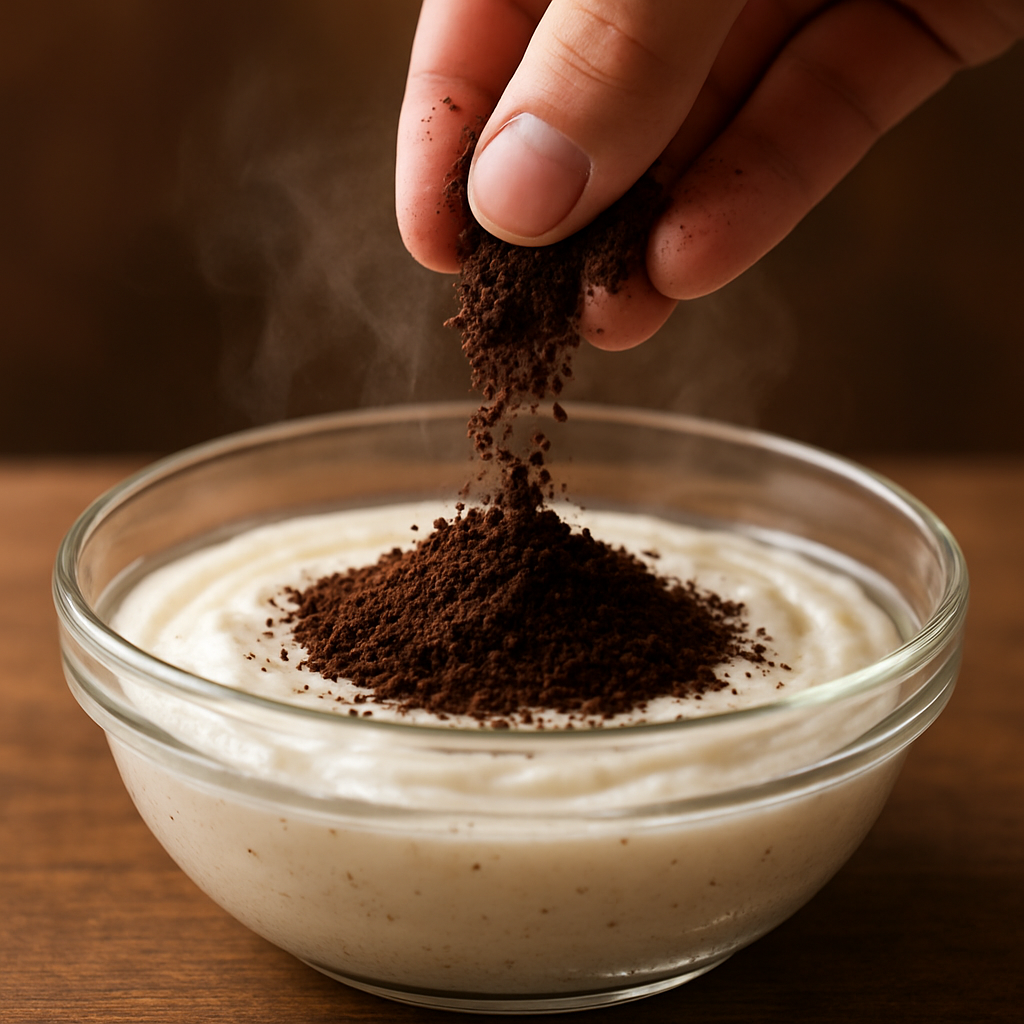
4️⃣ Quick “no‑fuss” routine
- Prep: Wet hair until just damp.
- Apply: Scoop a pea‑size amount of the scrub onto your fingertips.
- Massage: Using gentle circular motions, work the blend into the scalp for 60‑90 seconds. You’ll feel a subtle warmth as the coffee activates.
- Leave‑on: Let it sit for 3‑5 minutes – enough time for the oil to penetrate and the caffeine to kick in.
- Rinse: Rinse with lukewarm water, then follow with your favourite conditioner or Julian Jay’s Active Scalp Cleanser for an extra boost.
5️⃣ Pro tip + common slip
Because coconut oil solidifies at cooler temperatures, a quick microwave pop (10 seconds) makes it silky and easy to spread. And remember: a little goes a long way. Over‑applying can leave a greasy film that actually blocks pores – the exact opposite of what you want for the best scalp scrub for hair growth.
Storage tip: keep the scrub in a cool, airtight jar. The coconut oil can melt in a hot bathroom, so a quick stir before each use restores the texture. For best results, pair the scrub with a gentle, sulphate‑free shampoo – something like Julian Jay’s Active Scalp Cleanser – to keep the pores clear after exfoliation. Use the combo two to three times weekly and you’ll start seeing less flakiness and a subtle lift in density within a month.
So, if you’re ready to turn your shower routine into a mini‑spa that fuels hair growth, give the coconut‑coffee scrub a try a couple of times a week. You’ll notice a calmer scalp, a pleasant tingle, and—over weeks—hair that feels a shade fuller.
5. Apple Cider Vinegar Scalp Scrub – pH Balance for Hair Health
If you’ve ever wondered why your hair feels flat after a shampoo, the culprit is often the scalp’s pH slipping out of its sweet spot.
Hair’s natural pH sits between 3.7 and 5.5 – slightly acidic, just enough to keep the cuticle sealed and the follicles calm. When the environment becomes too alkaline, the cuticle lifts, moisture escapes and you end up with frizz, break‑age and a scalp that feels itchy.
Enter apple cider vinegar (ACV) – a pantry staple that’s surprisingly powerful for bringing the scalp back into its ideal range.
The magic lies in its acetic acid, which clocks in at a pH of 2‑3. Diluted properly, it gently nudges your scalp’s pH downwards without the harshness of chemical toners.
Why does that matter for hair growth? A balanced pH keeps the cuticle smooth, which means less breakage and a clearer runway for follicles to push through. It also discourages the growth of opportunistic microbes like Candida, a fungus that can inflame the scalp and accelerate shedding.
Healthline explains the pH benefits of apple cider vinegar for hair, noting that its acidity can help lower the scalp’s pH and improve shine.
Here’s a quick, no‑fuss ACV scalp scrub you can mix at home. It’s simple enough to slot into the routine you already use after shampooing.
1️⃣ Gather your supplies
2‑3 tbsp raw, unfiltered apple cider vinegar, 1‑2 tbsp distilled water, and a teaspoon of honey for a touch of soothing moisture. Mix them in a spray bottle, shake, and you’ve got a gentle acid rinse ready.
2️⃣ How to use
After you’ve rinsed out your shampoo, spritz the ACV mixture onto the scalp, focusing on the crown and any flaky spots. Massage lightly for 30 seconds, then let it sit for 2‑3 minutes. Rinse with cool water to seal the cuticle.
3️⃣ Frequency
Start with two applications per week. If your scalp feels comfortable, you can bump it up to three times, but never more than that – over‑acidifying can lead to irritation.
4️⃣ Pro tip
Follow the ACV rinse with Julian Jay’s Active Scalp Cleanser. The cleanser’s sulphate‑free formula works hand‑in‑hand with the acid, removing residual buildup while preserving the newly balanced pH.
5️⃣ Common slip
Don’t pour the vinegar straight onto dry hair. Without water to dilute it, the high acidity can sting and even damage delicate skin. Always blend with water and do a quick patch test on the inner wrist before the first full application.
The bottom line? A properly diluted ACV scrub is a cheap, low‑tech way to restore acidity, calm inflammation and give your follicles a cleaner runway. It isn’t a miracle cure on its own, but when paired with a balanced shampoo and the occasional nutrient‑rich serum, it can tip the scales in favour of thicker, shinier strands.
A couple of extra pointers: if you have colour‑treated hair, keep the dilution a bit stronger (more water) to protect the pigment. And on colder months, the warm water rinse helps the vinegar’s scent dissipate faster, leaving you with a fresh, balanced feel rather than a lingering sharp smell.
6. Professional Salon‑Grade Scalp‑Scrub – Expert Formulation
Ever walked out of the salon feeling like your scalp just got a fresh start? That buzz you feel isn’t just the cool water – it’s a carefully‑crafted exfoliant that’s actually designed to help the follicles do their thing.
We’ve seen a lot of DIY mixes that promise miracles, but the truth is, a salon‑grade scrub brings a level of science and texture that home recipes often miss. Below is the rundown of what makes a professional formula the best scalp scrub for hair growth when you use it the right way.
1️⃣ Targeted ingredients, not just grit
Most over‑the‑counter scrubs rely on sugar or salt to create friction. The problem? Those gritty particles can irritate a sensitive scalp, especially if you’re already dealing with thinning hair. The experts at Alpha‑H point out that “physical exfoliation can inflame the scalp, which isn’t great for the hair follicles” and recommend chemical exfoliants like salicylic or glycolic acid instead that explains why. A professional salon scrub swaps harsh grains for oil‑soluble acids that dissolve sebum and dead‑cell bonds without the abrasive scrape.
2️⃣ Balanced texture for real‑world use
Think of the formula as a smooth gel‑cream that glides through even the thickest hair. It’s thick enough to stay put on the scalp, yet it rinses clean without leaving a residue that could weigh down colour‑treated strands. That balance is why stylists love it – you get a thorough cleanse without the post‑scrub dryness that can make a fine‑haired crown look limp.
3️⃣ How it works under the hood
The magic lies in three steps: (a) the acid gently loosens the glue‑like buildup at the follicle opening, (b) the botanical extracts – think tea tree, willow bark or soothing oat – calm any micro‑inflammation, and (c) a light dose of antioxidants protects the scalp from oxidative stress that can accelerate hair loss. Together they create a cleaner runway for new growth without stripping the hair’s protective lipid layer.
4️⃣ Pro tip: Pair with a post‑scrub shampoo
Even the best scrub needs a proper rinse‑out. A sulphate‑free shampoo, like Julian Jay’s Active Scalp Cleanser, lifts any remaining particles and restores the scalp’s pH. Using the duo two to three times a week is enough to keep the environment optimal without over‑exfoliating.
5️⃣ Common slip – over‑use
It’s tempting to think “more is better,” especially when you see that fresh, tingling feeling. But as Byrdie notes, “over‑exfoliated scalp may become injured, irritated, or inflamed” that can actually set back growth. Stick to a weekly schedule at first; if your scalp feels comfortable, you can bump to twice a week, but never more.
So, what’s the take‑away? A professional salon‑grade scalp scrub offers the precise chemistry you need – acids that dissolve, botanicals that soothe, and a texture that works for every hair type. Use it sparingly, follow with a gentle cleanser, and you’ll notice less flaking, calmer irritation, and a scalp that feels ready to support thicker, healthier strands.
Ready to give your scalp the upgrade it deserves? Grab a salon‑grade scrub, set a reminder for your weekly exfoliation, and watch how the difference shows up in your hair’s bounce and density over the next few weeks.
FAQ
How often should I use the best scalp scrub for hair growth?
Most of us find that once a week is a safe starting point – it gives the skin time to recover while still clearing away buildup. If your scalp feels comfortable after a few weeks, you can bump it to two times weekly, but I wouldn’t go beyond three. Over‑exfoliating can irritate the follicle base and actually set back growth, so listen to how your scalp reacts.
Can I use a scalp scrub if I have a sensitive scalp?
Absolutely, but choose a formula that leans on chemical exfoliants like low‑percentage salicylic acid rather than gritty granules. Apply a pea‑size amount with gentle fingertip circles and avoid using nails. Follow immediately with a soothing, sulphate‑free cleanser to restore moisture. If you notice redness or itching, cut back to every ten days until the skin calms.
Do I need to leave the scrub on before rinsing?
Yes – giving the actives a few minutes to work makes a world of difference. A five‑minute pause lets salicylic acid or tea‑tree oil dissolve dead‑cell bonds and microbial load. It’s not a deep‑conditioning mask, so you won’t feel heavy; just a light tingling that signals the formula is doing its job. Rinse with lukewarm water and finish with a conditioner.
How does a scalp scrub complement a shampoo like Julian Jay’s Active Scalp Cleanser?
The scrub clears the physical and chemical debris, while the Active Scalp Cleanser restores the scalp’s pH and removes any lingering particles. Think of the scrub as a pre‑workout stretch and the shampoo as the main exercise – together they prepare the follicle environment for optimal blood flow and nutrient delivery, which supports thicker strands over time.
Is it safe to combine a scalp scrub with other hair‑growth treatments?
Generally, yes, as long as the other products aren’t overly harsh. For example, you can follow a weekly scrub with a minoxidil application, but give the scalp a few minutes after rinsing to dry so the liquid isn’t diluted. Avoid layering multiple acids in the same routine; keep one exfoliant session per week and let other treatments work on non‑scrub days.
What ingredients should I look for in the best scalp scrub for hair growth?
Key players include salicylic acid (breaks down keratin plugs), tea‑tree oil (antifungal), charcoal (adsorbs oil and pollutants), and soothing botanicals like oat or aloe. Avoid large sugar or salt crystals that can micro‑abrade sensitive skin. A well‑balanced scrub will also contain humectants – glycerin or honey – to keep the scalp from drying out after exfoliation.
How long before I see results from regular exfoliation?
Patience is part of the process. Most people notice reduced flaking and a calmer itch within two weeks, but visible density improvements usually take eight to twelve weeks of consistent use. Track progress with photos taken every two weeks; that way you can see subtle shifts in strand thickness that are easy to miss day‑to‑day.
Conclusion
So, after wading through salicylic acid, tea‑tree, charcoal‑peppermint and a few more options, what’s the bottom line?
If you’re over 30 and your scalp feels like a dusty runway, the best scalp scrub for hair growth is simply the one that clears that build‑up without stripping moisture.
Look for a gentle BHA or a balanced blend of charcoal and soothing botanicals, and keep the routine to two‑three times a week.
Remember, exfoliation is a prep step – it opens the door for any growth serum or our Active Scalp Cleanser to work its magic.
Does it sound easy? It is, as long as you give your skin a minute or two after rinsing before applying any treatment.
Track progress with photos every couple of weeks; you’ll spot less flakiness, a calmer itch and, after eight to twelve weeks, a subtle thickening of strands.
And if you ever feel unsure, pause the scrub for a few days and let your scalp recover – over‑doing it can backfire.
In short, the best scalp scrub for hair growth is a balanced, low‑irritant formula used consistently, paired with a gentle, pH‑friendly cleanser.
Ready to give your follicles the fresh start they deserve? Add a weekly exfoliation session to your routine and watch the difference unfold.