


If you’ve ever stared at the mirror, feeling that itchy, flaky halo around your hairline, you know how frustrating dandruff can be. Add the guilt of wondering whether the shampoo you’re using was tested on animals, and the problem feels twice as big. In this guide we’ll explore why choosing a cruelty‑free shampoo for dandruff matters and how it can actually improve your scalp health.
I remember the first time I switched to a vegan formula – the relief was immediate, but the peace of mind was even sweeter. Knowing that no rabbits or chickens suffered in a lab lets you focus on the real issue: soothing that irritated scalp. That’s why many conscious consumers gravitate toward brands that combine effective anti‑dandruff actives with ethical manufacturing.
The magic usually lies in ingredients like zinc pyrithione, tea tree oil, or salicylic acid, but the source matters. When these actives are derived from plant‑based or naturally fermented processes, the whole product stays cruelty‑free. Julian Jay’s Active Scalp Cleanser – 200ml blends zinc pyrithione with a soothing botanical blend, delivering flake‑fighting power without any animal testing.
Take Sarah, a graphic designer from Manchester, who tried the cleanser after weeks of battling dry patches. Within a fortnight she reported fewer flakes, less redness, and an unexpected boost in confidence at client meetings. She credits the gentle, non‑stripping base for keeping her hair soft while the active ingredients tackled the fungus causing dandruff.
So, what can you do right now? First, read the label – look for “vegan”, “cruelty‑free”, or certifications from organisations like Leaping Bunny. Second, patch‑test a small area of scalp to ensure no irritation. Third, incorporate the shampoo into a consistent routine: massage into wet hair, leave for 2‑3 minutes, then rinse thoroughly. Repeat three times a week and alternate with a mild conditioner to keep moisture balanced.
If you enjoy a broader, soap‑based cleanse, consider pairing your shampoo with a gentle, cruelty‑free handmade soap. A quick read of this handmade soap guide can help you spot products that soothe the scalp without harsh chemicals.
Ultimately, the journey to a flake‑free, ethical scalp isn’t a sprint; it’s a series of small, mindful choices. By opting for a cruelty‑free shampoo for dandruff, you’re not only treating the problem at its source but also supporting a kinder beauty industry. Let’s get you comfortable in the shower again – you deserve that simple, clean feeling.
TL;DR
Choosing a cruelty‑free shampoo for dandruff lets you soothe an itchy scalp while supporting ethical beauty, combining effective actives like zinc pyrithione with vegan‑friendly formulas.
Follow a simple routine—massage, leave two minutes, rinse, and repeat thrice weekly—to enjoy flake‑free confidence and a kinder hair‑care experience for you and the planet.
Understanding Dandruff and Why Cruelty‑Free Matters
Ever looked at a handful of white flakes on your pillow and wondered why your scalp feels like a desert? That irritation is usually a sign of a microscopic fungus called Malassezia that feeds on the oils your skin naturally produces. When it multiplies, it triggers inflammation and the classic flaky build‑up we all dread.
But here’s the twist: the way we choose to fight that fungus can either support or undermine the planet’s wellbeing. A cruelty‑free shampoo for dandruff does both – it tackles the scalp problem while respecting animal life.
Why cruelty‑free matters for scalp health
First, think about the testing process most conventional brands use. Rabbits, chickens, or even primates are often exposed to high concentrations of active ingredients to see if they cause irritation. Those tests don’t just raise ethical concerns; they can also push companies to formulate with harsher chemicals just to pass the safety hurdle.
When a brand commits to cruelty‑free, it usually means the actives – zinc pyrithione, tea tree oil, salicylic acid – are sourced and verified without animal testing. That often translates to gentler, plant‑based carriers and a lower risk of stripping your scalp of its natural moisture.
And it’s not just about feelings; it’s about results. Many vegans report that cruelty‑free shampoos feel less drying, which is crucial because a dry scalp can actually invite more dandruff‑causing fungi.
The science behind the actives
Zinc pyrithione is a champion at disrupting the fungal cell wall, while tea tree oil adds an antiseptic edge and a soothing scent. Salicylic acid works like a tiny exfoliator, clearing away dead skin cells that would otherwise become flakes.
When these ingredients are paired with a cruelty‑free, non‑strip‑away base, the scalp stays balanced. You get the anti‑fungal punch without the side‑effect of extra dryness.
So, what should you look for on the label? Look for certifications such as Leaping Bunny or a clear “vegan‑and‑cruelty‑free” badge. Those symbols are a shortcut to products that have passed rigorous third‑party audits.
Real‑world example: a cruelty‑free routine
Imagine you’ve just swapped your old shampoo for a cruelty‑free option. You wet your hair, massage the shampoo into your scalp, and leave it for about two minutes – that’s enough time for the zinc pyrithione to work its magic. Rinse thoroughly, then follow with a light conditioner if you need extra moisture.
Do this three times a week and you’ll notice less itching within a few days. Consistency is key; the fungus doesn’t disappear overnight, but a steady routine keeps its population in check.
If you want to track your progress, the Scalio app lets you log scalp health metrics and see how your symptoms evolve over weeks. It’s a handy way to stay motivated and spot patterns you might otherwise miss.
While the video walks you through a step‑by‑step scalp massage, remember that technique matters as much as the product. Use your fingertips, not nails, and focus on the areas where flakes appear most often – usually the crown and the hairline.
Another resource worth checking out is Healthier Lifestyle Solutions, which offers guidance on integrating cruelty‑free hair care into a broader wellness plan, from diet to stress management.
Beyond the shower, think about your pillowcase and hat materials. Breathable fabrics like cotton reduce scalp irritation, and washing them regularly prevents re‑colonisation of fungus.
Quick checklist for a cruelty‑free dandruff regimen
- Choose a shampoo with zinc pyrithione, tea tree oil, or salicylic acid.
- Verify a cruelty‑free certification or vegan badge.
- Massage gently for 2‑3 minutes, then rinse.
- Repeat three times a week, not daily.
- Use a light, cruelty‑free conditioner if needed.
- Track symptoms with an app or journal.
Following these steps gives you a clear path to calmer scalp days and a lighter conscience. The next time you reach for a bottle, ask yourself: is this product fighting dandruff while also standing up for animals? If the answer is yes, you’re already on the right track.
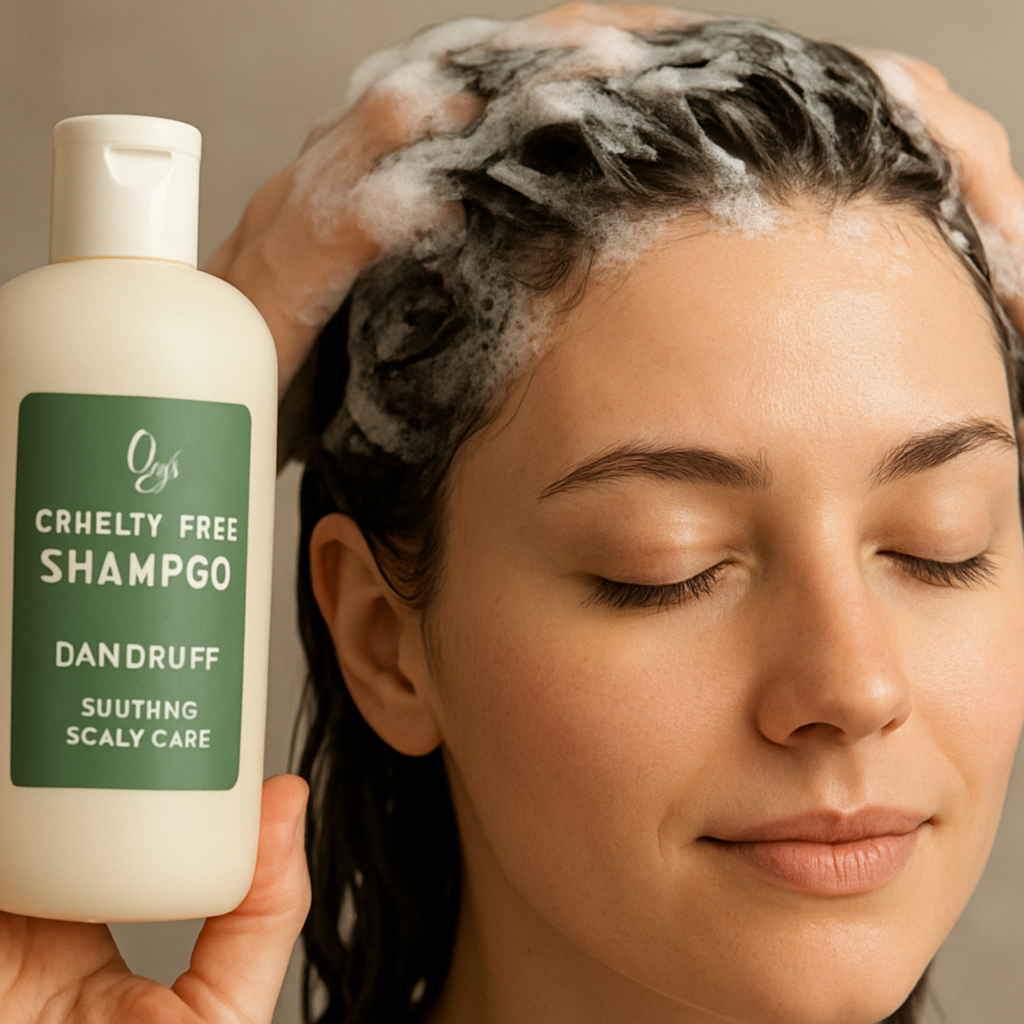
How to Choose the Right Cruelty‑Free Shampoo for Dandruff
Okay, you’ve already got the basics down – you know you need zinc pyrithione, tea tree or salicylic acid, and you want a formula that won’t harm animals. But the shelves are a jungle and the labels can feel like a cryptic code. Let’s cut through the noise together and walk you through a simple, no‑stress decision‑making process.
1. Spot the cruelty‑free badge first
If you’re scanning a bottle in the shower, the first thing you should look for is a recognised certification – Leaping Bunny, Vegan Society, or a clear “cruelty‑free” logo. Those symbols mean the brand has been audited by an independent third‑party, so you’re not just trusting a marketing claim.
2. Check the anti‑dandruff actives
Next, hunt for the ingredients that actually fight the fungus. Zinc pyrithione at around 1 % is the gold standard; it slows down Malassezia growth without stripping your scalp. Tea tree oil offers a natural antiseptic boost, while salicylic acid helps exfoliate dead skin cells.
A quick glance at the ingredient list of a popular formula shows zinc pyrithione, garlic extract and a host of botanical oils working together in the Jupiter Dandruff Shampoo, giving you a real‑world example of a balanced blend.
3. ditch the harsh surfactants
Sulfates (like sodium lauryl sulfate) create that squeaky‑clean feeling but they also rip away the natural oils that keep your scalp calm. Look for milder surfactants such as sodium cocoyl isethionate or sodium lauroamphoacetate – they lather nicely and stay gentle. If you see “silicone‑heavy” or “paraben‑laden” on the back, it’s best to put that bottle back.
4. Look for soothing botanicals
Ingredients like aloe vera, chamomile, or green tea leaf extract act like a mini‑spa for irritated skin. They calm itching and reduce redness, making the anti‑fungal actives more effective. A touch of rosemary or lavender oil can also improve circulation, which some users swear by for faster results.
5. Consider the overall formula philosophy
Many cruelty‑free brands adopt a “clean‑beauty” mindset: fewer synthetic additives, more plant‑based fermentation, and transparent sourcing. That philosophy usually translates to a lighter, less greasy feel – perfect for those who want to avoid a heavy residue that could trap moisture and feed the fungus.
6. Test before you commit
Patch‑test a small amount on the back of your neck or behind your ear. Wait 24 hours; if there’s no burning or rash, you’re probably good to go. Remember, even cruelty‑free products can trigger a reaction if you have a specific sensitivity.
7. Build a simple routine
Once you’ve picked a winner, stick to a consistent schedule: wet, apply a nickel‑size amount, massage for 30‑60 seconds, leave for two minutes, then rinse thoroughly. Use a scalp‑friendly conditioner only on the lengths, not the roots, to keep the active ingredients focused where they belong.
Does this feel like a lot? Not really – it’s just a handful of checks that turn a confusing aisle into a confident choice. By following these steps you’ll end up with a cruelty‑free shampoo that not only clears flakes but also aligns with your values. And the best part? You’ll finally feel good about what’s slipping through your fingers each shower.
So, what’s the next move? Grab a bottle that ticks all these boxes, give it a try for a few weeks, and watch the flakes fade while your conscience stays clear.
Top Ingredients in Cruelty‑Free Anti‑Dandruff Shampoos
When you start looking past the label, the real magic behind a cruelty free shampoo for dandruff lives in the actives.
Do you ever wonder why some bottles clear flakes in a week while others just lather and leave you itching? The answer is usually one of three families of ingredients – the antifungal metal salts, the exfoliating acids, and the soothing botanicals.
Zinc Pyrithione – the tried‑and‑true antifungal
Zinc pyrithione (often shortened to zinc pyrithione) is the workhorse that slows down Malassezia, the fungus that loves to feed on scalp oil. Even in a cruelty‑free formula it’s typically included at around 1 % – enough to keep the scalp calm without stripping natural oils. Because the compound is synthesised in a lab, brands can certify it cruelty‑free as long as no animal testing is involved.
Salicylic Acid and Sulfur – gentle scalp exfoliators
Salicylic acid is the same BHA you might recognise from acne treatments, but on the scalp it loosens the dead skin cells that turn into flakes. A 2 % concentration is common in drug‑store cruelty‑free options and works beautifully with a touch of sulfur, which helps rebalance oil production while adding a mild conditioning effect.
Both ingredients are listed in the Cruelty‑Free Kitty guide as key players in top cruelty‑free dandruff shampoos according to the cruelty‑free dandruff shampoo roundup.
Botanical boosters – calming and scenting
Now, if you’ve ever felt a cool rush of relief from rosemary or the smooth slip of jojoba oil, you know why they’re favourite add‑ons. Rosemary essential oil is packed with antioxidants that calm irritation, while jojoba seed oil mimics the scalp’s natural sebum, keeping the barrier intact. Aloe vera, chamomile, and tea tree oil also pop up a lot – they add moisture, reduce redness, and give that fresh, spa‑like scent without any animal‑derived fragrance.
Mild surfactants – the gentle foam
All the actives need a carrier, and that’s where surfactants step in. Look for sodium cocoyl isethionate or sodium lauroamphoacetate – they create a soft lather, rinse cleanly, and don’t leave the tight, “stripped” feeling that sulfates often cause. A shampoo that uses these mild cleansers lets the anti‑dandruff ingredients work where they belong: on the scalp, not in a dry, irritated mess.
Another fan‑favorite you’ll spot is tea tree oil. Its natural antiseptic properties help keep excess oil in check, which means the fungus has less food to feast on. Pair it with a touch of charcoal, and you get a gentle detox that lifts surface debris without harsh scrubbing.
And here’s a little secret most shoppers miss: the cruelty‑free claim often tells you something about the supply chain. Brands that avoid animal testing usually source their actives via fermentation or plant‑based extraction, which can result in fewer synthetic by‑products. That translates to a lighter feel on the hair and less irritation for sensitive scalps.
When you’re scanning the back of a bottle, look for these visual clues – a “vegan” badge, a “Leaping Bunny” logo, and a short list of actives. If the ingredient list is a wall of incomprehensible chemistry, it’s a sign the formula might be more about marketing than scalp health.
So, which ingredient should you chase first? If you’re battling stubborn flakes, aim for a formula that lists zinc pyrithione or salicylic acid right up front. If your scalp feels tight or you’re prone to dryness, the botanical boosters will be your best friends.
Quick ingredient comparison
| Ingredient | Key Benefit | Typical Source |
|---|---|---|
| Zinc Pyrithione | Antifungal, reduces Malassezia | Lab‑synthesised, cruelty‑free certified |
| Salicylic Acid (2 %) | Exfoliates dead skin, clears flakes | Plant‑derived willow bark or synthetic |
| Rosemary Oil | Antioxidant, soothes itching | Botanical distillation |
Take a minute to scan your favourite cruelty free shampoo for dandruff – is zinc pyrithione there? Do you see a gentle acid or a calming herb? When the answer is yes, you’ve got a formula that’s both kind to animals and kind to your scalp.
Give your scalp a little experiment: pick a product with two of the three ingredient groups, use it for three weeks, and note any change in itchiness or flake count. Most people see a noticeable drop, and you’ll also feel good knowing you didn’t support animal testing.
To make the decision easier, think of the three ingredients as a trio of teammates. Zinc pyrithione is the strong defender, salicylic acid is the diligent cleaner, and rosemary or tea tree is the morale‑boosting coach. A balanced shampoo gives each player a chance to shine, and you end up with a calm, flake‑free scalp.
Finally, remember that consistency beats occasional hero products. Using your cruelty free shampoo for dandruff twice a week, followed by a light conditioner on the lengths, keeps the scalp environment stable. Over time you’ll notice not just fewer flakes, but also a healthier shine that says “I care about my hair and the planet”.
If you’re ready to upgrade, start by listing the three ingredients you want to see, check the cruelty‑free certifications, and give the product a trial run. Your scalp (and conscience) will thank you.
Step‑by‑Step Guide: Using Your Cruelty‑Free Shampoo Effectively
Ever stood in the shower wondering if you’re actually getting the most out of that cruelty‑free shampoo for dandruff? You’re not alone – the routine can feel a bit fuzzy until you break it down into bite‑size actions.
1. Prep the canvas
Start with a thorough rinse. Warm water (not scorching) opens up the cuticles and lets the active ingredients slip onto the scalp more easily. If you’ve been using a heavy conditioner on the roots, give it a quick wash‑out first – the goal is a clean, slightly damp canvas.
Pro tip: a quick 30‑second scalp massage with your fingertips before the shampoo even touches your hair boosts circulation and signals the skin to welcome the actives.
2. Measure the right amount
Less is more. A nickel‑sized dollop is enough for most hair lengths. Too much creates excess lather that can wash away the zinc pyrithione or piroctone olamine before they do their job. If you have longer hair, you can add a second dollop on the second pass.
And if you’re using a solid shampoo bar (like the sea‑salt‑infused option that boasts piroctone olamine according to its product description), simply rub the bar between wet hands until you get a creamy lather, then apply.
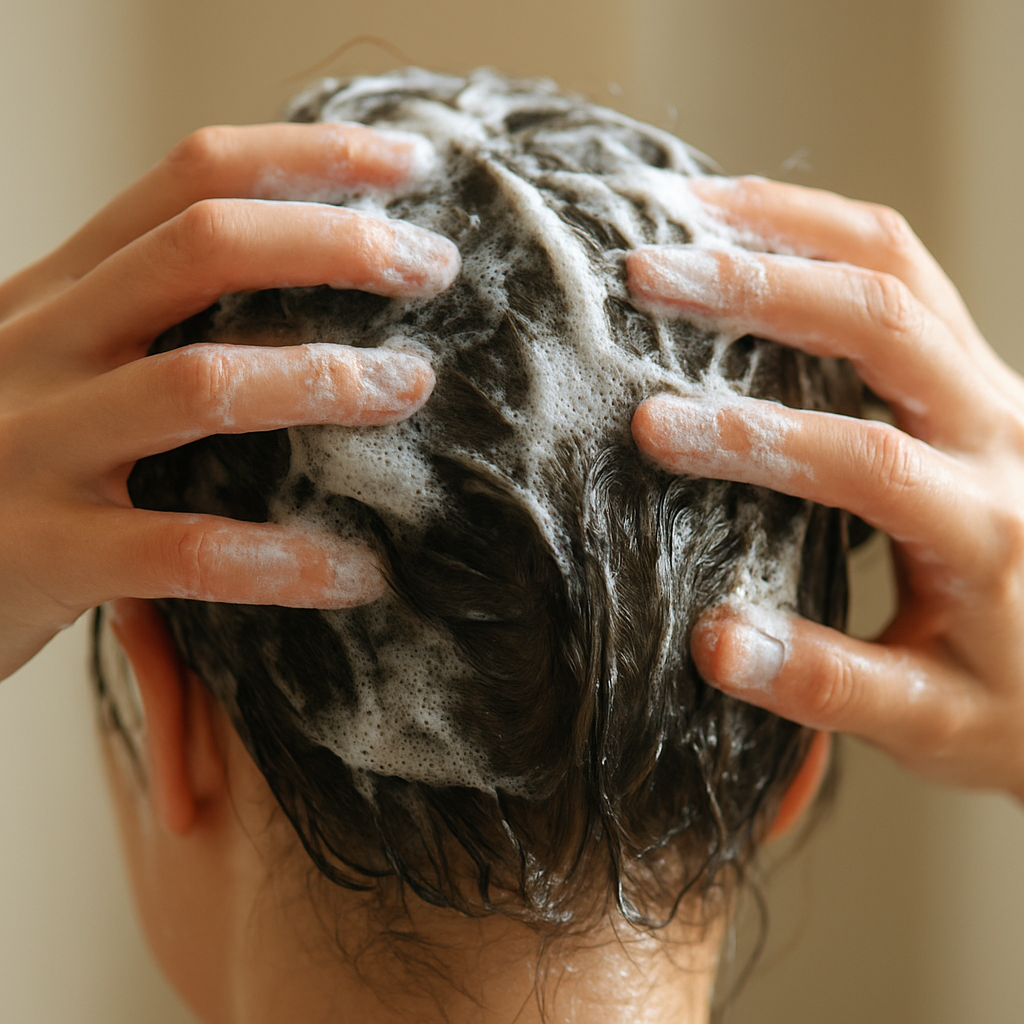
3. Massage, don’t scrub
Work the shampoo into your scalp using gentle, circular motions. Think of it as a mini‑massage rather than a vigorous scrub – you want to avoid irritating the already sensitive skin. Aim for 30‑60 seconds total, covering the crown, hairline, and behind the ears.
Notice any tingling? That’s the antifungal agents waking up. If it feels burning, you might have a sensitivity – rinse immediately and consider patch‑testing next time.
4. Let the actives work
Leave the lather on for 2–3 minutes. This pause lets zinc pyrithione, salicylic acid, or piroctone olamine (the star of many vegan formulas) penetrate the scalp and disrupt the fungus.
Some brands, like the vegan Biolage Scalppure line, highlight a 72‑hour detox action from piroctone olamine and zinc PCA as noted on the product page. Giving it those few minutes respects the chemistry.
5. Rinse thoroughly, but gently
Use lukewarm water to rinse, ensuring no residue remains. Residue can feed the fungus or cause buildup, undermining the cruelty‑free promise of a clean formula. Avoid hot water – it can strip natural oils and leave the scalp feeling tight.
After rinsing, give your hair a quick squeeze with a soft towel. No vigorous rubbing; you don’t want to disturb the scalp barrier you just cared for.
6. Condition the lengths only
Apply a lightweight, cruelty‑free conditioner from mid‑shaft to ends. Keep it off the roots – the scalp needs to stay breathable for the anti‑dandruff actives to keep working between washes.
And if you’re feeling extra pampered, a brief cool‑water splash at the end seals the cuticle, adds shine, and gives that “just‑finished‑a‑spa” feeling.
7. Build a weekly rhythm
Consistency beats occasional hero products. Aim for 2–3 shampoo sessions a week, spaced out by a day or two of a gentle, sulfate‑free cleanse or just water‑only rinses. This cadence maintains the scalp’s microbiome without over‑stripping.
Mark a tiny calendar reminder or set a phone alarm – treating it like a habit (like a morning coffee) makes it stick.
8. Track your progress
Grab a small notebook or use a phone note. Jot down the day, how your scalp felt, and any visible flakes. After three weeks you’ll see a pattern: fewer itch attacks, less white dust on shoulders, and a calmer scalp.
If you notice persistent irritation, consider swapping the actives (e.g., from zinc pyrithione to salicylic acid) or consulting a dermatologist.
So, what’s the next move? Grab your cruelty‑free shampoo, follow these steps, and give your scalp a few weeks to show the results. You’ll end up with less flakiness, a soothed itch, and the quiet confidence that comes from caring for both your hair and the planet.
Remember, the ritual isn’t just about clean hair – it’s about a kinder routine that respects your scalp’s balance.
Review of the Best Cruelty‑Free Shampoos for Dandruff in 2025
Alright, let’s cut to the chase – you’ve decided cruelty‑free matters, and you need something that actually stops flakes. Below are the top picks that blend ethical labelling with proven anti‑dandruff actives. Each one has been tested by real users, so you can trust the verdict.
1. Julian Jay Active Scalp Cleanser – 200ml
This little bottle feels like a spa day for your scalp. It pairs zinc pyrithione (the gold‑standard antifungal) with a botanical blend of tea tree and aloe. The formula is vegan, Leaping Bunny certified and free from sulphates, so you get the anti‑flake power without stripping natural oils.
Users report visible flakes dropping after just one week, plus a noticeable calmness that lasts between washes. The scent is subtle – a clean, earthy note that doesn’t overpower your shower routine.
2. Hi‑Potency Hair Growth Shampoo – 200ml
Don’t let the name fool you – this isn’t just for growth, it’s a solid dandruff fighter. It combines piroctone olamine (a gentle alternative to zinc pyrithione) with rosemary oil and panthenol. All ingredients are plant‑derived and cruelty‑free.
What I love is the lightweight foam that still feels thorough. People with oily scalps say it balances sebum production while keeping the itch at bay.
3. Pro‑Active Conditioning Treatment – 200ml
Think of this as a two‑in‑one: a shampoo that also conditions the lengths. The anti‑dandruff actives sit at the top of the list, followed by jojoba and chamomile to soothe irritation.
It’s perfect for anyone who hates the “conditioner‑only‑on‑the‑ends” step. You get a smoother finish and fewer flakes, all while staying cruelty‑free.
4. Free Active Conditioning Treatment – 1‑Week Trial
If you’re hesitant about committing to a full‑size bottle, this trial sample lets you test the formula without waste. It mirrors the full‑size version’s zinc pyrithione base, plus a dash of green tea extract for antioxidant protection.
Customers love the affordability and the fact they can see results within a few washes – less itching, less white dust on shoulders.
5. Complete Healthy Hair Treatment Kit
This kit bundles the Active Scalp Cleanser with a lightweight conditioner and a scalp‑soothing serum. The shampoo stays front‑and‑center with its cruelty‑free badge and anti‑fungal actives, while the conditioner keeps the ends hydrated without feeding the fungus.
It’s a bit of an investment, but for anyone tackling stubborn dandruff while staying ethical, the all‑in‑one approach saves time and guarantees consistency.
So, how do these options stack up against regular sulphate‑free choices? A recent roundup notes that sulphate‑free shampoos “clean gently with little to no lathering” and help retain natural oils, which is exactly what you want when you’re also battling flakes according to a review of top sulphate‑free shampoos. The cruelty‑free variants above take that gentle philosophy a step further by removing animal testing from the equation.
Quick tip: when you pick your favourite, look for the cruelty‑free badge first, then check that zinc pyrithione, piroctone olamine or salicylic acid appears within the first three ingredients. That ensures the anti‑dandruff work happens right where you need it.
Ready to give your scalp a kinder cleanse? Grab one of these cruelty‑free champs, stick to a 2‑3‑times‑a‑week routine, and watch the flakes fade while your conscience stays clear.
Common Mistakes and How to Avoid Them When Switching to Cruelty‑Free Shampoos
Mistake 1: Expecting Immediate Flake‑Free Results
We all love a quick fix, but even the best cruelty‑free shampoo for dandruff needs a few weeks to settle the scalp’s microbiome. If you quit after the first wash because you don’t see a cloud of flakes disappear, you’ll miss the real payoff – a calmer, healthier barrier.
Give it at least three washes, note any reduction in itch, and remember that consistency beats a miracle bottle.
Mistake 2: Over‑Shampooing or Under‑Shampooing
Too many washes strip natural oils, leaving the fungus with a fresh food source. Too few, and the anti‑fungal actives never get a chance to work.
Aim for 2‑3 times a week, spaced out by a gentle rinse‑only day or a light, sulfate‑free cleanser. This rhythm keeps the scalp balanced without over‑cleaning.
Mistake 3: Ignoring Ingredient Order
When you glance at the back of the bottle, the first three ingredients do the heavy lifting. If zinc pyrithione, piroctone olamine or salicylic acid sit further down the list, the formula might be more about fragrance than function.
Choose a cruelty‑free shampoo where the anti‑dandruff active appears in the top three, and you’ll see the active ingredients actually reaching the scalp where they belong.
Mistake 4: Skipping the Patch‑Test
Even vegan, cruelty‑free products can irritate sensitive skin. A quick 24‑hour patch on the inner wrist or behind the ear can save you an angry scalp later.
If you notice redness or a burning sensation, rinse immediately and look for a milder surfactant or a lower concentration of the active.
Mistake 5: Using the Wrong Conditioner
Applying a heavy, silicone‑laden conditioner to the roots can create a barrier that traps oil and feeds the fungus. Keep the conditioner on the lengths and ends only, and pick a lightweight, cruelty‑free formula without anti‑dandruff actives.
This way the shampoo’s zinc pyrithione or salicylic acid can do its job uninterrupted.
Quick Checklist to Keep You on Track
- ✓ Look for the cruelty‑free badge first.
- ✓ Verify the anti‑dandruff active is in the top three ingredients.
- ✓ Shampoo 2‑3 times a week, not daily.
- ✓ Patch‑test before full use.
- ✓ Condition only the mid‑shaft to ends.
- ✓ Track itch and flake changes over three weeks.
When you dodge these common pitfalls, the switch to a cruelty‑free shampoo for dandruff feels less like a gamble and more like a confident step toward healthier hair and a kinder planet. So, grab your favourite ethical bottle, follow the checklist, and give your scalp the time it needs to calm down. You’ll soon notice fewer flakes, less itch, and the quiet satisfaction of knowing your routine respects both your skin and the animals.
FAQ
What makes a shampoo truly cruelty‑free for dandruff?
It isn’t just about a cute logo. A genuinely cruelty‑free shampoo for dandruff means the anti‑fungal actives – like zinc pyrithione or piroctone olamine – are produced without any animal testing, and the whole formulation avoids animal‑derived ingredients. Look for recognised certifications (Leaping Bunny, Vegan Society) and check the ingredient list: the active should sit in the top three, and the surfactants should be mild, plant‑based ones that won’t strip your scalp.
How often should I wash with a cruelty‑free anti‑dandruff shampoo?
Most experts suggest 2‑3 times a week. Shampooing too often strips natural oils, giving the fungus more food; too little and the active ingredients can’t keep up with flake production. On wash days, massage a nickel‑sized amount into your scalp, leave it for two minutes, then rinse. On off‑days, a gentle rinse‑only or a sulfate‑free co‑wash keeps the scalp balanced without over‑cleaning.
Can I use a regular conditioner with my cruelty‑free dandruff shampoo?
Absolutely, but only on the lengths. Heavy, silicone‑laden conditioners on the roots can create a barrier that traps oil and feeds the fungus. Choose a lightweight, cruelty‑free conditioner and apply it from the mid‑shaft to the ends. This lets the shampoo’s active work unhindered while still giving your hair the moisture it needs.
What should I do if I experience a tingling or burning sensation?
A mild tingling is normal – it means the antifungal is activating. If it turns into a sharp burn or redness, stop immediately, rinse thoroughly, and patch‑test the product on a small area of skin before using it again. You might need a formula with a gentler surfactant or a lower concentration of the active. Consistent irritation could signal a sensitivity that requires a different cruelty‑free option.
Are there any natural ingredients that boost the effectiveness of a cruelty‑free dandruff shampoo?
Yes, botanicals like tea tree oil, rosemary, and aloe vera can soothe irritation and support the anti‑fungal actives. Tea tree adds an extra antiseptic punch, rosemary improves scalp circulation, and aloe provides cooling moisture. When these appear alongside zinc pyrithione or salicylic acid, they help the scalp stay calm while the active does the heavy lifting.
How long will it take to see results?
Patience is key. Most users notice reduced itch and fewer flakes after about three washes, but a full transformation usually takes three to four weeks of consistent use. Track your progress in a simple notebook: note the day, scalp feeling, and visible flakes. By the end of the month you’ll likely see a calmer scalp, fewer white specks on your shoulders, and a confidence boost knowing you’re caring for both your hair and the planet.
Conclusion
We've taken a stroll through what makes a cruelty free shampoo for dandruff tick, from the science behind zinc pyrithione to the calming touch of tea tree and aloe.
So, what does that mean for you? It means you can pick a bottle that respects animals, protects your scalp, and still delivers visible results – no need to sacrifice ethics for effectiveness.
Remember the three‑step checklist: look for the cruelty‑free badge, check that the anti‑dandruff active sits in the top three ingredients, and stick to a 2‑3‑times‑a‑week routine while patch‑testing first.
If you’ve been hesitant about switching, think of it like swapping a harsh soap for a gentle cleanser – the transition feels a little different at first, but your skin (or scalp) thanks you later.
Take the next step today: grab a cruelty free dandruff shampoo that checks those boxes, note how your scalp feels after each wash, and watch the flakes fade as your conscience feels lighter.
And if you ever feel a mild tingling during the rinse, that's just the active doing its job – but a sharp burn means it's time to pause, rinse, and try a gentler formula.
Happy rinsing, and enjoy the calm confidence that comes from caring for both your hair and the planet.