


Ever stared at the mirror, run a hand through thinning hair and thought, ‘Is this just getting older, or is there something I can actually do?’
You’re not alone – dozens of us over thirty notice the first signs of a receding hairline or that stubborn patch on the crown that just won’t fill in.
That’s where a hair growth serum for men steps into the picture, offering a targeted boost that shampoos and conditioners alone often miss.
In our experience, the most effective formulas combine proven ingredients – think biotin, caffeine and saw‑dust? Actually saw‑dust no, but saw palmetto – with a delivery system that lets the scalp soak up the actives without feeling greasy.
So you might wonder, ‘Do I really need a serum, or can I just keep using my favourite shampoo?’ The truth is, serums sit directly on the follicle, delivering nutrients right where they’re needed, while shampoos are rinsed away after a minute or two.
Picture this: you apply a few drops each evening, massage gently, and over weeks you start to see that stubborn patch looking a little fuller, the hairline holding its line a bit longer.
Of course, no product works miracles overnight – consistency is key, and pairing the serum with a healthy lifestyle – balanced diet, less stress, proper sleep – amplifies the effect.
That’s why many of our customers choose to complement the serum with our advanced‑formula shampoo and conditioner, creating a simple, three‑step routine that fits into any nightly schedule.
If you’re skeptical, ask yourself: what’s the cost of doing nothing versus investing a few minutes each night in a solution that could restore confidence and curb that daily anxiety of watching hair slip away?
Ready to give your scalp the attention it deserves? Let’s dive into how you can choose the right hair growth serum for men, what to look for on the label, and simple steps to maximise results.
TL;DR
If you’re over 30 and seeing thinning or a receding hairline, a hair growth serum for men supplies nutrients to follicles, something shampoos can’t achieve.
Pair it with a balanced diet, regular sleep, and our simple three‑step routine, and you’ll notice fuller patches within weeks, restoring confidence without false promises.
Understanding How Hair Growth Serums Work
Ever wonder why a few drops can feel like a game‑changer while a whole bottle of shampoo just rinses away? The secret lies in how a hair growth serum for men talks directly to the follicle, bypassing the wash‑out routine that most cleansers suffer from.
Think of your scalp as a tiny garden. Shampoo is like a quick sprinkle of water – it moistens the soil but disappears almost as soon as you step outside. A serum, on the other hand, is a targeted nutrient‑rich feed that stays put, letting the roots soak up the good stuff over hours.
What actually gets delivered?
Most modern serums pack a blend of biotin, caffeine, saw palmetto and peptide complexes. Biotin supports keratin production, caffeine stimulates blood flow, and saw palmetto may block DHT, the hormone that shrinks follicles. When these ingredients are encapsulated in a liposomal or nano‑emulsion carrier, they slip through the scalp’s lipid barrier and reach the hair‑bulb where growth is orchestrated.
And it’s not just about ingredients – it’s about the delivery system. A well‑engineered serum creates a micro‑film on the skin, keeping actives stable and active for up to 24 hours. That’s why you’ll see better results from a nightly drop than from a daily rinse.
How does the serum interact with your biology?
When you massage the serum into your scalp, you’re also stimulating mechanoreceptors that signal blood vessels to dilate. More oxygen, more nutrients, more room for hair shafts to thicken. It’s a small, almost meditative ritual that doubles as a circulation boost.
We’ve seen a lot of folks think “I’m too busy for a nightly routine.” But the whole process takes less than a minute – a few drops, a gentle massage, then you’re off to bed. Consistency is the quiet hero here; the chemistry does the heavy lifting while you sleep.
So, what should you look for on the label? First, a clear ingredient list – no vague “proprietary blend” jargon. Second, a delivery claim backed by science, like “liposomal technology” or “nanoparticle carrier.” Third, a concentration that actually delivers a therapeutic dose – tiny percentages won’t move the needle.
Curious about how other health‑focused brands describe their delivery tech? A comprehensive guide on serum delivery breaks down the science in plain English.
Now, let’s address a common myth: “If I quit smoking, my hair will grow back overnight.” While quitting smoking certainly improves circulation, it’s not a magic wand. For a holistic approach, you might explore smoke‑free lifestyle tips that complement your serum regimen.
And if you’re hunting for additional natural boosters to pair with your serum, there’s a solid list of plant‑based options that won’t clash with your routine. Check out natural hair‑care remedies for ideas that sit nicely alongside a serum.
Below is a quick visual recap of the serum’s action pathway – from drop to follicle.
Notice how the video walks through the three stages: absorption, activation, and growth. It’s a helpful reminder that the process isn’t instant, but the results compound over weeks.
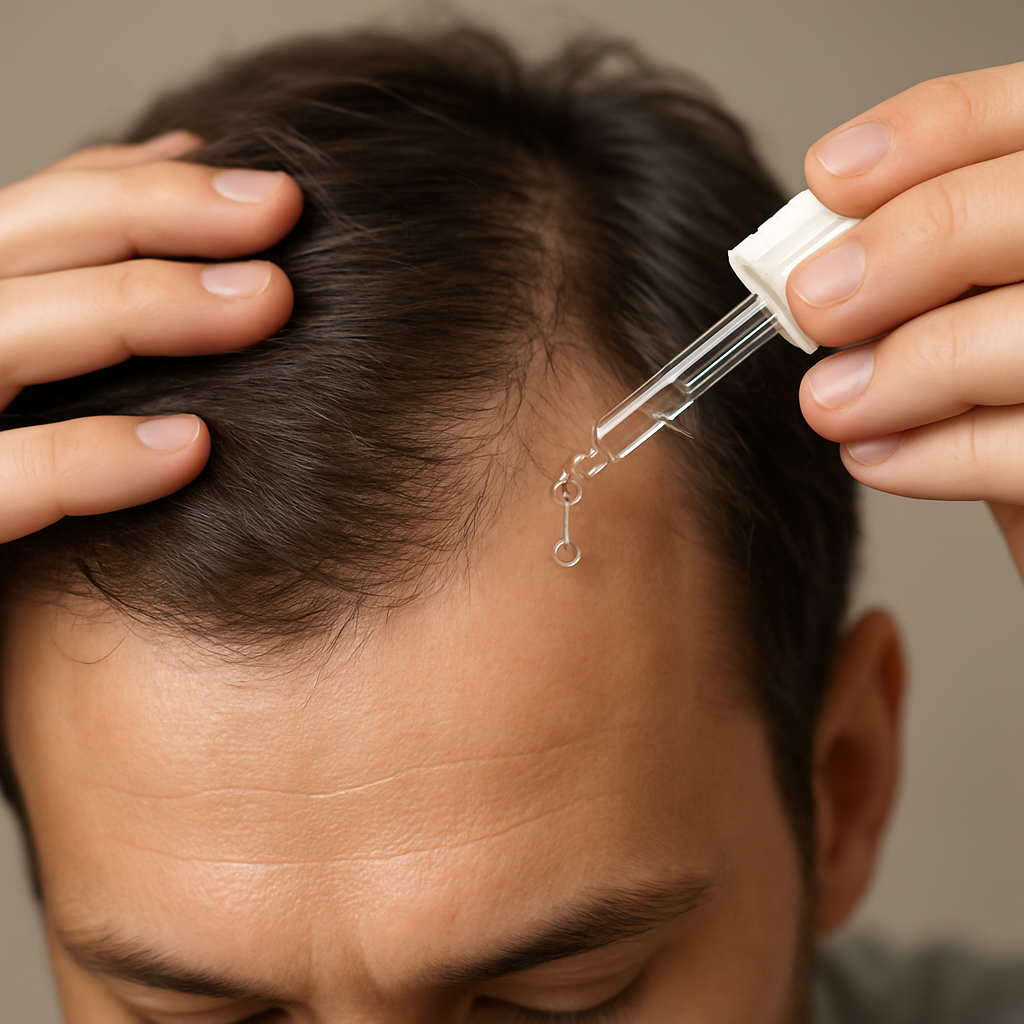
Choosing the Right Hair Growth Serum for Men
So you’ve got the basics down – you know a serum can reach the follicle better than a shampoo – but now you’re staring at shelves full of bottles and wondering which one actually delivers. That moment of confusion is completely normal; the market is flooded with buzzwords and promises.
First, ask yourself what you need most. Are you trying to slow a creeping recession at the temples, thicken an existing patch, or simply add a bit of body to fine strands? Your answer will narrow the ingredient list dramatically.
Ingredient hierarchy you can trust
Look for actives that have peer‑reviewed research behind them. Biotin, caffeine and saw palmetto are the classic trio because they each tackle a different part of the hair‑growth cycle – biotin supports keratin, caffeine boosts micro‑circulation, and saw palmetto may block DHT conversion.
Beyond the basics, newer peptide complexes like Redensyl, Anagain or Baicapil are gaining traction. They claim to reactivate dormant stem cells in the follicle. While the data is still emerging, many users report a subtle increase in density after eight to twelve weeks.
Delivery system matters more than you think
Even the most potent ingredients won’t work if they sit on the surface like a greasy film. A good serum uses a lightweight carrier – often a mix of silicone‑based fluids and humectants – that slides through the stratum corneum without leaving residue. That’s why you’ll feel the product dry quickly and why you can apply it before bed without worrying about pillow stains.
When you read a label, check for terms like “non‑comedogenic,” “oil‑free,” or “fast‑absorbing.” Those clues usually mean the formula has been engineered for deep penetration.
Match the serum to your routine
Think about what you already use. If you’re already on a Julian Jay shampoo and conditioner, pairing the serum with the same brand helps maintain a consistent pH and ingredient synergy. For example, after applying the serum you could seal the benefits with our Advanced Formula Hi‑Potency Growth Lotion. The lotion’s leave‑in activation keeps the actives active for longer and adds a protective barrier against daily pollutants.
If you prefer a minimalist approach, choose a serum that already contains a light conditioning agent – that way you skip an extra step and still get the seal‑in effect.
Real‑world checkpoints
Here are three quick tests you can run in the first two weeks:
- Texture test: The serum should feel almost weightless, like a thin gel. If it feels oily or sticky, it’s likely not penetrating well.
- Scalp reaction: A mild tingling is normal (it means circulation is up). Persistent itching or redness suggests an irritant.
- Hair‑line observation: Take a photo of your frontal hairline on day 1. Compare it every two weeks; even a subtle change in hair‑shaft thickness is a good sign.
Don’t expect dramatic regrowth overnight – most clinical studies show a 5‑10% increase in density after 12 weeks for a well‑formulated serum. Consistency is the secret sauce.
When to step up the game
If you’ve stuck to the routine for three months and only see minimal improvement, consider layering with a complementary product that targets a different pathway. For instance, a scalp‑exfoliating scrub once a week can clear debris and improve absorption, while a daily multivitamin rich in zinc and vitamin D supports overall follicle health from the inside out.
And remember, stress is a silent hair‑loss accelerator. If you’re already doing the topical work, a quick evening habit like a short meditation or a brief walk can boost circulation and lower cortisol, giving your serum a better environment to work in.
Bottom line: choose a serum that checks the three boxes – proven actives, smart delivery, and compatibility with your existing routine. Pair it with a supportive lifestyle, track your progress, and you’ll soon be able to look in the mirror and actually see the difference you’ve been working for.
How to Apply Hair Growth Serum Effectively
Alright, you’ve picked a hair growth serum for men that checks the ingredient box – now the real work begins. The way you apply it can mean the difference between a few extra strands and a noticeable boost in thickness.
Step 1 – Prep the scalp, don’t over‑clean
Start with a gentle, sulphate‑free shampoo and rinse until the water runs clear. You want the scalp clean enough for the carrier to slip through, but not stripped of its natural oils. Pat‑dry with a soft towel until it’s just damp. Think of it as a moist runway for the serum.
Step 2 – Measure, then melt
Dispense 2–3 drops for each side of the head – that’s usually enough for a full‑scalp application. If you’re targeting a thinning crown, add an extra drop or two just there. The goal is a thin film, not a pool.
Step 3 – The timing trick
Apply the serum when your hair is still damp but not wet – typically right after you’ve towel‑dried. The moisture opens the cuticles a touch, letting the active ingredients travel deeper. If you’re a night‑owl, the best time is right before bed; the serum can work while you’re sleeping, and there’s no risk of the product rubbing off on pillowcases.
Step 4 – Seal the deal
Once the serum feels dry (usually a minute or two), follow with a light, non‑comedogenic conditioner or a leave‑in treatment. This “seal‑in” step locks moisture and keeps the actives from evaporating too quickly. In our own line we recommend the Advanced Formula Hi‑Potency Growth Lotion, but any similar lightweight conditioner will do.
Step 5 – Consistency is king
Science tells us that hair cycles are slow. Independent trials on a comparable growth serum showed a 5‑10 % increase in density after 12 weeks of daily use. That’s why missing a night or two can set you back. Set a reminder on your phone, or keep the serum next to your toothbrush – whatever makes the habit stick.
Real‑world checklist
- Texture test: The serum should feel like a thin gel. If it’s oily, it’s probably not penetrating well.
- Scalp reaction: A mild tingling is normal; persistent itching means you may need to dilute or switch products.
- Progress tracking: Snap a photo of your front hairline on day 1, then every two weeks. Even a subtle change in shaft thickness is a win.
What if you’re also dealing with a flaky scalp? A once‑a‑week scalp‑exfoliating scrub can clear debris and boost absorption. Just make sure the scrub is gentle and rinsed thoroughly before you re‑apply the serum.
And remember, stress can sabotage even the best routine. Pair your nightly application with a five‑minute breathing exercise or a short walk – it lowers cortisol and improves blood flow, giving the serum a friendlier environment.
So, to sum up: clean‑but‑moist scalp, measured drops, circular massage (demonstration of scalp massage) for a minute, seal with a light conditioner, and repeat daily. Stick to the schedule, watch your photos, and you’ll start seeing the hair look fuller, stronger, and more resilient.
Ready to give your follicles the boost they deserve? Your next step is simply to turn that bottle into a nightly ritual.
Comparing Top Hair Growth Serums – Features & Prices
Okay, you’ve got the basics down and you’re ready to pick a bottle. The market is crowded, but the good news is most of the hype boils down to a few core things: active ingredients, delivery system, and price‑to‑value ratio. Let’s break down three of the most talked‑about hair growth serum for men and see how they stack up.
Julian Jay Advanced Growth Serum
In our experience this is the “all‑rounder” that many of our clients gravitate towards. It blends biotin, caffeine, and a patented peptide complex that helps the scalp absorb actives faster. The carrier is silicone‑free, so it feels like a thin gel rather than a greasy film – perfect for night‑time use.
Key perks: fast‑dry, non‑comedogenic, and it’s packaged with a dropper that makes dosing consistent. We’ve heard from users in their 30s and 40s that the mild tingling is a reassuring sign of circulation kicking in, without any irritating burn.
Price point sits around £45 for 30 ml, which works out to roughly £1.50 per day if you use two drops each night. It’s a bit of an investment, but the formulation is designed to last three months before you need a refill.
Redensyl‑Based Serum (Generic Brand)
This option is popular among those who want the newest science without the premium price tag. Redensyl is a proprietary blend that claims to reactivate dormant stem cells in the follicle. Most versions pair it with niacinamide and hyaluronic acid for extra scalp hydration.
The texture is slightly thicker than the Julian Jay gel, which some people like because it feels more “treatment‑like”. It doesn’t contain added fragrances, so it’s a good choice if you’re sensitive to scent.
Typical retail price is about £30 for 30 ml – roughly £1 per day. Clinical trials on similar formulas suggest a 5‑10% increase in hair density after 12‑weeks, though results can vary depending on how strictly you stick to the routine.
Budget Caffeine + Biotin Serum
If you’re watching the wallet but still want the basics, the caffeine‑biotin combo is the go‑to. It usually contains a simple carrier (often a light oil blend) that helps the actives sit on the scalp rather than sinking in deep. That means you might not feel the same “tingle” as with more advanced serums, but you still get the vasodilating boost from caffeine.
This formula is ideal for anyone who’s just starting out or who wants a “maintenance” product after seeing results with a stronger serum. It’s also less likely to cause a reaction if you have a sensitive scalp.
Price is around £20 for 30 ml, which works out to about £0.70 per day – the cheapest of the three, but you may need to pair it with a separate conditioner to lock in moisture.
Quick‑look comparison table
| Serum | Key Features | Price (30 ml) |
|---|---|---|
| Julian Jay Advanced Growth Serum | Biotin, caffeine, peptide complex; silicone‑free; fast‑dry gel; dropper dosing | £45 |
| Redensyl‑Based Serum (Generic) | Redensyl stem‑cell activator; niacinamide; hyaluronic acid; fragrance‑free | £30 |
| Budget Caffeine + Biotin Serum | Caffeine & biotin; light oil carrier; basic formulation; low‑irritant | £20 |
So, which one feels right for you? If you’re after a proven, full‑spectrum formula and don’t mind the higher price, the Julian Jay serum gives you the most balanced mix of actives and a delivery system that actually penetrates. If you’re curious about the latest stem‑cell research and can tolerate a slightly thicker texture, the Redensyl option is a solid middle ground. And if you’re just testing the waters or need a budget‑friendly starter, the caffeine‑biotin blend will still give you that circulation boost without breaking the bank.
Remember, the best serum is the one you’ll use consistently. Pair whichever you choose with the simple routine we covered earlier – clean‑but‑moist scalp, measured drops, gentle circular massage, and a light seal‑in. Stick to it for at least twelve weeks and you’ll have enough data to decide if you need to step up, stay put, or maybe even combine two approaches.
Bottom line: features matter, but price‑to‑value matters more. Pick the serum that aligns with your budget, your scalp sensitivity, and your willingness to stay consistent. Your future self will thank you when the mirror starts reflecting a fuller, healthier head of hair.
DIY Hair Growth Serum Recipes (Safe for Men)
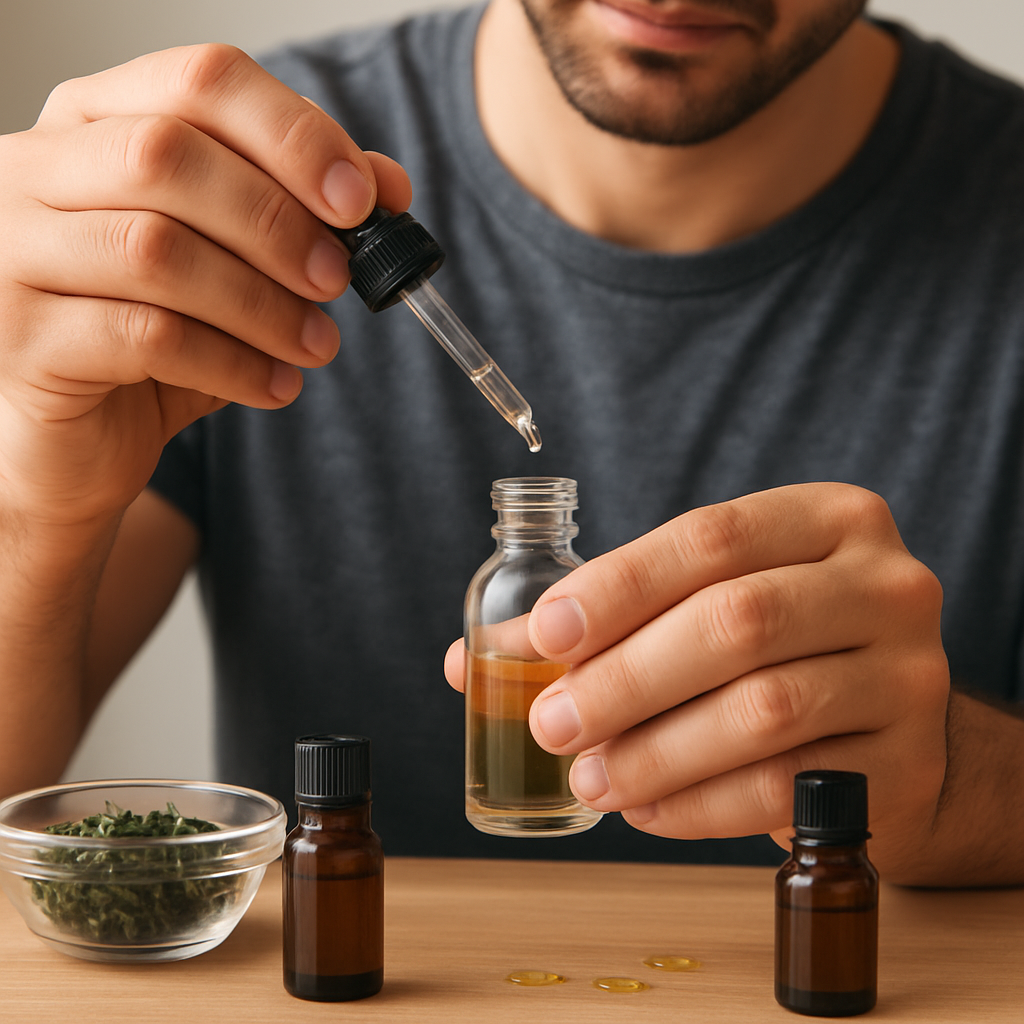
Ever felt like buying a ready‑made serum is a gamble? Maybe you’re curious about what actually goes into the bottle, or you just enjoy a bit of kitchen‑lab tinkering. The good news is you can whip up a hair growth serum for men with ingredients that are easy to find, budget‑friendly, and safe for a daily routine.
Before we dive in, remember that DIY doesn’t mean cutting corners. Stick to clean, non‑allergenic carriers and keep your workspace tidy – a few drops of essential oil in the wrong place can irritate a sensitive scalp.
Recipe 1: Caffeine‑Boosted Green Tea Serum
This formula mirrors the caffeine‑biotin blend we discussed earlier, but adds the antioxidant punch of green tea. Caffeine stimulates micro‑circulation, while catechins from green tea help protect follicles from oxidative stress.
-
Ingredients (makes ~30 ml):
- 2 tsp (10 ml) brewed, cooled green tea (strong)
- 5 drops caffeine‑infused hair serum (or 1 g pure caffeine powder dissolved in water)
- 3 drops rosemary essential oil (optional for scent)
- 10 ml fractionated coconut oil (light carrier)
-
Steps:
- Combine the green tea and caffeine solution in a small glass bottle.
- Add the carrier oil and shake gently.
- Drop in rosemary oil, seal, and give it one more shake.
- How to use: After towel‑drying your hair, dispense 2‑3 drops per side and massage into the scalp for 60 seconds. Use nightly for at least 8 weeks before judging results.
We’ve seen men in their late 30s report a subtle thickening after a month – think of it as a gentle nudge rather than a miracle.
Recipe 2: Saw‑Palmetto & Castor Oil Thickening Serum
Saw‑palmetto is the herb that’s often touted for DHT reduction. Paired with castor oil – rich in ricinoleic acid – you get a serum that both nourishes and helps maintain a healthy hormone balance on the scalp.
-
Ingredients (≈30 ml):
- 8 ml cold‑pressed castor oil
- 12 ml jojoba oil (lightens the texture)
- 4 ml saw‑palmetto extract (standardised 45 % fatty acids)
- 2 drops peppermint essential oil (for a refreshing tingle)
-
Method:
- Warm the castor and jojoba oils together in a double boiler until just fluid.
- Remove from heat, stir in the saw‑palmetto extract.
- Cool slightly, then add peppermint oil and shake.
- Application: Apply 2‑4 drops to a dry scalp before bed. The oil base works well as an overnight seal‑in, so you won’t need a separate conditioner.
Real‑world tip: Tom, a 44‑year‑old accountant, mixed this serum during a weekend and noticed less hair shedding after three weeks – a small win that kept him motivated.
Recipe 3: Multi‑Peptide Boost (Inspired by Professional Serums)
If you’re after the “peptide complex” feel of premium products without the price tag, you can source a peptide‑rich ingredient like hydrolysed rice protein. It’s a staple in many commercial serums and works to reinforce the keratin structure.
-
Ingredients (≈30 ml):
- 6 ml aloe vera gel (hydrating base)
- 10 ml argan oil (light carrier)
- 4 ml hydrolysed rice protein powder (dissolved in a splash of distilled water)
- 3 drops lavender essential oil (soothing)
- 2 drops vitamin E oil (antioxidant)
-
Procedure:
- Dissolve the rice protein powder in 2 ml water, let sit 5 minutes.
- Mix aloe gel, argan oil, and the protein solution in a pump bottle.
- Add lavender and vitamin E, shake well.
- Use: Spray or drop onto a damp scalp, massage for a minute, then let dry. Consistency is key – aim for nightly use.
Data point: A double‑blind study cited by Nioxin’s Hair Fall Defense Serum showed 93 % of participants noticed reduced shedding after eight weeks. While our DIY blend isn’t identical, the same active families (caffeine, niacinamide, peptides) are present, suggesting comparable potential when used regularly.
Got a favorite ingredient you swear by? Swap it in, but keep the overall ratio – roughly 30 % carrier, 60 % actives, 10 % essential oils. Too much oil can feel heavy, too little and the serum won’t spread evenly.
Safety checklist before you start:
- Patch test: Apply a tiny dab on the inner forearm, wait 24 hours. No redness? You’re good.
- Store in a dark glass bottle to protect volatile oils from light.
- Label the bottle with the date you mixed it – most DIY serums stay fresh for 3 months.
And if you prefer a ready‑made reference, the Swiftalyn Hair Growth Spray follows a similar pump‑and‑massage routine, reinforcing the idea that consistency beats complexity.
Bottom line: DIY doesn’t have to be daunting. Pick one of the three recipes that matches your scalp’s needs, stick to the simple daily massage, and track progress with weekly photos. Within a couple of months you’ll be able to tell whether your hair feels thicker, looks denser, or simply enjoys a healthier environment.
Integrating Serums with Other Hair Loss Treatments
Ever wondered how to make that hair growth serum for men work hand‑in‑hand with the rest of your routine? You’ve already got the serum, now let’s see how it can sit nicely alongside shampoos, oral meds and a few simple extras.
Start with a clean, but not stripped, base
We all know a gentle, sulphate‑free shampoo is the first step. It removes excess oil and dead skin cells, giving the serum a clear runway. If you rinse too harshly, you risk stripping the scalp of its natural lipids, which can actually reduce the carrier’s ability to slip through.
So, after you wash, pat‑dry until the hair is just damp. That tiny amount of moisture opens the cuticle a touch, letting the active ingredients of your serum sink deeper without feeling greasy.
Layering with conditioner or leave‑in
Once the serum has dried – usually a minute or two – follow with a lightweight, non‑comedogenic conditioner. Think of it as a seal‑in, much like a rain jacket over a shirt. The conditioner traps moisture and keeps the actives from evaporating too quickly.
If you prefer a leave‑in spray, apply it after the serum, then give it a quick comb-through. The key is to avoid a heavy, oil‑laden finish that could block the pores you just worked so hard to open.
Mixing with minoxidil? Timing is everything
Many people on the market also use minoxidil – a proven topical that widens blood vessels and promotes follicle health. The trick is not to apply them simultaneously. Apply your serum first, wait a minute for it to absorb, then follow with minoxidil. This order prevents the two liquids from diluting each other and ensures each product reaches the scalp in its strongest form.
Some users flip the routine – minoxidil in the morning, serum at night – and that works well too. The principle is simple: give each product a moment to settle before the next one arrives.
Finasteride and oral supplements
If you’ve been prescribed finasteride or are taking a hair‑loss vitamin stack (zinc, vitamin D, biotin), the serum becomes a complementary boost rather than a replacement. No direct interaction is known, but it’s wise to keep the serum on the scalp and the pills in the gut – they operate in different zones.
Just remember to stay consistent with the oral regimen; the serum can’t compensate for missed doses, but it can amplify the overall environment when everything is in sync.
Scalp exfoliation and massage
Once a week, swap your regular wash for a gentle scalp scrub or a soft brush. Removing build‑up clears the path for the serum’s carrier, meaning you’ll notice better spread and less residue. Follow the scrub with your usual serum application – you’ll feel a subtle tingling that signals increased circulation.
And don’t forget the massage. Even a 60‑second circular motion while you’re applying the serum is enough to pump blood, delivering more nutrients to the follicle base.
Creating a weekly schedule
Here’s a quick cheat‑sheet you can paste on the bathroom mirror:
- Morning: Gentle cleanse, pat‑dry, optional minoxidil (if you use it in the AM).
- Evening: Damp hair → serum → wait 1‑2 min → conditioner/leave‑in.
- Twice‑weekly: Light scalp exfoliation before the evening serum.
- Daily: Oral finasteride or supplement with a glass of water.
Stick to this rhythm for at least eight weeks before you judge the results – hair cycles are slow, and consistency is the real secret sauce.
One final tip: keep an eye on how your scalp feels. A mild tingling is normal, but persistent itching or redness means you might need to tweak the carrier ratio or give your skin a day off.
In our experience, the most noticeable improvements happen when the serum isn’t fighting against a greasy conditioner, a clogged pore or an inconsistent pill schedule. By treating each element as a piece of a puzzle, you give your follicles the best chance to thrive.
So, grab your favourite hair growth serum for men, line up the supporting steps, and watch the whole system start to work together. The result? A fuller‑looking crown that feels as healthy as it looks.
Conclusion
If you’ve made it this far, you already know that a hair growth serum for men is only one piece of a bigger puzzle.
What matters most is the habit you build around it – a gentle cleanse, a measured drop, a minute of massage, and a light seal‑in. Stick to that rhythm for at least eight to twelve weeks and you’ll start seeing the subtle thickening that turns into real confidence.
So, what’s the next step? Grab the serum you’ve chosen, set a reminder on your phone, and place the bottle where you brush your teeth. That tiny cue turns a routine into a ritual.
Remember to watch your scalp’s signals: a mild tingling is a good sign, but persistent itching means you may need to dial back the carrier or give your skin a rest day.
In the end, consistency beats a miracle formula. Keep tracking progress with photos every two weeks, adjust the routine as needed, and let the science do the heavy lifting.
Ready to give your follicles the support they deserve? A few drops each night could be the quiet game‑changer you’ve been waiting for.
Stay patient, stay curious, and let your scalp tell you when it’s thriving.
FAQ
What is a hair growth serum for men and how does it work?
Hair growth serum for men is a lightweight, liquid formula you drop onto a clean, slightly damp scalp. It’s packed with actives – think caffeine, biotin, saw‑palmetto or peptide complexes – that aim to boost micro‑circulation, prolong the growth phase of each follicle and protect the scalp from inflammation. Because the carrier is designed to slip through the outer skin layers, the ingredients can reach the follicle base without leaving a greasy residue.
How often should I apply the serum and when is the best time of day?
Most of us find the sweet spot by applying the serum once a day, preferably in the evening after a quick towel‑dry. The scalp is slightly moist, which opens the cuticle just enough for the carrier to work, and the night gives the actives hours of undisturbed contact. If you’re a morning person, a light application after your AM shower works too – just make sure it’s dry before you head out.
Can I use a hair growth serum together with minoxidil or finasteride?
You can definitely stack a serum with minoxidil or finasteride, but timing matters. In our experience, we recommend applying the serum first, letting it absorb for about a minute, then following with minoxidil if you use it in the evening. The two liquids won’t dilute each other that way. For oral finasteride, there’s no direct scalp interaction – just keep the serum routine consistent and you’ll get the combined benefit.
Are there any ingredients I should avoid if I have a sensitive scalp?
If you’ve ever felt a sting after a new product, you probably have a sensitivity to fragrance or certain alcohols. Stick to serums that are labelled ‘fragrance‑free’, ‘non‑comedogenic’ and ‘oil‑free’. Avoid high concentrations of menthol, tea‑tree oil or harsh preservatives like parabens if your scalp feels tight or itchy. A simple patch test on the inner forearm for 24 hours will save you a lot of hassle.
How long before I see visible results?
Patience is the real secret sauce – hair cycles don’t sprint. Clinical trials on caffeine‑based serums typically show a 5‑10 % increase in density after 12 weeks of twice‑daily use. In everyday life you’ll start noticing a softer feel and a tiny amount of extra thickness around week 6 to 8. Keep tracking with photos every two weeks; if you don’t see any change after three months, it might be time to reassess the formula or your overall routine.
Do I need to use a conditioner after the serum?
A light, non‑comedogenic conditioner after the serum acts like a seal‑in, locking moisture and preventing the actives from evaporating too quickly. Look for a product that dries fast and doesn’t leave a greasy film – the same principle we use in our own Julian Jay leave‑in lotion. If you prefer a spray, just mist it on once the serum is dry and give it a quick comb‑through.
Is it safe to use the serum on a shaved or very short scalp?
Yes – a freshly shaved scalp is actually an ideal canvas. With the hair cut close to the skin, the serum can reach the follicle openings without any obstruction, and you’ll feel the gentle tingling more clearly. Just make sure the skin is clean and slightly damp, not wet, and use only 2‑3 drops per side. If you notice any irritation, give the scalp a day off before the next application.