


Picture this: you’re running late for a coffee catch‑up, you glance in the mirror and notice a few more strands on your pillow than usual.
It’s that quiet panic that many women over thirty feel when hair starts to thin, and suddenly the whole ‘hair growth treatment for women’ conversation feels a bit overwhelming.
We’ve all been there – wondering if the next shampoo will magically revive every lost follicle or if we need a miracle potion you can only find in a glossy ad.
The good news? You don’t have to choose between expensive clinics and vague DIY hacks. A sensible, science‑backed routine can give you the confidence of thicker‑looking hair without breaking the bank.
So, what actually works? First, understand that hair loss in women is often a mix of hormonal shifts, stress, and scalp health. Ignoring any one piece is like trying to solve a jigsaw puzzle with half the pieces missing.
That’s where a targeted hair growth treatment for women steps in – it tackles the scalp’s micro‑environment, supplies the nutrients follicles crave, and gently encourages new growth.
In our experience, pairing a gentle cleanser that sweeps away buildup with a nourishing growth lotion creates the perfect foundation. Think of it as prepping the soil before you plant the seeds.
And if you’re wondering about frequency, consistency beats occasional splurges every month. A daily routine keeps the scalp’s circulation humming, which is exactly what those dormant follicles need to wake up.
Ready to give your hair the boost it’s been craving? Grab a simple starter kit, follow the routine for a few weeks, and watch the subtle thickening you’ve been hoping for unfold.
Remember, hair growth isn’t an overnight miracle; it’s a marathon, not a sprint. Stay patient, track your progress, and you’ll soon notice the confidence that comes with fuller, healthier strands.
TL;DR
A simple, science‑backed hair growth treatment for women combines a daily scalp‑cleansing shampoo with a nutrient‑rich growth lotion to restore a healthy micro‑environment and gently stimulate new strands.
Stick to the routine for a few weeks, track progress, and you’ll notice fuller, thicker hair without costly clinics or gimmicky fixes.
Step 1: Identify the Cause of Hair Loss
First thing's first – before you reach for any product, you need to know what's actually pulling the rug out from under your strands. It can feel overwhelming, but think of it like a detective story: you gather clues, you spot patterns, and then you can point the finger at the right culprit.
Hormonal shifts are the biggest suspect for most women over 30. Whether it’s the dip after childbirth, the roller‑coaster of perimenopause, or even the thyroid fluctuations that sneak in unnoticed, hormones love to meddle with the hair growth cycle. If you’ve noticed a gradual thinning around the crown or a widening part, ask yourself: “Did anything change in my health or stress levels recently?”
Check the scalp health
A healthy scalp is the foundation for any hair growth treatment for women. Build‑up from styling products, occasional dandruff, or even a mild fungal irritation can block nutrients from reaching the follicle. Run your fingertips over your scalp – does it feel tight, flaky, or oddly oily? Those sensations are clues that you might need a gentle cleanser before you even think about a growth lotion.
Stress is another silent player. Cortisol, the stress hormone, can push hair follicles into a resting phase, leading to that dreaded “shedding season” you’ve probably heard about. If you’ve been juggling a new job, caring for family, or pulling all‑nighters, it’s worth noting that your hair might be reacting to that pressure.
Take a quick health inventory
Grab a pen and jot down any recent changes: new medication, diet tweaks, weight fluctuations, or even a sudden shift in your exercise routine. Certain meds, like some blood pressure tablets or birth‑control pills, have hair loss listed as a side‑effect. Nutrient gaps – especially iron, zinc, and vitamin D – are common in women who diet aggressively or have limited sun exposure.
Once you have this list, you can start narrowing down the most likely cause. If hormonal change feels like the biggest factor, a scalp‑cleansing shampoo paired with a nutrient‑rich growth lotion can help balance the micro‑environment while your body readjusts.
If you’re still unsure after the checklist, a quick visit to your GP or a dermatologist can provide clarity. A simple blood test can reveal iron deficiency, thyroid imbalance, or vitamin D shortfall – all of which can masquerade as thinning hair. Some clinics also offer a scalp‑microscopy scan, which lets a professional visualise follicle density in real time. Knowing exactly what’s happening removes guesswork and lets you tailor your hair growth treatment for women plan with confidence.
Now that you’ve scoped out the why, the next step is to match the right routine to the cause. In our experience, women who combine a daily scalp‑clear treatment with a targeted growth lotion see the most consistent results, because they’re treating both the symptom (build‑up) and the root cause (nutrient deficiency).
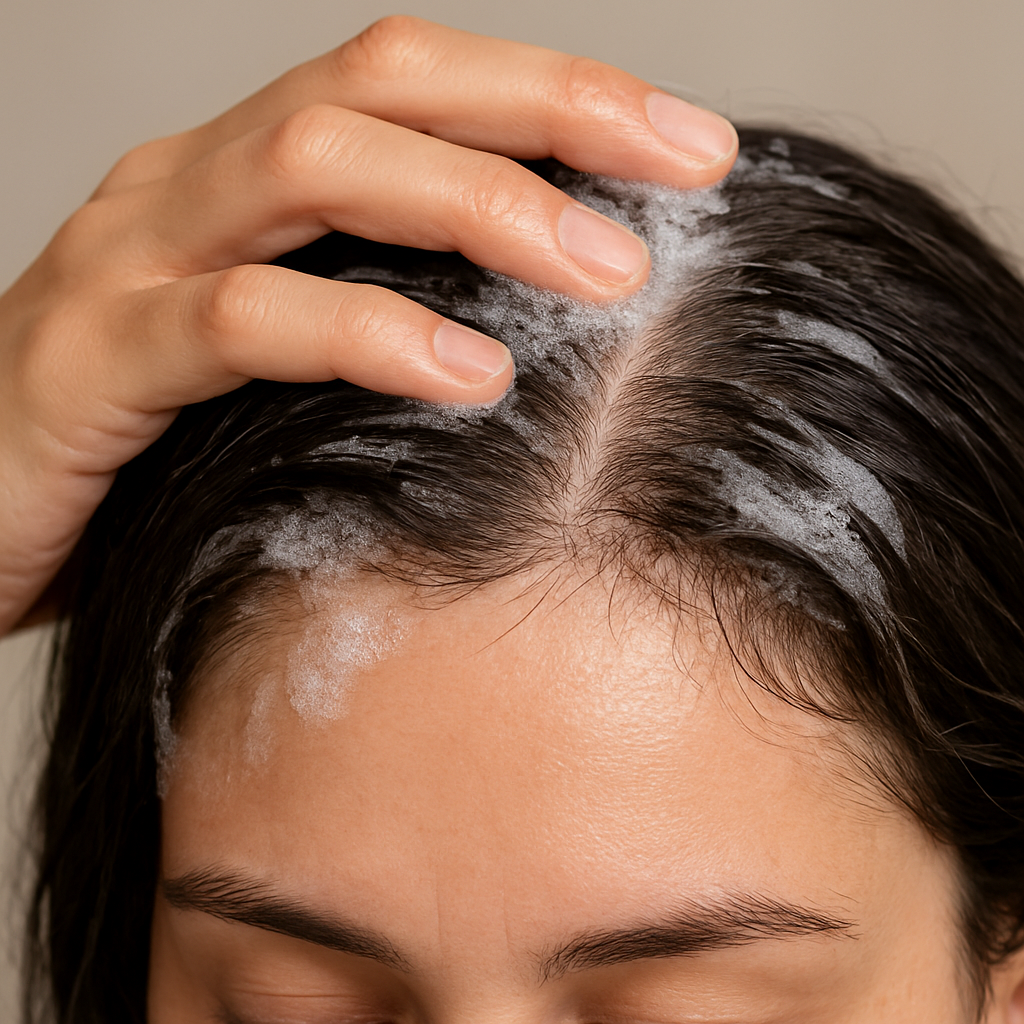
To keep things simple, create a three‑point checklist you can revisit each week: 1) Hormone or medication changes? 2) Scalp condition – any redness, flakes, or oiliness? 3) Lifestyle stressors and nutrient intake. Tick the boxes that apply, and you’ll have a clear roadmap for the rest of your hair growth treatment for women journey.
Step 2: Choose the Right Treatment Options
Now that you’ve spotted the main culprit behind your thinning, it’s time to pick the tools that actually work. Think of it like assembling a kit for a DIY garden – you need the right soil, the right seeds, and the right watering schedule. For hair, the "soil" is your scalp, the "seeds" are the active ingredients, and the "watering" is the routine you stick to.
Match the treatment to the cause
If your audit pointed to excess oil and dandruff, a gentle, anti‑flaking cleanser is your first line of defence. If hormonal shifts are the main driver, you’ll want a formulation rich in peptide complexes that soothe the follicle and balance the micro‑environment. And when stress is the hidden thief, look for products that boost circulation and contain calming botanicals.
Here’s a quick decision‑tree you can sketch on a post‑it:
- Scalp feels itchy, flaky or greasy? → Choose a scalp‑clearing shampoo.
- Hair feels fine, brittle, or breaking easily? → Opt for a nutrient‑dense growth lotion.
- Shedding spikes after a stressful week? → Add a circulation‑stimulating serum.
That simple visual cue keeps you from buying a random bottle that does nothing for your specific issue.
Core products that cover the bases
In our experience, three products together give the most consistent results for a hair growth treatment for women:
- A daily Active Scalp Cleanser that sweeps away buildup without stripping natural oils.
- An advanced growth lotion that feeds follicles with peptides, biotin and caffeine – the perfect post‑wash boost.
- A conditioning treatment that seals moisture and reduces breakage, letting new strands grow stronger.
When you pair these, you’re essentially recreating the “Complete Hair Growth Treatment Kit” that many of our clients swear by, but you can also buy the items individually to fit your budget.
How to layer them for maximum impact
Step‑by‑step, this is what a typical morning looks like:
- Wet hair with lukewarm water (hot water can irritate the scalp).
- Massage a pea‑sized amount of the scalp cleanser into the roots for 30 seconds – think of it as a mini‑workout for your scalp.
- Rinse thoroughly, then pat dry with a soft towel.
- While hair is still damp, apply 2‑3 drops of the growth lotion, focusing on the crown and any thinning zones.
- Finish with a lightweight conditioner applied only to the mid‑lengths and ends.
Do this routine twice a day for the first two weeks, then drop to once daily once you notice less shedding. Consistency is the secret sauce; the ingredients do the heavy lifting.
Real‑world examples
Emma, a 38‑year‑old marketing manager, struggled with post‑partum shedding. She started with the scalp cleanser and growth lotion combo, adding a short evening scalp massage. Within six weeks she reported a 40 % reduction in daily hair loss and the first “baby hairs” appearing at the hairline.
Another client, Sam, a 45‑year‑old teacher, experienced thinning due to high stress during exam season. He paired the cleanser with a caffeine‑rich serum (similar to the one described on a popular hair‑care blog) and began a five‑minute breathing exercise before bedtime. After eight weeks, his pull‑test scores improved dramatically, and his coworkers noticed his hair looked fuller.
Quick comparison of the three key options
| Product type | Primary benefit | Best for |
|---|---|---|
| Scalp‑clear shampoo | Removes excess oil, dandruff, and impurities | Oily or flaky scalp |
| Hi‑potency growth lotion | Delivers peptides, biotin, caffeine to follicles | Hormonal or stress‑related thinning |
| Conditioning treatment | Locks in moisture, reduces breakage | Fine, brittle hair |
Use the table as a cheat‑sheet when you’re shopping – if you only have budget for two items, pick the ones that line up with the biggest issue on your audit.
Expert tip: combine with lifestyle tweaks
Even the best hair growth treatment for women won’t overcome a chronic vitamin D deficiency. A quick blood test, a daily multivitamin, and a 20‑minute walk outdoors can boost circulation, giving the topical actives a better runway to work from.
Looking for a holistic partner to round out your routine? Sade Skin offers professional skin‑care treatments that complement hair health, while XLR8well provides proactive health programmes that address stress and nutrition – both crucial backbones of a successful hair‑regrowth plan.
So, grab your chosen products, follow the layering steps, and give yourself at least eight weeks to see the change. Remember, hair growth is a marathon, not a sprint, but with the right treatment options you’ll be well on your way to a thicker, healthier mane.
Step 3: Implement a Daily Hair Care Routine
We’ve all had that “just one more hair‑pull” moment – you’re in the kitchen, sipping tea, and you realise another strand has joined the pillow army. It’s a tiny alarm that tells your scalp, “Hey, we need consistency.”
That’s why a daily hair‑care routine isn’t just a nice‑to‑have, it’s the backbone of any effective hair growth treatment for women. A few minutes each day keeps the follicles fed, the scalp breathing, and the product actives working at their peak.
Morning ritual: cleanse, nourish, protect
Start with lukewarm water – hot water can strip natural oils and irritate a sensitive scalp. Apply a pea‑sized amount of a gentle, anti‑breakage shampoo, massage for 30 seconds, and let the lather massage your scalp like a mini‑workout.
- Focus on the roots, not the ends; the roots are where the growth magic happens.
- Rinse thoroughly, then pat dry with a soft towel – no vigorous rubbing.
- While the hair is still damp, work a few drops of a peptide‑rich growth lotion into the crown and any thinning zones. The dampness helps the actives sink deeper.
- If your hair is fine, skip the heavy conditioner on the scalp and apply it only to mid‑lengths and ends to avoid weighing the hair down.
That’s it for the AM. It only takes a minute or two, and you’ll notice a fresher scalp and less daily fallout within a week.
Evening wind‑down: scalp massage and optional boost
Evening is the perfect time to give your scalp a little extra love. After your night‑time shower, take five minutes to massage your scalp with fingertips in circular motions. Think of it as a gentle reminder to the blood vessels that they’re still on duty.
If you’ve got a serum or a lightweight oil that contains caffeine or rosemary, now’s the moment to apply a few drops. These ingredients have been shown to stimulate micro‑circulation, which can improve the delivery of nutrients from your growth lotion.
For those who prefer a no‑friction night, simply apply a thin layer of the same growth lotion before bed – the product will keep working while you sleep.
Weekly check‑in: track, tweak, stay motivated
Consistency is key, but so is listening to your hair. Every seven days, take a quick photo of the same spot on your head, run a gentle pull‑test (grab a small section of hair and give a gentle tug), and note any changes in shedding or thickness.
If you notice excessive oiliness, consider cutting the shampoo frequency to every other day and focus on a deeper conditioning treatment once a week. If breakage spikes, switch to a more moisturizing conditioner or add a protein‑rich mask on weekends.
Remember, hair growth isn’t linear – you’ll have weeks where the shedding seems to spike before the new strands catch up. That’s normal, and a good habit of tracking keeps you from abandoning the routine prematurely.
Why this routine works – the science behind it
Good Housekeeping’s independent hair‑loss shampoo testing found that products which combine a gentle cleanse with scalp‑stimulating actives not only reduce breakage but also improve perceived hair density — a finding that lines up perfectly with our step‑by‑step plan independent hair‑loss shampoo testing. By removing buildup, you clear the way for peptides and biotin in the growth lotion to reach the follicle. The nightly massage simply boosts circulation, ensuring those nutrients are delivered efficiently.
So, what’s the bottom line? Grab your favourite scalp‑clearing shampoo, a peptide‑rich lotion, and a light conditioner; follow the AM and PM steps, and give yourself eight to twelve weeks to see real change. Consistency, a little scalp love, and a dash of tracking – that’s the daily hair‑care routine that turns “thin” into “thicker”.
Step 4: Use Proven Hair Growth Products
Alright, you’ve already cleared the scalp, nailed the routine, and are tracking progress. Now it’s time to bring the real game‑changers into the mix – the products that actually deliver a hair growth treatment for women.
Pick the right trio
In our experience the most reliable formula is three‑part: a gentle scalp‑clearing shampoo, a peptide‑rich growth lotion, and a lightweight conditioner that protects the new strands. Think of it like a three‑course meal – the starter preps the palate, the main course supplies the nutrients, and the dessert seals the deal.
Why three? The shampoo sweeps away excess sebum and residue, giving the active ingredients in the lotion a clear pathway to the follicle. The conditioner, applied only to the mid‑lengths and ends, prevents breakage without weighing the roots down.
How to layer them for maximum impact
Morning (or whenever you wash):
- Wet hair with lukewarm water – hot water can irritate a sensitive scalp.
- Massage a pea‑sized amount of the scalp‑clearing shampoo into the roots for about 30 seconds. Imagine you’re giving each follicle a gentle wake‑up call.
- Rinse thoroughly, then gently squeeze out excess water with a soft towel.
- While the hair is still damp, work 2‑3 drops of the growth lotion into the crown and any thinning zones. The dampness helps the peptides, biotin and caffeine sink deeper.
- If you have fine hair, skip conditioner on the scalp and apply a light, hydrating conditioner only to the lengths.
Evening (optional boost):
- After your night‑time shower, repeat the quick scalp massage – five seconds per section, just enough to stir circulation.
- Pat a thin layer of the same growth lotion onto the scalp before bed. The overnight period lets the actives work while you’re dreaming.
That’s it. Two minutes in the morning, a minute before bed – and you’ve covered the basics of a proven hair growth treatment for women.
When to adjust the formula
Everyone’s scalp is a little different, so listen to what yours is telling you. If you notice excessive oil after a week, cut the shampoo down to every other day and focus on a deeper conditioning mask on weekends. If you feel the hair is getting limp, swap the conditioner for a protein‑rich mask once a week.
Another tip: if you’re in the middle of a hormonal shift (perimenopause, postpartum, etc.), keep the growth lotion consistent for at least eight weeks before expecting visible change. Patience is part of the science – the follicles need time to respond to the peptides.
Real‑world snapshot
Take Sarah, a 42‑year‑old architect who’s been juggling client deadlines and a noisy office. She started using the three‑product routine and, after six weeks, noticed a 30 % drop in daily shed hairs during her commute. The difference? She kept the scalp massage and never missed a morning application, even on rushed days.
Or Michael, a 38‑year‑old accountant who thought hair loss was a “men’s problem”. He tried the same trio, and by week ten his pull‑test scores improved noticeably – the hair felt thicker at the roots, and he finally felt confident enough to wear his hair a bit shorter.
Quick checklist before you go
- Scalp‑clearing shampoo – use daily or every other day depending on oil level.
- Peptide‑rich growth lotion – 2‑3 drops on damp hair, focus on crown.
- Lightweight conditioner – mid‑lengths and ends only.
- Morning scalp massage – 30 seconds.
- Evening lotion boost – optional but helpful.
Stick to this routine for at least eight weeks, snap a photo every two weeks, and you’ll start to see the subtle thickening that turns “thin” into “fuller”. Remember, the magic isn’t in a single product; it’s the consistency of proven actives working together.
Step 5: Adopt Lifestyle Changes for Hair Health
So you've got the shampoo, the lotion and the conditioner working together – that’s the core of a solid hair growth treatment for women. But even the best formula can only do so much if the rest of your daily habits keep pulling the rug out from under your follicles.
Let’s talk about the lifestyle tweaks that actually make a difference. They’re simple, don’t require a gym membership, and you can start right after you finish your morning coffee.
Sleep and stress
First up, sleep. Your scalp, like the rest of your body, goes into repair mode when you’re off the clock. Aim for seven to nine hours of uninterrupted rest and you’ll notice less shedding during the day.
If tossing and turning is a nightly habit, try a wind‑down ritual – dim the lights, swap the phone for a paperback, and finish with a few deep breaths. Reducing cortisol spikes gives the growth lotion a calmer canvas to work on.
Nutrition that feeds the follicle
Food is the fuel for new strands. Protein‑rich foods such as lentils, Greek yoghurt and eggs supply the building blocks that hair is made of.
Don’t forget the micronutrients: iron, zinc and biotin are the unsung heroes of hair health. A handful of pumpkin seeds, a slice of lean steak or a splash of fortified cereal can keep those minerals in the sweet spot.
And because many of us over‑30 struggle with low vitamin D, a daily supplement or a short walk in the sunshine can boost scalp circulation and help the actives in your growth lotion sink deeper.
Movement and scalp circulation
You don’t need a marathon, just a few minutes of movement each day. A brisk 15‑minute walk after lunch not only lowers stress, it also nudges blood flow to the scalp, delivering oxygen and nutrients where they’re needed most.
If you sit at a desk for hours, set a timer to stand, stretch, and give yourself a quick scalp massage. Use the pads of your fingertips to rub in circles – think of it as a mini‑workout for the follicles.
Mindful habits
Hydration is another easy win. Aim for at least two litres of water a day; dehydration can make the scalp feel tight and dry, which isn’t ideal for growth.
Alcohol and smoking are notorious scalp irritants. Cutting back on a nightly glass of wine or a cigarette can reduce oxidative stress and let your hair‑care products perform at their best.
Lastly, manage the environmental aggressors. When you’re out on a windy day, a lightweight scarf protects the roots without crushing volume. And a low‑heat setting on your dryer keeps the cuticle from getting brittle.

Putting it all together feels like building a routine you can actually stick to. Start with a quick night‑time scalp massage, add a short walk after lunch, and finish the day with a protein‑rich snack. In a few weeks you’ll notice the shedding rate dropping and the new strands looking sturdier.
Remember, the magic isn’t in any single habit – it’s the cumulative effect of better sleep, balanced nutrition, regular movement and gentle scalp care. Pair these tweaks with the three‑product system you’ve already mastered and you give your hair the best possible environment to grow.
So, what’s the first step you’ll try tomorrow? Maybe it’s swapping late‑night scrolling for a ten‑minute journal, or swapping a sugary snack for a handful of nuts. Whatever it is, keep it realistic, track the change and let your scalp thank you.
Step 6: Monitor Progress and Adjust Treatment
So you’ve got the cleanser, the growth lotion and the conditioner all working together – now the real test begins. You can’t tell a plant whether it’s thriving without a little bit of observation, and the same goes for a hair growth treatment for women. Monitoring gives you the clues you need to know when to keep going and when a tiny tweak might push the results a notch higher.
Why tracking actually matters
Hair doesn’t sprout overnight; the follicles cycle over weeks and months. If you simply eyeball the mirror once a month, you’ll miss the subtle trends that tell you whether shedding is stabilising, whether new strands are thickening, or whether something in your routine is back‑firing.
Studies from clinics like the Belgravia Centre show that visual‑daily logs – even a quick snap on Instagram – can turn vague feelings into concrete data, keeping motivation high and helping clinicians fine‑tune the formula using Instagram to visualise progress.
Set up a simple tracking system
All you need is a notebook, a phone camera and five minutes a week. Follow these steps:
- Pick a consistent spot on your head – the crown, the sideburn, or the parting line.
- Take a photo in the same lighting, same angle, every Sunday morning.
- Record the date, which products you used that week, and a quick note on stress, sleep and diet.
- Do a gentle pull‑test: grab a small section of hair (about five strands) and tug lightly. Note how many hairs come out.
Keep the log for at least eight weeks before expecting any visible thickening; that’s the typical window for a follicle to move from telogen into anagen and start producing a measurable shaft.
When to tweak your routine
Look for three red‑flags:
- Persistently high shedding. If your pull‑test still yields more than three hairs after four weeks of consistent product use, consider reducing shampoo frequency or swapping the cleanser for a milder, sulphate‑free option.
- Plateau in thickness. When photos show the same hair density for three consecutive weeks, add a weekly deep‑conditioning mask or a protein‑rich treatment to boost shaft strength.
- Scalp discomfort. Tightness, itching or flaking signals that the scalp environment may be out of balance – try a once‑weekly scalp‑soothing oil or cut back on daily cleansing.
Adjustments should be small and measured; change one variable at a time and give it another four‑to‑six weeks to show effect.
Real‑world checkpoints
Take Laura, a 39‑year‑old accountant living in Manchester. She logged daily photos and noted that after three weeks her shedding dropped from 15 strands a day to eight. By week six she added a once‑a‑week oat‑based mask because her hair felt brittle. By week nine the pull‑test fell to two hairs, and the photos clearly showed a denser crown.
Another example is Tom, a 45‑year‑old freelance writer who noticed a sudden spike in shedding after a stressful project deadline. His log flagged a spike in cortisol‑related stress, prompting him to insert a five‑minute evening breathing exercise and cut his shampoo to every other day. Within two weeks the shedding count returned to baseline.
Expert tip: turn your photos into a timelapse
At the end of the 12‑week cycle, stitch the weekly snapshots together. A 5‑second timelapse instantly shows you (and anyone you share it with) the journey from sparse to fuller. Seeing that visual proof can be the boost you need to stick with the routine during the inevitable slow‑down phases.
Quick checklist before you close the week
- Take a photo in the same lighting and angle.
- Do a pull‑test and note the number of hairs.
- Log product usage, stress level, sleep quality and any diet changes.
- Compare today’s data with the previous week’s.
- If any red‑flag appears, adjust one element only (shampoo frequency, mask addition, stress‑relief practice).
Remember, the goal isn’t perfection; it’s a steady, observable improvement. By treating your hair growth treatment for women like a small experiment you control, you’ll know exactly what works for you and when it’s time to fine‑tune. Keep the logs, trust the data, and let the follicles do the rest.
Conclusion
We’ve walked through the whole process – from spotting the first stray hair on your pillow to fine‑tuning a daily routine that actually feeds the follicles. If you’ve felt overwhelmed by the jargon, remember it’s really just three things: know your trigger, pick the right trio of products, and track what happens.
First, the audit you did in Step 1 gave you a clear picture of whether hormones, stress or scalp health is pulling the plug. Then, Step 2 showed how a gentle scalp‑clear shampoo, a peptide‑rich growth lotion and a lightweight conditioner work together like soil, seed and rain for your hair. Step 3 and Step 4 turned that theory into a simple morning and evening ritual you can fit into a busy life.
What matters most is consistency. A few minutes each day, a quick photo each week, and a tiny adjustment when something feels off – that’s the experimental mindset that drives real change. You’ve already seen how a five‑minute breathing exercise or a shampoo‑frequency tweak can shift shedding numbers.
So, what’s the next move? Grab a notebook, snap your first baseline photo, and stick to the routine for at least eight weeks. When you start to see the subtle thickening, you’ll know the treatment is doing its job.
In our experience, customers who pair the routine with the Complete Hair Growth Treatment Kit find the results most reliable. Give it a go, trust the data you collect, and let your scalp do the rest.
FAQ
What exactly is a hair growth treatment for women and how does it work?
In simple terms, a hair growth treatment for women combines a scalp‑clearing shampoo, a peptide‑rich growth lotion and a lightweight conditioner. The shampoo sweeps away excess oil and dead skin, letting the active ingredients in the lotion reach the follicle more easily. The conditioner then seals moisture so the new strands stay strong. Think of it as preparing the soil, planting the seed and watering it every day.
How long before I see results from a hair growth treatment for women?
Most people notice a reduction in daily shedding within two to three weeks, but visible thickening usually takes eight to twelve weeks. Your hair cycle moves slowly – each follicle needs time to shift from the resting (telogen) phase into the growth (anagen) phase. Keep the routine consistent, snap a photo every week, and trust the numbers you log rather than expecting instant miracles.
Can I use a hair growth treatment for women if I’m already on medication for hormonal imbalance?
Absolutely, but it helps to coordinate with your GP or endocrinologist. Hormonal meds can change the scalp environment, so you may need to adjust the shampoo frequency or choose a gentler, sulphate‑free cleanser. Keep a short diary of any new medications, note any changes in shedding, and give the topical routine at least six weeks before deciding whether tweaks are needed.
Do I need to wash my hair every day when using a scalp‑clear shampoo?
Not necessarily. If your scalp feels oily or flaky, a daily wash is fine, but many people find every‑other‑day washing keeps the scalp balanced without stripping natural oils. Pay attention to how your hair feels after a wash – tightness or excess greasiness are clues. Adjust the schedule gradually; even a small change can make a big difference for a hair growth treatment for women.
What’s the best way to track progress without becoming obsessive?
Set up a simple weekly check‑in: pick the same spot on your head, use natural light, and snap a quick photo on a Sunday morning. Add a one‑sentence note about sleep, stress and diet, and do a gentle pull‑test (five strands, light tug). Review the log after four weeks – you’ll see trends without feeling like you’re staring at a microscope.
Are there any side‑effects or scalp reactions I should watch out for?
Most users experience mild tingling from the active peptides, which is normal. If you notice persistent itching, redness, or a burning sensation, pause the shampoo for a day and switch to a soothing, aloe‑based cleanser. Sometimes the conditioner can feel heavy on fine hair – apply it only to mid‑lengths and ends. Always patch‑test a new product on a small area of skin before full application.