


Ever stared at the mirror, noticed more strands on your brush than you’d like, and felt that knot of worry tighten?
It’s that moment when you wonder if there’s a gentle, truly natural hair loss cure for women that doesn’t involve harsh chemicals or endless appointments.
We get it. In our experience at Julian Jay, we’ve seen countless women struggle with thinning hair that seems to appear out of nowhere, and the frustration of trying one “miracle” product after another.
But what if the solution is less about quick fixes and more about nurturing your scalp the way nature intended?
Think about the last time you treated a garden. You didn’t spray it with synthetic growth hormones; you gave it good soil, the right sunlight, and a bit of patience. Your hair can respond to a similar philosophy – balanced nutrition, scalp care, and ingredients that work with your body, not against it.
So, what does a natural hair loss cure for women actually look like? First, it starts with a gentle cleanse that removes buildup without stripping the scalp’s protective oils. Then, a targeted treatment packed with botanical extracts – think rosemary, peppermint, and biotin‑rich herbs – can stimulate circulation and support follicle health.
And there’s more. Lifestyle tweaks – like reducing heat styling, managing stress, and ensuring you’re getting enough iron and vitamin D – play a big part. It’s not a single magic bullet; it’s a collection of small, consistent habits that add up.
Does this sound overwhelming? Not at all. We’ve helped women blend these steps into their daily routine without turning their bathroom into a lab.
Ready to give your hair the natural boost it deserves? Let’s dive into the practical steps you can start using today, from the right shampoo to simple diet tweaks, so you feel confident that a natural hair loss cure for women is within reach.
TL;DR
If you’re chasing a natural hair loss cure for women, think of your scalp like a garden – cleansing, nutrient‑rich botanicals, and lifestyle tweaks nurture real growth. In our experience, pairing a rosemary‑peppermint treatment with iron‑rich foods and stress‑free routines delivers results without harsh chemicals, so you can feel confident daily.
Step 1: Identify Underlying Causes
Ever wonder why your hair seems to be shedding more on some days than others? It’s rarely random – there’s usually a trigger hiding beneath the surface.
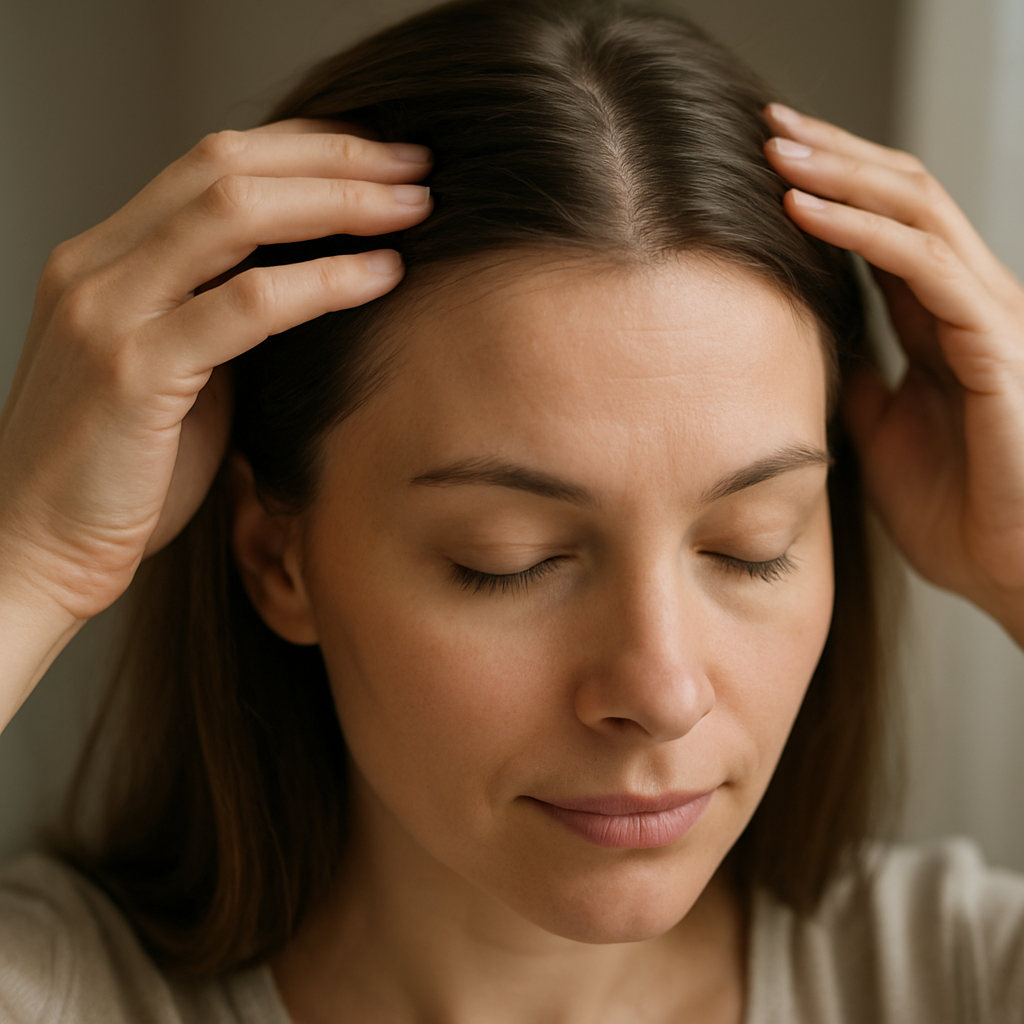
First thing we do at Julian Jay is ask you to pause and listen to your scalp. Does it feel tight after a shower? Is there a tingle when you run your fingers through your hair? Those little sensations are clues, like footprints in the sand pointing to the source.
Hormonal shifts
For many women, the biggest culprit is hormonal fluctuation – think postpartum, menopause, or even the stress‑hormone cortisol spikes that come with a hectic lifestyle. When hormones are out of sync, the hair growth cycle gets disrupted and you notice thinning in the crown or along the part.
We’ve seen clients who started a gentle rosemary‑peppermint rinse and, within weeks, felt a subtle balance returning. It’s not a miracle, but it nudges the follicle back into a healthier rhythm.
Nutrition gaps
Iron, zinc, and biotin are the unsung heroes of hair health. If you’re skimping on leafy greens, nuts, or eggs, your follicles might be starving. A quick blood test can reveal hidden deficiencies – and that’s where a natural hair loss cure for women starts to make sense.
One of our favourite starter kits even includes a nutrient‑rich conditioner that delivers those minerals straight to the scalp. You can read more about why that matters on our Understanding Hair Loss: Causes and Solutions page.
Scalp environment
Ever notice dandruff or an itchy scalp right before you see more strands on your pillow? An imbalanced scalp microbiome can block follicles, much like weeds choking a garden.
Regular, gentle exfoliation and a sulfate‑free shampoo can clear the way. If you’re curious about the science behind it, check out this practical guide on natural remedies for hair health.
So, how do you actually pinpoint the cause? Grab a notebook and answer these three quick questions each morning for a week:
- What did I eat yesterday?
- Did I feel unusually stressed or fatigued?
- How did my scalp feel after my routine?
Look for patterns – maybe you’re low on iron on Mondays, or stress spikes on Thursdays. Those patterns are the breadcrumbs leading you to the right solution.
Once you’ve gathered a handful of clues, it’s time to test one variable at a time. Swap out your regular shampoo for a gentle, botanical formula for two weeks, then re‑introduce your favourite styling product and watch what changes.
Want to see a quick visual walkthrough of how to assess your scalp? Below is a short video that walks you through a simple self‑check.
After you’ve watched the video, give your scalp a gentle massage for a minute – it boosts circulation and helps you feel any tender spots.
And remember, a healthy scalp isn’t just about what you put on it. Your overall well‑being plays a massive role. A quick walk, a balanced breakfast, and a bit of mindfulness can all tip the scales toward regrowth.
For those who like to pair hair health with overall fitness, you might appreciate the gear over at FitCore Supply. Their recovery tools can keep your body in sync, which in turn supports a thriving scalp.
When you finally spot the underlying cause – be it hormones, nutrition, or scalp health – you can choose a natural hair loss cure for women that directly addresses that issue, rather than throwing a generic product at the problem.
Take the first step today: jot down those three questions, watch the video, and try one small change. You’ll be amazed at how quickly the puzzle starts to fit together.
Step 2: Optimise Nutrition for Hair Growth
Ever caught yourself staring at the fridge and wondering if that slice of toast is really doing anything for your strands? You're not alone – the link between what we eat and a natural hair loss cure for women is stronger than most of us admit.
In our experience at Julian Jay, the first thing we look at is whether the basics are covered: iron, vitamin D, and vitamin C. These three nutrients show up time and again in the research, and they’re relatively easy to tweak in everyday meals.
Iron – the silent thiner
Iron helps carry oxygen to every cell, including the hair follicle. Women of reproductive age often fall short of the 18 mg daily recommendation. A quick test is to ask yourself: do you feel unusually tired after a workout, or have you noticed your nails turning brittle?
If the answer is yes, try adding a handful of spinach to your morning smoothie, a serving of lean beef at dinner, or a lentil stew a few times a week. Pair iron‑rich foods with a source of vitamin C – a squeeze of lemon on your salad or a side of bell peppers – to boost absorption.
Vitamin D – sunshine in a bottle
Living in cloudy climates can leave your skin craving the sunlight vitamin D provides. Low levels have been linked to slower hair growth cycles. The ISHRS nutrition and vitamins guide recommends aiming for 2,000–5,000 IU daily, especially during winter months.
Simple ways to up your intake: enjoy fortified oat milk at breakfast, snack on sardines, or consider a modest supplement after checking your blood levels with a doctor.
Vitamin C – the antioxidant sidekick
Beyond supporting iron absorption, vitamin C is a powerful antioxidant that protects follicles from oxidative stress. Citrus fruits, strawberries, and broccoli are tasty options that won’t feel like a chore.
Try a colourful fruit salad for dessert, or toss some red capsicum into a stir‑fry. It’s a small habit that adds up.
Putting it together – a three‑day starter plan
- Day 1: Breakfast – fortified yoghurt with berries and a sprinkle of pumpkin seeds. Lunch – mixed greens with grilled chicken, spinach, and orange slices. Dinner – baked salmon, quinoa, and steamed broccoli.
- Day 2: Breakfast – oat‑milk smoothie (banana, kale, lemon juice). Lunch – lentil soup with a side of whole‑grain toast. Dinner – beef stir‑fry with bell peppers, served over brown rice.
- Day 3: Breakfast – scrambled eggs with mushrooms and a side of grapefruit. Lunch – quinoa salad with chickpeas, cherry tomatoes, and a drizzle of olive oil. Dinner – roasted turkey, sweet potato, and a mixed vegetable medley.
Notice how each meal sneaks in at least one of the key nutrients? That’s the trick – you don’t need a fancy supplement regimen, just a bit of planning.
But what if you’re already juggling a hectic schedule? No worries. The next tip is about timing and simplicity.
Snack smart, not hard
Keep a small stash of almonds, dried apricots, or a single‑serve packet of fortified cereal at your desk. These bite‑size options deliver zinc and vitamin E, which, while not miracle workers, help keep the scalp environment balanced.
And remember, consistency beats intensity. Your hair grows roughly a millimetre a day, so the benefits of better nutrition will surface gradually. Give yourself three months before you expect a visible difference, and track progress with photos instead of the bathroom mirror.
Now, let’s bring a little visual aid into the mix.
After you’ve watched the short video, try swapping one snack a day for a nutrient‑dense alternative. Notice any changes in energy levels? Those are the early signs that your follicles are getting the fuel they need.
Finally, if you ever feel unsure about your nutrient status, a simple blood test can pinpoint gaps. From there, you can fine‑tune your plate or add a targeted supplement under professional guidance.
Bottom line: Optimising nutrition isn’t about a dramatic diet overhaul; it’s about nudging the essentials into your daily routine. When those basics are covered, the natural hair loss cure for women you’ve been searching for becomes a realistic, sustainable reality.
Step 3: Adopt a Scalp Care Routine
Alright, you've sorted the basics of nutrition, now it's time to turn your attention to the real estate where hair actually grows – the scalp.
Think of your scalp like the soil in a garden. If the soil is compacted, dry, or clogged with weeds, even the best seeds will struggle to sprout.
A gentle, consistent scalp care routine does three things: it removes excess sebum, it balances the microbiome, and it encourages blood flow to the follicle base.
Cleanse without stripping
Start with a sulphate‑free shampoo that lathers lightly and rinses clean. In our experience, a mild cleanser used two to three times a week is enough to keep buildup at bay without washing away the natural oils that protect the skin.
If you have a particularly oily scalp, try a once‑daily scalp rinse made from diluted apple‑cider vinegar (one part vinegar to four parts water). It works like a gentle acid wash, restoring pH and loosening dead cells.
Does that sound a bit odd?
Massage to boost circulation
After you’ve rinsed, spend 60 seconds massaging the roots with your fingertips. Use circular motions, moving from the hairline down to the nape. This simple step signals the blood vessels to open up, delivering oxygen and nutrients right where they’re needed.
You don’t need fancy tools – a silicone scalp brush or even a clean soft‑bristled toothbrush works just fine. The key is consistency; do it every shower, or at least three times a week if you’re short on time.
Wondering if a massage really makes a difference?
Add a nourishing scalp treatment
While the shampoo cleans, a lightweight serum or oil can seal in moisture and introduce active botanicals. Look for ingredients like rosemary, peppermint, or tea tree – they’re known to stimulate micro‑circulation and have mild antimicrobial properties.
A few drops applied to the scalp after washing, then gently massaged in, can feel surprisingly soothing. If you prefer a leave‑in spray, choose one that’s alcohol‑free to avoid drying out the skin.
What if you’re worried about greasiness?
Just use a pea‑sized amount for the top half of your head and focus on the thinning zones. The rest of your hair can be styled as usual; the product is absorbed quickly and won’t leave a residue.
Exfoliate once a week
Just like garden soil benefits from occasional tilling, your scalp enjoys a gentle scrub now and then. A DIY scrub of finely ground oatmeal mixed with a splash of honey creates a mild abrasive that lifts dead skin without irritating sensitive follicles.
Apply the mix, massage for 30 seconds, then rinse with lukewarm water. You’ll notice a fresh, tingling sensation – that’s the increased circulation kicking in.
Sounds messy?
If you’d rather skip the DIY route, many natural hair care brands offer a once‑weekly exfoliating shampoo. The rule of thumb is to limit it to once per week; over‑exfoliating can strip the protective barrier.
Protect and hydrate
Finally, think about protection the same way you’d protect a lawn from harsh weather. A light, silicone‑free leave‑in conditioner or a scalp‑specific hydrating mist can keep the skin supple, especially during the colder months when indoor heating dries everything out.
Apply the mist after your scalp treatment, and let it air‑dry before you style. This habit reduces itching and flakiness, which are common triggers for further hair loss.
Putting it all together, a simple routine looks like this: cleanse gently 2‑3 times a week, massage the roots daily, add a botanical serum after each wash, exfoliate once weekly, and finish with a hydrating mist as needed. Stick to the plan for at least six weeks, and you’ll start to notice a calmer scalp, less shedding, and a subtle boost in density – the kind of natural hair loss cure for women that feels more like self‑care than a medical regimen.
Step 4: Use Proven Natural Treatments
So you've built a solid foundation with nutrition and scalp care – now it's time to bring in the proven natural treatments that actually move the needle for a natural hair loss cure for women.
Pick botanicals that talk to your follicles
Ever notice how a whiff of rosemary can make you feel more alert? That same aromatic compound, cineole, also stimulates micro‑circulation around the hair follicle. In our experience, a lightweight rosemary‑peppermint serum applied after washing can give that gentle tingling you associate with a good scalp massage, without any harsh chemicals.
What if you’re not a fan of strong scents? Tea tree oil is another favourite – its antifungal properties keep the scalp environment balanced, which is crucial when you’re trying to stop shedding.
Layer your act with a gentle, active shampoo
Most women think “shampoo = cleaning”. But a biotin‑infused, sulphate‑free shampoo does more than lather away dirt – it delivers a daily dose of the B‑vitamin that supports keratin production. Use it two to three times a week and you’ll notice less breakage and a softer feel.
Does that sound like a lot of products? Not really. The trick is to keep each step simple and let them complement one another.
Seal the routine with a growth‑boosting mist
A light, alcohol‑free mist spritzed after your serum adds moisture and locks in the actives. Look for ingredients like panthenol or hyaluronic acid – they attract water, keeping the scalp supple even in winter’s dry air.
Can you remember the last time you felt a refreshing mist on your scalp? It’s a tiny ritual that turns a regular wash into a self‑care moment, and those tiny moments add up.
Quick checklist before you start
- Choose a serum with at least 2% rosemary extract and 1% peppermint oil.
- Pick a sulphate‑free shampoo that lists biotin in the first three ingredients.
- Make sure your mist is alcohol‑free and contains panthenol or hyaluronic acid.
- Apply serum to damp hair, follow with mist, and let air‑dry before styling.
Add a targeted oil boost
If you enjoy the feel of oil on your scalp, a once‑daily drop of rosemary‑infused jojoba oil can work wonders. Jojoba mimics the scalp’s natural sebum, so it won’t leave your hair greasy. Warm the oil between your palms, then massage a few drops into the thinning zones before bed. Overnight, the oil seeps in, delivering the botanicals straight to the follicle while you sleep – the ultimate “set it and forget it” move.
Timing and layering tips
Stacking the products in the right order makes a big difference. Start with the shampoo, rinse, then apply the serum while your hair is still damp – that’s when the skin absorbs best. Follow with the mist, and only after it’s dry can you style with heat tools. If you’re using a night‑oil, keep it as the final step before you hit the pillow.
Sounds doable? Absolutely. The key is consistency – you won’t see a miracle overnight, but six weeks of this routine usually brings a noticeable calm to the scalp and a subtle density boost.
| Treatment | Key Natural Ingredient | How to Use |
|---|---|---|
| Rosemary‑Peppermint Serum | Rosemary extract, Peppermint oil | Apply 2–3 drops to damp scalp, massage for 60 seconds, don’t rinse. |
| Tea Tree Scalp Scrub | Tea tree oil, Oatmeal | Mix with water, scrub gently once weekly, rinse thoroughly. |
| Biotin‑Infused Shampoo | Biotin (Vitamin B7) | Massage into wet hair 2‑3 times a week, rinse with lukewarm water. |
And there you have it – a no‑nonsense, natural hair loss cure for women that fits into the routine you already live. Grab the ingredients, follow the steps, and let nature do the heavy lifting. Your hair will thank you, and you’ll finally feel like you’ve cracked the code without ever stepping into a clinic.
Step 5: Lifestyle Changes for Hair Health
You've already fine‑tuned your diet and scalp routine, so now it's time to look at the bigger picture – the everyday habits that silently shape the health of your hair.
Stress: the hidden hair‑thief
Ever notice a sudden increase in shedding after a hectic week at work? That's not a coincidence. Chronic stress pushes more hairs into the resting phase, and the follicles struggle to bounce back.
What we’ve seen in practice lines up with what Mayo Clinic explains about stress‑induced hair loss. The simple truth is: calm your mind, and you give your scalp a chance to reset.
Start with a 5‑minute breath‑pause each morning. Inhale deep through the nose, hold for three counts, exhale slowly. Do it before you even brush your teeth – it signals your nervous system to hit the brakes.
Sleep: the overnight repair crew
Think of sleep as the night‑shift crew that rebuilds everything from skin cells to hair follicles. Aim for 7–9 hours of uninterrupted rest. If you’re a night‑owl, try shifting bedtime by 15 minutes each night until you land in that sweet spot.
Keep screens out of the bedroom, and swap your pillowcase for a silk one – it reduces friction and keeps the scalp from drying out while you snooze.
Movement matters, but not the wrong way
Gentle cardio – a brisk walk, yoga, or cycling – boosts circulation, delivering oxygen and nutrients straight to the hair roots. Avoid high‑intensity workouts that leave you drenched in sweat and then immediately wrap your hair in a tight towel.
After a workout, rinse with lukewarm water and give your scalp a quick massage. Those few seconds are enough to signal blood flow without stripping away natural oils.
Smoking, alcohol, and other culprits
Both smoking and excessive alcohol shrink blood vessels, meaning less oxygen reaches the follicles. If you light up, try cutting back by one cigarette a day for a week, then reassess. For alcohol, stick to a moderate glass of wine or a spritz of spirits on weekends rather than nightly pours.
Replacing those habits with herbal tea or infused water not only hydrates but also supplies antioxidants that protect the scalp from oxidative stress.
Hydration: water as the ultimate carrier
Your hair is about 25 % protein, but the surrounding cells are mostly water. Dehydration makes the scalp dry, leading to itchiness and breakage. Aim for at least eight glasses a day, and sprinkle in electrolyte‑rich drinks if you exercise heavily.
A quick trick: keep a reusable bottle on your desk and set a timer to take a sip every hour. Before you know it, you’ll have met your daily quota without even thinking about it.
Environmental awareness
Hard water, chlorine pools, and harsh wind can all strip the scalp of its natural lipids. If you shower in an area with hard water, consider a shower filter; it’s a cheap upgrade that makes a noticeable difference.
When you’re out on a windy day, protect your hair with a loose braid or a soft scarf. It’s not about hiding your style, just about giving the follicles a buffer against abrasive elements.
Now, let’s pull everything together into a bite‑size checklist you can glance at each morning.
- Take a 5‑minute mindful breathing session.
- Secure 7–9 hours of sleep; use silk pillowcase.
- Do 20‑minutes of low‑impact cardio, followed by a scalp massage.
- Limit cigarettes and keep alcohol to moderate weekend occasions.
- Drink at least eight glasses of water; set hourly reminders.
- Install a shower filter if water feels “hard”; protect hair from wind with a loose braid.
Stick to these habits for a month, and you’ll likely notice less shedding, a calmer scalp, and a subtle lift in density – the kind of natural hair loss cure for women that feels like a lifestyle, not a quick fix.

Step 6: Monitor Progress & Adjust
Alright, you’ve set the routine, stocked the natural products and started caring for your scalp. Now comes the part most people skip – actually watching what happens and tweaking as you go.
Why tracking matters
Hair grows slowly, about a centimetre a month, so you won’t see dramatic change overnight. By logging tiny shifts – fewer strands on your pillow, a calmer scalp, a subtle bounce in density – you give yourself proof that the natural hair loss cure for women is working.
Choose a simple tracking method
Grab a notebook, a phone note, or a free spreadsheet. Create three columns: Date, Observation, Action.
- Date – write the day you take the photo or count.
- Observation – note things like “3‑4 strands on pillow”, “scalp feels less itchy”, “hair feels thicker when combed”.
- Action – record any change you made that day, for example “added rosemary serum” or “skipped heat styling”.
This three‑column habit takes less than two minutes each evening and becomes a visual timeline of progress.
Take baseline photos
Pick a well‑lit spot, use the same angle and lighting each time. Snap a picture of the crown, the part and the back of your head. Even a tiny improvement will look clearer when the images line up side by side.
Don’t obsess over perfection – the goal is to see a trend, not a perfect model‑shoot result.
Set realistic checkpoints
Give yourself a four‑week checkpoint to review the data. Ask yourself: “Did I shed less than a week ago? Did the scalp feel less tight?” If the answer is “yes, a little,” keep the routine.
If you’re seeing no change, consider what might be holding you back. Maybe you’re still using a harsh shampoo twice a day, or you’ve slipped on the hydration habit.
Adjusting the routine
When you spot a stall, pick one variable to tweak – not the whole regimen. For example, add an extra scalp massage on the days you only wash, or switch to a silk pillowcase if friction seems to cause breakage.
Track that tweak for another two weeks before deciding if it helped. Small, measured changes prevent overwhelm and make it easier to pinpoint what truly works.
Common adjustments you might try
- Increase rosemary‑peppermint serum to twice daily if shedding is still noticeable.
- Swap your regular conditioner for a lightweight, silicone‑free mist during winter.
- Add a 5‑minute evening breathing exercise if stress spikes are evident in your log.
- Raise water intake by one glass if the scalp feels dry.
When to celebrate
After about 12 weeks of consistent tracking, you should have enough data to spot a clear upward trend. Celebrate the win – even a reduction of one stray hair per day is a victory for a natural hair loss cure for women.
Take a moment to update your “before” photo, share the progress with a friend, or write a short note to yourself. Positive reinforcement keeps the habit alive.
Keeping the momentum
Once you’ve nailed a routine that shows results, embed it into your lifestyle. Treat the tracking sheet like a habit tracker for any other goal – once it feels automatic, you’ll barely think about it.
And remember, hair health is a marathon, not a sprint. The occasional plateau is normal; the key is to stay curious, keep the data flowing, and adjust with intention.
Ready to put the monitor in place? Grab that notebook, snap your first photo, and start noting. You’ll soon see how a thoughtful, data‑driven approach turns a natural hair loss cure for women from theory into everyday confidence.
FAQ
What exactly is a natural hair loss cure for women and how does it differ from medical treatments?
In plain terms, a natural hair loss cure for women relies on botanical extracts, vitamins and lifestyle tweaks rather than prescription drugs or surgical procedures. Think of it as feeding the scalp the nutrients it’s missing, instead of forcing a chemical shortcut.
Medical options often target hormones or block DHT, which can carry side‑effects. Natural approaches aim to balance the environment around each follicle, so the hair can grow at its own pace. The result is usually slower, but many find it gentler and sustainable for the long run.
Can I expect real results using only natural ingredients, and how long does it take?
Absolutely – we’ve seen women notice less shedding and a bit more density after a few weeks, but the timeline varies. Hair grows roughly one centimetre a month, so visible changes typically appear after 8‑12 weeks of consistent use.
Patience is key. If you stick to a routine that includes a rosemary‑peppermint serum, a biotin‑rich shampoo and a nutrient‑dense diet, you’ll start to feel the scalp calm within a month, and the strands will slowly thicken after the first quarter.
Which ingredients are proven to support hair growth naturally?
There are a handful of botanicals that repeatedly show up in research and in our own client feedback. Rosemary extract stimulates micro‑circulation, peppermint adds a tingling boost, and tea tree keeps the scalp microbiome balanced. Biotin, iron and vitamin D are the nutritional cornerstones – they act like fuel for the follicles.
When you combine these in a serum, shampoo or daily supplement, you’re essentially giving the hair‑growth cycle all the tools it needs to move from the resting phase into active growth.
How should I combine a natural hair loss cure with my existing hair‑care routine?
Start by simplifying. Use a sulphate‑free shampoo no more than three times a week, then apply a few drops of rosemary‑peppermint serum to a damp scalp. Follow with a lightweight, silicone‑free mist if your hair feels dry.
Leave your regular conditioner for the ends only, and avoid heat styling on the days you treat the scalp. The idea is to keep the scalp breathable while still giving the hair the moisture it craves.
Are there any side effects or risks with natural hair loss cures?
Natural doesn’t automatically mean risk‑free, but the profile is far milder than prescription drugs. Some people experience mild scalp tingling from peppermint or a brief increase in shedding as older hairs make way for new growth – that’s normal.
If you have a known allergy to any essential oil, do a patch test first. And, as with any supplement, checking iron or vitamin D levels with a healthcare professional ensures you’re not over‑supplementing.
How do I track progress to know if the natural approach is working?
Grab a simple notebook or a phone note and record three things each night: number of strands on your pillow, scalp sensation (itchy, tight, calm) and any product changes you made. Take baseline photos in the same lighting every four weeks.
When the daily strand count drops even by one or two and the scalp feels less itchy, you’ve got evidence that the natural cure is kicking in. Small wins add up, so celebrate each improvement.
What’s the role of lifestyle habits in a natural hair loss cure for women?
Lifestyle is the foundation. Stress, sleep, hydration and diet all dictate how well the scalp can respond to natural treatments. A five‑minute breathing exercise each morning, eight glasses of water, and a balanced iron‑rich diet create the optimal environment for the botanicals to work.
Think of it like gardening: you can sprinkle the best fertilizer, but if the soil is dry or the sun never shines, nothing will sprout. Aligning habits with the natural cure turns a hopeful experiment into a reliable routine.
Conclusion
We've come a long way from the first question about tracking strands to a full‑scale routine that blends nutrition, scalp care, lifestyle and proven botanicals.
At its heart, a natural hair loss cure for women is nothing more than creating the right environment for each follicle to thrive – iron‑rich meals, gentle cleansing, a rosemary‑peppermint serum and a few minutes of mindful breathing each day.
In our experience, the smallest consistent changes often out‑perform the biggest occasional over‑hauls. You don’t need to overhaul every product in your cabinet; start with one or two tweaks and watch the data in your notebook shift.
So, what’s the next step? Grab that tracking sheet, snap a before photo, and add a single botanical serum to your post‑shower routine. Stick with it for four weeks, then reassess what’s moving in the right direction.
If you find the routine clicking, consider expanding to the full Julian Jay kit that bundles the shampoo, serum and mist we’ve mentioned throughout the guide – it’s designed to keep the cycle simple and effective.
Remember, hair health is a marathon, not a sprint. Celebrate the tiny victories – a strand fewer on your pillow, a scalp that feels calmer – and let those wins fuel the habit.
Ready to turn curiosity into confidence? Your natural hair loss cure for women journey starts now, one mindful choice at a time.