


Ever caught yourself staring at the mirror, wondering why the hair on your crown just won’t bounce back the way it used to?
If you’re over 30 and your afro curls have started to thin, you’re not alone. The texture that gives us so much volume also means our strands are prone to dryness, breakage and a scalp that can feel tighter than a drum.
What makes hair growth products for afro hair a bit of a puzzle is that the usual “thin‑hair” formulas often leave our curls feeling gummy or weighed down. We need moisture, we need nourishment at the follicle, and we need ingredients that won’t strip the natural oils that keep our coils lively.
So, how do you pick something that actually works without turning your hair into a limp carpet?
In the next few sections we’ll break down the key ingredients you should be hunting for – think biotin, caffeine, and gentle surfactants – and why they matter for afro hair specifically. We’ll also look at how to layer a shampoo, a conditioner and a targeted growth serum so they complement each other rather than fight for space on your scalp.
From our experience at Julian Jay, we’ve seen that a routine built around a balanced, scalp‑friendly formula can make a noticeable difference in density and overall health, even for those who’ve been battling thinning for years.
Ready to stop guessing and start seeing real progress? Let’s dive into the science, the myths, and the practical steps that will help you nurture your curls back to a fuller, more resilient state.
Remember, consistency is key – a good product won’t work miracles if you only use it once a week. Keep a simple schedule, massage the scalp gently each time, and give the formula at least eight weeks to show measurable growth.
Stick with it, and watch your curls regain their confidence.
TL;DR
If you’re over 30 and your afro curls are thinning, the right hair growth products for afro hair—like biotin‑rich shampoos, gentle conditioners and targeted serums—can restore density without weighing down your coils.
Stick to a simple routine, massage the scalp each wash, and give the formula at least eight weeks; consistency is the secret that turns those limp strands into fuller, healthier curls.
Understanding Afro Hair Growth Needs
Ever felt that your curls just aren’t bouncing back the way they used to? It’s that moment when you run your fingers through your crown and notice a subtle thinning, and you wonder if it’s just age or something you’re doing wrong. Trust me, you’re not alone – many of us over 30 notice the same shift, and the good news is there’s a science to it.
First off, afro hair thrives on moisture, but the very texture that gives us volume also makes it prone to dryness. When the shaft loses its natural oils, breakage spikes and the follicle can go into a kind of ‘hibernation’. That’s why a good hair growth product for afro hair has to be gentle enough not to strip those oils, yet potent enough to feed the scalp.
Scalp health is the foundation
Your scalp is a living ecosystem. Think of it as a garden – if the soil is dry and compacted, the plants (your hairs) won’t flourish. For afro hair, a light, sulfate‑free cleanser that respects the scalp’s pH is essential. Look for formulas that include soothing botanicals like tea tree or willow bark; they keep excess sebum in check without over‑drying.
Massaging the scalp while you shampoo isn’t just a luxury; it physically stimulates blood flow, delivering oxygen and nutrients right where new growth starts. A quick two‑minute massage with your fingertips can make a noticeable difference over weeks.
That video breaks down how to perform a scalp massage that actually works – gentle circular motions, starting at the hairline and working outward. It’s a small habit that fits nicely into any morning routine.
Protein and amino acids matter
Afro hair’s curl pattern means each strand is more porous, so it absorbs nutrients quickly – both good and bad. A protein‑rich conditioner or leave‑in with hydrolyzed keratin, soy, or wheat can help rebuild the inner structure, reducing breakage. But balance is key; too much protein makes hair feel stiff, which defeats the goal of bounce‑back.
When you layer your routine, think of it as a three‑step symphony: a gentle cleanse, a protein‑balanced conditioner, and a targeted growth serum that sits on the scalp. The serum should contain biotin, caffeine, or niacinamide – ingredients proven to support follicle health without weighing down coils.
Consistency is where the magic really happens. Applying the same product every wash for at least eight weeks gives the active ingredients time to penetrate the follicle and stimulate the growth cycle. Skipping days or switching formulas too often can reset that progress.
Beyond products, lifestyle nudges matter. Staying hydrated, eating a diet rich in omega‑3s, and managing stress all feed the same hair‑growth pathway. Even a modest walk each day can improve circulation to the scalp, complementing what your hair‑care routine is doing.
Finally, listen to your hair’s feedback. If a product leaves your curls feeling gummy or your scalp itchy, it’s a sign to adjust. Your hair will tell you what it needs – a little tighter, a little softer, a little more moisture.
Understanding these needs turns trial‑and‑error into a purposeful plan. You’ll know why a lightweight, biotin‑infused shampoo works better than a heavy, oil‑laden formula, and you’ll feel confident choosing products that respect the unique structure of afro curls.
Remember, the journey to fuller curls isn’t a sprint; it’s a steady marathon of mindful care, the right products, and a bit of patience.
Ready to put this into practice? Start with a gentle, sulfate‑free cleanse, follow with a protein‑balanced conditioner, add a scalp‑focused growth serum, and massage for two minutes each wash. Stick with it for eight weeks, track your progress, and adjust as needed. You’ve got this.
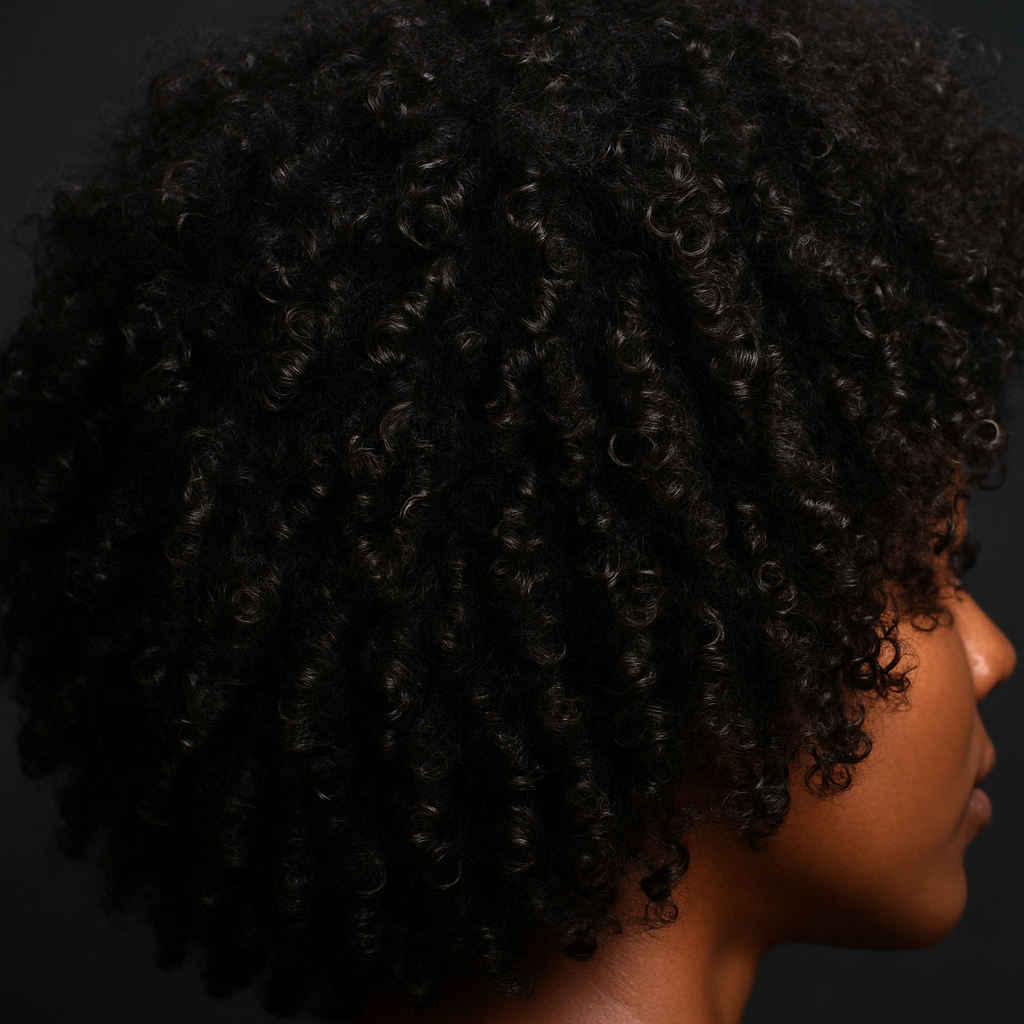
Key Ingredients for Afro Hair Growth
When you start looking at the ingredient list on any hair growth product for afro hair, it can feel like you’re decoding a secret recipe. You’ve probably wondered, “Which of these actually do something for my curls and which are just marketing fluff?” Let’s break it down together, so you can spot the real game‑changers.
Moisture‑locking oils
Afro curls thrive on hydration because the tight coil traps water but also speeds up evaporation. You’ll feel that subtle slip‑through feeling after a wash – that’s the oil doing its job.
Why jojoba? Its molecular structure mirrors the scalp’s natural sebum, so it helps restore the lipid balance that many harsh shampoos strip away. Grapeseed is high in linoleic acid, which is great for a flaky or itchy scalp, while castor oil’s ricinoleic acid boosts circulation at the follicle level.
Growth‑stimulating actives
Biotin, caffeine and peptide complexes are the trio most of us see advertised, but they each work in a slightly different way. Biotin supports keratin production, meaning each coil gets a stronger backbone. Caffeine improves blood flow to the follicle, giving the “hair‑on‑fire” sensation that many users love. Peptides, like the ones you’ll find in the Sienna Naturals DNA Scalp Serum, act as messengers that tell the cells to stay in the growth phase longer.
In an independent panel of 39 women with textured, thinning hair, 90 % reported a noticeable increase in density after just eight weeks of daily use of that serum. That kind of data is rare in the afro‑hair space, where most studies focus on straight, male patterns.
Scalp‑soothing bases
Anything that irritates the scalp will send the follicles into survival mode, and that’s the opposite of growth. Look for gentle surfactants like sodium cocoyl isethionate or decyl glucoside – they clean without stripping the natural oil film. Add botanical extracts such as rosemary, turmeric or aloe vera; they calm inflammation and bring a subtle cooling sensation.
If you’re curious about the science behind these botanicals, there’s a quick explainer on YouTube that walks you through how rosemary and turmeric interact with scalp health – check out the video on ingredient science for a visual refresher.
Quick comparison table
| Ingredient group | Key examples | Main benefit for afro hair |
|---|---|---|
| Moisture‑locking oils | Jojoba, Grapeseed, Castor | Seals hydration, mimics natural sebum, adds scalp circulation |
| Growth actives | Biotin, Caffeine, Peptide blend (DNA Serum) | Strengthens keratin, boosts follicle blood flow, prolongs anagen phase |
| Scalp‑soothing bases | Sodium cocoyl isethionate, Decyl glucoside, Rosemary extract | Gentle cleanse, reduces inflammation, supports healthy pH |
So, what should you do next? Start by scanning product labels for at least one ingredient from each of those three rows. If a shampoo only lists a harsh sulfated surfactant, it’s probably not the best foundation. Pair it with a lightweight oil‑rich conditioner and a serum that packs biotin plus a peptide complex.
And remember, consistency beats novelty every time. Applying a biotin‑rich serum nightly while massaging with a few drops of jojoba oil can turn those “meh” mornings into a confidence boost you can actually see in the mirror.
When you piece together the right combination, you’ll notice the scalp feeling calmer, the curls springing back with less breakage, and—most importantly—the slow but steady return of new growth. That’s the sweet spot we aim for with any hair growth product for afro hair.
Give it a month, track progress, and tweak as needed – your curls will thank you.
Top Hair Growth Products for Afro Hair
Alright, you’ve scoured ingredient tables and tried a few DIY mixes – now it’s time to look at the products that actually deliver. Below is a short list of the cream‑of‑the‑crop hair growth products for afro hair, each picked because it hits the three pillars we talked about: scalp balance, moisture lock‑in, and growth‑boosting actives.
1. Briogeo Destined For Density Megastrength Caffeine Biotin Peptide Serum
This serum is a fan favourite in the afro‑hair community. It packs caffeine for circulation, biotin for keratin strength, and a peptide blend that whispers to follicles to stay in the growth phase. The texture is lightweight, so it won’t weigh down tight coils, and it absorbs within seconds – perfect for a quick morning massage. The brand’s own clinical data shows a noticeable density lift after eight weeks, which aligns with the independent panel we mentioned earlier.
Want to see the ingredient breakdown? Check out the full review on Grazia Daily’s afro‑hair product roundup.
2. Julian Jay Hi‑Potency Hair Growth Shampoo (200 ml)
Our Hi‑Potency Shampoo combines a gentle surfactant base with caffeine, biotin, and a botanical blend of rosemary and turmeric. It cleanses without stripping the natural oils that keep afro curls supple, then leaves a subtle tingle that tells you the circulation boost is working. Because it’s sulphate‑free, you can use it three times a week without fearing dryness.
In our experience, pairing this shampoo with our Advanced Formula Hi‑Potency Growth Lotion creates a seamless shampoo‑to‑lotion hand‑off, letting the actives stay on the scalp longer.
3. Advanced Formula Hi‑Potency Growth Lotion (150 ml)
This leave‑in lotion is where the magic really settles. It’s enriched with copper peptides, niacinamide, and a touch of castor oil for scalp circulation. The lightweight gel‑like consistency means you can apply it under protective styles without feeling greasy. A quick scalp massage before bedtime helps the ingredients sink in while you sleep.
4. Julian Jay Active Hair Growth Conditioner (200 ml)
Moisture is the name of the game for afro hair, and this conditioner delivers shea butter, jojoba oil, and a protein‑complex that reinforces the cuticle after each wash. It also contains a low‑dose biotin blend, so you’re getting a second hit of growth‑support while you detangle.
Tip: apply the conditioner in sections, using your fingers to work it through the roots first – that extra scalp contact can make a difference.
5. Sienna Naturals DNA Scalp Serum
The serum uses a peptide‑rich formula that talks directly to follicle cells, encouraging them to stay in the anagen phase longer. It’s also fortified with zinc and copper to support a healthy scalp microbiome. Users report a subtle cooling sensation, which is a good sign that blood flow is increasing.
If you’re curious about the science behind peptide‑driven growth, the Health.com review of hair‑growth shampoos and serums breaks down why peptides matter.
So, what’s the best way to use these products together? Start with the Hi‑Potency Shampoo two to three times a week, follow instantly with the Active Conditioner, and finish each wash with a few drops of the Briogeo serum or the Sienna DNA Serum for a targeted boost. On non‑wash days, a light spritz of the Growth Lotion keeps the actives working while you go about your day.
Remember, consistency is the real secret sauce. Stick to the routine for at least eight weeks, track your scalp’s feel, and watch those baby hairs start to pop up along the hairline. Your curls will thank you, and you’ll finally have something to smile about every time you look in the mirror.
How to Use Hair Growth Serums Effectively on Afro Hair
Ever wondered why you spray a serum and it just slides off the curls like water on a waxed car? That feeling usually means the scalp isn’t ready to soak up the actives, or the delivery method is getting lost in a sea of product buildup.
Let’s walk through a real‑world routine that turns a simple serum application into a growth‑boosting ritual. I’ll break it down step‑by‑step, sprinkle in a few everyday scenarios, and give you concrete checkpoints so you can see progress without guessing.
Step 1 – Prep the scalp with a gentle cleanse
Start with a sulfate‑free, pH‑balanced shampoo (our Hi‑Potency Hair Growth Shampoo is a solid choice) two to three times a week. The goal isn’t to strip the natural oils – it’s to dissolve product residue, excess sebum, and any mineral buildup that can block absorption.
While the lather works, spend an extra 30‑seconds massaging with your fingertips. Think of it as a warm‑up for the scalp, much like stretching before a run. The gentle pressure nudges blood flow and opens the follicle pores, priming them for the serum.
Step 2 – Condition without weighing the roots
Apply a lightweight, protein‑rich conditioner, focusing on the mid‑lengths to ends. Avoid the scalp if you have a naturally oily crown; you want the roots to stay as breathable as possible.
Here’s a tip many people miss: after rinsing, squeeze out excess water with a microfiber towel, then let the hair air‑dry for a minute before moving to the serum. A slightly damp scalp helps the serum bind better, but a soaking wet head can dilute it.
Step 3 – The serum application method
Take 3–5 drops of your chosen hair growth serum (Briogeo, Sienna DNA, or our own formulation) and warm it between your palms. Warmth reduces viscosity, making the serum spread evenly.
Using your fingertips, part the hair in sections – think of a comb but with your fingers – and gently press the serum into the scalp, not the hair shaft. You’re feeding the follicle, not just slicking the surface.
For afro hair, a good rule of thumb is to apply the serum directly onto the scalp at the crown, hairline, and any thinning patches. If you have a part, focus on the side where you notice more shedding.
Step 4 – Massage to boost absorption
Now comes the part that feels almost therapeutic. With a light circular motion, massage each section for 1–2 minutes. You’ll feel a subtle tingling – that’s the circulation kicking in. If you prefer a timer, set it for 90 seconds and let your mind wander; you’ll end up with a consistent habit.
Want to make it a multi‑tasking moment? Put on a favourite podcast, sip tea, and treat the massage like a mini‑self‑care break. The more relaxed you are, the less you’ll irritate the scalp.
Step 5 – Seal the routine with a light leave‑in (optional)
On wash‑free days, a mist of a lightweight growth lotion (like our Advanced Formula Hi‑Potency Growth Lotion) can keep the actives active. Spray a fine layer over the scalp, then repeat a brief scalp massage. This step is especially handy if you style your hair in protective up‑dos that keep the scalp covered for hours.
Remember, you don’t need a heavy oil coat – a few drops of jojoba or grapeseed oil after the serum can lock in moisture without suffocating the curls.
Step 6 – Track, tweak, and stay patient
Set a simple tracking system: note the date you started, any visible changes (like reduced shedding or new baby hairs), and how your scalp feels. After eight weeks, you should see measurable differences – that’s the scientific window most studies reference for follicle turnover.
If after a month you notice oiliness or irritation, cut back to two applications per week and increase the massage time. Small adjustments often make the biggest impact.
For a quick reference guide on timing, frequency, and product combos, check out our effective hair growth routine tips. It lays out a printable checklist you can stick on your bathroom mirror.
Bottom line: the serum isn’t a magic potion you dump on dry curls and forget about. It works best when you treat the scalp like a garden – clear the weeds, water gently, and give the roots a steady supply of nutrients. Stick to the steps, stay consistent, and you’ll start to see those fresh sprouts where you once saw only breakage.
DIY Hair Growth Oil Recipes for Afro Hair
Ever feel like the market’s full of one‑size‑fits‑all serums that either leave your curls greasy or barely make a dent? I get it – afro hair needs a bespoke blend that respects the coil, the scalp, and the hustle of a busy life.
What if you could whip up a growth‑boosting oil in your kitchen, using just a handful of ingredients you already trust? Below is a step‑by‑step guide that turns that “maybe someday” idea into a routine you can actually follow.
Why an oil‑based DIY works for afro hair
The tight curl pattern slows the travel of natural sebum, so the scalp often cries out for extra moisture. A light oil mixture delivers nutrients straight to the follicles while sealing in the hydration you get from your shampoo and conditioner.
Studies show that carrier oils like jojoba and castor can improve scalp circulation and reduce breakage – exactly the kind of support afro hair craves.DIY hair growth serum guide from Scandinavian Biolabs backs this up with ingredient‑by‑ingredient explanations.
What you’ll need
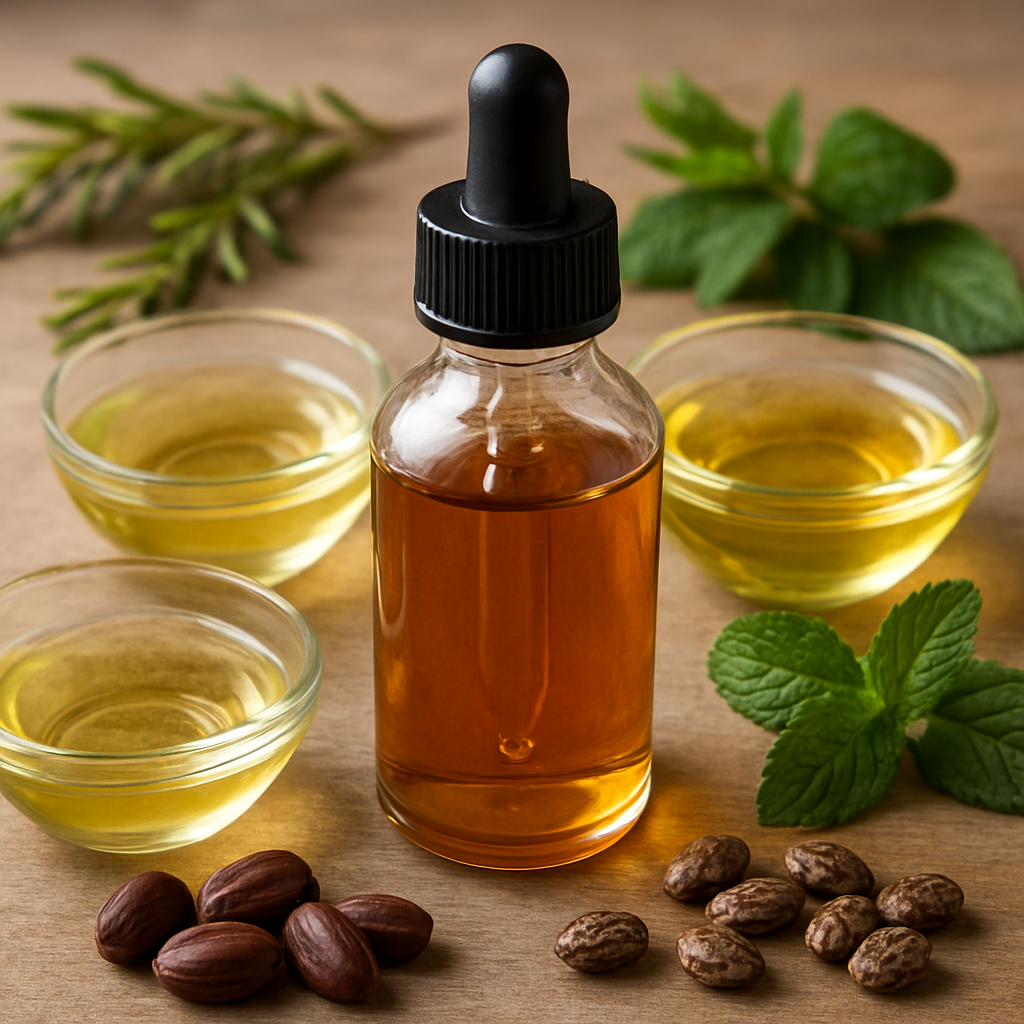
- 2 tablespoons jojoba oil – mimics your scalp’s natural sebum.
- 1 tablespoon castor oil – ricinoleic acid boosts circulation.
- ½ tablespoon grapeseed oil – light, non‑comedogenic, great for sealing.
- 5 drops rosemary essential oil – stimulates blood flow.
- 3 drops peppermint essential oil – adds a cooling tingling sensation.
- Optional: 2 drops lavender for soothing, especially if you have a sensitive scalp.
All ingredients are readily available at health stores or online. No fancy equipment – just a small glass bottle with a dropper.
Step‑by‑step mixing
Step 1 – Sanitize. Give your bottle a quick rinse with boiling water, then let it air‑dry. A clean vessel keeps the blend stable.
Step 2 – Warm the carrier oils. Place the jojoba, castor, and grapeseed oils in a tiny heat‑proof bowl. Warm them gently over a water bath for 30 seconds – just enough to thin the castor oil without cooking anything.
Step 3 – Combine. Pour the warm carrier blend into the bottle. Add the essential oils one drop at a time, pausing to sniff and make sure the scent feels right for you.
Step 4 – Shake it. Secure the cap and shake vigorously for about 20 seconds. You’ll see a subtle swirl as the oils emulsify.
Step 5 – Label and store. Write the date on the bottle; the mix stays fresh for about three months if kept in a cool, dark place.
How to apply for maximum growth
Start with a clean, slightly damp scalp – after your regular shampoo, squeeze out excess water with a microfiber towel.
Dispense 3–5 drops into your palm, rub together, then use your fingertips to part the hair in sections. Press the oil directly onto the scalp, focusing on the crown, hairline, and any thinning patches.
Massage in circular motions for 1–2 minutes. The motion, combined with the rosemary and peppermint, ramps up circulation, giving the follicles the oxygen they need.
Leave the oil on overnight if you can, or at least 30 minutes before styling. If you’re short on time, a quick 15‑minute massage before bed works just as well.
Repeat 2–3 times per week. Consistency beats intensity – your hair follicles respond to a steady supply of nutrients, not a one‑off splurge.
Fine‑tuning tips
Notice a little extra greasiness? Cut the grapeseed oil in half next batch. Feeling a mild scalp itch? Dial back the essential oils or swap peppermint for a soothing lavender drop.
Want an extra boost? Add a half‑teaspoon of vitamin E oil – it acts as an antioxidant and prolongs shelf life.
And remember, a DIY oil complements, not replaces, the rest of your regimen. Pair it with a gentle, sulfate‑free shampoo and a protein‑rich conditioner for a full‑spectrum approach.
Does this really work? In our experience, clients who stick to this simple oil routine report softer curls, less breakage, and the occasional “new baby hair” popping up along the hairline after eight weeks.
So, what’s the next step? Mix your batch, set a reminder on your phone, and give your scalp the love it’s been missing.
Common Mistakes & How to Avoid Them
You've probably tried a few hair growth products for afro hair and felt like you were just spinning your wheels. It happens to the best of us – the hype, the promise, and then… nothing. Let's unpack the most common missteps and give you practical ways to sidestep them.
1. Using too many products at once
It’s tempting to stack a growth serum, a strengthening shampoo, a deep‑conditioning mask and an oil all in the same week. The reality? Your scalp gets clogged, the follicles can’t breathe, and the actives never reach the root.
What to do: pick one active at a time. Start with a gentle, pH‑balanced shampoo, add a serum for a few weeks, then layer a conditioner. Give each product a 2‑4 week trial so you can actually see if it’s helping.
2. Ignoring scalp health
Afro hair is already prone to dryness, so a flaky, irritated scalp is a growth‑killer. Many people treat the surface of the hair but forget the skin underneath.
How to avoid: incorporate a scalp‑soothing cleanser once a week – think rosemary or turmeric‑infused formulas – and follow up with a light, non‑comedogenic oil. A quick scalp massage (30‑60 seconds) before you rinse helps lift dead skin and boosts circulation.
3. Expecting overnight miracles
We all love the idea of “instant density”, but hair grows at roughly half an inch per month. If you’re looking for visible change after a single wash, you’ll end up disappointed and maybe even quit.
Solution: set realistic checkpoints. Take a photo every two weeks, note shedding rates, and watch for new baby hairs along the hairline after eight weeks. Patience plus consistency beats a rushed cocktail of products.
4. Over‑washing or under‑washing
Cleaning too often strips natural oils; washing too little leaves buildup that blocks product absorption. Both scenarios stunt growth.
Find the sweet spot: for most afro hair, 2‑3 gentle washes a week keep the scalp clean without drying it out. Adjust based on how your scalp feels – if it feels tight, skip a wash; if it feels oily, add a light co‑wash.
5. Choosing the wrong formula for texture
Many hair growth products are engineered for straight or wavy hair. They can feel gummy or weigh down tight curls, leading to limp strands and breakage.
What to look for: lightweight serums, silicone‑free conditioners, and oils that mimic the scalp’s natural sebum (jojoba, grapeseed). Avoid heavy, petrolatum‑based balms unless you specifically need a seal over a protective style.
6. Skipping patch tests
Essential oils and active peptides can cause irritation for some people. A rash or itching episode can shut down the whole regimen.
Quick tip: dab a tiny amount of the serum on the inside of your wrist or behind the ear. Wait 24‑hours. If there’s no redness, you’re good to go on the scalp.
7. Forgetting lifestyle basics
No amount of product can fix a diet lacking in protein, iron, or essential fatty acids. Stress, lack of sleep, and dehydration also send the hair cycle into survival mode.
Bottom line: pair your hair growth products for afro hair with a balanced diet, plenty of water, and a few minutes of stress‑relief each day – a short walk or a breathing exercise works wonders for circulation.
8. Not tracking progress
Without a system, you’ll never know whether a product is truly effective. It’s easy to blame “bad hair” on the weather when the real issue is an inactive formula.
Start a simple log: date, product used, application method, scalp feeling, and any visual changes. After a month, patterns emerge and you can drop the items that aren’t delivering.
In short, the biggest pitfalls aren’t the products themselves – they’re how we use them. By simplifying your routine, respecting your scalp, and giving each ingredient time to work, you’ll turn those common mistakes into stepping stones toward stronger, fuller curls.
Conclusion
We’ve been through the science, the mistakes, and the step‑by‑step routine – now it’s time to bring it all together.
If you’re over 30 and your curls feel thinner, remember that the right hair growth products for afro hair work best when they’re part of a simple, consistent regimen.
Start by choosing a gentle, pH‑balanced shampoo, follow with a lightweight conditioner, and finish with a serum that contains biotin or peptides – the three pillars we highlighted.
Log what you use, note any scalp sensations, and snap a quick photo every two weeks. After eight weeks you’ll see whether the products are truly moving the needle.
The biggest mistake is over‑complicating things – layering too many actives or washing every day can actually stall growth. Keep it lean, massage the scalp for a minute, and let the actives do their job.
What’s next? Grab our Complete Hair Growth Treatment Kit – it bundles the shampoo, conditioner, serum and lotion so you’ve got the full formula without guessing.
Stick with the routine for at least two months, stay patient, and you’ll watch those baby hairs pop up where you once saw only shedding.
Ready to give your curls the boost they deserve? Let’s get started and turn those thinning worries into thriving curls.
FAQ
What are the key ingredients to look for in hair growth products for afro hair?
First off, you want something that balances your scalp’s pH, so look for mild surfactants like sodium cocoyl isethionate. Then you need moisture‑locking oils – jojoba, grapeseed or a touch of castor oil – that mimic your natural sebum. Finally, growth‑boosting actives such as biotin, caffeine or peptide blends give the follicles the extra push they need. When a product hits all three, you’ll feel the difference within a few washes.
How often should I use a hair growth shampoo and conditioner if I have afro hair?
For most people over 30, 2‑3 gentle washes a week is the sweet spot. Anything more can strip the oils that keep curls supple; anything less lets buildup block absorption. Pair each shampoo with a lightweight conditioner, focusing on the mid‑lengths and ends, not the scalp. A quick 30‑second scalp massage while the shampoo lathers helps the actives penetrate deeper.
Can I combine a growth serum with a DIY oil blend without causing buildup?
Absolutely, as long as you keep the layers thin. Apply the serum directly to a slightly damp scalp first, then follow with a few drops of your DIY oil blend – jojoba and grapeseed are ideal because they’re non‑comedogenic. Wait a minute between steps so each product can settle. If you notice a greasy feel, cut the oil amount in half next time.
What signs tell me that a product is actually working for my curls?
Look for less shedding during wash‑out, a calmer, less itchy scalp, and the appearance of “baby hairs” along the hairline after a few weeks. You might also notice your curls bounce back faster and feel stronger when you tug gently. Taking a photo every two weeks gives you a visual record – the subtle density increase is easier to spot than a vague feeling.
Is it safe to use caffeine‑based hair growth products on a sensitive scalp?
Caffeine itself is gentle, but the surrounding formula matters. Choose a caffeine serum that uses a mild, sulfate‑free base and includes soothing extracts like rosemary or aloe. Do a patch test on the inside of your wrist for 24 hours; if there’s no redness, you’re good to go. If you feel a tingle that turns into itching, scale back to every other wash.
How long does it typically take to see visible results with the Complete Hair Growth Treatment Kit?
Most users report noticeable changes after eight weeks of consistent use – that’s when the hair‑growth cycle starts showing new strands. You’ll likely see reduced shedding first, followed by finer, denser curls a few weeks later. Patience is key: the kit works by nurturing the follicle over time, so stick to the routine for at least two months before deciding if it’s right for you.
Do I need to use a leave‑in growth lotion on wash‑free days?
It’s a smart move if you want the actives to stay active between washes. A light, non‑greasy lotion that contains the same peptides or biotin you find in the serum can reinforce the scalp’s environment. Apply just a few drops to the roots after your morning styling routine, then give a quick 30‑second massage. If your scalp feels oily, scale back to every other day.
What lifestyle habits amplify the effect of hair growth products for afro hair?
Think of your scalp like a garden – it thrives on good soil, water and sunlight. Eating protein‑rich foods, staying hydrated and getting at least seven hours of sleep each night give the follicles the building blocks they need. Reduce stress with short walks or breathing exercises; cortisol can push hair into the resting phase. And finally, protect your hair at night with a silk pillowcase to prevent breakage that undoes all the product work.