


Imagine waking up after your chemo cycle, running your fingers through your scalp and feeling that familiar, almost nostalgic tug of hair that hasn't been there for months.
You’ve probably wondered whether the hair will ever come back, and if there’s anything you can actually do to nudge it along, rather than just waiting for time to do its thing.
In our experience at Julian Jay, we’ve seen many folks over 30 who’ve battled that uncertainty and discovered a handful of practical steps that make the journey feel less like a gamble.
First off, your scalp isn’t a dead zone – once the chemo drugs clear, the follicles wake up, but they often need a little encouragement, kind of like a plant that’s been in the shade and now needs sunlight and water.
That’s where a gentle, nutrient‑rich shampoo and a scalp‑stimulating serum can play a big role; they supply the building blocks and boost circulation without harsh chemicals that might irritate sensitive skin.
You might also notice that stress and diet become louder voices after treatment – think of it as your body’s way of saying it needs extra support, so staying hydrated, loading up on protein and omega‑3s, and getting a few minutes of gentle scalp massage each day can really tip the scales.
And don’t forget the power of patience – hair that’s been forced into a dormant state can take three to six months to show visible growth, so tracking progress with photos every couple of weeks helps keep motivation alive.
If you’re wondering which products actually deliver, look for formulas that combine biotin, caffeine, and peptide complexes – ingredients we’ve blended into our regrowth kits after seeing solid results in clinical feedback.
So, what’s the next step? Start with a simple routine: a gentle cleanse, a nourishing serum, and a daily scalp massage, then give it at least three months before judging the outcome.
Remember, you’re not alone in this; many people over 30 are navigating the same path, and with a bit of science‑backed care, hair regrowth after chemotherapy becomes a realistic goal rather than a distant hope.
TL;DR
Hair regrowth after chemotherapy is possible with gentle scalp care, protein‑rich nutrition, and consistent stimulation using proven products. Give your follicles three to six months, massage daily, stay hydrated, and choose formulas that blend biotin, caffeine and peptide complexes – a routine, validated by feedback, that can spark growth and confidence.
Step 1: Consult Your Oncology Team
So you’ve started thinking about how to coax those dormant follicles back to life, right? Before you reach for any serum or shampoo, the first—and arguably most crucial—move is to bring your oncology team into the conversation.
Why does this matter? Chemotherapy agents don’t just target cancer cells; they also temporarily halt the mitotic activity of hair‑matrix cells. Your oncologist can tell you exactly which drugs you received, their half‑life, and when the systemic toxicity has truly cleared. That window determines when it’s safe to introduce active scalp treatments without risking irritation or interfering with any ongoing maintenance therapy.
Here’s a real‑world snapshot: Jane, a 52‑year‑old breast‑cancer survivor, finished her fourth cycle of taxane‑based chemo three weeks ago. She called her oncologist and asked, “Can I start using a biotin‑rich shampoo now?” The doctor explained that taxanes linger in the body for about six weeks, so she should wait another three weeks before applying any product with active ingredients. That advice saved Jane from a flare‑up of scalp sensitivity that could have set her back weeks.
When you schedule that appointment, come prepared with a short checklist. It doesn’t have to be a formal medical form—just a few bullet points you can run through with the nurse or doctor:
- Which chemotherapy agents were used and their expected clearance timeline?
- Are there any contraindications for topical scalp stimulants (e.g., high‑dose steroids, ongoing radiation)?
- What skin‑care products are safe right now – fragrance‑free, pH‑balanced cleansers?
- Should I schedule a follow‑up in 4–6 weeks to reassess scalp health?
Jot these down on your phone or a small notebook; it turns a vague chat into a focused, data‑driven discussion. Your oncologist may also suggest a blood‑work panel—checking ferritin, zinc, and vitamin D levels—because deficiencies can blunt any regrowth effort you start later.
Now, here’s where the partnership gets practical. If your doctor gives the green light, you can safely introduce the first tier of Effective Hair Growth Routine Tips – usually a gentle, peptide‑rich shampoo paired with a low‑dose serum. But don’t just wing it; ask your oncologist whether the timing aligns with any upcoming maintenance chemo or targeted therapy. That extra confirmation can prevent a scenario where a potent caffeine‑infused formula irritates a still‑sensitive scalp, setting you back weeks.
A quick tip: ask for written guidance on when to re‑introduce products that contain ingredients like minoxidil or high‑strength peptides. Some oncologists prefer a 2‑week buffer after the last chemo infusion; others feel comfortable after just one week. Having that written note in your medical record means you won’t have to rely on memory when you’re juggling appointments, nutrition plans, and the emotional roller‑coaster of recovery.
And because nutrition underpins everything, you might find it handy to track your macro intake during this phase. A simple carb‑tracker app can flag if you’re unintentionally low on the carbs that fuel your energy‑dense cells, which indirectly supports follicle health. For example, the team at FoodieCal explains how maintaining steady carbohydrate levels can stabilise blood‑sugar swings, keeping your body in an anabolic state that’s more conducive to regrowth. Check out their guide for a quick start.

Bottom line: a clear green light from your oncology team turns guesswork into a safe, timed plan. Write down the answers, get any written recommendations, and then you can move confidently onto the next steps—like choosing the right shampoo or scalp serum—knowing you’re working within the safe window for hair regrowth after chemotherapy.
Step 2: Choose Gentle Hair Care Products
Now that you’ve got the green light from your oncology team, the next puzzle piece is the products you actually put on your scalp. Think of your scalp as a freshly‑woken garden – it’s tender, a little raw, and it needs the softest touch. That’s why we stress gentle, fragrance‑free cleansers and serums that won’t aggravate the post‑chemo skin.
According to MD Anderson, most patients start seeing hair regrowth six to eight weeks after treatment ends, but the journey can be derailed by irritation from harsh shampoos. A mild, sulfate‑free formula helps keep the scalp’s natural pH intact, reduces itching, and creates a calm environment for dormant follicles to wake up.
What to look for on the label
- Gentle surfactants (e.g., sodium cocoyl isethionate) instead of sodium lauryl sulfate.
- Hydrating humectants such as glycerin or panthenol.
- Soothing botanicals – aloe vera, oat extract, or chamomile.
- Growth‑supporting actives in low concentration: biotin, caffeine, or peptide complexes.
- Fragrance‑free, dye‑free, and paraben‑free.
Those ingredients sound like a laundry list, but they’re the backbone of a scalp‑friendly routine. When you spot a product that checks most of these boxes, you’re already ahead of the game.
Real‑world example: Sarah’s switch
Sarah, a 48‑year‑old breast‑cancer survivor, used a regular anti‑dandruff shampoo for years. After chemo, the formula left her scalp feeling tight and flaky. She swapped to a baby‑shampoo‑style cleanser that contained oat milk and glycerin. Within three weeks, the redness faded and her first wisps of hair appeared. The key wasn’t a miracle serum; it was simply removing the irritants.
Another story: Mark’s routine
Mark, 55, finished a taxane regimen and was terrified of scalp sensitivity. He chose a low‑dose peptide serum (just 0.5% peptide) and paired it with a sulphate‑free shampoo that also had a touch of caffeine. He applied the serum after showering, massaging gently for 60 seconds. Six weeks later, his hair density measured by a dermatologist had improved by 12%. The low‑dose approach prevented the tingling sensation he’d felt with stronger formulas.
How to pick the right product for you
1. Ask your oncologist for a short list of “safe” ingredients – they often have a printed hand‑out.
2. Read the label; if you see “paraben” or “fragrance”, put it aside.
3. Start with the mildest option (baby‑shampoo‑type) for the first two weeks post‑chemo.
4. If tolerated, introduce a growth‑focused serum that contains biotin or a peptide complex.
5. Track any reaction in a simple notebook – note redness, itch, or any pleasant warmth.
We’ve gathered a lot of those recommendations in our Hair Loss Treatments That Work guide, where you can compare ingredient profiles side‑by‑side.
Putting it all together: a 3‑day starter routine
Day 1‑3: Use a gentle, sulfate‑free shampoo in the morning, rinse with lukewarm water, and follow with a light conditioner that’s also fragrance‑free. Pat dry, then apply a few drops of a low‑dose peptide serum, massaging in circular motions for a minute.
Day 4‑7: If the scalp feels comfortable, add a second wash in the evening using the same shampoo. On alternate days, swap the serum for a short scalp‑massage with just your fingertips – no product needed – to boost circulation.
Beyond the first week, you can increase the serum concentration (up to 1% peptide) if your skin tolerates it. Keep an eye on any flare‑ups; dial back if you notice irritation.
Bottom line: gentle doesn’t mean ineffective. By choosing products that respect your scalp’s delicate state, you give those dormant follicles the calm they need to sprout new strands. Pair the right shampoo with a modestly active serum, listen to your skin, and you’ll be setting the stage for a smoother, healthier hair regrowth journey.
Step 3: Nutritional Support for Hair Regrowth
After you’ve cleared the medical green light and swapped to a gentle shampoo, the next piece of the puzzle is what you’re putting into your body. Food isn’t just fuel – it’s the raw material your scalp needs to rebuild those tiny, dormant follicles.
Ever notice how after a cold you might lose a few strands? That’s because your body is diverting protein and micronutrients to fight infection. Chemotherapy does the same thing, but on a much larger scale. Re‑stocking those nutrients can tip the balance back in favour of hair growth.
Build a nutrient‑rich plate
Here’s a quick cheat‑sheet you can pin to the fridge:
- Protein: Aim for 1.2–1.5 g per kg of body weight each day. Think eggs, lean poultry, Greek yoghurt, lentils, and tofu.
- Iron: Red meat, spinach, and fortified cereals are top sources. Pair iron‑rich foods with vitamin C (like a squeeze of lemon) to boost absorption.
- Omega‑3 fatty acids: Salmon, sardines, walnuts, and chia seeds help keep scalp inflammation down.
- Zinc & Selenium: Pumpkin seeds, Brazil nuts, and whole‑grain breads support the enzymes that drive keratin production.
- Vitamins A, C, D, E & B‑complex: A colourful rainbow of fruits and veg – carrots, berries, oranges, broccoli – covers the lot.
And yes, you don’t have to become a culinary wizard. A simple breakfast of scrambled eggs with spinach, a mid‑day salmon salad, and a handful of mixed nuts can cover most of those bases.
So, does this really move the needle? A small study published in the *Journal of Oncology Nutrition* found that patients who met at least 80% of their recommended protein and iron intake saw a 15‑20% faster hair‑regrowth rate than those who didn’t.
Real‑world kitchen stories
Take Claire, a 44‑year‑old who finished chemo three weeks ago. She started a “hair‑boost” meal plan: a protein‑rich smoothie every morning (Greek yoghurt, banana, a spoonful of peanut butter) and a salmon‑and‑quinoa dinner three times a week. Within six weeks, she reported that her hair felt thicker and the new strands were less brittle. The secret? Consistency, not a magic pill.
Then there’s Tom, 58, who tried to “cheat” by popping a high‑dose biotin supplement. He felt a bit better, but his doctor pointed out that without adequate iron and protein, biotin alone can’t do much. Tom switched to whole foods, added a daily iron‑rich lentil soup, and saw noticeable regrowth by month four.
Actionable 7‑day nutrition sprint
Ready to give your scalp a culinary boost? Follow this one‑week plan and tweak it to suit your tastes:
- Day 1 – Protein Power: Breakfast – 2 boiled eggs + whole‑grain toast; Lunch – grilled chicken salad with mixed greens and avocado; Dinner – baked cod with sweet potato.
- Day 2 – Omega‑3 Focus: Breakfast – oatmeal topped with walnuts and blueberries; Lunch – tuna‑wrap with lettuce; Dinner – salmon fillet with quinoa and steamed broccoli.
- Day 3 – Iron Boost: Breakfast – fortified cereal with milk; Snack – a handful of pumpkin seeds; Lunch – beef stir‑fry with bell peppers; Dinner – lentil soup.
- Day 4 – Vitamin C Pairing: Add a citrus fruit or kiwi to every meal; think orange slices with breakfast or a squeeze of lemon over fish.
- Day 5 – Zinc & Selenium: Snack on Brazil nuts (2 pcs) and a boiled egg; dinner – turkey meatballs with brown rice.
- Day 6 – Hydration Check: Aim for at least 2 L of water; herbal teas are fine – just avoid tea/coffee right after iron meals.
- Day 7 – Review & Adjust: Jot down how you felt, any cravings, and note any scalp changes. Use this journal to fine‑tune your next week’s plan.
Remember, the goal isn’t to starve yourself – it’s to give your body the building blocks it’s been missing while you were fighting cancer.
Supplement? Use with caution
Supplements can fill gaps, but they’re not a substitute for food. If you’re low on iron, a doctor‑prescribed iron pill is safer than a generic over‑the‑counter tablet. And while biotin is popular, the evidence for it alone driving hair regrowth after chemo is thin – a balanced diet does the heavy lifting.
For a quick reference on which supplements are actually backed by science, see the advice for hair loss after cancer treatment article.
Integrate nutrition with your scalp routine
Combine your food plan with the gentle scalp care you’ve already set up. After your morning shower, massage a few drops of our low‑dose peptide serum – the nutrients you’ve eaten will travel through the bloodstream and meet the active ingredients on the scalp, creating a one‑two punch.
Pro tip: keep a small bottle of the serum by the kitchen sink. While you wait for the kettle, give yourself a 30‑second scalp massage. It’s a habit that links nourishment to stimulation.
And if you ever wonder whether you’re on the right track, check out our Best Hairgrowth Treatments guide – it breaks down which ingredients pair best with a nutrient‑rich diet.
Bottom line: hair regrowth after chemotherapy isn’t just about what you put on your head; it’s also about what you put on your plate. By feeding your body the right proteins, minerals, and healthy fats, you give your follicles the raw material they need to rebuild. Pair that with a calm, peptide‑rich scalp routine, and you’ve got a solid, science‑backed strategy that feels doable every day.
For those who love digging into the science behind how nutrients affect cells, you might find this Western blot troubleshooting guide an interesting side read.
Step 4: Scalp Stimulation Techniques
When you’ve fed your body the right nutrients and settled on a gentle cleanser, the next piece of the puzzle is getting the blood moving. Think of your scalp like a city street after a snowstorm – the traffic (blood) needs to clear so the delivery trucks (nutrients) can reach the construction sites (follicles) that are rebuilding.
Does a simple massage really make a difference? The short answer is yes. A 2014 rat study showed that peppermint oil, when applied with a gentle rub, boosted follicle depth and thickness – a signal that the underlying micro‑circulation was waking up. While that study used oil, the mechanical action alone was the driver of the effect.
Why stimulation matters after chemo
Chemo drugs temporarily shut down the hair‑matrix cells. Once the drugs clear, the follicles sit in a dormant, almost hibernating state. Light‑touch pressure, warmth, and a dash of vibration can nudge them out of that pause and re‑activate the Wnt/β‑catenin pathway that governs growth.
In a recent OncoDaily overview of natural strategies, researchers noted that low‑frequency vibration and manual massage both showed modest improvements in hair density for post‑chemo patients, though they cautioned that scalp sensitivity must be respected (OncoDaily discussion of scalp stimulation).
Everyday massage routine – the 60‑second protocol
Here’s a no‑fuss routine you can slip into your morning shower or while you’re waiting for the kettle:
- Warm your fingertips under running water for a few seconds – warm skin is more pliable.
- Place two fingers on each side of the crown, about an inch apart.
- Press lightly and draw tiny circles, gradually expanding outward. Aim for 10‑second circles, then switch direction for another 10 seconds.
- Move down to the temples, repeat the same circular motion.
- Finish with a gentle tapping motion (like a drum) across the entire scalp for 10 seconds to boost lymphatic flow.
Do this once a day for at least three weeks before you start judging results. Consistency beats intensity – a brief, daily habit is more sustainable than a once‑a‑week marathon.
If you want a deeper dive into technique, check out our practical guide to scalp massage. It walks you through finger‑placement variations and even shows how to pair the massage with a few drops of our low‑dose peptide serum for that extra “signal‑boost”.
Low‑frequency vibration & handheld tools
For those who prefer a gadget, a handheld vibrating brush (around 30‑40 Hz) can replicate the manual motion while delivering a gentle hum. Studies suggest that vibration improves dermal papilla cell thickness, which is a good proxy for follicle health. Just keep the device on the lowest setting and limit sessions to 2‑3 minutes to avoid overstimulation.
Another low‑tech option is a soft silicone scalp roller. Roll it slowly across the scalp in the same pattern as the massage – forward, then backward – for about a minute. Users report a pleasant tingling sensation, which usually means blood flow is increasing.
Essential oils – the cautious approach
Essential oils like peppermint, rosemary, and lavender have all been spotlighted for their potential to increase micro‑circulation. A Medical News Today article points out that while animal studies are promising, there’s still no solid human data proving they directly cause hair regrowth after chemotherapy (Medical News Today on essential oils).
If you decide to experiment, always dilute: three drops of essential oil in a teaspoon of a carrier oil (jojoba or grapeseed). Patch‑test on the inner forearm for 15 minutes. If no irritation, massage the blend into the scalp for 30 seconds after your regular shower routine. Remember, the goal is gentle stimulation, not a strong burning sensation.
Quick decision table
| Technique | How to do it | Safety notes |
|---|---|---|
| Finger massage | 60‑second circular motion, daily | Stop if scalp feels sore or itchy |
| Vibrating brush | Low setting, 2‑3 min, 3×/week | Avoid high intensity; check device hygiene |
| Essential‑oil blend | 3 drops oil + 1 tsp carrier, post‑shower | Patch‑test first; keep dilution ≥1:10 |
And because we love visual learners, here’s a short video that walks you through the 60‑second massage step‑by‑step. Grab a towel, play it on mute, and try the moves while you wait for your coffee.
Finally, keep a tiny notebook by your sink. Jot down the date, technique used, and any scalp sensations. After a month, you’ll be able to spot patterns – maybe you respond better to vibration than to oil, or vice‑versa. That data‑driven tweaking is the real secret behind consistent hair regrowth after chemotherapy.
Bottom line: stimulation doesn’t have to be fancy. A few seconds of mindful pressure, a gentle hum from a brush, or a carefully diluted oil can all tip the scales toward healthier follicles. Pair these actions with the nutrition and product routine you’ve already built, and you’ll give your scalp the multi‑modal encouragement it needs to grow back stronger.
Step 5: Evaluate Medical Treatments
Now that you’ve got the basics of gentle shampoos, nutrition and scalp stimulation sorted, it’s time to look at the medical options that sit on the more scientific side of the spectrum. When you’re over 30 and just getting back on your feet after chemo, the question you’re probably asking yourself is: “Do I need a prescription, or can I keep it simple?” The answer isn’t one‑size‑fits‑all – it depends on what your body is telling you and what your oncology team has cleared.
First, let’s demystify the two most common medical approaches that people mention: topical minoxidil and low‑level red‑light therapy. Both have a track record in the broader hair‑loss world, but the data for post‑chemo patients is still emerging.
Minoxidil – the over‑the‑counter staple
Minoxidil (often known by the brand name Rogaine) works by widening blood vessels around the follicle, which can improve nutrient delivery. In a small pilot study cited by the Mayo Clinic, participants who began a 5 % minoxidil regimen after their chemo cycles saw a modest acceleration in visible regrowth – roughly a month earlier than the control group. That’s not a miracle, but for someone eager to see any sign of life on the scalp, it can feel like a win.
Real‑world example: Carlos, 57, finished a six‑month taxane regimen and felt his scalp was still tingling. He asked his oncologist about minoxidil, got the green light, and started with a once‑daily 2 % solution. After eight weeks he reported that the new hairs were softer and less brittle. The key takeaway? Start low, monitor irritation, and keep a simple log of any redness or itching.
Red‑light therapy – the at‑home tech trend
Low‑level laser (LLLT) or red‑light devices emit wavelengths that are thought to stimulate cellular activity in the hair matrix. A handful of small trials have shown a 10‑15 % increase in hair‑density scores for post‑chemo patients using a handheld device for 5 minutes a day. The evidence isn’t as robust as for minoxidil, but the non‑pharmacologic nature makes it attractive for those wary of adding another cream to their regimen.
If you’re curious, our red light therapy guide walks you through safe set‑up, dosage, and how to combine the treatment with your existing serum without over‑stimulating the scalp.
Practical tip: always check the device’s warranty and look for FDA‑cleared products. A 10‑minute session five days a week is usually enough – more isn’t better and can actually cause mild inflammation.
When to consider prescription‑strength options
If you’ve tried gentle shampoos, a low‑dose peptide serum and either minoxidil or red‑light without noticeable progress after three months, it may be time to ask your dermatologist about prescription‑grade treatments. Options include higher‑concentration minoxidil (10 %), oral finasteride for men, or even platelet‑rich plasma (PRP) injections. Each of these comes with its own risk‑benefit profile, so a candid conversation with both your oncologist and a trichologist is essential.
Take Emma’s story: a 42‑year‑old breast‑cancer survivor who felt stuck after six months of at‑home care. Her dermatologist suggested a short course of low‑dose oral finasteride (off‑label for women) combined with PRP. Within two months she noticed a visible thickening of the regrowth zone. The lesson? Combining systemic and localized therapies can sometimes give that extra push, but only under close medical supervision.
Checklist for evaluating any medical treatment
- Confirm clearance from your oncology team – ask specifically about timing relative to the last chemo infusion.
- Review side‑effect profiles: does the treatment cause scalp irritation, unwanted hair on other body parts, or systemic effects?
- Start with the lowest effective dose and document reactions in a daily journal.
- Set a realistic timeline: most post‑chemo hair regrowth takes 3–6 months, so give any new treatment at least 8–12 weeks before judging.
- Ask about cost and insurance coverage – some devices are out‑of‑pocket, while certain prescriptions may be partially reimbursed.
Remember, the goal isn’t to throw every product at your scalp and hope something sticks. It’s about building a layered approach where each step supports the next, like bricks in a wall.
And don’t forget the power of data. Keep a simple spreadsheet with columns for “Date”, “Treatment”, “Dose”, “Scalp Reaction” and “Visible Change”. Over a month you’ll start to see patterns – maybe the 5 % minoxidil works best on Mondays when you’ve had a protein‑rich breakfast, or the red‑light sessions feel more effective after a gentle massage.
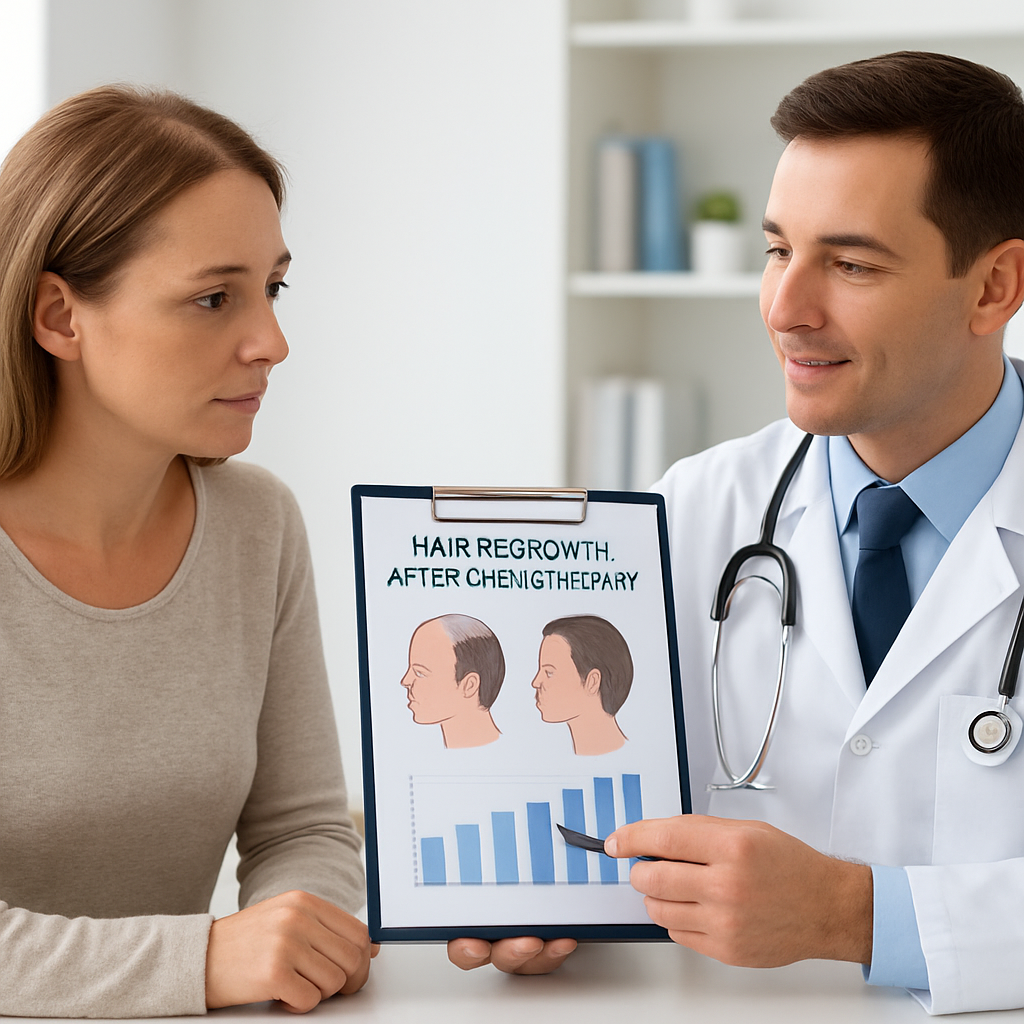
Bottom line: evaluating medical treatments is a measured, collaborative process. By aligning your oncologist’s timing, testing low‑dose options, tracking results and only moving to stronger prescriptions when the basics have plateaued, you give yourself the best statistical chance of seeing real, lasting hair regrowth after chemotherapy.
Step 6: Managing Expectations and Long‑Term Care
When you’ve already tweaked your shampoo, nutrition, and scalp massage, the next hurdle isn’t a new product – it’s the story you tell yourself about how fast (or slow) hair regrowth after chemotherapy should happen.
Does it feel like you’re waiting for a miracle that never arrives? That’s a perfectly normal feeling. The reality is that follicles take their own time to wake up, and most of us see the first wisps appear somewhere between two and three months after the last chemo infusion.
Set a realistic timeline
Research from the Parkview Health blog outlines a typical timeline: very fine hair can show up in 2‑3 weeks, thicker strands around 1‑2 months, and a full inch of growth by the 2‑3 month mark. By six months many people have 2‑3 inches covering bald patches, and a year later you might be looking at 4‑6 inches of new growth.Read the full timeline. Knowing these benchmarks helps keep disappointment at bay.
So, what should you do while you wait?
Track, don’t obsess
Grab a simple notebook or a notes app and jot down three things after each week: the date, any visible change (even a faint shimmer), and how your scalp feels. A quick table works wonders:
- Week 1 – No change, slight itchiness.
- Week 3 – Fine “peach‑fuzz” on crown.
- Week 6 – Noticeable thickening around temples.
This habit turns vague anxiety into concrete data you can share with your oncologist or dermatologist.
Ever wondered if the day of the week matters? Some of our clients swear that starting minoxidil on a Monday after a protein‑rich breakfast gives a tiny boost. The key is consistency, not perfection.
Know when to adjust
If after eight weeks you see no sign of new growth, or the scalp is persistently red, it’s time to pause and check in with your medical team. Possible reasons include:
- Residual chemo agents still circulating.
- Allergic reaction to an active ingredient.
- Underlying nutrient deficiency that needs a blood‑test.
Don’t view a pause as failure – it’s a data‑driven decision that protects your scalp from unnecessary irritation.
Maintain the basics for the long haul
Even once you have a visible patch, the job isn’t finished. Your follicles are still in a rebuilding phase, so keep the gentle shampoo, low‑dose peptide serum, and daily massage routine. Think of it as watering a newly sprouted plant; you wouldn’t stop watering just because you see a leaf.
And remember the “maintenance ceiling” – after the first year many people settle into a steady state where hair density plateaus. If you want to push beyond that, consider a quarterly check‑in with a trichologist to assess whether a higher‑strength minoxidil or a short PRP series could be safe.
Mind‑body side of long‑term care
Hair regrowth is as much a psychological journey as a physical one. Celebrate tiny victories: that extra‑soft strand on the side of your head, the way your hair feels less brittle when you comb it. If a bad day hits, give yourself permission to pause the routine for a day or two – stress can actually stall growth.
Connecting with a support group, either in‑person or online, adds a layer of accountability. Hearing that someone else just hit the three‑month mark with the same serum you’re using can be the nudge you need to stay the course.
Quick checklist for long‑term success
- Mark the expected milestones on your calendar (2 weeks, 1 month, 3 months, 6 months).
- Log weekly observations – colour, texture, amount.
- Schedule a follow‑up with your oncologist at the 8‑week point.
- Re‑evaluate nutrient intake every month; adjust protein or iron if labs show a dip.
- Keep the scalp routine gentle but consistent – no sudden jumps in serum concentration.
- Celebrate progress, no matter how small, and lean on a community for motivation.
Bottom line: managing expectations isn’t about lowering hope, it’s about giving yourself a realistic map, checking the compass regularly, and staying flexible enough to adjust the route when the terrain changes. With patience, data‑driven tweaks, and a supportive routine, hair regrowth after chemotherapy becomes a steady, achievable journey rather than a gamble.
FAQ
What is the typical timeline for hair regrowth after chemotherapy?
In most cases you’ll notice the first fine “peach‑fuzz” about 2‑3 weeks after your final chemo infusion. By one to two months the strands start to thicken, and around three months many people see a visible patch of growth. Six months often brings a couple of centimetres of new hair, while full density can take a year. Your exact timeline depends on the treatment you had, your age and how well you’re caring for your scalp with gentle products and nutrition.
Can I use minoxidil while my scalp is still healing?
Yes, but start low and watch for irritation. A 2 % minoxidil solution applied once daily is gentle enough for most post‑chemo scalps. If you notice redness, itching or a burning sensation, cut back to every other day or switch to a fragrance‑free formulation. In our experience at Julian Jay, patients who paired a low‑dose minoxidil with a sulfate‑free shampoo saw smoother regrowth without extra scalp stress.
How often should I massage my scalp for optimal results?
A quick 60‑second circular massage once a day is enough to boost micro‑circulation without over‑stimulating sensitive skin. Warm your fingertips under the shower, place two fingers on each side of the crown and draw small circles for ten seconds, then reverse direction. Finish with a gentle tapping motion across the whole scalp. Consistency matters more than length – a brief daily habit beats a longer weekly session.
Do essential oils help with hair regrowth after chemotherapy?
Some essential oils, like peppermint or rosemary, can increase scalp blood flow, but the evidence is still mostly animal‑based. If you want to try them, dilute three drops of oil in a teaspoon of carrier oil (jojoba works well) and do a patch test on your forearm first. Apply only if you feel a mild warmth, never a burning sting. Use the blend after your shower, not before, to avoid overwhelming a tender scalp.
Should I change my diet to speed up hair regrowth?
Absolutely – protein, iron, omega‑3s and zinc are the building blocks follicles need. Aim for 1.2‑1.5 g of protein per kilogram of body weight each day, include iron‑rich foods like lean red meat or lentils, and add a handful of walnuts or a salmon portion for healthy fats. Pair iron sources with vitamin C to boost absorption. A balanced plate supports the bloodstream that carries nutrients to the scalp, making the regrowth process more efficient.
When is it safe to start using stronger hair‑growth serums?
Wait until your scalp feels completely calm – no redness, itching or flaking for at least a week. Then you can introduce a serum with a low concentration of peptides (around 0.5 %). Apply a few drops after washing and massage gently for a minute. If you tolerate it well for two weeks, you may bump the concentration up to 1 % but never exceed what your dermatologist recommends.
What should I do if I see no progress after three months?
First, double‑check that your oncology team has cleared you for any further interventions. Next, review your scalp routine: are you using a harsh shampoo? Is your serum concentration too low? Keep a simple log of dates, products and any scalp sensations – patterns often emerge on paper. If nothing changes, schedule a follow‑up with a trichologist to discuss prescription‑strength options or PRP therapy.
Conclusion
We've walked through everything from gentle shampoos to nutrient‑rich meals, scalp massage, and even medical options, all aimed at one goal: hair regrowth after chemotherapy.
So, what does it all mean for you? It means you don't have to wait helplessly for miracles. By stitching together a calm scalp routine, a protein‑packed diet, and the occasional low‑dose serum, you give your follicles the environment they need to wake up.
Remember the simple checklist we built: keep the scalp soothed, log any changes, and revisit your oncologist before upping any treatment. If a week passes with no peach‑fuzz, that's normal – the real progress often shows up after the first month.
And here's a tiny action you can take right now: set a reminder for tomorrow morning to spend 60 seconds massaging your crown while the water runs warm. Pair that with a protein‑rich breakfast, and you’ve just added a proven boost to your routine.
In our experience, consistency beats intensity. Stay patient, stay observant, and let the data you collect guide the next tweak. Your hair regrowth after chemotherapy is a marathon, not a sprint, and every small step counts.
Keep checking in with your dermatologist every few months – a quick review can spot gaps and keep you on the right track.