


Ever stood in front of the mirror, massaging a foamy scalp scrub and wondered, “Am I doing this too much?”
It’s a feeling many of us share – the tug between wanting a fresh, clean scalp and fearing we might be stripping away the good oils that keep hair happy.
In this guide we’ll untangle that dilemma and give you a clear sense of how often to use scalp scrub without over‑doing it.
First, imagine your scalp as a garden. A little debris, dead skin and product build‑up are like weeds; they need occasional weeding. But if you pull at the soil every day, you’ll damage the roots and the plants suffer.
So, what’s the sweet spot? Most dermatologists and hair‑care experts suggest exfoliating the scalp once every 7 to 10 washes – that’s roughly once a week for most people.
Why weekly? It gives the scalp enough time to recover its natural moisture while still clearing away the gunk that can clog hair follicles and stifle growth.
If you have an oily scalp, you might feel the urge to scrub more often. A gentle, lightweight scrub twice a week can work, but only if you follow with a soothing conditioner or scalp oil to keep the barrier intact.
On the flip side, if your scalp is dry or prone to irritation, stick to the once‑a‑week routine or even stretch it to every ten days. You’ll notice less redness and flakiness, and your hair will feel softer.
And what about those fancy, medicated scrubs that promise rapid results? Treat them like a special treat – use them no more than once every two weeks, and always pair them with a hydrating serum.
Think about your own routine. Do you wash your hair daily, or every other day? Align the scrub schedule with your shampoo days so you’re not doubling up on cleansing in a single session.
Bottom line: start with a weekly scalp scrub, observe how your skin reacts, then adjust up or down based on oiliness, dryness, or any irritation you notice.
Ready to give your scalp the balance it deserves? Let’s dive in and explore the step‑by‑step process that will keep your hair roots breathing easy.
TL;DR
Finding the right rhythm for how often to use scalp scrub can keep your hair roots breathing easy while avoiding irritation.
Start with a weekly scrub, watch your scalp’s response, then adjust up or down based on oiliness or dryness for optimal growth and comfort throughout the season for you.
Step 1: Understand Your Scalp Type
First, pause and think about that familiar moment when you run your fingers through your hair and notice whether your scalp feels slick, tight, or a bit flaky.
That tiny sensation is actually a clue about your scalp’s oil production, moisture balance and overall health – and it tells you how often to use scalp scrub without irritating the skin.
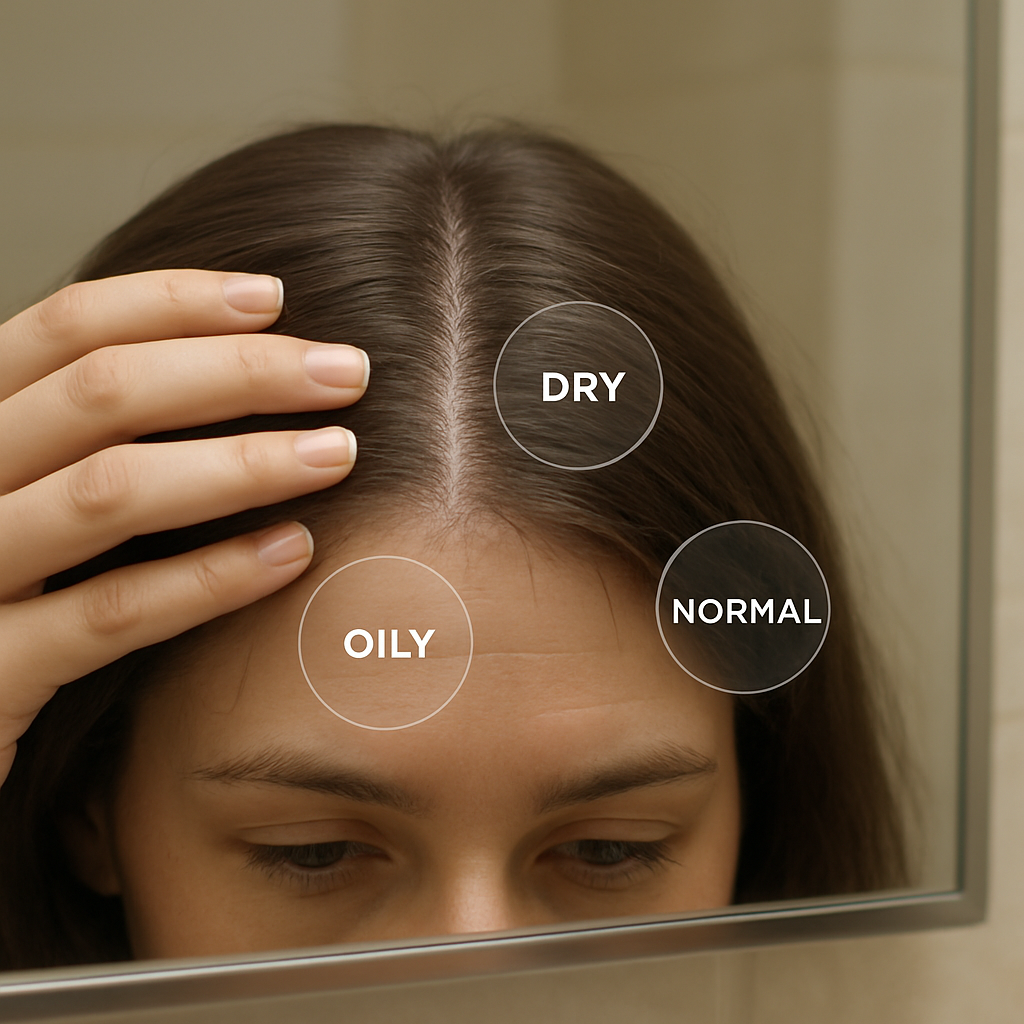
If you’re oily, you might see a shiny sheen by midday and feel a slight tug when you brush. If you’re dry, you may experience itchiness, flakiness, or a feeling of tightness after washing. And if you’re somewhere in between, you’ll probably notice a comfortable, neutral feeling most of the day.
Identify your scalp’s oil level
Start by washing your hair as you normally would, then wait 24 hours. Observe:
- Shiny, greasy patches that reappear quickly – likely oily.
- Visible flakes or a dry, rough texture – likely dry.
- A balanced feel with occasional light oil – normal/combination.
Once you’ve labelled your scalp, you can map that label onto a scrub schedule. Oily scalps generally tolerate a gentle scrub twice a week, while dry scalps thrive on a once‑a‑week routine, maybe stretching to ten days if the skin feels tight.
So, what does this mean for your routine? Think of the scalp like a garden: you want to remove weeds (excess oil and dead skin) but you don’t want to till the soil every day.
Watch the short video above – it walks you through a quick “scalp check” you can do each week before deciding whether today’s the day for a scrub.
Seasonal shifts can change how your scalp reacts. In winter, the air is drier, so even an oily scalp might feel tighter, meaning you could drop back to once a week. In summer, heat and sweat can boost oil production, so a second gentle scrub might be welcome.
Check for sensitivity and irritation
After you’ve identified oil level, run a quick test: gently massage a small amount of your favourite scalp scrub onto a tiny patch of skin. Wait 10‑15 minutes. If you notice redness, tingling or itching, dial back the frequency or choose a milder formula.
Remember, a healthy scalp isn’t about stripping away every drop of oil; it’s about keeping the barrier intact while clearing away build‑up that can block follicles.
A simple way to track progress is to keep a mini journal. Jot down the day you scrub, how your scalp felt before and after, and any redness or itchiness. After a few weeks you’ll see a pattern – maybe Tuesday scrubs leave you feeling fresh, while Friday scrubs cause mild tingling. Use that info to fine‑tune your schedule.
Beyond the chemistry of your scalp, lifestyle plays a part. A balanced diet, regular hydration and stress management can all shift how your scalp behaves. For broader wellness tips, check out Healthier Lifestyle Solutions – they cover nutrition and habits that support a calm, hydrated scalp.
If you prefer natural, home‑grown options, 5 Best Natural Remedies lists gentle DIY scalp scrub recipes that are perfect for sensitive skin and won’t over‑exfoliate.
Now you have a clear picture: know your scalp type, test sensitivity, and match that knowledge to a realistic scrub schedule. With this foundation, the next steps will show you exactly how to perform the scrub and how to adjust based on seasonal changes.
Step 2: Determine Frequency Based on Scalp Condition
Now that you know whether your scalp is oily, normal or dry, it’s time to match the scrub schedule to what your skin actually needs.
Listen to the signals
When you finish a scrub, do you feel a gentle tingling or a tight, uncomfortable pull? A mild buzz usually means the formula is doing its job without over‑stripping. If the scalp feels plaster‑hard or you see flakes re‑appear within a day, you’re probably scrubbing too often.
And what about the shine factor? Oily scalps love a little extra cleanse, but even they can get “over‑cleaned” – the glands swing into over‑drive and produce even more sebum. Dry scalps, on the other hand, will whisper “slow down” with itchiness or redness.
Set a baseline based on condition
- Oily scalp – start with twice a week. Use a lightweight, acid‑based scrub or a physical one like sugar or salt. Keep an eye on any excess oil that re‑appears within 48‑72 hours; if it does, add a gentle clarifying shampoo on the off‑days rather than increasing the scrub.
- Normal scalp – once a week is usually spot‑on. This gives your microbiome a chance to recover while still clearing away product buildup.
- Dry or sensitive scalp – aim for once every ten days, or even once a month if you notice persistent tightness. Choose a soothing, enzyme‑rich scrub that won’t strip moisture.
Here’s a quick checklist you can stick on your bathroom mirror:
- Oily → 2×/week, watch for rebound oil.
- Normal → 1×/week, adjust if you feel tight.
- Dry → 1×/10 days, prioritize gentle formulas.
Choosing the right product for your schedule
If you’re not sure which scrub to pick, the Rahua Scalp Exfoliating Shampoo is a solid all‑rounder. It blends crushed star anise for mild mechanical exfoliation with mango and passion‑fruit enzymes, so it works for oily and dry scalps alike without stripping natural oils.
Because it’s a 1‑step shampoo, you can simply swap it into your regular wash day. For oily days, use it on Monday and Thursday; for dry days, keep it to Friday once every ten days. The built‑in sacha inchi and morete oils help restore moisture after each use.
Track, tweak, repeat
Grab a small notebook or a notes app. Log the date, product, and how your scalp feels right after the rinse. After four weeks you’ll start to see a pattern: maybe your oily scalp tolerates a third weekly session, or perhaps your dry scalp needs a longer break during winter.
Seasonal shifts matter too. In colder months, many people notice a slower oil production, so extending the interval by a day or two can keep flakiness at bay. Summer humidity often pushes oil to the surface faster – that’s when a quick mid‑week touch‑up with a gentle clarifier can keep things balanced.
Quick FAQs you might be wondering
Can I use a scalp scrub on the same day I colour my hair? Yes, but wait at least 24 hours after dyeing to avoid extra irritation.
What if I miss a session? No big deal – just resume your regular schedule. Consistency matters more than perfection.
Is it safe to combine a scrub with a hair mask? Absolutely. Apply the mask after rinsing the scrub; the mask will lock in the moisture you just helped the scalp absorb.
Remember, the goal isn’t to chase a flawless scalp every single day. It’s to find a rhythm that leaves you feeling fresh, not stripped, and that supports healthy hair growth.
Step 3: Choose the Right Scalp Scrub Product
Now that you’ve nailed down your scalp type and a baseline frequency, the next puzzle piece is picking a scrub that actually works with your schedule. Think of it like choosing the right brush for a paint‑by‑numbers – the colour (or ingredient) needs to match the canvas (your scalp) otherwise you’ll just end up with a mess.
Know your scalp’s needs first
If you’re oily, you’ll want something that cuts through excess sebum without leaving a sticky residue. If you’re dry or sensitive, look for soothing, enzyme‑based formulas that melt away flakes without pulling the skin taut. And for normal scalps, a balanced blend of physical and chemical exfoliants usually does the trick.
Remember the question we kept circling earlier: how often to use scalp scrub? Your answer will guide the potency you need. A product that’s too aggressive for a weekly routine can over‑strip, while a milder option may feel lazy if you’re scrubbing twice a week.
Key ingredients to watch
Here’s a quick cheat‑sheet of the most common actives and what they bring to the table:
- Beta‑hydroxy acid (BHA) – gentle, oil‑soluble exfoliation; great for oily scalps.
- Salicylic acid – similar to BHA, helps unclog pores and calm acne‑prone skin.
- Enzymes (papain, bromelain) – break down dead cells without the gritty feel, perfect for dry or irritated scalps.
- Physical granules (sugar, salt, microcrystalline cellulose) – give you that satisfying scrub‑feel; best for normal to oily types.
- Soothing oils (tea tree, sacha inchi, niacinamide) – keep the barrier happy after the cleanse.
One product that ticks many of these boxes is the Cecred Clarifying Scalp Scrub Shampoo. It blends fermented purple willow bark (a natural BHA source) with tea tree oil and microcrystalline cellulose, delivering both chemical and physical exfoliation while calming redness.
Match the product to your schedule
Take a moment to visualise your weekly routine. If you’re scrubbing twice a week, you’ll want a lighter formula – think sugar or a low‑dose BHA. For a once‑a‑week or every‑ten‑days cadence, a stronger BHA or enzyme blend can give you that deep‑clean feeling without over‑doing it.
And here’s a tip most people miss: pair your scrub with a post‑wash hydrating step. A light conditioner or scalp serum will lock in moisture and prevent that dreaded tight‑after‑feel.
Quick decision table
| Product | Best For | Suggested Frequency |
|---|---|---|
| Cecred Clarifying Scalp Scrub Shampoo | Oily to combination scalps; also works for normal | 2× / week (light) or 1× / week (full‑strength) |
| Gentle enzyme scrub (papain‑based) | Dry, sensitive, or post‑colour | 1× / 10 days or 1× / week |
| Sugar‑salt physical scrub | Normal to oily, no fragrance sensitivities | 2× / week (light) or 1× / week (coarse) |
So, what should you do next? Grab the product that aligns with your scalp’s mood, test it on a small patch, and mark the day in your calendar. After a month, look back: does your scalp feel balanced, or are you seeing more flakes or extra shine? Adjust the formula or the frequency accordingly – it’s a tiny experiment, not a lifelong commitment.
Bottom line: the right scrub is the one that respects both your scalp type and the rhythm you’ve set for how often to use scalp scrub. When the ingredients, potency, and schedule all line up, you’ll notice a calmer scalp, less buildup, and hair that feels freer to grow.
Step 4: How to Properly Apply a Scalp Scrub
Alright, you’ve picked the right product and figured out the frequency – now it’s time to actually put the scrub to work. Think of it like a mini‑spa for your scalp, a moment where you’re literally giving your hair roots a breath of fresh air.
Prep the canvas
Start with completely wet hair. The water should be warm, not scalding, because heat opens up the cuticles and lets the scrub glide smoother. If you’re in a rush, a quick rinse under the shower works fine – you don’t need to shampoo first, but the strands do need to be saturated.
Why wet hair? The Head & Shoulders guide explains that a wet surface prevents the granules from grinding harshly against dry skin, which can cause micro‑tears.
Measure and spread
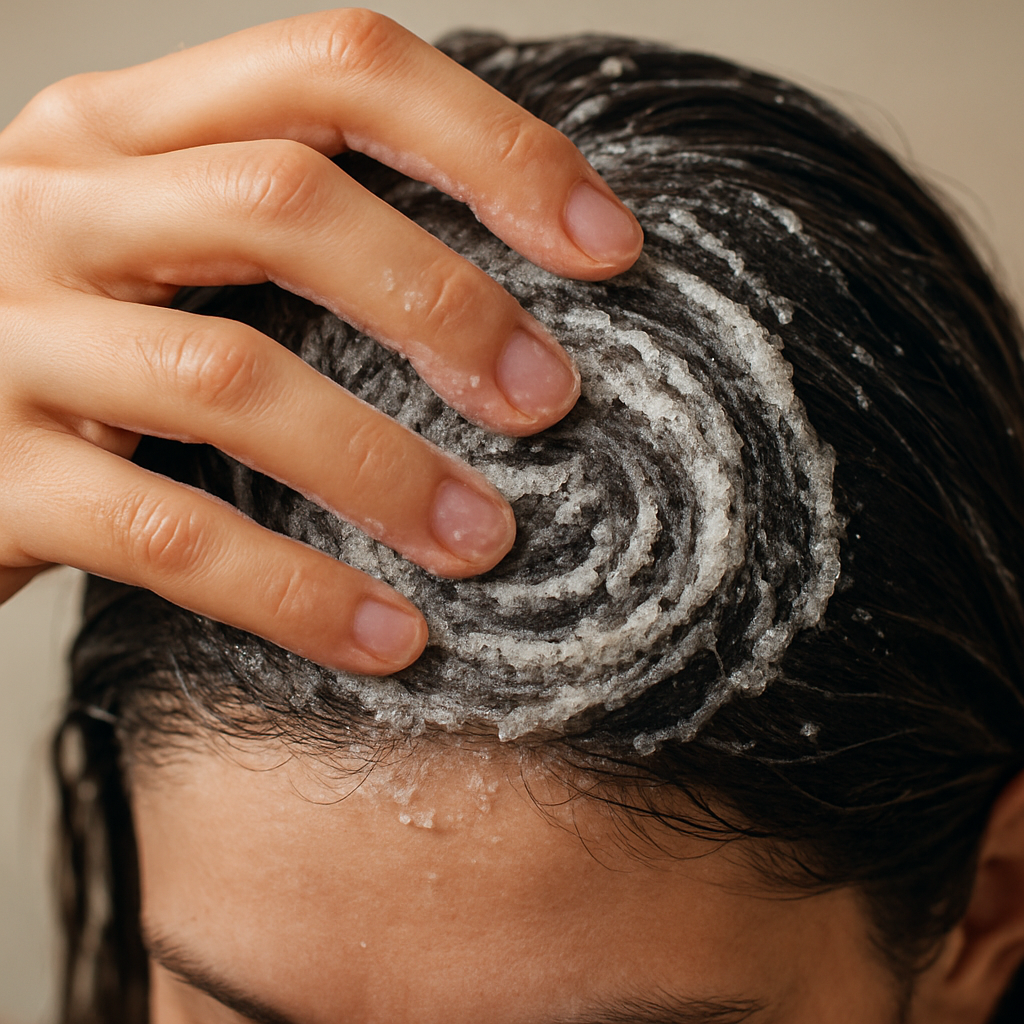
Grab a pea‑size amount of scrub for short hair, or a dime‑size scoop for longer locks. Scoop it into the palm, add a splash of water, and rub your hands together until it becomes a silky paste. You’ll notice it turning a little frothy – that’s the good stuff starting to break down dead cells.
Now, with the paste in your fingertips, begin at the front hairline. Use gentle, circular motions – think of stirring a pot, not scrubbing a pan. Spend about 30 seconds here, feeling the mild tingling as the exfoliants lift away buildup.
Full‑scalp coverage
Work your way back, moving the same circular pattern across the crown, the sides, and finally the nape. If you have an oily crown, you might linger a second longer there; for a dry, itchy occipital area, keep it light and swift.
Real‑world example: Sarah, a 34‑year‑old graphic designer, found that spending an extra ten seconds on her crown reduced the midday oil slick she used to battle. She kept the rest of the scalp at the same rhythm, and after three weeks her hair felt lighter and less weighed down.
Rinse like you mean it
When you’ve massaged the entire scalp – usually a full two minutes total – switch the shower to a steady stream and rinse thoroughly. Run your fingers through the hair to make sure no granules are left behind; they’ll feel gritty if they are.
After the rinse, follow up with your regular shampoo. You’ll often discover you need less shampoo because the scrub has already cleared away a lot of the residue. This is a nice cost‑saving bonus.
Post‑scrub nourishment
Here’s where most people slip up: they skip the hydration step. After rinsing, apply a lightweight conditioner just to the ends, or a scalp serum if you’ve got one. The moisture lock‑in prevents that dreaded tight, post‑scrub feeling.
For an extra boost, try the Top Scalp Care Products for Healthier Hair guide – it lists serums that pair perfectly with exfoliation, keeping the barrier happy.
Timing tips you can actually use
• Do the scrub on a day you plan to style, not on a rushed morning. The extra minute in the shower feels like a mini‑ritual.
• If you’re on a weekly schedule, set a reminder on your phone. Consistency beats randomness.
• In winter, extend the interval by a day or two; in humid summer, you might add a gentle mid‑week touch‑up with a lighter scrub.
• After any chemical treatment (colour, perms), wait at least 24‑hours before scrubbing – the scalp needs a buffer period.
And remember, if you ever feel a sharp sting or notice redness that lasts more than an hour, rinse again with cool water and skip the next session.
Lastly, if you’re curious about how overall health influences scalp condition, you might find some useful lifestyle tips on Weight Loss After 40 for Women. A balanced diet and hormone‑friendly habits can make your scalp less prone to excess oil or dryness, meaning your scrub works even better.
Step 5: Adjusting Frequency Over Time
Listen to the rhythm of your scalp
When you first started, you probably set a calendar reminder and stuck to a once‑a‑week scrub. That’s a solid launch point, but your scalp isn’t a static thing – it reacts to weather, diet, stress, and even the shampoo you switch to.
So, how do you know when to tweak the schedule? The answer is simple: pay attention to the feel.
Spot the warning signs
If you notice a tight, almost itchy sensation a day after you’ve scrubbed, that’s a cue that you might be over‑doing it. On the flip side, if your roots start looking greasy within 24‑48 hours, your scalp is begging for a little more love.
Think about that moment when you run your fingers through your hair in the morning and it feels like a fresh canvas versus a slick film. Those tiny sensations are the data points you’ll use to fine‑tune your routine.
Seasonal swing‑by
Winter tends to slow oil production, so many people find they can stretch the interval to every nine or ten days without any flakiness. Summer humidity does the opposite – it can push excess sebum to the surface faster, making a gentle mid‑week touch‑up feel like a lifesaver.
Here’s a quick mental checklist: colder months → add a day or two; hotter months → consider a lighter, quick‑scrub on a non‑wash day.
Adjusting for product potency
Not all scrubs are created equal. A mild enzyme‑based formula can be used a touch more often than a high‑strength BHA mix. If you switch from a sugar‑salt scrub to a stronger acid‑based one, shave off a session or two until your scalp tells you it’s comfortable.
And remember, you don’t have to abandon the original schedule completely – just layer in the new frequency gradually. For example, move from two‑times‑a‑week to once‑a‑week for two weeks, then add a light touch‑up if oil resurfaces.
Creating a simple log – your secret weapon
Grab a sticky note or open the notes app on your phone. Write down three things each time you scrub: the date, the product, and how your scalp feels an hour later. After a month you’ll see a pattern emerge without even thinking about it.
One reader told me they noticed a clear line – after the third weekly scrub they felt a persistent sting, so they dropped back to every ten days and the irritation vanished. That’s the kind of real‑world feedback you want to capture.
When life throws curveballs
Stress, travel, a new diet, or a change in your hair routine can all shift how often you need to exfoliate. If you’re on a high‑stress week and your scalp feels tighter, give it a break. If you’ve just started a new colour treatment, wait at least 24 hours before the next scrub – the scalp needs that buffer period.
And don’t panic if you miss a session. Skip one, then jump back to your adjusted rhythm. Consistency matters more than perfection.
Putting it all together – a 4‑step tweak plan
1. Check the feel. After each scrub, note any tightness or excess oil. 2. Match season. Add a day in winter, trim a day in summer. 3. Match product. Softer formulas = more flexibility; stronger = fewer sessions. 4. Log and review. After 30 days, look for trends and adjust accordingly.
That’s it – a living schedule that grows with your scalp, not a rigid rulebook. By staying curious and listening to those subtle cues, you’ll keep your hair roots breathing easy without ever feeling stripped.
Ready to experiment? Pick a day this week, note how your scalp reacts, and make a tiny adjustment tomorrow. Small changes add up, and before you know it you’ve found the perfect rhythm for how often to use scalp scrub – just for you.
Step 6: Common Mistakes and How to Avoid Them
Mistake #1: Scrubbing Too Often
It’s easy to think, “the more I exfoliate, the clearer my scalp will be.” And then you end up with a tight, flaky crown that feels like a drumhead. The scalp needs time to replenish its natural oils, so cranking the frequency up to every other day usually backfires.
What to do instead? Stick to the baseline you set in the earlier steps – once a week for normal scalp, twice for oily, or every ten days for dry. If you notice tingling that lasts beyond a few minutes, pull back a session. Your scalp will thank you with less irritation and steadier hair growth.
Mistake #2: Ignoring Product Potency
Not all scrubs are created equal. A mild enzyme‑based formula can handle a twice‑a‑week schedule, but a high‑strength BHA scrub can strip the barrier if you use it that often. One reviewer of the Boldify Revitalize Refresh Scalp Scrub mentioned using it two to three times a week without issue because the product is relatively gentle, yet most people will need to dial it down if they switch to a more aggressive mix.
Solution: Match the scrub’s strength to your frequency. When you try a new product, start with the lowest recommended use – often once a week – and only increase after a month of calm, balanced scalp feedback.
Mistake #3: Skipping the Post‑Scrub Hydration
Many of us love the fresh, squeaky‑clean feeling right after rinsing, then we rush to towel‑dry and style. That’s a missed chance to seal moisture. Without a light conditioner or scalp serum, the skin can feel stripped, leading you to reach for another scrub sooner than necessary.
Fix it by applying a lightweight leave‑in or a few drops of a soothing oil right after you rinse. Even a small amount of a tea‑tree or sacha inchi serum can restore the barrier and keep the “tight” sensation at bay.
Mistake #4: Forgetting Seasonal Shifts
Winter air is drier, so the scalp produces less oil. If you keep the summer schedule of twice‑a‑week scrubs, you’ll end up with flaky patches. Conversely, in humid summer the same routine can leave you looking greasy within a day.
Adjust the calendar by adding a day in colder months and trimming a day when it’s hot and humid. Think of it as a living schedule that breathes with the weather – a simple tweak that saves a lot of scalp drama.
Mistake #5: Ignoring Warning Signs After Chemical Treatments
Colour, perms or relaxers already stress the cuticle layer. Jumping straight into a scrub can amplify irritation, redness, or even cause hair breakage. The rule of thumb is to give the scalp at least 24‑48 hours to settle before any exfoliation.
If you’re unsure, do a patch test on a small section of the scalp. If it feels normal after a few minutes, you’re likely safe to proceed; if it stings, wait another day.
Quick Checklist to Dodge Common Pitfalls
- Track each scrub: date, product, how you felt an hour later.
- Start with the lowest frequency recommended for your scalp type.
- Pair every scrub with a light hydration step.
- Adjust frequency for season and product strength.
- Give chemical‑treated hair a 24‑hour buffer before scrubbing.
By keeping an eye on these easy-to‑miss details, you’ll avoid the frustration of over‑exfoliating and stay on the smooth path to a healthier scalp.
Conclusion
We've walked through everything from spotting your scalp type to fine‑tuning a schedule that fits the seasons, so you now have a clear picture of how often to use scalp scrub without over‑doing it.
Remember the golden rule: start with the baseline – once a week for normal, twice for oily, or every ten days for dry – then listen to the feel. If you notice tightness, pull back; if oil resurfaces quickly, add a gentle touch‑up.
Keep a tiny log – date, product, sensation – and review it after a month. Those simple data points become your personal cheat‑sheet, letting you adjust on the fly instead of guessing.
And don’t forget the little extra steps that make a big difference: rinse with warm water, follow with a light conditioner or scalp serum, and respect the 24‑hour buffer after any colour or chemical treatment.
So, what’s the next move? Pick a day this week, try the schedule you’ve built, and jot down how your scalp reacts. A few minutes of awareness now saves you weeks of irritation later.
When you’ve nailed the rhythm, you’ll notice a calmer scalp, less flakiness, and hair that feels free to grow. Happy exfoliating!
Give your routine a month and watch the transformation unfold.
FAQ
How often should I use a scalp scrub if I have an oily scalp?
For most oily scalps, starting with two sessions a week works well. Use a lightweight, sugar‑ or salt‑based scrub and follow with a soothing conditioner or scalp serum. Pay attention to how quickly oil resurfaces – if it’s back within 24‑48 hours, you can keep the twice‑a‑week rhythm; if it feels greasy sooner, add a gentle clarifying shampoo on a non‑scrub day instead of upping the scrub frequency.
Can I scrub my scalp more than twice a week?
Generally, no. Scrubbing more than twice weekly can strip the natural barrier, leading to tightness, redness, or even rebound oil production. If you’re tempted because you notice a lot of buildup, try adjusting your regular shampoo or incorporating a light, daily scalp tonic rather than adding extra exfoliation. The scalp needs time to recover between sessions to stay balanced.
What’s the best frequency for a dry or sensitive scalp?
A dry or sensitive scalp usually thrives on a gentler schedule – think once every ten days or even once a month if you notice persistent tightness after each use. Choose an enzyme‑based or very mild exfoliant, and always finish with a hydrating conditioner or a calming serum. Watch for any itching or flaking; if those appear, extend the interval further.
How does season affect how often I should use a scalp scrub?
Winter air tends to dry out the scalp, so you can safely stretch the interval by a day or two without risking buildup. Summer humidity, on the other hand, can push excess sebum to the surface faster, making a light mid‑week touch‑up useful. Think of your schedule as a living rhythm that shifts with temperature and humidity, not a rigid calendar.
Is it okay to use a scalp scrub right after I colour my hair?
Give your scalp at least 24 hours after any chemical treatment before you exfoliate. Colour, perms, or relaxers already stress the cuticle layer, and a scrub too soon can amplify irritation, redness, or even cause the colour to fade faster. Wait a day, then do a gentle, short scrub and follow with extra moisturising care to soothe the post‑colour scalp.
What should I do if I miss a scheduled scrub?
Missing a session isn’t a disaster – simply resume your regular rhythm on the next planned day. Consistency matters more than perfection, so don’t try to “make up” a missed scrub by doing two in one week. If you feel a sudden oil surge after a missed session, a light clarifying shampoo can bridge the gap without over‑scrubbing.
How can I tell if I’m over‑scrubbing my scalp?
Look for signs like persistent tightness, a burning or tingling sensation that lasts longer than a few minutes, increased redness, or flaky patches appearing soon after a scrub. When these cues show up, pull back – either extend the interval or switch to a milder formula. Keeping a quick log of date, product, and how your scalp feels helps you spot patterns before irritation becomes a habit.