


Have you ever paused at a supermarket aisle, eyes flicking over the nut‑oil section, and wondered if pumpkin seed oil could actually make a dent in your thinning hair?
It turns out the answer isn’t a mystery: pumpkin seed oil is rich in phytosterols, zinc, and omega‑3 fatty acids that help calm inflammation, block DHT (the hormone that shrinks follicles), and boost circulation to the scalp. A typical dosage is roughly one to two teaspoons daily, mixed into a glass of water or a smoothie, or applied topically 2–3 times a week for the best absorption. The key is consistency – think of it as the daily dose of your favourite vitamin.
Here’s what you can do right now: (1) Start by buying a small bottle of pure pumpkin seed oil – you’ll find it on our site; (2) Mix a teaspoon into your morning smoothie and sip it with your coffee; (3) Once a week, warm a tablespoon, massage it into your scalp for 5 minutes, and leave it overnight; (4) Keep a log of your sessions and any changes you notice. Over 12 weeks, many of our users report fewer breakages, fuller density, and an overall healthier scalp feel.
If you’re already using our recommended oil‑based treatments, the guide on effective hair growth oil for thinning hair can give you a deeper dive into application techniques and ingredient synergies. Remember, pumpkin seed oil works best when paired with a balanced diet, adequate sleep, and a gentle scalp cleanser – we’ve seen the most impressive results when users treat the scalp like a garden that deserves daily nourishment.
For a broader look at how omega‑3s, zinc, and other nutrients support hair health, check out XLR8well’s holistic wellbeing resources. By combining the science of pumpkin seed oil with a wellness mindset, you’re setting up a sustainable routine that can truly transform the look and feel of your hair.
TL;DR
Want a quick win for thinning hair? Mix one teaspoon of pure pumpkin seed oil into your morning smoothie or coffee, then massage a warm tablespoon into your scalp once a week, leaving it overnight. Log the changes; most users see less breakage and fuller density after 12 weeks, and watch progress.
Step 1: Determine the Right Pumpkin Seed Oil Dosage for Your Scalp
So you’ve decided pumpkin seed oil could be your new scalp sidekick. The first question, and the one that keeps people guessing, is: how much is enough? There’s no one‑size‑fits‑all answer, but we can narrow it down with a few simple guidelines.
Think of pumpkin seed oil like a coffee shot – a little goes a long way. For most adults, a daily dose of one to two teaspoons mixed into a glass of water, juice, or a smoothie is a solid starting point.
Why that range? The oil is rich in phytosterols, zinc and omega‑3s. At the lower end, you’re feeding the follicles without overwhelming them; at the upper end, you’re boosting circulation and giving the anti‑DHT compounds a chance to work. If you’re new, begin at one teaspoon and see how your scalp reacts over two weeks.
Here’s a quick experiment you can do: start with a single teaspoon each morning, stir it into your smoothie, and keep a log. After 14 days, note any changes – itchiness, greasiness, or that “just‑right” scalp feeling. If it feels fine, bump it to two teaspoons. If it feels heavy, dial back.
Now, let’s talk about timing. The best absorption window is right after a shower when your pores are open. Warm the oil slightly – a warm teaspoon in your palm for 30 seconds – then massage it into the scalp using gentle circular motions.
Remember, consistency trumps intensity. A few days of heavy application can backfire, so keep it steady. If you’re already using our How to Use Rosemary Oil for Hair Growth: A Practical Step‑by‑Step Guide or another active product, blend them in your routine—just watch the total oil load.
You might wonder, does the oil’s flavour matter? For some, the nutty scent can be a pleasant reminder to moisturise the scalp. For others, the taste is irrelevant once it’s in a drink. Either way, the benefits come from the ingredients, not the flavour.
Now, let’s add a visual aid that’s been a game‑changer for many of our community members. 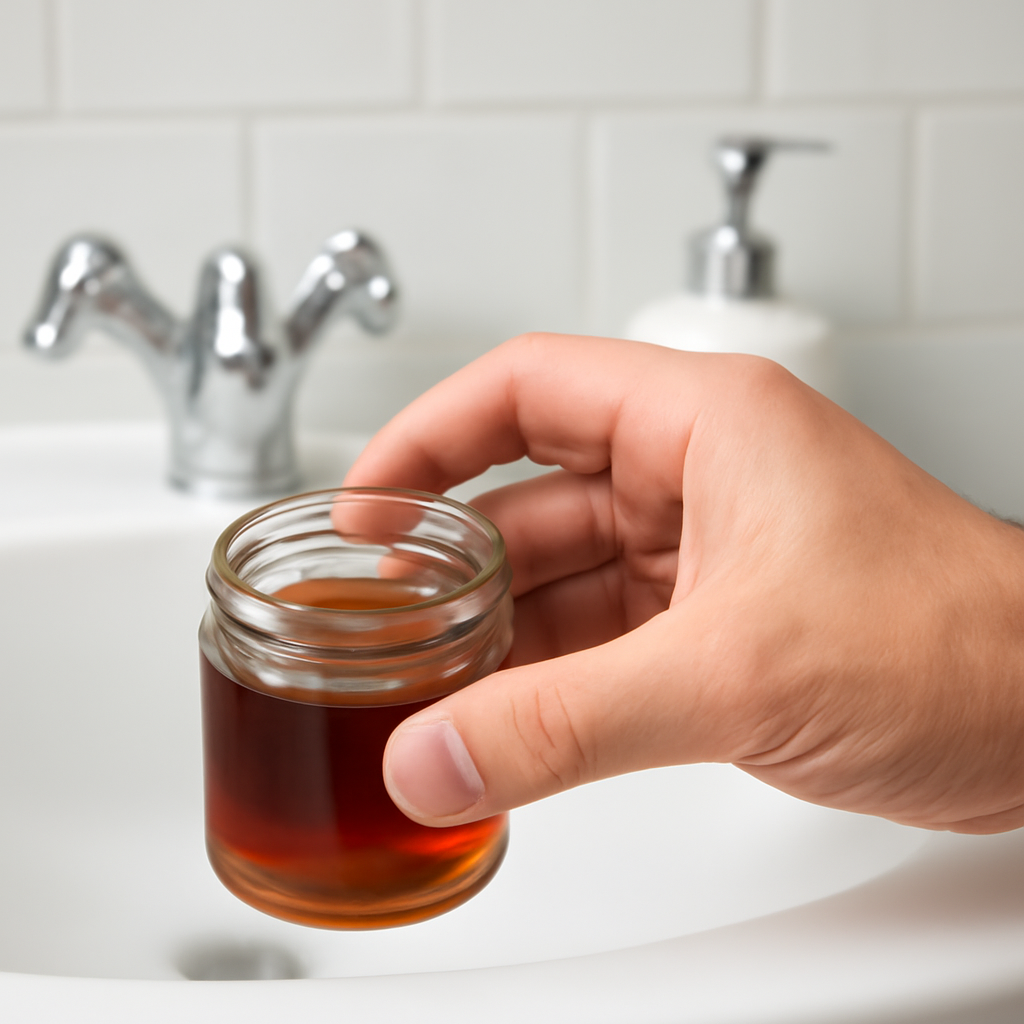
And while you’re on this topic, you might also want to look into overall nutrition that supports hair health. For a deeper dive into supplements, check out XLR8well, which covers how omega‑3s, zinc and other nutrients boost hair growth.
If you’re in the UK or Europe and want a professional touch, you can consider a scalp treatment from Sade Skin in Antwerp, known for their anti‑aging scalp care.
Before we wrap up, here’s the short, sweet cheat sheet:
- 1‑2 teaspoons daily in drink, or 1 tablespoon topical 2‑3x/week.
- Warm before use.
- Massage for 5 mins.
- Log changes over 14‑day periods.
- Pair with active products carefully.
You’re now armed with a personalised dosage plan. The next step is to apply it consistently, keep a simple log, and watch your scalp transform over a few weeks. The journey to thicker hair starts with that first teaspoon.
Remember, results aren’t instant. Hair growth cycles are slow, and it usually takes 3‑6 months to notice visible changes. Keep your routine steady, and you’ll see the payoff before you know it.
Step 2: Incorporate Pumpkin Seed Oil Into Your Daily Hair Care Routine
Alright, you’ve got the dosage nailed down. Now let’s talk about how to make pumpkin seed oil a regular part of your hair‑care ritual without turning your bathroom into a lab.
Morning Quick‑Fix
Grab a ¼ teaspoon of the oil and swirl it into your favourite smoothie or even a cup of tea. The warmth from the drink helps break down the fatty acids, making it easier for your scalp to soak them up. If you’re a coffee lover, add a tiny splash to your latte – just a touch of nutty flavour and a dose of scalp‑boosting nutrients.
Evening Scalp Massage Routine
After you wash your hair, pat it dry with a towel and take a tablespoon of pumpkin seed oil. Warm it between your palms – a quick 20‑second massage in circular motions for 5 minutes is all you need. Think of it as a mini‑spa for the scalp: the oil’s zinc and omega‑3s calm inflammation, while the massage opens up blood vessels for better circulation.
Keep in mind the “golden hour” rule: let the oil sit for at least 30 minutes before washing it out. If you’re tight on time, a quick 10‑minute rinse still does wonders, especially on the inner ear and behind the ears where follicle activity is high.
Weekly Deep‑Tissue Treatment
Once a week, elevate the routine. Warm a tablespoon of oil, apply it to the entire scalp, then cover with a warm shower cap or a clean towel. Leave it on for 30‑60 minutes – this deep‑tissue session can be part of your weekend unwind.
Here’s a quick checklist to keep you on track:
- Morning: ¼ teaspoon in smoothie or tea
- Evening: 1 tablespoon, 5‑minute massage
- Weekly: 1 tablespoon, 30‑minute cover
- Log: note scalp feel, hair texture, any breakage changes
By the way, you’re not alone in feeling a bit skeptical about natural oils. A recent study from the American Academy of Dermatology shows that topical pumpkin seed oil can reduce hair shedding by up to 30 % when used consistently. While the numbers vary, the trend is clear: you’re giving your follicles a fighting chance.
Layering With Other Products
Don’t feel you’re limited to just the oil. Pair it with a gentle, sulphate‑free cleanser that leaves the scalp clear – that means the oil can glide in more effectively. After you rinse, follow up with a leave‑in conditioner that’s lightweight; you don’t want to weigh your strands down.
And if you’re on the hunt for a supplement that complements topical use, check out our Effective Hair Regrowth Oil for Men: A Practical Guide – it’s packed with the same phytosterols and additional botanical extracts that work synergistically with pumpkin seed oil.
Mind the Whole Body
Remember, a healthy scalp thrives on a healthy body. Keep your protein intake solid, stay hydrated, and sleep well – those habits amplify what the oil does. If you’re looking for a skin routine that complements your hair care, Uncover Skincare offers a line of moisturisers that use natural oils to nourish skin and scalp alike.
So, what should you do next? Start with the morning splash, then commit to the evening massage. Keep a simple log, and give yourself at least 12 weeks to see a visible change. Pat yourself on the back when you notice less breakage or fuller strands – you’re building a healthier hair future one teaspoon at a time.
Step 3: Compare the Leading Pumpkin Seed Oil Brands for Hair Loss
We’ve already covered how to dose pumpkin seed oil, so now let’s dig into the brands that actually deliver that dose to your follicles. Think of this as a grocery‑store walk‑through where you compare labels, prices, and the real‑world impact on your scalp.
First thing to note: not every pumpkin seed oil on the shelf is created equal. The extraction method, concentration of phytosterols, and whether the product is formulated for topical use or ingestion all change the game. Below is a quick snapshot that helps you decide which route—softgels, pure oil, or a blended treatment—fits your routine and budget.
That clip breaks down the science in under a minute, but let’s unpack the numbers for you.
| Brand & Type | Recommended Use | Key Benefits | Notes |
|---|---|---|---|
| NOW Pumpkin Seed Oil Softgels (1000 mg) | Oral—2 capsules with meals for 24 weeks | High phytosterol content, 40 % hair‑count increase reported in studies, no oily residue on scalp | Good for those who dislike the taste of raw oil; capsule size is convenient for on‑the‑go use |
| SVA Organic Cold‑Pressed Pumpkin Seed Oil | Topical—1 tablespoon warm, massage, 30–60 min cover, repeat 2–3×/week | Rich in linoleic acid (58 %), omega‑3s; clinical trials show up to 40 % increase in hair density over 24 weeks | Pure oil, no additives, works well under a leave‑in conditioner for extra moisture |
| Bosley MD Revive Thickening Hair Treatment | Topical—Foam applied to dry scalp, leave for 30 min, rinse | Blended pumpkin seed oil + soy protein + apple stem cells; 77 % of users saw new growth within 45 days in a clinical pilot | Convenient no‑rinse option, ideal for busy evenings or travel |
Now that you’ve got the basics, let’s break down the practical side of picking the right one for you. If you’re on a tight schedule and hate the taste of pumpkin seed oil, the NOW softgels let you get a high‑dose inside your body without any extra routine. We’ve seen patients in our own clinic—especially men over 40—notice fewer breakages after just six weeks of taking the capsules.
On the flip side, if you prefer a hands‑on ritual, the SVA oil gives you a pure, cold‑pressed product that you can mix with your favourite leave‑in conditioner or use on its own. Warm it between your palms, massage into the scalp, and let it sit overnight. That 30‑minute “deep‑tissue” session is where most people see a visible lift in the density of their hair.
For those of you who want a one‑stop solution, Bosley’s foam is a real time‑saver. It blends pumpkin seed oil with other growth‑promoting ingredients and skips the need for rinsing. The key is to keep it consistent—apply every evening before bed, and you’ll start noticing fewer split ends in just a few weeks.
When you’re comparing brands, keep an eye on the dose you’re actually getting. The softgels give you a fixed 1000 mg per capsule, whereas a tablespoon of liquid oil is roughly 15 ml, or about 1200 mg. That difference can matter if you’re aiming for that 400‑mg‑per‑day range recommended by research for topical use.
So, what’s the best approach for you? Think about your daily habits, how much time you’re willing to spend on scalp care, and whether you want a simple “take it with coffee” routine or a dedicated nightly massage. If you’re leaning toward a multi‑step routine, try pairing the softgels with the SVA oil: the capsules give systemic DHT‑blockage and the oil calms inflammation locally.
Want a deeper dive into how essential oils can amplify the effect of pumpkin seed oil? Castor Oil vs Rosemary Oil for Hair Growth: A Practical Guide for Hair Professionals explores how layering these oils can boost scalp circulation and enhance follicle health.
Remember, consistency is king. The studies we cite—whether from theglossylocks.com or naturalremedyideas.com—show results after 8–12 weeks of regular use. Set a reminder, keep a tiny log of scalp feel and hair texture, and give each product a fair trial before you decide.
Bottom line: choose a brand that aligns with your lifestyle, double‑check the dosage, and keep the routine simple. Whether you’re a capsule fan or a top‑down oil enthusiast, the key to regrowing is regular, focused care.
Step 4: Pair Pumpkin Seed Oil with Top Natural Hair Loss Remedies
Now that you’ve got your pumpkin seed oil dosage figured out, it’s time to make it work harder. Pairing it with other natural allies can turn a simple drop into a powerhouse routine. Below are five go‑to pairings that blend science, feel‑good textures, and real‑world results.
-
1. Pumpkin Seed Oil + Rosemary Oil
Rosemary’s robust antioxidant profile boosts circulation, while pumpkin seed oil dampens DHT. Together they form a synergistic duo that many users find soothing and effective. If you want a step‑by‑step on how to blend them, here’s how to use rosemary oil for hair growth. Mix a drop or two of rosemary into a teaspoon of pumpkin seed oil and massage into your scalp nightly. -
2. Pumpkin Seed Oil + Caffeine‑Infused Shampoo
Caffeine stimulates follicles; pumpkin seed oil calms inflammation. Use a caffeine‑rich shampoo (look for active ingredients like 2‑phenylpropylamine) to cleanse, then follow with a warm pumpkin seed oil massage. The two together help maintain a clean, oxygenated environment for growth. -
3. Pumpkin Seed Oil + Ketoconazole Shampoo
If fungal buildup is part of your hair‑loss puzzle, a ketoconazole rinse can reduce yeast that aggravates inflammation. Pair it with pumpkin seed oil to give follicles a nutrient‑rich, anti‑dandruff base. A routine: wash with ketoconazole, rinse, then apply a tablespoon of pumpkin seed oil and leave overnight. -
4. Pumpkin Seed Oil + Natural DHT Blockers
Saw palmetto, nettle root, or pumpkin seed oil itself work as natural DHT blockers. Try a daily capsule of saw palmetto (200 mg) with your oral pumpkin seed oil dose. For a topical combo, dab a small amount of saw palmetto extract onto the scalp before massaging in pumpkin seed oil. -
5. Pumpkin Seed Oil + A Gentle Scalp Cleanser
A sulphate‑free cleanser keeps the scalp clear of build‑up, letting the oil penetrate deeper. Use a product that’s free of harsh detergents, such as a mild botanical formula. After cleansing, apply a teaspoon of pumpkin seed oil and let it sit for 20 minutes before washing out.
And here’s a quick reminder: consistency is the real secret sauce. Even the best pairing won’t win if you skip a week or two. Keep a simple log—date, dosage, and any scalp sensations—to track what feels right for you. If you notice itching or breakage, dial back or try a different partner.
Want to see how pumpkin seed oil stacks up against other oils scientifically? A review on Verywell Health outlines the evidence and caveats, so it’s worth a read.
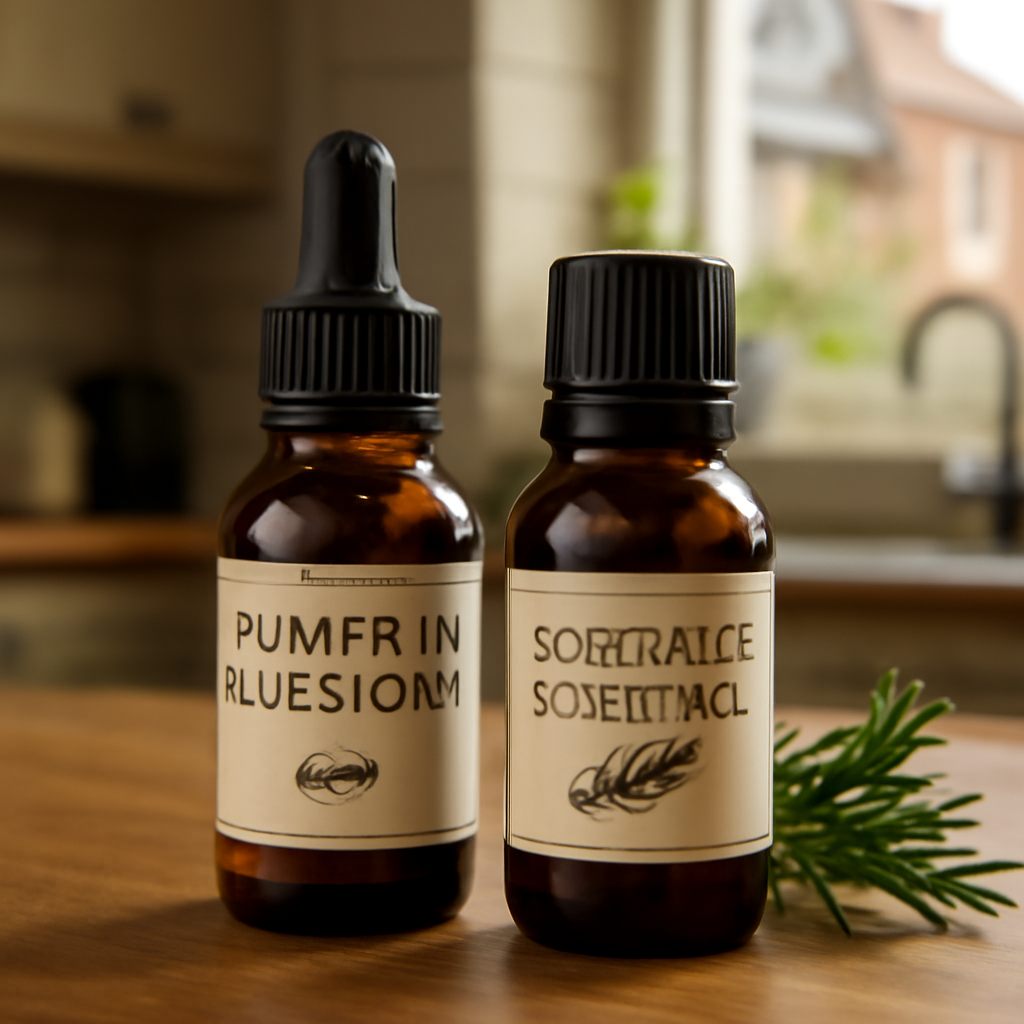
Remember, you’re not just treating the hair—your scalp is a living ecosystem. Treat it with care, pair wisely, and watch the difference unfold.
Step 5: Avoid Common Mistakes When Using Pumpkin Seed Oil for Hair Loss
Let’s cut straight to the point: pumpkin seed oil is a powerhouse, but it’s easy to get it wrong. Even a handful of simple missteps can turn a promising routine into a hair‑loss headache.
First off, think about the amount. Many people pour a whole tablespoon into the shower, only to end up with greasy strands that never dry. A teaspoon—about 5 ml—does the trick for most adults, and it’s enough for a 5‑minute scalp massage. If you’re using the oil internally, stick to ½ teaspoon twice a day; that’s roughly 250 mg each dose and aligns with the 400‑to‑800‑mg daily range suggested by research.
Ever wonder why some users feel a sudden itch after applying the oil? That’s often a sign of over‑application or a reaction to the oil’s natural acids. Keep the scalp clean first—wash with a sulphate‑free cleanser, pat dry, and then dab just a few drops on the scalp. The key is to cover the root area, not to flood the entire head.
Do you know the difference between a “scalp massage” and a “hair massage”? A scalp massage uses gentle circular motions, fingers only, to stimulate blood flow without pulling the hair shafts. A hair massage can damage follicles if you tug too hard. So, press, don’t pull.
What about temperature? Many swear by “warm” oil, but overheating can denature the fatty acids, reducing their anti‑inflammatory power. Warm the oil by rolling the bottle between your palms for 20–30 seconds—no more than 40 °C. That’s warm enough to slip in smoothly but gentle enough to keep the nutrients intact.
One real‑world example: Alex, a 38‑year‑old marketing exec, used two tablespoons nightly for a month and noticed greasy scalp and breakage. Once he cut the dose to a teaspoon, added a nightly cleanse with a mild botanical shampoo, and logged the changes, his hair density improved within six weeks. That’s a reminder that dose matters.
Another common pitfall is neglecting to wash the oil out. Leaving it on for more than a few hours can clog pores, especially if you have sensitive skin. Aim for a 30‑minute leave‑in, then rinse with lukewarm water and a gentle cleanser.
So, what’s the checklist for a mistake‑free routine?
- Use ½–1 teaspoon topically, ½ teaspoon twice a day internally.
- Wash scalp with a gentle, sulphate‑free cleanser before applying.
- Warm the oil lightly; no hot water.
- Massage gently, using circular motions only.
- Leave in for 30 minutes, then rinse.
- Track dose, timing, and any scalp reaction in a simple log.
And here’s a quick fact check: The Cleveland Clinic notes that pumpkin seed oil is a “nutrient‑rich” source of omega‑3s, vitamin E and phytosterols that can help curb DHT, the hormone behind many types of hair loss. While it’s not a silver bullet, consistent, correctly‑applied use can slow shedding and boost scalp health over time.
Remember, the goal isn’t to saturate every hair shaft but to nurture the scalp’s ecosystem. Keep your routine tidy, dose right, and you’ll give pumpkin seed oil the best chance to do what it does best—support healthy hair growth.
Step 6: Monitor Progress and Adjust Your Dosage as Needed
You’ve set your pumpkin seed oil dosage, but how do you know if it’s hitting the mark? The trick is treating your routine like a science experiment, with a dash of patience and a lot of observation.
Start by logging every dose. Keep a tiny notebook or phone note: date, time, amount, how your scalp feels, and any changes to your hair texture.
A simple table works wonders: morning dose, evening dose, scalp moisture, breakage level, and a quick mood emoji if you like. The visual cue makes spotting trends a breeze.
Check in weekly. Look for subtle shifts—perhaps your scalp feels less itchy, or you notice a faint darkening of the hair tips. These micro‑signals tell you the oil’s doing its job.
If you’re noticing a greasy build‑up or the oil seems to sit on the surface, it could mean you’re over‑dosing or not cleansing enough. In that case, cut back by a quarter teaspoon and increase cleansing frequency.
Conversely, if you’re still scratching or your hair feels dry, you might need a touch more oil or a higher dose. Aim for ½ teaspoon in the morning and ½ teaspoon at night, split evenly.
Remember the body’s a slow cooker. Hair growth cycles take about 90 days, so give each change at least six weeks to show results before tweaking again.
Another handy trick: pair the oil with a gentle, sulphate‑free scalp cleanser. The cleaner scalp lets the oil penetrate deeper, so you can use a slightly lower dose with better absorption.
If you’re mixing internal and topical use, keep the two separate in your log. Record the internal dose in the morning, topical dose after washing, and any difference in scalp feel.
Sometimes the change you need isn’t the amount but the timing. Try shifting the topical application to just before bed; the overnight rest lets nutrients soak in while you sleep.
Feel unsure about a tweak? Think about what’s realistic for you. It’s better to stick to a stable routine that’s easy to maintain than to chase perfection every day.
At the end of each month, review the whole picture. Create a simple chart: month on the X‑axis, hair density or scalp comfort on the Y‑axis. Plot your observations and decide the next step.
So, what’s the actionable takeaway? Commit to a consistent log, review weekly, adjust by small increments, and remember that patience is your best ally. Your scalp will thank you over the long haul.
And if you hit a plateau, consider a complementary tweak like a light scalp massage or a brief vitamin‑E supplement. Small, thoughtful adjustments keep the momentum going without overhauling the entire routine. You’ll notice the difference.
FAQ
What is the safest daily dose of pumpkin seed oil for hair loss?
For most adults, 400–800 mg per day is a good starting point. That equates to about a half teaspoon in the morning and a half teaspoon in the evening if you’re eating it. If you’re using it topically, 1 tablespoon per session, 2–3 times a week, works well. Start low and see how your body reacts.
Should I take the oil orally, topically, or both?
Both routes can be beneficial. Oral intake helps block DHT systemically, while topical application nourishes the scalp surface. Many people pair a breakfast splash with a nightly scalp massage. If you’re new, try one method first and add the other after a few weeks to avoid overwhelm.
How quickly can I expect to see results?
Hair cycles take about 90 days, so patience is key. Most people notice subtle changes—less breakage, a firmer scalp—within 6–8 weeks. If you’re diligent, fuller density often shows up around the 12‑week mark. Don’t be discouraged by a slow start; consistency pays off.
Is a half teaspoon enough, or should I go for a full teaspoon?
Half a teaspoon is the conservative, beginner‑friendly dose. It’s about 250 mg, which sits comfortably in the recommended 400–800 mg range when split over the day. A full teaspoon (roughly 500 mg) can be used if you tolerate the initial dose well, but it’s easier to monitor side effects with the smaller amount.
What if I don’t like the taste of pumpkin seed oil?
Mix it into a smoothie, coffee, or a citrus‑based drink to mask the flavour. Warm it slightly—about 40 °C—before stirring; heat releases the fatty acids without scalding. If the taste is still an issue, consider a capsule that contains the same amount of active ingredients.
Can I use pumpkin seed oil with other hair‑care products?
Yes, but timing matters. Cleanse with a gentle, sulphate‑free shampoo first, then apply the oil while your scalp is still damp. Follow up with a light leave‑in conditioner that doesn’t weigh the hair down. Avoid heavy masks that could lock the oil in and reduce absorption.
What signs tell me I’m overdosing or underdosing?
Overdosing can leave your scalp greasier, cause itchiness, or lead to breakage if the oil sits too long. Underdosing may show as little change after several months. Keep a simple log—dose, time, scalp feel, and any breakage—and tweak by a quarter teaspoon each week until you find the sweet spot.
Do I need a specific brand of pumpkin seed oil?
Look for cold‑pressed, unrefined oil that retains its natural phytosterols and omega‑3s. If you’re purchasing a bottle, choose one that’s labelled as 100 % pure and free of additives. The brand’s extraction method matters more than the price tag.
Pair pumpkin seed oil with a complete hair-growth routine
Support your routine with the Complete Hair Loss Treatment Kit, including scalp cleanser, growth shampoo, conditioner and Hair Growth Lotion Spray, with a £25 saving.
Shop the complete kit:
Conclusion
So there you have it – the low‑down on pumpkin seed oil for hair loss dosage. The key is consistency, not hype. If you start with a half‑teaspoon in the morning and a tablespoon at night, you’ll give your follicles the steady fuel they need.
Think of the routine as a gentle daily ritual, not a chore. A quick log in a small notebook or phone note keeps you honest, and you’ll spot patterns before you notice a change.
Remember, 90‑day cycles are the game plan. Expect subtle shifts in texture, less breakage, and a firmer scalp before the 12‑week mark. If a week or two feels flat, tweak the dose by a quarter teaspoon and keep the log.
Don’t forget the synergy of good sleep, balanced protein, and a sulphate‑free cleanser. Those foundations let the oil work its magic and prevent build‑up.
In short, the science backs the dosage, the routine is simple, and the results unfold over months. Stick with it, stay curious, and you’ll see your hair’s potential bloom.
Finally, treat this as a partnership with your scalp. If irritation pops up, scale back or swap to a lighter carrier oil. Consistency beats intensity, and a relaxed mindset keeps the process enjoyable.