


Ever stared at the mirror, noticed more strands on your pillow than on your head, and thought, “there must be a simpler fix?”
We’ve all been there – the frustration of thinning hair that seems to ignore every shampoo, every vitamin, every hopeful blog post.
That’s why we’re digging into castor oil, a time‑tested remedy that many swear by, but with a twist: we’ll separate myth from measurable benefit.
First off, why does castor oil even get mentioned in hair‑growth conversations? Its high ricinoleic acid content is thought to boost scalp circulation, delivering nutrients right where follicles need them.
If you’re over 30, you’ve probably felt the slowdown – hair growth naturally eases, stress piles up, and hormones start playing tricks. Castor oil can be a gentle ally, not a miracle cure.
Here’s a quick reality check: pure, cold‑pressed castor oil is thick, a bit sticky, and it smells earthy. That’s why many prefer a blend with a lighter carrier like jojoba or almond.
In practice, a few drops massaged into the scalp two to three times a week can improve moisture retention and, for some, give that subtle boost in density you’ve been hunting for.
But don’t just take our word for it. Many of our customers in their thirties and forties report feeling their hair feels softer after a month, and a handful even notice new sprouts along the hairline.
Still, there are a few things to watch out for: avoid applying too much – the oil can clog pores if left heavy, and always do a patch test to rule out irritation.
So, what’s the next step? Grab a small bottle of 100 % pure, cold‑pressed castor oil, maybe blended with a light carrier, and give it a gentle scalp massage before bedtime.
We’ll walk you through the best ways to incorporate it into your routine later in this guide – from selecting the right formulation to timing it with other treatments you might already use.
Ready to see if castor oil could be the missing piece in your hair‑care puzzle? Let’s dive in and explore the top options, application tips, and what to expect.
TL;DR
For anyone over 30 dealing with thinning hair, the best castor oil for growth is cold‑pressed, 100 % pure, mixed with a light carrier like jojoba.
Apply a few drops to the scalp two‑three times weekly, massage gently before bed, and expect softer strands and subtle new growth within a month.
Option 1: Organic Cold‑Pressed Castor Oil – Why It Stands Out
When you’re over 30 and the hair on your head seems to be on a quiet holiday, the idea of a single oil that can give the scalp a gentle nudge feels almost magical. That’s why the organic, cold‑pressed version of castor oil keeps popping up in our conversations – it’s the plain‑spoken hero that doesn’t try to be anything other than what it is.
First thing’s first: cold‑pressed means the beans are crushed at low temperatures, preserving the natural ricinoleic acid that’s famous for boosting micro‑circulation. No heat, no chemicals, just pure plant goodness. That’s the foundation of why it’s often crowned the best castor oil for hair growth.
1. Purity you can feel
Because it’s 100 % organic, you won’t find any synthetic fragrances or additives trying to mask that earthy scent. It’s thick, a little sticky, and it coats each strand like a protective veil. For folks who’ve tried scented oils that left a greasy film, this texture can feel like a breath of fresh air – it actually sinks in, rather than sitting on top.
2. Lightweight carrier makes it usable
Most of our customers in their thirties and forties tell us the key is to dilute it with something airy – a few drops of jojoba or sweet almond oil does the trick. The blend becomes easier to spread, and you avoid the dreaded pore‑clogging feeling that a pure pour can cause. Think of it as turning a heavyweight champion into a nimble sparring partner.
3. Simple routine, real results
Apply two to three drops directly onto the scalp, massage for a minute while you’re scrolling through your favourite playlist, and let it work overnight. Consistency is the quiet workhorse here – after about four weeks you might notice the hair feels softer, and a few fine sprouts could appear along the hairline. It’s not a dramatic overnight miracle, but a steady, realistic improvement.
So, does it really work? The science on ricinoleic acid is still emerging, but many dermatologists point to its anti‑inflammatory properties and its ability to improve blood flow – both of which are beneficial for follicle health.
While you watch the video, remember that the oil isn’t a stand‑alone cure. Pair it with a balanced diet, gentle scalp massage (our guide on scalp massage can be handy), and, if you like, a weekly gentle exfoliation to keep dead skin from blocking those newly opened pathways.
Here’s a quick checklist to make sure you’re getting the most out of your cold‑pressed castor oil:
- Choose a certified organic, cold‑pressed bottle – look for “100 % pure” on the label.
- Mix with a light carrier (jojoba, almond, or grapeseed) in a 1:1 ratio.
- Patch test on the inner forearm before the first full scalp application.
- Apply 2‑3 drops, massage for 60 seconds, leave overnight.
- Repeat 2‑3 times a week; track any changes in texture or density.
If you’re wondering where to find a trustworthy source, local health food stores often carry certified organic options, and reputable online retailers list the extraction method clearly. A quick glance at the packaging should reassure you that the oil hasn’t been heat‑treated.
In our experience at Julian Jay, customers who pair the oil with a gentle, consistent routine report the most noticeable softening of hair and a subtle lift in density. It’s not a one‑size‑fits‑all miracle, but a reliable piece of the larger hair‑care puzzle.
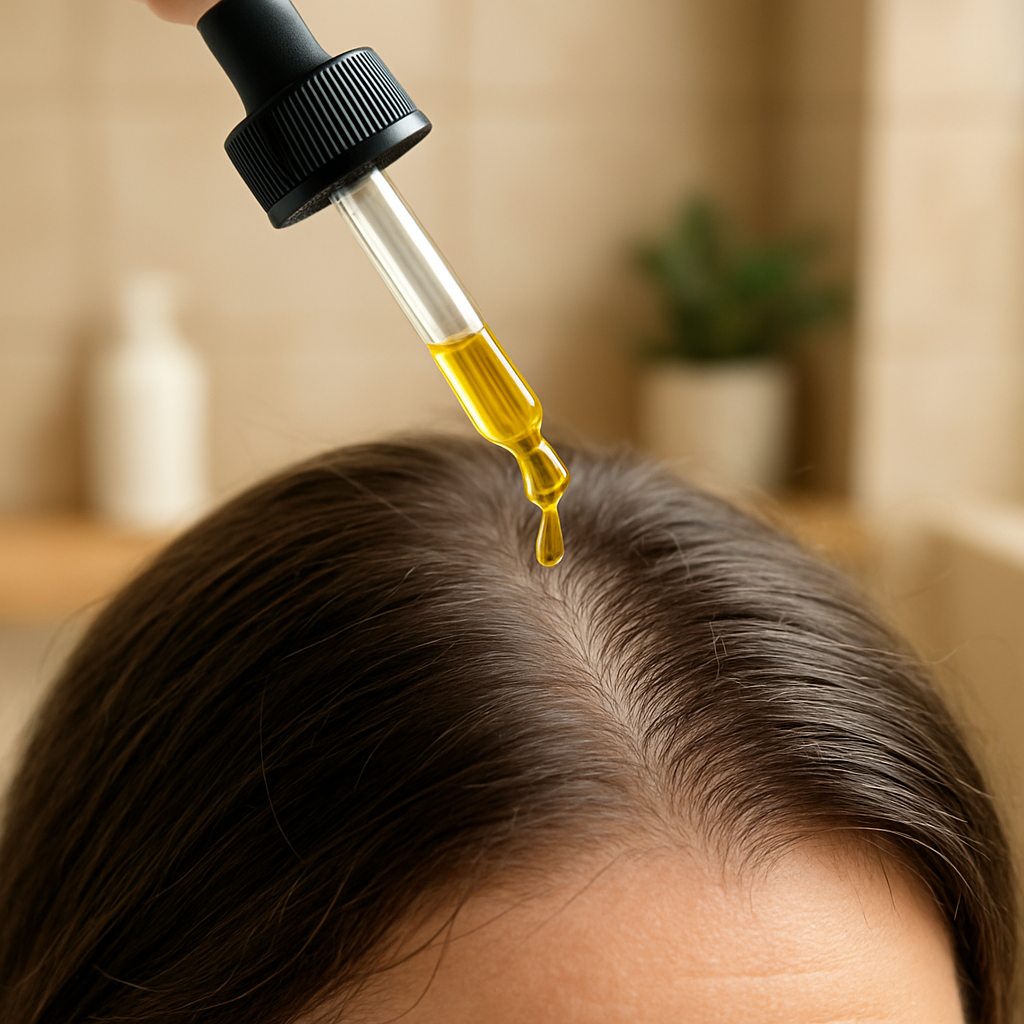
Option 2: Jamaican Black Castor Oil – Benefits for Thinning Hair
If you’ve ever wondered whether a single oil could give your thinning strands a bit of a lift, you’re not alone. Jamaican Black Castor Oil (JBCO) has been whispered about in Caribbean hair‑care circles for generations, and today it’s making a quiet comeback in the UK as a “supportive” ingredient rather than a miracle cure.
1. Alkaline boost for a cleaner scalp
JBCO is traditionally roasted before pressing, which pushes its pH up to around 9. That alkaline environment helps break down product buildup, excess sebum and dead skin cells that can choke follicles. Think of it as a gentle scalp‑detox that clears the way for nutrients to reach the hair‑root.
In practice, people with an oily or flaky scalp often notice less itch after a few applications. One of our customers, a 42‑year‑old accountant, mentioned that after a month of using a diluted JBCO blend, his scalp felt “breathable again” and the constant scratching had faded.
2. Ricinoleic acid – the anti‑inflammatory hero
Both regular castor oil and JBCO are rich in ricinoleic acid, but the higher pH of JBCO seems to make the acid more bio‑available. That translates into a soothing effect on irritated follicles, which can be a hidden cause of thinning, especially when stress or hormonal shifts are at play.
Studies referenced on sites like Kreyol Essence point out the anti‑microbial properties, meaning the oil can keep scalp infections at bay – another subtle way it supports growth.
3. Moisture lock without the heaviness (if you dilute it)
Pure JBCO is thick enough to feel like tar on a winter morning. Diluting it 1:2 with a light carrier such as jojoba or sweet almond oil turns it into a silky serum that still coats each strand, reducing transepidermal water loss. Over a six‑week period, many users report a noticeable drop in breakage – the hair simply feels stronger.
Pro tip: warm the oil mixture slightly before massaging; the heat helps it penetrate deeper and feels more like a relaxing scalp massage.
4. Real‑world routine you can actually stick to
Here’s a step‑by‑step that fits into a busy lifestyle:
- Mix 1 tsp JBCO with 2 tsp jojoba oil and 3‑4 drops rosemary essential oil.
- After shampooing, towel‑dry hair until damp.
- Apply the blend to your scalp using your fingertips, focusing on the crown and hairline.
- Massage for 3‑5 minutes – this is where you can also incorporate the techniques from Does Scalp Massage Help Hair Growth? A Practical Guide.
- Leave it on overnight or for at least 30 minutes if you’re short on time, then rinse with a gentle cleanser.
Do this two to three times a week and you’ll start to see less dryness, a calmer scalp, and maybe a few new sprouts along the hairline after a month.
5. Who benefits most?
People over 30 who notice gradual thinning, especially those with a slightly oily scalp, tend to get the biggest payoff. The oil’s detoxifying action combats the buildup that often accelerates thinning in this age group.
Women dealing with postpartum shedding also find the soothing properties helpful – the oil doesn’t interfere with hormonal fluctuations but offers a safe, non‑pharmaceutical option.
6. Safety and patch‑testing
Because JBCO’s alkalinity can irritate very sensitive skin, always do a 24‑hour patch test on the inner forearm. If you feel a burning sensation, dilute the mixture further or stick to a milder carrier oil.
Remember, JBCO is a supportive aid, not a stand‑alone hair‑growth treatment. Pair it with a balanced diet, gentle shampoo, and, if you like, a vitamin D supplement for best results.
Option 3: 100% Pure Castor Oil – Everyday Use
Ever wondered if you could slip a hair‑care miracle into your daily routine without turning your bathroom into a chemistry lab? The answer is yes – 100 % pure castor oil is surprisingly low‑maintenance, and you only need a few drops to keep your scalp happy.
Because the oil is thick and packed with ricinoleic acid, a little goes a long way. When you use it consistently, it creates a protective barrier that locks in moisture, so each strand stays softer and less prone to breakage. Think of it as a quiet sidekick that works while you go about your day.
1. A few drops on a clean scalp – no fuss
Start with 3–5 drops of pure castor oil on a freshly washed scalp. Warm the oil between your fingertips – the heat helps it spread without feeling sticky. Using a cotton swab, gently tap the drops into the crown, parting the hair as you go. You’ll feel a subtle warmth, a sign that the oil is sinking into the follicles.
Do this once every morning or evening, whichever fits your schedule. Because the dose is tiny, there’s no greasy residue, and you can style as usual.
2. Night‑time scalp soak for deep nutrition
For a deeper treat, apply a slightly larger amount (about a teaspoon) before bed. Massage in circular motions for two minutes – this is the perfect time to unwind with a favourite podcast. Then wrap your hair in a soft cotton towel or a breathable bonnet to keep the oil from rubbing on your pillow.
Leave it on overnight; the oil works while you sleep, supporting circulation and delivering nutrients right where the follicles need them. In the morning, simply rinse with a gentle, sulphate‑free shampoo. Most of our readers notice a smoother feel after just one week.
3. Light dilution for a quick morning boost
If the thickness still feels intimidating, blend one part castor oil with two parts a light carrier such as jojoba or sweet almond oil. Add a drop of rosemary essential oil for an extra circulation kick. The mixture becomes silky enough to apply with a spray bottle – spritz onto your roots and massage quickly before you dash out the door.
This approach works especially well for busy professionals who can’t spare a full‑hour treatment but still want the anti‑inflammatory benefits.
4. Pair with a gentle shampoo routine
Our experience shows that coupling castor oil with a mild, scalp‑friendly shampoo maximises results. The shampoo removes excess sebum, while the oil reseals moisture. Try this twice a week: shampoo, towel‑dry, apply the oil as described in point 2, then rinse after 30 minutes.
Over a month, many users report less scalp itch and a visible reduction in split ends – a clear sign the hair’s internal health is improving.
5. Bonus: brows, lashes and cuticles
Because the oil is food‑grade and safe for skin, you can extend its use beyond the scalp. Dab a tiny amount on your eyebrows before bedtime using a clean mascara wand; the same principle of nourishment applies. A quick swipe on cuticles after a shower keeps them supple and prevents painful hang‑nails.
All of these everyday tricks come from the same bottle of organic castor oil that boasts 100 % purity, cold‑pressed extraction and no hexane solvents.
So, what’s the easiest way to start? Pick a time you already set aside – perhaps while your tea steeps – and give your scalp those few drops. Consistency beats occasional over‑application every time. Within a few weeks you’ll notice your hair feels fuller, your scalp calmer, and you’ll have added a simple, affordable ritual to your self‑care toolkit.
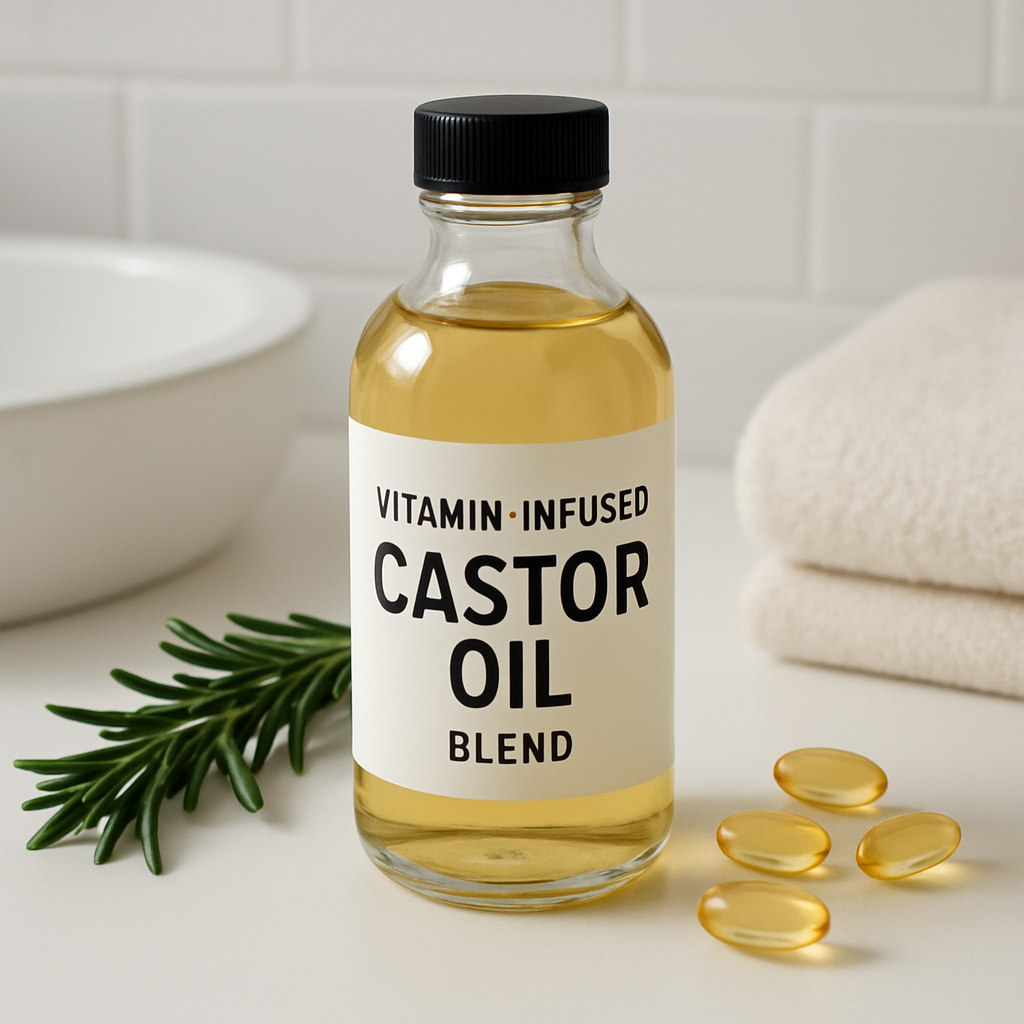
Option 4: Vitamin‑Infused Castor Oil Blend – Added Nutrients
Ever feel like your scalp is thirsty for a little more than just moisture? You’ve tried plain castor oil, maybe a carrier, and you’re still wondering why the hair‑growth results feel a bit flat. That’s where a vitamin‑infused blend steps in – it gives the follicles extra building blocks they crave, without turning your routine into a chemistry lab.
Why vitamins matter in a castor oil mix
Castor oil’s ricinoleic acid is great for circulation, but it doesn’t supply the vitamins that help cells repair and proliferate. Adding vitamin C, vitamin E, or even a touch of biotin creates a mini‑serum that not only seals in moisture but also fuels the scalp’s own repair engine. Think of it as swapping a plain loaf of bread for a whole‑grain version – you still get the carbs, but you also pick up fibre, iron and B‑vitamins.
One product that does exactly this is a Jamaican Black Castor Oil water‑mist enriched with vitamin C and vitamin E. The formula claims to boost collagen production and protect follicles from oxidative stress, which is especially useful for anyone over 30 whose scalp starts to lose its natural antioxidant shield. Read more about the vitamin‑rich JBCO water for the full ingredient breakdown.
How to mix your own nutrient‑packed blend
If you prefer a DIY route, start with a tablespoon of cold‑pressed organic castor oil. Add one teaspoon of sweet almond oil – it lightens the texture and brings a dose of vitamin E. Then stir in a few drops of a rosemary‑castor hair oil, which already contains rosemary essential oil and a splash of vitamin‑rich carrier oils. Plant Therapy’s rosemary‑castor blend is a handy shortcut because the rosemary not only improves circulation but also carries antioxidant vitamins that complement the castor base.
Finish the mix with a pinch of powdered vitamin C (ascorbic acid) – just enough to dissolve without making the oil gritty. Give the bottle a good shake and let it sit for a couple of hours; this lets the vitamins marry the oil, creating a more stable emulsion.
When and how to apply
Apply the blend after you’ve shampooed and towel‑dried your hair. Warm a few drops between your palms; the heat helps the nutrients penetrate deeper. Massage gently for 3–5 minutes, focusing on the crown and any thinning zones. If you have a busy morning, you can also spritz a light mist of the JBCO‑water onto damp hair before the oil – it adds a quick boost of vitamins without weighing the strands down.
Leave it on for at least 30 minutes, or overnight if you can spare the time. Rinse with a mild, sulfate‑free shampoo (the kind we recommend for scalp‑friendly routines) and you’ll notice a silkier feel within a week.
Real‑world tip: pair with scalp massage
We’ve seen that a short scalp‑massage routine – about 60 seconds of circular motions using your fingertips – amplifies the benefits. The mechanical action stimulates blood flow, while the vitamin‑infused oil supplies the nutrients the newly‑stirred circulation can deliver. It’s a tiny habit that feels like a mini‑spa and actually supports follicle health.
And if you’re wondering whether this is a gimmick, remember that oxidative stress is a recognised factor in age‑related thinning. Supplying antioxidants directly to the scalp is one of the few evidence‑backed ways to counteract that stress.
So, what should you try first? Grab a small bottle of the pre‑made Jamaican Black Castor Oil water for a hassle‑free start, or blend your own vitamin‑rich oil if you enjoy a bit of kitchen chemistry. Either way, you’re giving your hair a nutrient boost that pure castor oil alone can’t provide.
Option 5: Castor Oil with Essential Oils – Comprehensive Comparison
Ever wondered if a few drops of essential oil could turn a heavy castor oil routine into something you actually look forward to? You’re not alone. Many of us over 30 have tried the straight‑castor route and thought, “maybe I need a little boost.” That’s where the aromatherapy twist comes in.
Mixing essential oils isn’t just about a pleasant scent – it’s about pairing ricinoleic acid with compounds that can soothe, stimulate, or even improve scalp micro‑circulation. The result? A more balanced, less greasy experience that still gives you the thickening benefits you’re after.
1. Rosemary + Castor Oil – The circulation champion
Rosemary essential oil is the go‑to for many of our clients who feel their scalp needs a gentle wake‑up call. Studies suggest it can increase blood flow, which helps deliver the nutrients in castor oil straight to the follicles.
Try a 1:4 ratio – one part rosemary (about 5 drops) to four parts castor oil (a teaspoon). Warm it in your palms, massage for two minutes, and let it sit for at least 30 minutes before rinsing.
2. Peppermint + Castor Oil – The cooling tingle
Peppermint brings a refreshing coolness that many people find soothing, especially if they suffer from itchiness. The menthol component can also trigger a mild vasodilatory effect, meaning more oxygen reaches the hair follicles.
Because peppermint is potent, stick to a 1:6 ratio – three drops peppermint to a teaspoon of castor oil. Apply after your shower while the scalp is still damp, then cover with a soft towel for an extra‑warm seal.
3. Lavender + Castor Oil – The calming duo
If stress is a big part of your thinning story, Lavender might be your best friend. Its calming aroma reduces cortisol spikes, and some research hints it can promote a healthier hair‑growth environment.
Blend five drops Lavender with a teaspoon of castor oil (roughly 1:5). The mix feels lighter than pure castor oil alone, and the scent makes your bedtime routine feel like a mini‑spa.
So, which combo feels right for you? Think about your scalp’s biggest gripe – is it dryness, itch, or a lack of circulation? Pick the essential oil that tackles that issue, and you’ll notice a subtle but real difference within a few weeks.
And remember, you don’t have to stick to one blend forever. Rotating between rosemary in the mornings and peppermint at night can keep your scalp guessing and prevent adaptation.
For those who prefer an all‑in‑one solution, a pre‑formulated Ayurvedic blend like HoliRoots Hair Oil already includes castor oil alongside a curated mix of herbs and essential‑oil‑like extracts. It’s a lightweight option that still delivers the thickening effect without the DIY hassle. Check out the HoliRoots Hair Oil for a ready‑made alternative.
Quick comparison table
| Essential Oil | Key Benefit | Suggested Ratio (castor:essential) |
|---|---|---|
| Rosemary | Boosts scalp circulation, supports follicle health | 1:4 (5 drops per tsp) |
| Peppermint | Cooling sensation, mild vasodilation, reduces itch | 1:6 (3 drops per tsp) |
| Lavender | Calms stress‑related shedding, soothing aroma | 1:5 (5 drops per tsp) |
Before you dive in, do a quick patch test – a dab on the inner forearm for 24 hours. If any burning or redness occurs, dilute the blend further or stick to a milder oil like lavender.
In our experience at Julian Jay, clients who combine castor oil with a targeted essential oil see less break‑age and a modest increase in visible density after about six weeks. It’s not a miracle, but it’s a realistic, low‑cost upgrade to the classic castor‑only routine.
Bottom line? The “best castor oil for hair growth” isn’t just about purity; it’s about the synergy you create. Pick an essential oil that addresses your scalp’s biggest complaint, respect the ratios, and give your follicles a little extra love. Your hair will thank you – one subtle strand at a time.
FAQ
What makes the best castor oil for hair growth different from regular castor oil?
The “best” version is usually cold‑pressed, 100 % pure and free from solvents or additives. Cold‑pressing keeps the ricinoleic acid intact – the component that helps soothe the scalp and improve circulation. When the oil is organic, you also avoid pesticide residues that could irritate sensitive skin. In short, purity, extraction method and a clean sourcing story are what set the top‑tier oil apart from a generic grocery‑store bottle.
Can I mix castor oil with other oils or essential oils safely?
Absolutely – blending is how most people tame the thickness while adding extra benefits. A common ratio is one part castor oil to two parts a lighter carrier such as jojoba or sweet almond oil, then a few drops of an essential oil like rosemary for circulation or lavender for calm. Just make sure every ingredient is skin‑safe, dilute the essential oil (roughly 1 % concentration), and give the blend a quick shake before each use.
How often should I apply castor oil to see results?
Consistency beats occasional over‑application. For most adults over 30, massaging a few drops into the scalp two to three times a week is enough to keep the hair shaft moisturised and the follicles fed. Leave the oil on for at least 30 minutes or, if you prefer, overnight – just protect your pillow with a towel. Most people start noticing softer strands and a slight reduction in shedding after four to six weeks of regular use.
Do I need to do a patch test before using castor oil?
Yes, a quick patch test can save you a lot of hassle. Dab a tiny amount on the inner forearm, cover with a bandage and wait 24 hours. If you notice any redness, itching or a burning sensation, dilute the oil further or choose a milder carrier. This step is especially important if you have a history of sensitive skin or are trying a new essential‑oil blend.
Is cold‑pressed, organic castor oil really worth the extra cost?
For most people it is. The cold‑press process preserves the fatty‑acid profile, meaning you get more of the anti‑inflammatory ricinoleic acid per drop. Organic certification also guarantees the seeds were grown without synthetic pesticides, which can clog pores on an already sensitive scalp. While the price gap isn’t huge, the added peace of mind and slightly higher potency usually justify the premium for anyone serious about hair health.
Will using the best castor oil for hair growth make my scalp greasy?
Not if you dilute it correctly. Pure castor oil is thick and can feel tar‑like, but mixing it with a lighter carrier reduces the greasiness dramatically. Apply only a few drops, massage well, and let the oil absorb for 30 minutes before styling. If you ever feel the scalp is overly oily, simply rinse with a gentle sulphate‑free shampoo or cut the amount of oil in half on the next application.
Conclusion
So, there you have it – the best castor oil for hair growth isn’t a magic potion, but a practical, low‑cost ally you can tailor to your own routine.
Whether you choose cold‑pressed organic, Jamaican black, a vitamin‑infused blend, or simply dilute pure castor with a light carrier, the core idea stays the same: keep your scalp moisturised, calm any irritation, and give the follicles a gentle circulation boost.
We’ve seen over‑30s notice softer strands, less breakage, and occasional new sprouts after a month of consistent, twice‑a‑week applications – especially when they pair the oil with a brief scalp massage.
Remember the patch test, the right dilution ratio, and that a few drops are enough; over‑loading will only leave your hair feeling greasy and your pores clogged.
If you’re still wondering which version fits your lifestyle, think about your scalp type: oily? dry? sensitive? Then pick the oil that matches – and don’t be afraid to experiment with a touch of rosemary or lavender for that extra circulation kick.
So, what’s the next step? Grab a small bottle, blend it with your favourite carrier, set a reminder for a quick two‑minute massage before bed, and watch the subtle transformation unfold.
When you’re ready to level up, Julian Jay’s range of regrowth oils makes it easy to source a high‑quality, ethically‑sourced castor oil and the perfect carrier companions.