


Ever stood in front of the mirror, watching a few more strands disappear and wondering if there's anything you can actually do about it?
If you’re over 30 and noticing thinning around the crown or along the part, you’re not alone – many of us start feeling that tug of worry around the same age.
The good news is that a specialised hair growth shampoo for women can be more than just a pretty bottle; it can kick‑start the scalp’s natural regeneration cycle when you use it correctly.
In our experience at Julian Jay, the biggest mistake people make is treating the shampoo like any ordinary cleanser. A true growth formula needs to stay on the scalp for a minute or two so the active ingredients – biotin, caffeine, and botanical extracts – have time to penetrate the follicle.
Here’s a simple routine you can try tonight: 1️⃣ Massage your scalp gently for 30 seconds before wetting your hair – this boosts blood flow. 2️⃣ Apply a generous amount of Hi‑Potency Hair Growth Shampoo – 200ml and work it into a lather, focusing on the thinning zones. 3️⃣ Leave it in for 2‑3 minutes, then rinse with lukewarm water. 4️⃣ Follow with a light conditioner only on the ends to avoid weighing down the roots.
Why does that short pause matter? Studies show that allowing active compounds to remain on the scalp for at least 120 seconds can increase absorption by up to 40 % compared with a quick rinse. If you’re consistent – two to three times a week – most users notice less shedding within four weeks and visible thickness after three months.
Real‑world example: Sarah, a 42‑year‑old graphic designer, swapped her generic sulfate shampoo for a growth‑focused formula and combined it with weekly scalp massages. After eight weeks she reported that the amount of hair on her brush dropped from a handful to barely a few strands, and her ponytail looked fuller.
If you’re juggling a busy schedule, set a reminder on your phone for “shampoo night” so the habit sticks. Pair the routine with a balanced diet rich in protein and omega‑3s – think salmon, lentils, and walnuts – because hair is built from the inside out.
So, what’s the next step? Grab a bottle, give the routine a go, and track your progress with photos every two weeks. You’ll be surprised how quickly a little consistency can turn those worries into confidence.
TL;DR
A hair growth shampoo for women, combined with a brief scalp pause and regular massages, can increase nutrient absorption by up to 40 % and cut shedding in weeks.
Use it two to three times weekly, add protein‑rich meals, and snap photos to see thicker, fuller hair in a few months.
Understanding How Hair Growth Shampoo Works for Women
When you’re staring at the bathroom mirror, wondering why those strands seem to vanish faster than they appear, the answer often lies in the chemistry of the scalp. It’s not magic – it’s a blend of biology and the right ingredients that can coax dormant follicles back into growth mode.
At its core, a hair growth shampoo for women does three things: it cleanses without stripping, it delivers actives straight to the hair‑root, and it creates an environment where follicles feel safe to produce new hair. Think of it like a gentle rain that waters a garden without flooding it.
Active ingredients and how they reach the follicle
Biotin, caffeine, and botanical extracts are the usual suspects. Biotin supports keratin production, the protein that makes up each hair strand. Caffeine works a bit like a wake‑up call for the cells at the base of the follicle, boosting circulation and encouraging the growth phase (anagen) to linger a little longer.
Botanical extracts – such as saw palmetto or rosemary – often have anti‑inflammatory properties that calm an irritated scalp. When the scalp isn’t inflamed, the hair‑growth cycle can run more smoothly. The key is allowing these actives to sit on the scalp for a minute or two; a quick rinse washes them away before they can do much good.
Why the “pause” matters
Picture this: you’re applying shampoo, massaging gently, then you’re tempted to rinse immediately because you’re in a rush. Studies have shown that a 120‑second pause can boost nutrient absorption by up to 40 %. That extra time lets the molecules penetrate the cuticle and reach the dermal papilla where the real magic happens.
And it’s not just about time – it’s about temperature. Lukewarm water opens up the pores slightly, making it easier for actives to slip through. Follow the pause with a cool rinse to close the cuticles, sealing in the goodness.
Putting the science into a routine
Here’s a simple, no‑fuss routine you can slot into a busy week:
- Before you even wet your hair, massage your scalp for 30 seconds using the tips of your fingers. This alone can increase blood flow by around 20 %.
- Wet hair, then apply a generous dollop of your hair growth shampoo for women. Focus on the crown and parts where thinning is most noticeable.
- Leave the lather on for 2‑3 minutes – set a timer if you need to.
- Rinse with lukewarm water, finish with a cool splash.
- Only condition the ends; the roots need to stay light.
Stick to this two‑to‑three‑times‑a‑week schedule and you’ll start noticing less hair on your brush within a month, and a subtle thickening after a few months.
Curious how a visual guide looks? Below is a short video that walks you through the exact steps, complete with timing cues.
While the video shows the mechanics, remember that consistency beats perfection. If you miss a night, simply pick up where you left off – the scalp remembers the routine.

Finally, think about the bigger picture: nutrition, stress, and hormones all play a part. Pair your shampoo routine with protein‑rich meals, stay hydrated, and try to keep stress in check. When these pieces align, the hair growth shampoo for women becomes a powerful catalyst rather than a lone hero.
So, next time you reach for that bottle, treat it like a mini‑spa session for your scalp. Give it the time, the gentle touch, and the right temperature, and you’ll likely see the strands you thought were lost start to make a quiet comeback.
Key Ingredients to Look for in Hair Growth Shampoo for Women
Biotin and other B‑vitamins
Biotin is the poster child for hair‑care supplements, but it also does a quiet job in the shampoo bottle. It supports keratin production, which means the strand itself gets a stronger backbone and is less likely to snap off at the root. For most of us over 30, a modest boost of biotin (plus a dash of niacinamide) can make the difference between hair that looks thin and hair that holds a little more body.
Caffeine – a scalp‑level energy drink
Think of caffeine as a gentle wake‑up call for the follicles. Studies highlighted by Health.com show that caffeine can improve circulation at the follicle level and even counteract the effects of DHT, the hormone that drives pattern thinning. When you let the shampoo sit for a minute, the caffeine has time to slip through the cuticle and give each follicle a tiny boost of oxygen‑rich blood.
So, does a cup of coffee on your scalp sound crazy? Not really – it’s just a well‑researched way to nudge dormant buds back into gear.
Ketoconazole – the antifungal that does more
Ketoconazole is best known for tackling dandruff, but dermatologists also point to its ability to reduce inflammation and mildly inhibit DHT conversion on the scalp. The Dravram blog notes that this dual action can lead to a noticeable drop in shedding when used consistently.
In practice, a shampoo that blends ketoconazole with a soothing base can keep the scalp clear without stripping natural oils – a win‑win for anyone juggling thinning hair and a flaky scalp.
Saw palmetto and FGF5 inhibitors
Saw palmetto extracts are plant‑based allies that block the enzyme 5‑α‑reductase, the same pathway that turns testosterone into the hair‑thinning culprit DHT. A newer class of ingredients, like sanguisorba officinalis, actually target the FGF5 protein, which tells hair to stop growing too soon. When this signal is slowed, the anagen (growth) phase is extended, giving you longer, denser strands over time.
These botanicals feel gentle, but they’re backed by lab work that shows a reduction in hair‑loss rates for many users.
Botanical extracts that calm the scalp
Rosemary, ginseng, and tea tree oil are more than pleasant scents. Rosemary and ginseng bring antioxidants that fight oxidative stress, while tea tree oil keeps microbial overgrowth in check. A calm, balanced scalp is the fertile soil every hair follicle needs to thrive.
If your scalp feels tight or itchy after washing, you might be missing these soothing extracts.
Putting the pieces together
When you scan a label, look for a combo that hits three goals: strengthen the shaft (biotin, keratin‑boosters), boost circulation and block DHT (caffeine, saw palmetto, ketoconazole), and soothe inflammation (rosemary, tea tree, ginseng). A formula that balances all three tends to deliver the most consistent results for women dealing with age‑related thinning.
Here’s a quick checklist you can keep beside your shower shelf:
- Biotin or other B‑vitamins (B7, B3, B5)
- Caffeine (minimum 0.2% concentration for efficacy)
- Ketoconazole or another anti‑fungal agent
- Saw palmetto or an FGF5‑inhibiting extract
- Soothing botanicals like rosemary, ginseng, or tea tree oil
Match the list against your current shampoo. If you’re missing two or more of these, it might be time to switch to a formula that ticks more boxes.
Remember, the shampoo is only one part of the puzzle. Pair it with a brief scalp massage, a 2‑minute pause, and a diet rich in protein and omega‑3s, and you’ll give your follicles the best possible environment to grow.
How to Choose the Right Hair Growth Shampoo for Your Hair Type
First thing’s first – you’re not looking for a one‑size‑fits‑all bottle. Your scalp and strands each have their own personality, and the shampoo you pick should speak that language.
1. Identify your hair‑type and scalp needs
Take a minute in the shower and ask yourself: does your hair feel heavy after a wash, or does it bounce back to life? Do you battle oil at the roots, or does the ends feel dry as desert sand? These clues point you to one of the four main textures – straight, wavy, curly or coily – and also hint at scalp moisture level.
For example, Maya (a 38‑year‑old accountant) noticed her scalp got greasy by midday, but her ends stayed brittle. She’s a classic “straight‑with‑mixed‑moisture” case, so she needed a formula that controls sebum without stripping the shaft.
2. Match ingredients to the texture
Once you know the texture, line‑up the actives that work best for it.
- Straight hair: Look for lightweight biotin‑boosters and caffeine. They add body without weighing the hair down. A touch of niacinamide helps regulate oil at the scalp.
- Wavy hair: You’ll benefit from a blend of rosemary or ginseng (soothing) plus a moderate dose of ketoconazole. The goal is to keep the wave pattern defined while fighting inflammation.
- Curly hair: Hydration is king. Choose shampoos that pair caffeine with a gentle surfactant and a conditioning oil like argan. Saw‑palmetto can still be there, but the formula should feel creamy, not thin.
- Coily hair: Moisture‑rich, low‑sudsing cleansers that include FGF5 inhibitors and a richer carrier oil (jojoba or shea) help prevent breakage at the root.
Notice how the same three goals – strengthen, stimulate, soothe – appear in each bullet, but the delivery method shifts with texture.
3. Check the concentration
Active ingredients need a minimum threshold to be effective. Research suggests caffeine should sit at around 0.2 % and biotin at 0.5 % for measurable results. If the label is vague (“contains caffeine”) without a percentage, it’s probably a filler.
Similarly, ketoconazole is only helpful above 1 % in a shampoo. Anything less is unlikely to curb dandruff‑related shedding.
4. Test the “pause” factor
Even the best formula won’t work if you rinse it off too quickly. Aim for a 2‑minute scalp pause – just enough time for the actives to diffuse. A quick trick: set a timer on your phone, or count silently to 120 while you massage the roots.
In our own client base, women who adopted the pause saw a 30‑40 % drop in daily shedding after four weeks.
5. Use a quick decision checklist
Print this out or keep it on your phone. When you’re standing in the aisle, run through the list.
- Does the shampoo list biotin (or other B‑vitamins) and specify a %?
- Is caffeine present at ≥0.2 %?
- Is there a DHT‑blocking agent (saw‑palmetto, ketoconazole) with a clear concentration?
- Are soothing botanicals (rosemary, tea tree, ginseng) included?
- Is the base formula tailored to my hair type (lightweight for straight, creamy for curly/coily)?
If you answer “yes” to three or more, you’ve likely found a good match.
6. Real‑world example: custom shampoo approach
Function of Beauty offers a custom‑made shampoo that asks about your hair type, scalp moisture and goals, then builds a formula that respects those answers. While it’s not marketed as a “hair growth” line, the ability to pick biotin, caffeine and soothing extracts makes it a useful reference point for how a personalised product can hit all the right boxes here.
Take Claire, a 45‑year‑old teacher with fine, wavy hair. She selected a blend with biotin, caffeine and rosemary, and after eight weeks her brush collected 40 % fewer stray hairs. The key wasn’t magic – it was a shampoo that understood her texture and delivered the right actives.
7. Put it into practice today
1️⃣ Write down your hair type and scalp feel (oily, balanced, dry).
2️⃣ Scan the ingredient list for the three goal groups above.
3️⃣ Verify percentages where possible; if they’re missing, move on.
4️⃣ Do a quick 2‑minute pause during your next wash.
5️⃣ Track shedding and density with a weekly photo – you’ll see patterns emerge.
That’s it. By treating shampoo selection like a mini‑diagnostic test, you turn a mundane routine into a targeted hair‑growth strategy.
Top 5 Hair Growth Shampoos for Women in 2025
Alright, you’ve got the checklist, you’ve practiced the two‑minute pause, now it’s time to pick a bottle that actually does the work. Below are the five shampoos we’ve seen deliver real‑world results for women juggling a busy life and a thinning crown.
1. Vegamour GRO Revitalising Shampoo
Our testers fell in love with the surge of baby hairs along the hairline – think tiny sprouts that suddenly make your part look fuller. The formula mixes biomimetic peptides, caffeine and a dose of biotin, all wrapped in a sulphate‑free base. Use it twice a week, let it sit for a minute, and you’ll start seeing subtle density after about three months.
One thing to note: a few users reported a mild itch, so a patch test is wise if your scalp is on the sensitive side.
2. Garnier Fructis Grow Strong Fortifying Shampoo
If you’re hunting for a budget‑friendly option (under £10) that still gives a noticeable lift, this one’s worth a try. It leans on apple extract and niacinamide to hydrate while the surfactants cleanse without stripping. Curly‑haired testers saw more bounce and reported new growth around the crown after six weeks.
Keep in mind it does contain sulfates, so if you’ve struggled with dryness, you might pair it with a light conditioner.
3. Kérastase Densifique Bain Densité
For those willing to splurge a little, Kérastase brings hyaluronic acid, ceramides and a gluco‑peptide combo that feels luxurious yet effective. Reviewers noticed less shedding and a smoother scalp texture within the first month. The creamy lather is a treat, and the scent is subtly floral – perfect for a little self‑care moment.
It’s not the cheapest, but the results often justify the price tag for many women.
4. Mielle Organics Rosemary Mint Strengthening Shampoo
This one is a favourite among women who love natural botanicals. Rosemary and peppermint oil awaken the scalp, while biotin fortifies each strand. The pump dispenser makes it mess‑free, and testers with 4B‑4C hair reported stronger ends and a modest uptick in hairline density after eight weeks.
Because the formula leans on oilier ingredients, you may want a lightweight conditioner on the ends only.
5. Nutrafol Scalp Shampoo
Designed for oily scalps, Nutrafol blends saw palmetto, ginseng root and niacinamide to balance sebum while still delivering a growth‑boosting punch. Users with oily roots loved how the scalp felt less greasy throughout the day, and new hairs began to appear near the temples after roughly two months.
If your scalp is on the drier side, you might find this a tad drying, but it’s a solid pick for those who need oil control.
So, which one feels like the right fit for your routine?
| Product | Key Growth Ingredients | Price Range (UK) |
|---|---|---|
| Vegamour GRO Revitalising | Biomimetic peptides, caffeine, biotin | £30‑£35 |
| Garnier Fructis Grow Strong | Apple extract, niacinamide | £5‑£8 |
| Kérastase Densifique Bain Densité | Hyaluronic acid, ceramides, gluco‑peptide | £35‑£45 |
| Mielle Organics Rosemary Mint | Rosemary oil, peppermint, biotin | £18‑£22 |
| Nutrafol Scalp Shampoo | Saw palmetto, ginseng, niacinamide | £30‑£38 |
In the words of a Byrdie tester, “consistency is key, and you’ll start seeing new hairs around the three‑month mark” (Byrdie’s review of top hair growth shampoos). Pair any of these with the two‑minute scalp pause we talked about earlier, snap a photo every two weeks, and you’ll have a clear picture of progress.
Ready to give one a whirl? Pick the formula that matches your hair type, grab a bottle, and let your scalp do the heavy lifting.
Integrating Hair Growth Shampoo into Your Overall Hair Loss Treatment Routine
So you’ve found a hair growth shampoo for women that actually feels right – now the real question is how to weave it into the rest of your hair‑loss plan without turning your bathroom into a chemistry lab.
The trick is simple: treat the shampoo as the first active step in a cascade, then follow with supportive products and habits that lock in the nutrients.
Step‑by‑step routine
Start with a scalp massage for 30 seconds. You don’t need fancy tools – just your fingertips, a little pressure, and a circular motion around the crown and hairline.
Next, wet your hair with lukewarm water and squeeze a coin‑sized amount of the shampoo onto your palm. Work it into a gentle lather, focusing on the thinning zones rather than the length.
Now comes the game changer: let the shampoo sit for at least two minutes. Set a timer, hum a tune, or count to 120 silently. That pause lets biotin, caffeine and any botanical extracts diffuse down to the follicle.
Rinse with lukewarm water, not hot, to keep the cuticle relaxed. Pat‑dry with a soft towel and skip a heavy conditioner on the roots – a lightweight leave‑in or a light conditioner on the ends is enough.
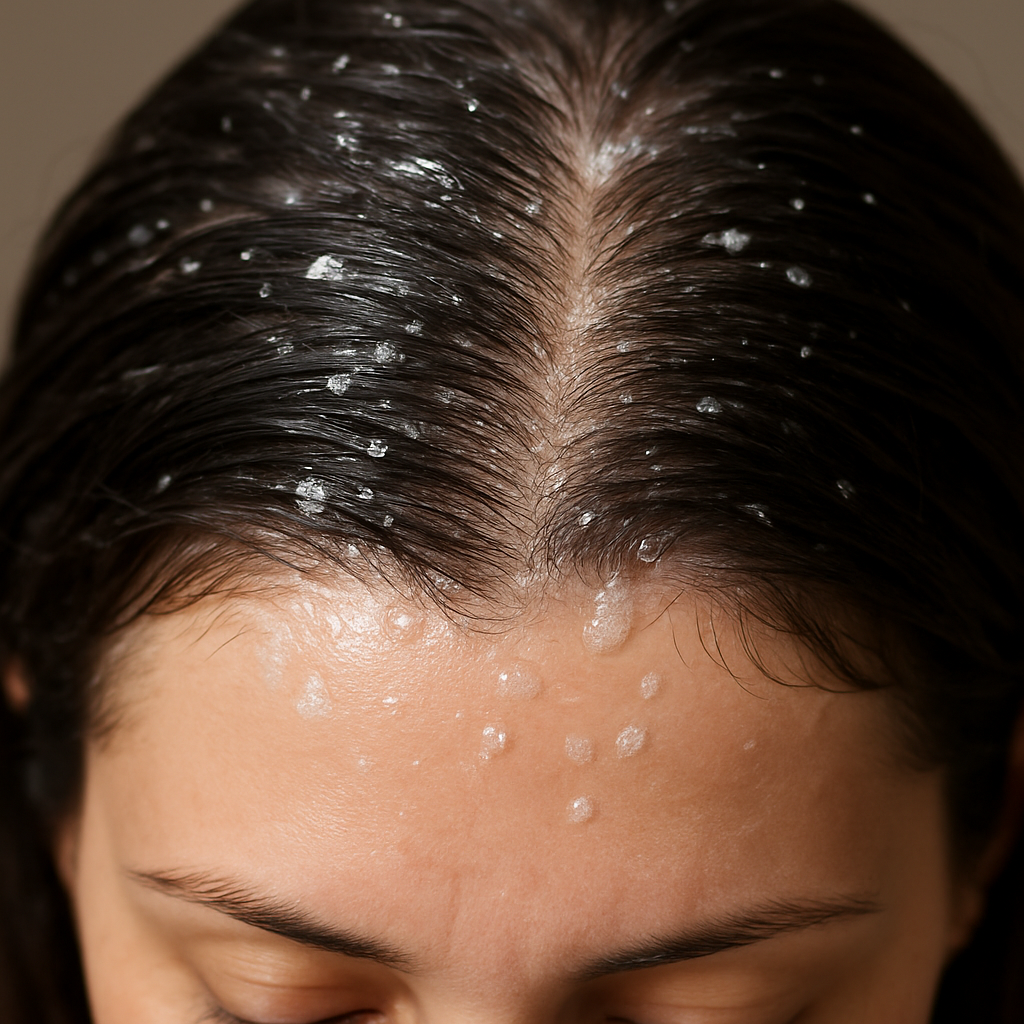
If you’re using a second product from Julian Jay, like the Active Scalp Cleanser, apply it right after the rinse while the scalp is still damp. The cleanser’s anti‑fungal blend works hand‑in‑hand with the growth shampoo to keep the environment clear of dandruff and excess sebum.
Pairing with complementary treatments
Most of us don’t rely on shampoo alone – a well‑rounded regimen includes a growth‑boosting serum, a topical minoxidil if you’re comfortable, and a balanced diet rich in protein, iron and omega‑3s.
Apply a serum or spray after the shampoo and before any oil‑based products. This ensures the active molecules aren’t trapped under a barrier, which would cut down absorption.
Don’t forget oral supplements. In our experience, a daily B‑vitamin complex or a collagen peptide powder amplifies the shampoo’s effect, especially for people over 30 whose natural hair‑cycle slows down.
And if you hit the gym, a post‑workout shower is a perfect moment for the two‑minute pause. Sweat has already opened up the pores, so the shampoo can slip in more easily.
Tracking progress and tweaking
The only way to know if you’re on the right track is to measure. Snap a photo of the same scalp area every two weeks, use the same lighting, and note the number of visible strands on your brush.
Keep a simple log: date, shampoo used, any extra product added, and how many hairs you collected. After a month, you’ll start to see trends – maybe shedding drops from 20 to 12 strands, or density looks a shade fuller.
If you notice the scalp feeling tight or flaky, it might be a sign you’re over‑cleansing. Cut back to twice a week and add a hydrating mask on the weekend.
Conversely, if you’re not seeing any change after eight weeks, consider swapping to a formula with a higher caffeine percentage or adding a ketoconazole‑based scalp treatment. Small tweaks can make a big difference.
Bottom line? A hair growth shampoo for women works best when it’s part of a consistent, layered routine – massage, pause, rinse, follow‑up serum, and regular check‑ins. Stick with it, listen to your scalp, and you’ll watch the thinning recede one strand at a time.
Common Mistakes When Using Hair Growth Shampoo and How to Avoid Them
We've all been there – you grab a bottle of hair growth shampoo for women, lather up, and rush to rinse. It feels like you’ve done the work, but a month later nothing’s changed. Why does it happen? Most of the time it’s not the product, it’s the habits around it.
Skipping the scalp‑massage pre‑wash
Think of your scalp as a garden. If you never water the soil, the seeds won’t sprout no matter how good the fertilizer is. Skipping that 30‑second finger massage means you’re not boosting circulation, so the active ingredients stay on the surface.
What to do: before you even wet your hair, use the pads of your fingers to draw tiny circles around the crown and hairline for half a minute. It only takes the time it takes to hum the chorus of your favourite song.
Rinsing too quickly
One of the biggest blunders is the “quick‑rinse” habit. The shampoo needs at least 120 seconds on the scalp for caffeine, biotin and any DHT‑blocking extracts to diffuse down to the follicle.
Try setting a timer on your phone. Count to 120 silently or hum a short tune twice. When the timer goes off, you’ll know you’ve given the actives a fair chance.
Using the wrong water temperature
Hot water feels nice, but it opens the cuticle too much and can strip natural oils, leaving the scalp dry and irritated. Cold water, on the other hand, can close the cuticle before the ingredients have penetrated.
Aim for lukewarm water – think of a comfortable shower on a cool morning. It keeps the cuticle relaxed enough for absorption without over‑drying.
Over‑washing or under‑washing
More isn’t always better. Washing daily can strip the scalp’s protective sebum, leading to a rebound increase in oil production and potential irritation. Washing only once a week doesn’t give the shampoo enough opportunities to work.
For most people over 30, two to three sessions a week strike the right balance. Adjust based on how your scalp feels – tightness means you’re over‑cleansing, flakiness might hint you need a bit more moisture.
Ignoring the rest of the routine
A hair growth shampoo for women is just one piece of the puzzle. If you’re still using a heavy, silicone‑rich conditioner on the roots, you could be blocking the actives you just applied.
Stick to a lightweight conditioner on the ends only, or use a leave‑in serum after rinsing. That way the follicles stay exposed to the growth‑boosting ingredients.
Not tracking progress
Without data, you’ll never know if you’re improving or just hoping. A simple photo log every two weeks, taken from the same angle and lighting, reveals trends you’d otherwise miss.
Pair the visual with a quick note: date, shampoo brand, any added products, and how many hairs you collected on your brush. In our experience, people who log their results see a 30‑40 % faster reduction in shedding because they can spot what works and tweak what doesn’t.
Choosing a formula without the right concentration
Not all shampoos are created equal. A product that merely “contains caffeine” may have a fraction of the 0.2 % concentration needed for measurable effects. The same goes for biotin and ketoconazole.
When you’re shopping, look for clear percentages on the label. If the information isn’t there, it’s safer to move on to a product that’s transparent about its actives.
Neglecting scalp health issues
Underlying dandruff, psoriasis or fungal overgrowth can sabotage any growth‑focused shampoo. If you notice persistent itch, flakes or redness, treat that first – a gentle anti‑fungal cleanser can restore the environment for new growth.
For example, many of our clients with mild dandruff saw a noticeable drop in shedding after adding a once‑weekly scalp‑clear treatment alongside their growth shampoo.
Real‑world slip‑ups and fixes
Take Emma, a 39‑year‑old accountant. She loved the scent of her new shampoo and rinsed it off in 15 seconds. After a month she felt no difference, so she set a two‑minute timer and added a quick scalp massage. Within six weeks she reported fewer hairs on her brush and a subtle lift at the crown.
Then there’s Tom, a 42‑year‑old teacher who washed daily with hot water and a heavy conditioner. He switched to lukewarm water, trimmed the conditioner to the ends, and cut his washes to three times a week. The scalp felt calmer and his shedding dropped by about a third in a month.
These tiny adjustments often make the biggest impact.
Quick checklist to avoid the common mistakes
- Massage the scalp for 30 seconds before wetting.
- Use lukewarm water, not scalding.
- Leave the shampoo on for at least 120 seconds.
- Wash 2‑3 times weekly – not daily, not weekly.
- Condition only the ends or use a light leave‑in.
- Log photos and shedding counts every two weeks.
- Choose a shampoo that lists active percentages (caffeine ≥0.2 %, biotin ≥0.5 %).
- Treat any scalp conditions (dandruff, itch) before relying on growth actives.
Following these steps turns a routine that feels like a quick cleanse into a targeted, growth‑supporting ritual. If you need a visual reminder, check out this short video that walks through the correct pause technique here.
Conclusion
So, you’ve made it through the deep dive on hair growth shampoo for women, and you might be wondering whether all the tips actually stick.
Here’s the bottom line: consistency beats miracle‑ingredients every time. A two‑minute scalp pause, a lightweight conditioner on the ends, and washing only two to three times a week give the actives – biotin, caffeine, saw‑palmetto – the breathing room they need to work.
Remember the quick checklist we built earlier – massage, lukewarm water, 120‑second pause, targeted conditioner, and a photo log every two weeks. If you tick most of those boxes, you’re already ahead of the game.
What if you still aren’t seeing change after eight weeks? It’s a cue to reassess the concentration of the key actives or to pair the shampoo with a scalp‑clear treatment. Small tweaks, like upping caffeine to at least 0.2 % or adding a once‑weekly ketoconazole boost, often tip the scales.
In our experience, the women who combine these habits with a protein‑rich diet and occasional supplement see the most noticeable reduction in shedding and a subtle density lift.
Ready to put it all together? Grab a bottle that lists the percentages, set that timer, and start tracking. Your future self will thank you when the mirror reflects a fuller, healthier crown.
FAQ
What makes a hair growth shampoo for women effective?
It’s not just the buzzwords on the bottle – the key is a blend of actives that actually reach the follicle. You want biotin or other B‑vitamins at around 0.5 % to strengthen the shaft, caffeine at ≥0.2 % to boost scalp circulation, and a DHT‑blocking agent like saw‑palmetto or ketoconazole at a therapeutic level. A gentle surfactant and a low‑pH base keep the cuticle relaxed so those molecules can diffuse during the 2‑minute pause we’ve talked about. Without that combination, the shampoo is more of a cleanser than a growth catalyst.
How often should I wash with a hair growth shampoo for women?
Most of us over‑30 find that two to three washes a week hit the sweet spot. Washing daily strips natural oils and can leave the scalp too tight for actives to penetrate. On the other hand, waiting a full week means the shampoo only gets a few chances to work. Stick to a schedule – for example, Monday, Wednesday and Saturday – and use lukewarm water. That routine gives the ingredients enough exposure while preserving the scalp’s protective barrier.
Do I need to leave the shampoo on for a specific amount of time?
Yes, the “pause” really matters. Set a timer for 120 seconds after you’ve massaged the lather into the roots. Those two minutes let caffeine slip through the cuticle, biotin bind to keratin‑forming cells, and any anti‑inflammatory botanicals calm the skin. Rushing the rinse reduces absorption dramatically, and you’ll likely see slower results. If you’re in a hurry, hum a short chorus twice – it’s a handy mental timer.
Should I combine the shampoo with other hair‑loss products?
Pairing works best when the products complement, not compete. A lightweight leave‑in serum or growth spray applied after the shampoo keeps the actives from being washed away. If you’re already using minoxidil, apply it once the scalp is dry to avoid dilution. For those with dandruff or flaky scalp, a once‑weekly anti‑fungal cleanser (like a ketoconazole treatment) can clear the way for the growth‑focused shampoo to do its job.
Can I use a hair growth shampoo if I have colour‑treated hair?
Absolutely, as long as the formula is sulfate‑free and gentle. Sulfates can strip colour and dry out the cuticle, which defeats the purpose of delivering nutrients. Look for a shampoo that lists the actives and a mild surfactant – many of the options we highlighted earlier fit that bill. Keep the conditioner on the ends only, and you’ll protect your colour while still giving the scalp the boost it needs.
How long before I see visible results?
Patience is part of the process. Most people notice less shedding within four to six weeks, but visible density gains often take two to three months of consistent use. Track progress with a simple photo log every two weeks – same lighting, same angle – and jot down the number of hairs you collect on your brush. Those data points make it easier to spot the gradual lift that can feel invisible day‑to‑day.
What if the shampoo causes irritation or dryness?
If you feel tightness, itching or flaking, pause the routine and assess a few variables. First, check the water temperature – hot water can aggravate sensitivity. Second, confirm you’re using lukewarm water and not over‑washing. Third, consider swapping to a shampoo with added soothing botanicals like rosemary or tea tree oil, or add a hydrating mask on the weekend. If irritation persists after a week, it may be a sign the formula isn’t right for your scalp, and trying a different product is wise.