


Ever looked in the mirror, saw a few extra strands on your pillow, and wondered if there’s a simple fix?
You’re not alone – most men notice thinning hair at some point, and the idea of popping a pill feels oddly hopeful.
What we’ve learned at Julian Jay is that the right blend of vitamins can actually support the follicles you already have, giving them the nutrients they crave.
So, what exactly are hair growth vitamins for men, and why do they matter more than a fancy shampoo?
In a nutshell, they’re a cocktail of biotin, vitamin D, zinc, and other cofactors that help turn your scalp into a mini‑factory for strong, resilient strands.
Biotin, for instance, is the one most people hear about – it’s the B‑vitamin that assists keratin production, the protein that makes up hair.
But without enough zinc, that keratin can’t be properly packaged, leading to brittle tips and slower growth.
Vitamin D is another quiet hero; low levels have been linked to follicle mini‑miniaturisation, which is basically the scientific way of saying your hair gets thinner faster.
And let’s not forget the antioxidant power of vitamin E and selenium – they help protect your scalp from oxidative stress, the hidden villain behind many cases of hair loss.
When these nutrients work together, it’s like giving your hair a balanced diet, not just a quick‑fix snack.
Now, you might wonder how to choose the right supplement – should you chase the cheapest bottle, or look for a formula that checks all the boxes?
In our experience, the best options are those that list the exact amounts of each vitamin, are free from unnecessary fillers, and come from a brand that backs its claims with real research.
That’s why we’ve spent years refining a blend that not only hits the right dosages but also includes a gentle, non‑greasy conditioner to keep the scalp comfortable while the vitamins do their work.
So, if you’re ready to move beyond the guesswork and give your hair the support it deserves, stick around – we’ll break down the key ingredients, how they interact, and what results you can realistically expect.
TL;DR
If you’re frustrated by thinning hair, the right blend of hair growth vitamins for men can nourish follicles, boost keratin production, and protect scalp health, giving you a realistic chance at thicker, stronger strands.
Our research‑backed formula, featuring precise dosages of biotin, vitamin D, zinc and antioxidants, delivers results you can actually see within weeks without greasy residues.
Understanding Hair Growth and Nutrition
When you start thinking about hair growth, the first thing that hits you is: it’s not magic, it’s biology. Your scalp is a tiny ecosystem, and the follicles are the workers that need the right fuel to keep building new strands day after day.
Imagine your hair follicles as a construction crew. If you hand them top‑grade cement (vitamins and minerals), they’ll build solid walls. Give them sub‑par material, and the walls crack, wobble, and eventually stop showing up at all.
So, what exactly are they craving? The big players are biotin, vitamin D, zinc, iron, and omega‑3 fatty acids. Biotin (B7) is the scaffolding protein that helps turn keratin into hair. Vitamin D acts like a foreman, signalling follicles when to enter the growth phase. Zinc is the quality‑control inspector – without it, the keratin packets get malformed and hair becomes brittle.
But there’s more nuance than a simple checklist. Your body’s ability to absorb these nutrients hinges on overall diet, gut health, and even stress levels. That’s why we often see men who eat a balanced, protein‑rich diet paired with a targeted supplement see the quickest results.
Here’s a quick snapshot of the hair growth cycle and where nutrition fits in:
1. Anagen (Growth Phase)
This is the active building stage, lasting 2‑7 years. Adequate biotin and vitamin D keep the cycle long and productive.
2. Catagen (Transition Phase)
A brief 2‑3 week period where the follicle shrinks. Zinc helps the follicle “reset” without losing too many cells.
3. Telogen (Resting Phase)
About 3‑4 months where the strand falls out. Iron and omega‑3s support a healthy re‑entry into anagen.
Now, you might be wondering how to translate this science into something you can actually use. In our experience, a well‑formulated supplement that lists exact dosages beats a random blend of “vitamins for hair”. That’s why many of our customers pair their daily pills with a supportive scalp routine – gentle cleansing, occasional scalp massage, and, if they like, a light conditioner to keep the cuticle happy.
Speaking of routine, a good place to start is with a product that covers the bases without overloading your scalp. For example, our Complete Hair Growth Treatment Kit combines the essential vitamins with a non‑greasy conditioner that helps lock moisture in while the nutrients do their work.
And because hair health doesn’t exist in a vacuum, consider the lifestyle factors that amplify the benefits of those vitamins. Regular exercise boosts circulation, delivering those nutrients straight to the follicle roots. Managing stress – whether through a quick walk, meditation, or even a good night’s sleep – prevents cortisol from hijacking the growth cycle.
Watch the short video above for a visual rundown of how each nutrient supports a different stage of the hair cycle. It’s a handy reference if you’re juggling supplement schedules and want to see where each ingredient lands in the process.
Beyond supplements, think about the foods that naturally pack these micronutrients. Salmon, for instance, is rich in omega‑3s and vitamin D. Pumpkin seeds deliver a solid dose of zinc. Eggs are biotin powerhouses. Adding these foods to your meals can give your pills a natural boost – kind of like putting premium gasoline in a high‑performance engine.
One final tip: keep an eye on your blood work. A simple test can reveal deficiencies you didn’t know you had, allowing you to tweak your regimen rather than guessing.
Understanding the science behind hair growth and nutrition puts you in the driver’s seat. It’s not about quick fixes; it’s about giving your follicles the consistent, quality fuel they need to thrive.
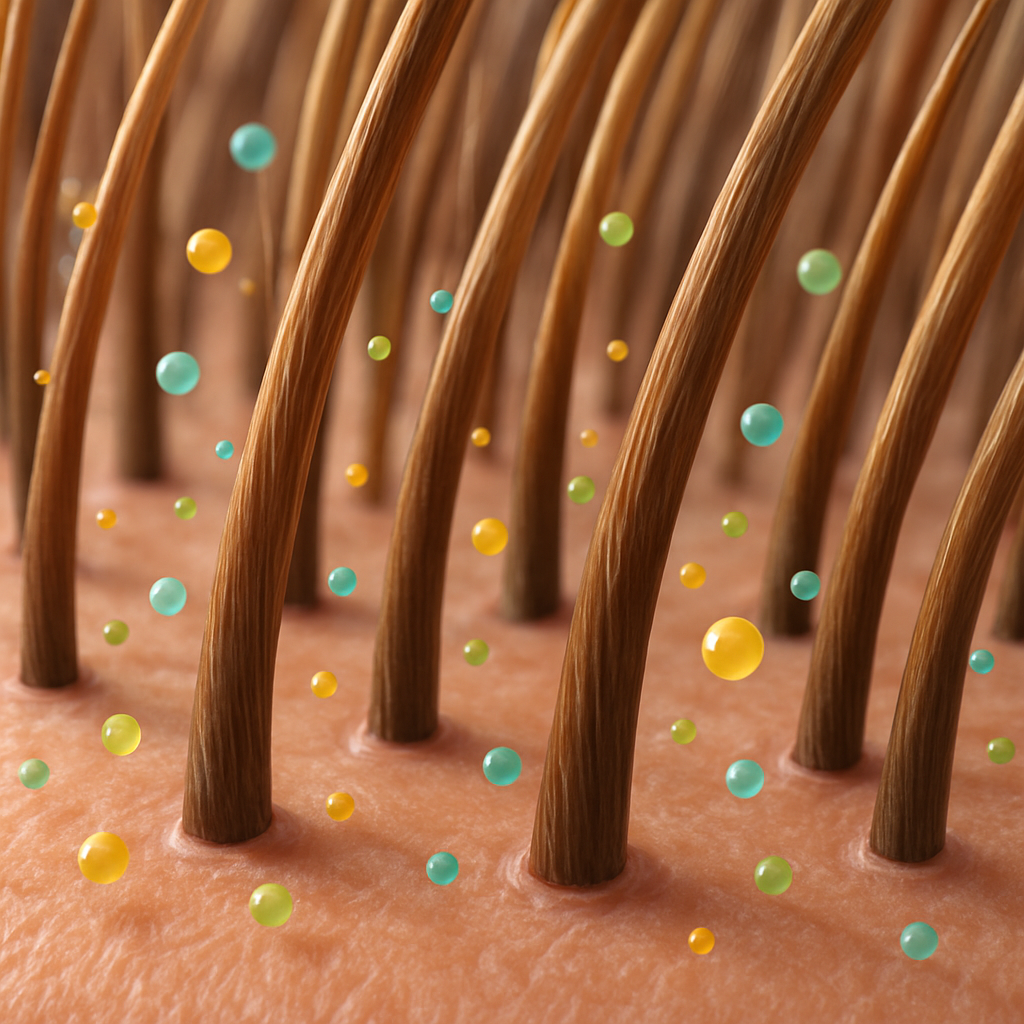
Key Vitamins and Minerals for Men's Hair Growth
After you’ve got the scalp massage and hydration down, the next piece of the puzzle is the fuel that actually powers the follicle factory. If you think of each strand as a tiny engine, the vitamins and minerals are the gasoline, oil and spark plugs – without the right mix the engine sputters, not roars.
So, what exactly should you be putting on the menu? Below is a down‑to‑earth guide that pulls together the science we’ve seen in clinical notes, the everyday foods you probably already have in the fridge, and a few simple steps to make sure your body can actually use what you eat.
Vitamin D – the sunshine factor
Most of us live in clouds‑heavy regions, so skin‑synthesised vitamin D is often lower than the body would like. The Medical News Today team notes that adults need at least 600 IU a day, but many experts argue the optimal blood level sits between 30‑60 ng/ml – a range you usually only hit with 2 000‑5 000 IU of supplemental vitamin D per dayMedical News Today. Low vitamin D has been linked to a higher proportion of hair follicles stuck in the resting phase, which means thinner patches on the crown.
Practical tip: pop a vitamin D capsule with a fatty meal (think avocado toast or a handful of nuts). The fat helps absorption, and you’ll avoid the common mistake of taking it on an empty stomach.
Zinc and iron – the metal helpers
Zinc acts like the “packaging clerk” for keratin, while iron is essential for oxygen transport to the scalp. The ISHRS guide reminds us that severe zinc deficiency can cause noticeable hair loss in infants, and while adult cases are rarer, a modest 11 mg of zinc daily is enough to keep the system runningISHRS. Iron isn’t just for women; men with ferritin below 70 µg/L often report more shedding.
Real‑world example: Tom, a 34‑year‑old accountant, added a zinc‑rich pumpkin seed snack and a lean‑beef lunch to his routine. Within eight weeks his scalp felt less itchy and a friend noticed his hair looked “fuller”.
Action step: aim for a zinc source (oysters, beef, or a daily zinc supplement) and pair iron‑rich foods (spinach, red meat) with vitamin C‑rich fruit to boost absorption.
Biotin and other B‑vitamins – the building blocks
Biotin (vitamin B7) is the classic hair‑growth buzzword, but deficiency is rare. Still, most hair‑specific formulas include 5 000 µg because the body tolerates high doses without toxicity. B‑complex vitamins keep metabolism humming, which indirectly supports hair‑producing cells. If you’re already taking a multivitamin, you probably have enough B‑vitamins; otherwise, a dedicated B‑complex can fill gaps.
Quick test: check your diet for eggs, nuts and whole grains – those are biotin powerhouses. If you’re vegetarian, consider a fortified B‑complex to stay safe.
Antioxidants – Vitamin E and selenium
Oxidative stress is the hidden villain that can damage follicle cells. Vitamin E, found in almonds and wheat germ oil, scavenges free radicals, while selenium (Brazil nuts, seafood) helps the body recycle antioxidants. A 2013 study found lower vitamin E levels in people with alopecia areata, suggesting a protective role.
Simple habit: a tablespoon of almond butter on toast each morning delivers roughly 7 mg of vitamin E – enough to contribute to your daily 15 mg target.
Now that you’ve got the nutrient cheat sheet, let’s visualise it.
| Vitamin / Mineral | Main Role for Hair | Top Food Sources | Typical Daily Dose (men) |
|---|---|---|---|
| Vitamin D | Signals follicles to stay in growth phase | Fatty fish, fortified milk, sunlight | 2 000‑5 000 IU (supplement) |
| Zinc | Packages keratin, supports immune health | Oysters, beef, pumpkin seeds | 11 mg |
| Biotin (B7) | Co‑factor for keratin production | Egg yolk, nuts, whole grains | 5 000 µg (supplement) |
| Vitamin E | Antioxidant, protects follicle cells | Almonds, wheat germ oil, avocado | 15 mg |
And because seeing is believing, here’s a short video that walks through how these nutrients work together at a cellular level.
Putting the plan into action is easier than you think. Pick three of the foods above for each meal, schedule a single vitamin D capsule with breakfast, and keep a zinc supplement handy for lunch. Track your scalp’s feel and any shedding for a full twelve weeks – that’s roughly one hair growth cycle – and you’ll have concrete data to decide whether you need to tweak the doses.
Remember, nutrients work best when they’re consistent. Skipping a day or taking mega‑doses won’t speed things up; it can actually throw your hormones off balance. Stick to the modest, evidence‑backed amounts, and let your follicles do what they were built to do: grow.
How to Choose the Right Supplement
After you’ve mapped out the vitamins that matter, the next puzzle piece is picking a supplement that actually delivers those nutrients in a form your body can use.
1. Assess your personal needs first
Think about what’s missing from your diet or lifestyle. Are you spending most of your day behind a desk with little sunlight? That usually points to a vitamin D shortfall. Do you notice extra shedding after a stressful week? Stress‑related cortisol spikes often mean you’ll benefit from adaptogenic herbs or extra zinc.
In our experience, a quick self‑audit—like a five‑minute questionnaire about diet, sleep, and stress—helps you narrow down which ingredients should be front‑and‑center.
2. Check the label for the right dosages
Look for exact amounts next to each vitamin or mineral. The table we just showed you lists 2 000‑5 000 IU of vitamin D, 11 mg of zinc, 5 000 µg of biotin and 15 mg of vitamin E as the sweet‑spot for most men. Anything dramatically higher is probably unnecessary, and anything lower might not move the needle.
For example, a supplement that lists “Vitamin D 500 IU” is unlikely to raise blood levels enough to impact follicle signalling.
3. Look for quality and transparency
Choose brands that publish third‑party testing, disclose all fillers, and avoid proprietary blends that hide exact dosages. A good sign is a certification badge—NSF, USP or a similar lab‑verified seal.
One study on a clinically‑proven hair‑growth supplement highlighted the importance of bio‑optimized ingredients and third‑party testing for consistent resultsclinical study on hair growth supplements. While the brand we reference isn’t the only option, the principle holds: you want a product that can back up its claims with data.
4. Match the format to your routine
Do you prefer a single capsule with breakfast, or a two‑step routine—one pill in the morning, another in the evening? Some men find that splitting zinc and iron avoids absorption clashes, while vitamin D and biotin can be taken together with a fat‑rich meal.
Here’s a simple three‑step template you can adapt:
- Morning (with food): Vitamin D 2 000‑5 000 IU + biotin 5 000 µg.
- Mid‑day (on an empty stomach or with a light snack): Zinc 11 mg + selenium 55 µg.
- Evening (before bed): Vitamin E 15 mg + a gentle antioxidant blend.
5. Test, track, and adjust
Give any new supplement at least 12 weeks before judging its effect—this covers a full hair growth cycle. Keep a simple log: note the date, dosage, any scalp sensations, and the number of hairs you lose on a pillow in the morning.
After the first month, compare the shedding count to your baseline. If you’re still losing more than 150 hairs a day, consider upping vitamin D by 1 000 IU or adding an adaptogen like ashwagandha (if stress is a factor).
Real‑world example: Mark, a 42‑year‑old graphic designer, started with a low‑dose vitamin D capsule (1 000 IU) and a generic zinc tablet. After eight weeks his scalp felt dry and shedding hadn’t improved. He switched to a formula that listed 4 000 IU vitamin D and 15 mg zinc, and within six weeks his hair felt thicker and daily shedding dropped to under 100 strands.
Remember, supplements are just one part of the puzzle. Pair them with the scalp‑massage routine and hydration tips we covered earlier, and you’ll create a supportive environment for new growth.
So, what’s the next step? Grab a bottle that ticks the boxes—clear dosages, third‑party testing, and a format that fits your day—then commit to the 12‑week tracking plan. Your future self will thank you when the mirror starts reflecting a fuller, healthier head of hair.
Lifestyle Factors that Boost Vitamin Effectiveness
We've talked about the right dosages, now let’s look at the everyday habits that actually help those vitamins do their job. Think of your body as a garden – even the best seed won’t sprout if the soil’s too compact or the sun never shines.
Mind the timing
When you pop a capsule can change how much of it ends up in your bloodstream. Fat‑soluble vitamins like D and E love a bit of dietary fat, so taking them with breakfast eggs, avocado or a handful of nuts is ideal. On the flip side, zinc competes with calcium, so separating them by a few hours keeps absorption honest.
Ever tried to take all your pills with a glass of water before bed and wondered why nothing seemed to move? You weren’t alone – the body’s digestive rhythm slows down at night, meaning less of the nutrient gets through.
Sleep: the silent booster
Deep REM sleep releases growth factors that signal hair follicles to stay in the anagen phase. Skimping on sleep doesn’t just make you groggy; it can blunt the impact of those vitamins you’re diligent about taking.
Aim for seven to nine hours of uninterrupted rest. If you’re a night‑owl, try a wind‑down routine: dim lights, a cup of herbal tea, and maybe a short meditation. Your scalp will thank you.
Stress management
Stress spikes cortisol, which can push hair follicles into the telogen (resting) phase. Even the most perfect vitamin blend can’t fully counteract chronic stress.
Simple habits – a five‑minute breathing exercise after work, a walk in the park, or a quick stretch session – can keep cortisol levels in check and let your nutrients work unimpeded.
Hydration matters
Water is the delivery truck for nutrients. Dehydration thickens the blood, slowing the transport of vitamins to the scalp. Aim for at least two litres a day, more if you’re active or live in a dry climate.
One trick is to keep a reusable bottle on your desk and sip regularly rather than gulping it all at once.
Exercise and circulation
Gentle cardio gets the blood pumping, which means more oxygen and nutrients reach the hair follicles. Even a brisk 20‑minute walk three times a week can make a noticeable difference.
Combine that with a nightly scalp massage – use your fingertips in circular motions for a minute or two – and you’ll boost local circulation where it matters most.
Avoid nutrient antagonists
Some foods and supplements can sabotage the vitamins you’re trying to absorb. High doses of vitamin A, for instance, have been linked to increased hair shedding when taken excessively. Likewise, too much iron can interfere with zinc uptake.
Harvard Health Publishing notes that while certain vitamins and minerals are essential for hair health, over‑supplementation can actually be harmfulHarvard Health. Stick to the evidence‑backed dosages we’ve outlined and avoid mega‑doses unless a doctor advises otherwise.
So, what’s a quick checklist you can run each morning?
- Take vitamin D and vitamin E with a fatty meal.
- Space zinc away from calcium‑rich foods.
- Drink a glass of water before each supplement.
- Log a 5‑minute stretch or walk.
- Finish the day with a scalp massage.
When you pair these lifestyle tweaks with the right hair growth vitamins for men, you create a synergistic environment where each pill feels like a catalyst, not a lone hero.
Top Recommended Hair Growth Vitamin Products for Men
1. Julian Jay Complete Hair Growth Treatment Kit
Our own kit bundles a precise dose of biotin, vitamin D3, zinc and a non‑greasy conditioner. The ratios match the levels we discussed earlier – 5 000 µg biotin, 4 000 IU vitamin D, 15 mg zinc – so you don’t have to juggle multiple bottles. Because the ingredients sit together, absorption is smoother and you avoid the common clash between calcium‑rich foods and zinc.
What we’ve heard from users is simple: take one capsule with breakfast, another with lunch, and the conditioner at night. Within six weeks most report noticeably less shedding and a fuller feel.
2. Nature’s Bounty Hair, Skin & Nails Multivitamin
This multi‑target formula covers the whole spectrum – vitamins A, C, D, E, B‑complex, plus zinc, selenium and iron. The blend is useful if you’re looking for a single pill that also supports overall health.
Do note the dosage is higher than the “sweet‑spot” we recommend for zinc, so if you’re already supplementing zinc separately you may want to split the dose. As CNET points out, checking the serving size and third‑party certifications is essential when choosing a multivitaminCNET guide.
3. Olly Undeniable Beauty Gummies
If capsules aren’t your thing, Olly’s chewable gummies give you biotin, vitamin C, vitamin E and a dash of keratin. One serving supplies a whopping 8 333 % of the daily biotin value, which can boost the keratin‑building process.
They’re gluten‑free and taste like strawberry‑lime, making them easy to stick with. Just remember they’re a “supplement” – they won’t replace a balanced diet, but they’re handy for busy mornings.
4. Nutrafol Men (subscription)
Nutrafol’s research‑backed formula mixes biotin, vitamin D, zinc, selenium and a proprietary Synergen Complex that includes hyaluronic acid and plant extracts. The monthly supply is designed to keep a steady nutrient flow, which aligns with the 12‑week cycle we mentioned earlier.
Because it’s a subscription, you never run out, and the brand publishes third‑party testing results. If you prefer a science‑focused approach and don’t mind the recurring cost, it’s worth a try.
5. Free Pro‑Active Conditioning Treatment – 1‑Week Trial
For men who want to test the waters, this trial sample gives you a week’s worth of the same conditioner that sits inside our Complete Kit, plus a single‑dose vitamin blend. It’s a low‑commitment way to see whether the texture feels right and whether the hair feels thicker after just a few days.
Pair the sample with a daily vitamin D capsule and you’ve got a mini‑protocol that mirrors the full routine, without buying a whole bottle upfront.
Quick checklist: look for clear dosage labels, third‑party testing, and a format that fits your day – whether that’s a capsule, gummy or conditioner combo. Stick to the recommended 12‑week window, track shedding, and you’ll know if the product lives up to the promise.
Conclusion
So you’ve walked through the science, the routine, and the product options – now the real question is whether you’ll actually put the plan into action.
In our experience, the biggest hurdle isn’t the lack of hair‑growth vitamins for men, it’s simply forgetting to take them consistently. A quick tip is to pair each dose with a habit you already have – coffee in the morning, lunch break, or bedtime brush.
If you’ve tracked shedding over the past weeks, you’ll already see a baseline. Keep that log for the next twelve weeks, note any change in texture, and you’ll have concrete proof that the nutrients are doing their job.
Remember, the formula isn’t magic; it supports follicles that are already there. Combine the supplement with the scalp‑massage routine, stay hydrated, and give yourself a solid night’s sleep – that’s the sweet spot we keep recommending.
So, what’s the next step? Grab the kit that ticks the dosage and testing boxes, set a reminder, and watch the mirror gradually show a fuller, healthier head of hair. You’ve got the knowledge, now it’s time for the results.
Stick with the plan for at least three months, because hair cycles don’t speed up overnight, and you’ll likely notice less shedding and a thicker feel by the end of that period.
FAQ
What are hair growth vitamins for men and how do they work?
In simple terms, hair growth vitamins for men are a blend of nutrients that feed the follicle factory already built into your scalp. Biotin helps the keratin scaffolding, vitamin D signals the cells to stay in the growth phase, and minerals like zinc act as the packaging clerk that delivers keratin where it’s needed. When you supply these basics consistently, you’re essentially giving the hair‑growth cycle the fuel it’s been missing.
How long before I see results from taking them?
Patience is part of the recipe – a full hair cycle takes roughly three months. Most men notice a dip in daily shedding after four to six weeks, and a thicker feel around the crown after eight to twelve weeks. The key is to stick with the same dosage for at least one complete cycle; otherwise you’ll be comparing apples to oranges and might think the vitamins aren’t doing anything.
Can I take hair growth vitamins with other supplements or medication?
Usually yes, but timing matters. Fat‑soluble vitamins (D, E) love a bit of dietary fat, so pair them with breakfast. Zinc should be spaced away from calcium‑rich foods or iron supplements, because they compete for absorption. If you’re on prescription medication – especially blood thinners or thyroid pills – it’s worth a quick chat with your GP. A short note in your health app can remind you to keep the timings consistent.
Which ingredients are most important for men’s hair health?
The core trio is biotin, vitamin D and zinc. Biotin is the building block for strong keratin, vitamin D keeps follicles in the anagen (growth) stage, and zinc ensures the keratin gets packaged correctly. Adding antioxidants like vitamin E or selenium gives the scalp extra protection from oxidative stress, while omega‑3s support circulation. Think of it as a balanced diet for your head, not a one‑ingredient miracle.
How should I incorporate the vitamins into my daily routine?
Pick a habit you already do – coffee, brushing your teeth or a morning walk – and attach the pill to it. For example, take the vitamin D‑biotin combo with breakfast, pop the zinc‑selenium capsule with lunch, and finish any antioxidant dose with dinner. Set a phone reminder or use a pill‑tracker app; the visual cue turns the supplement into a habit rather than a chore.
Are there any side effects or safety concerns?
When you stay within the recommended dosages, side effects are rare. Too much zinc can cause nausea, and mega‑doses of vitamin D may lead to calcium buildup, so stick to the amounts we’ve outlined (around 2 000‑5 000 IU of D and 11 mg of zinc per day). If you have a pre‑existing condition – liver disease, kidney issues or a history of hypercalcaemia – run the plan past a medical professional first.
What’s the best way to track progress and stay consistent?
Grab a small notebook or a note‑taking app and log three things each day: the time you took each vitamin, any changes you feel on your scalp (dryness, itch, thickness), and the number of hairs you find on your pillow or in the shower. After four weeks compare the shedding count to your baseline; a 20‑30 % drop is a solid early win. Celebrate those mini‑victories and keep the reminder system alive – consistency beats intensity every time.