


Ever glance at the mirror and notice a widening gap where your hair used to be, and think, "Is there a natural fix for this?" That fleeting moment of doubt is something we all share.
What if I told you that regrowing thinning hair doesn’t have to involve a cocktail of chemicals or pricey clinic visits? In our experience, simple lifestyle tweaks, scalp care rituals, and a few proven ingredients can coax dormant follicles back to life.
First, picture your scalp like soil. If it’s compacted or lacking nutrients, seeds – in this case, hair follicles – struggle to sprout. By gently exfoliating, massaging, and feeding the area with the right nutrients, you create a fertile ground for growth.
So, how to regrow thinning hair naturally? Start with a balanced diet rich in biotin, zinc, and omega‑3s; think eggs, nuts, leafy greens, and oily fish. These build the proteins your hair craves. Pair that with a daily scalp massage – just a few minutes using your fingertips – to boost blood flow and signal the follicles that it’s time to work.
But nutrition and massage are only half the story. Ever tried a gentle, chemical‑free shampoo that contains tea tree oil or ketoconazole? They help clear excess sebum and keep the follicles unclogged, which is essential for natural regrowth.
And there’s a surprisingly easy habit that many overlook: limiting heat and harsh styling. When you let your hair air‑dry a bit more, you reduce breakage and let the new growth stay intact.
Does this all sound a bit much? It’s actually a series of tiny, manageable steps that fit into a typical day. One week of mindful eating, a quick scalp rub before bedtime, and swapping your regular shampoo for a gentle, anti‑fungal option can set the stage for visible improvement.
Ready to give your hair a natural boost? Let’s dive into each of these strategies in detail, so you can start seeing thicker, healthier strands without a trip to the clinic.
TL;DR
Boost thinning hair naturally by eating biotin‑rich foods, massaging your scalp daily, swapping to a gentle anti‑fungal shampoo, and cutting back on heat styling. These small, consistent habits work together to unclog follicles, nourish growth, and help you see thicker strands without costly clinics in just weeks and boost confidence.
Step 1: Optimise Your Diet for Hair Health
If you’ve ever stared at a thinning crown and wondered whether a grocery list could be the secret weapon, you’re not alone. The truth is, the foods you munch on day‑to‑day act like fuel for the tiny factories that build each strand.
Think of your hair follicles as tiny workers on a construction site. When they’re supplied with quality timber – proteins, vitamins, minerals – the building goes smoothly. When the supplies are sketchy, the site stalls and you start seeing gaps.
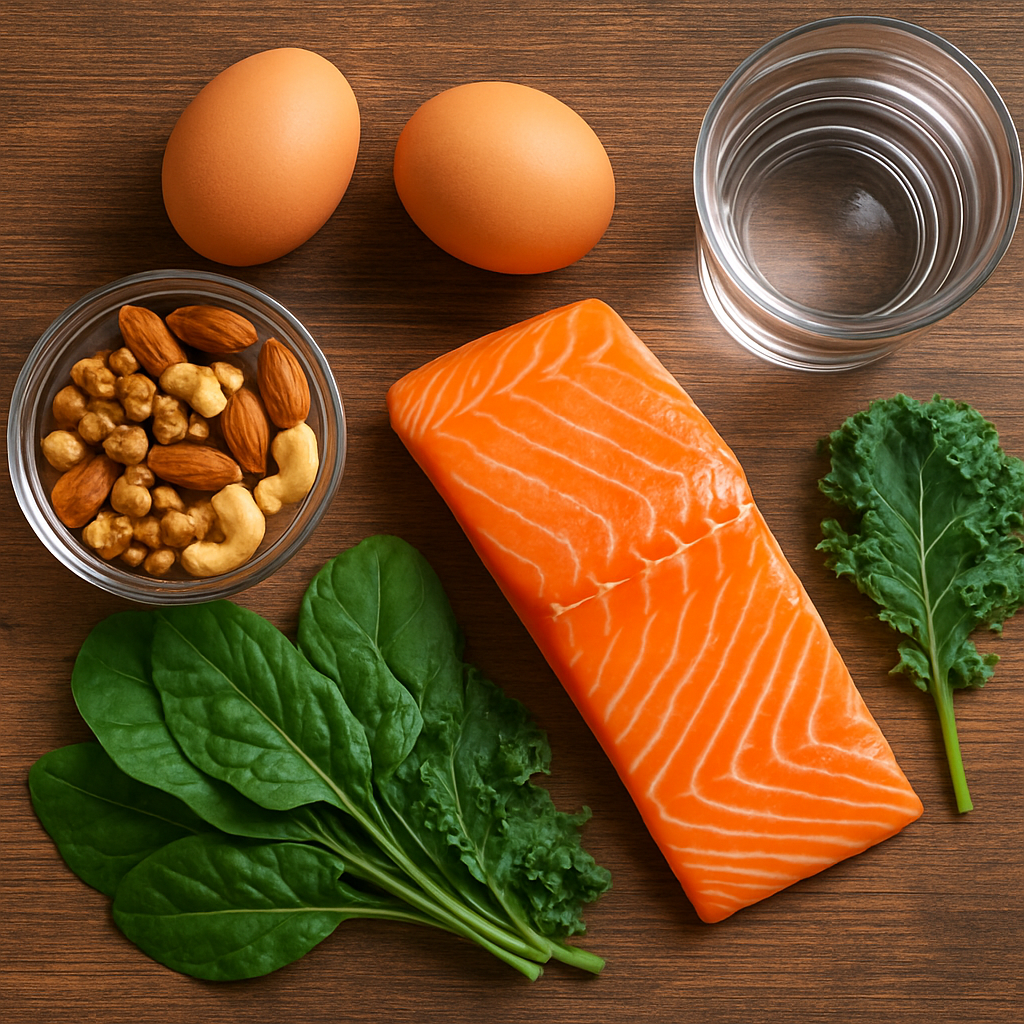
So, what should you be putting on your plate? First up, biotin. This B‑vitamin isn’t a magic pill, but it does help convert the protein you eat into keratin, the main material of hair. Eggs, almonds, sweet potatoes and oats are all biotin‑rich and easy to add to breakfast or a mid‑day snack.
Next, zinc. Low zinc levels have been linked to hair shedding because the mineral supports hormone balance and immune health. A handful of pumpkin seeds, a serving of lean beef, or a lentil stew can boost your intake without feeling like a chore.
Omega‑3 fatty acids are another cornerstone. They lubricate the scalp, reduce inflammation and improve blood flow – all good news for follicle vitality. Grab a portion of salmon, mackerel, or a tablespoon of chia seeds in your smoothie.
Now, let’s talk about iron. Iron deficiency is a notorious cause of diffuse thinning, especially for women. Pair iron‑rich foods like spinach, quinoa or turkey with a source of vitamin C (think citrus or bell peppers) to enhance absorption.
But it isn’t just about adding – it’s also about cutting. Highly processed sugars and trans fats can spike insulin and trigger hormonal fluctuations that tighten up the scalp’s blood vessels. Swapping that sugary cereal for a bowl of Greek yoghurt with berries is a tiny tweak with big payoff.
Wondering how to keep track of all these nutrients without turning your kitchen into a lab? A simple food diary can work wonders. Jot down what you eat each day, note how your hair feels, and look for patterns. Over a week you’ll spot which meals coincide with less shedding.
Here’s a quick checklist you can paste on your fridge:
- Biotin source at every breakfast (egg, nuts, oats)
- Zinc snack mid‑morning (pumpkin seeds, cheese)
- Omega‑3 lunch or dinner (fatty fish, chia, walnuts)
- Iron + vitamin C combo at dinner (spinach salad with orange slices)
- Limit added sugar to one sweet treat per day
And because habit sticks when it feels natural, try pairing your meals with a five‑minute scalp massage. While you’re waiting for your tea to steep, use your fingertips to draw tiny circles on your scalp. That extra circulation helps deliver the nutrients you’ve just fed your body straight to the follicles.
Does this sound like a lot? Not really – it’s just a handful of swaps that fit into a regular routine. In our experience at Julian Jay, clients who commit to these dietary basics notice less breakage within a month and a subtle thickening after a few weeks.
Ready to give your hair the nutrition it craves? Start by swapping one snack today for a zinc‑rich handful of pumpkin seeds and see how you feel tomorrow.
Remember, you don’t need a fancy supplement regimen to see results – real, whole‑food nutrition does the heavy lifting.
Step 2: Scalp Massage Techniques that Stimulate Growth
Ever felt that tight knot on your scalp after a long day, then thought, "What if that pressure could actually help my hair?" It’s not a myth – a gentle rub can boost circulation and give follicles the signal they need to start growing again.
In our experience, the most effective massages are simple, don’t require fancy tools, and can be squeezed into any routine. Below is a step‑by‑step guide that shows you exactly how to turn a five‑minute scalp rub into a growth‑boosting habit.
1. Warm‑up your fingertips
Start by rubbing your palms together for a few seconds. Warm skin absorbs pressure better, and the heat helps relax the muscles that often tighten around the hair roots. If you like, splash a few drops of a carrier oil – coconut or jojoba – onto your palms. The oil isn’t mandatory, but it lets your fingers glide smoothly and adds a little extra nourishment.
2. The basic circular motion
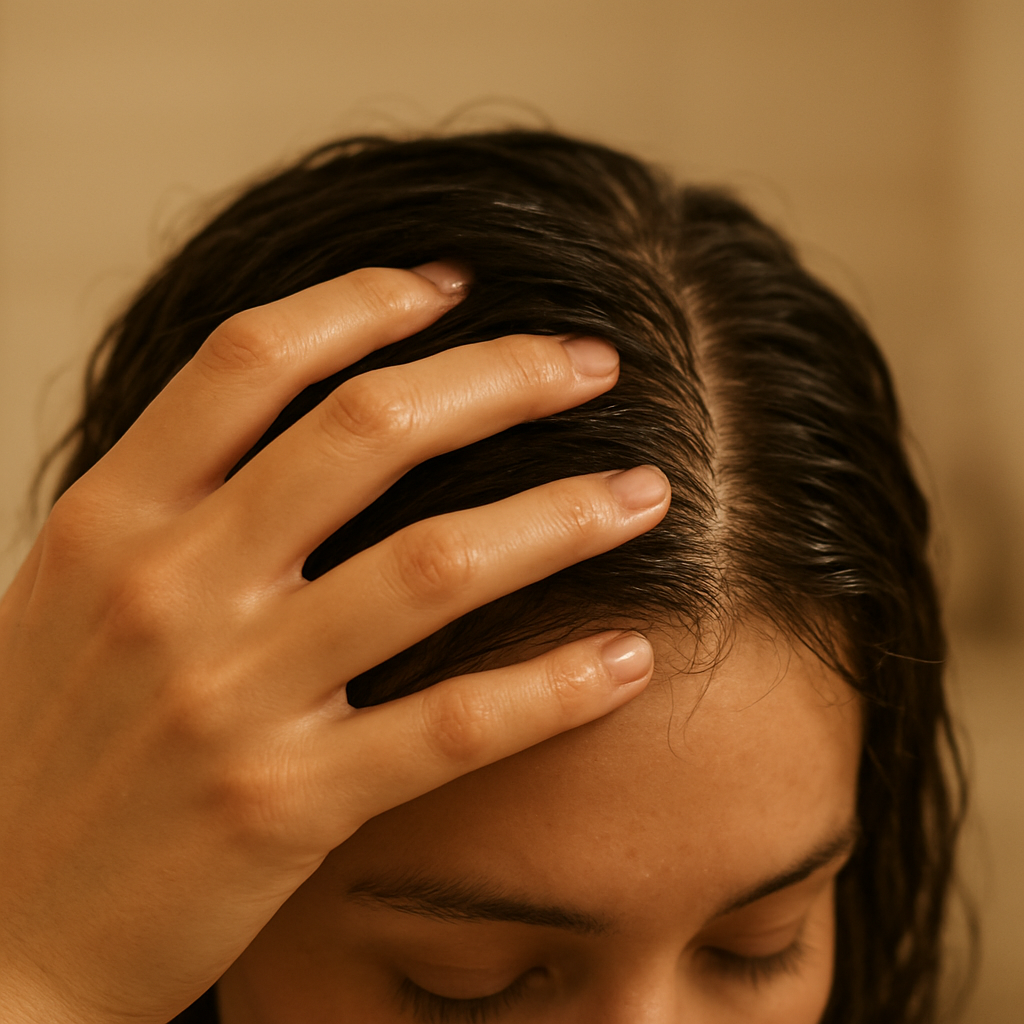
Using just your fingertips (never your nails), press lightly on the crown of your head. Move in small circles, about the size of a coin, for 30 seconds. Then drift outward, tracing the hairline and the temples. This pattern mimics the natural blood flow and wakes up the dermal papilla cells that sit at the base of each follicle.
Think of it as a gentle wake‑up call: “Hey, it’s time to work, folks!”
3. The “tug‑and‑release” technique
After the circles, place a finger on each side of a hair strand, then give a very light tug for two seconds before releasing. Do this across a small section, then move on. The brief stretch encourages the scalp’s connective tissue to loosen, which can reduce tension‑induced shedding.
Don’t overdo it – the goal is a mild stimulus, not pain.
4. Focus on problem areas
If you notice thinning at the crown or along the hairline, spend an extra minute on those zones. Use a slightly firmer pressure, but still stay within a comfortable range. Consistency matters more than intensity.
5. End with a calming press
Finish by placing both palms flat on the back of your head, pressing gently for five seconds, then releasing. This seals the session, calms the nervous system, and reduces stress – a hidden culprit behind hair loss.
So, how often should you do this? The research cited by Healthline showed that a daily four‑minute massage over 24 weeks led to noticeable improvements in hair density and scalp health. You don’t need to set a timer for an hour; a quick routine before bed or while your morning coffee brews is enough.
Here’s a handy checklist you can keep on your nightstand:
- Warm your fingertips – 10 seconds.
- Circular motions – 30 seconds per region.
- Tug‑and‑release – 1 minute total.
- Extra focus on thinning spots – up to 2 minutes.
- Calming press – 5 seconds.
Remember, the massage is only one piece of the puzzle. When you pair it with the diet plan from Step 1, you’re essentially feeding the scalp and then waking it up to use those nutrients.
Does this feel doable? Absolutely. It’s a tiny habit that slips into your day without disrupting anything else. And the best part? You’re actively practising “how to regrow thinning hair naturally” without any chemicals or pricey appointments.
Give it a try tonight – set a timer, follow the steps, and notice how your scalp feels. Over the coming weeks, you’ll start to see subtle changes: less shedding, a little more bounce, and perhaps a faint new sprout where you once saw a bald patch. That’s the power of a focused scalp massage.
Step 3: Herbal Remedies and Essential Oils
So you’ve already fed your scalp and given it a gentle wake‑up call with a daily massage – great start. Now let’s talk about the plant‑powered allies that can tip the scales when you’re figuring out how to regrow thinning hair naturally.
Why herbal remedies matter
Herbs have been used for centuries to soothe inflammation, balance hormones and improve circulation – all the things our follicles crave. Think of rosemary, saw saw grass and nettle as the “soil conditioners” for your scalp; they loosen the buildup that can choke a budding hair strand.
In our experience, the simplest way to reap those benefits is to incorporate them into a rinse or a scalp oil that you can apply right after your massage. The aroma is a bonus – a little rosemary spritz can feel like a mini‑spa session while you’re waiting for the kettle to boil.
Essential oils that actually help
Here are three oils that have the most consistent evidence for supporting hair density:
- Rosemary essential oil – stimulates blood flow and has antioxidant properties. A few drops in a carrier oil can give your scalp a gentle “wake‑up” signal.
- Peppermint essential oil – the cooling sensation triggers micro‑circulation and can reduce scalp itchiness that sometimes accompanies thinning.
- Lavender essential oil – balances stress hormones and has antimicrobial effects that keep the follicle environment tidy.
Tip: always dilute essential oils (about 5 drops per teaspoon of carrier) – your skin will thank you.
How to blend and apply
Step 1: Choose a carrier oil that won’t clog pores. Jojoba or grapeseed work well because they mimic the scalp’s natural sebum.
Step 2: Add 5 drops of rosemary, 3 drops of peppermint and 2 drops of lavender to one teaspoon of carrier oil. Give it a quick shake – think of it as a tiny cocktail for your scalp.
Step 3: After you finish your massage, massage the blend into the crown and any thinning zones for about a minute. The heat from your fingertips helps the oils penetrate deeper.
Step 4: Leave it on for at least 30 minutes, or overnight if you’re comfortable. A soft towel or a breathable headband keeps the oil from staining your pillow.
Do you worry about greasiness? You can wash it out with a gentle sulfate‑free shampoo (the kind we recommend in Step 2) the next morning. The hair will feel softer and the scalp calmer.
Herbal rinses you can brew at home
If you prefer a lighter touch, a tea‑based rinse works wonders. Boil a cup of water, steep a tablespoon of dried rosemary and a teaspoon of nettle leaves for 10 minutes, then cool. After shampooing, pour the liquid over your scalp, massage gently and let it air‑dry.
This ritual adds a burst of nutrients without the lingering oil feel. Plus, the scent is refreshingly herbal – perfect for a post‑shower pick‑me‑up.
Quick routine checklist
- Pick a carrier oil (jojoba or grapeseed).
- Mix 5 drops rosemary, 3 drops peppermint, 2 drops lavender per tsp carrier.
- Massage into scalp after your daily massage (1 min).
- Leave on 30 min or overnight, then rinse with gentle shampoo.
- Or, brew a rosemary‑nettle rinse twice a week for a lighter boost.
Give one of these plant‑based steps a go for at least four weeks and you’ll start to notice a calmer scalp, a subtle increase in shine and – if you’re lucky – a few new sprouts where the thinning was most obvious. It’s not magic, but it’s a natural, low‑cost addition to the “how to regrow thinning hair naturally” toolkit.
Remember, consistency beats occasional splurges. Pair the herbal routine with the diet and massage habits you already have, and you’ll be building a full‑stack, nature‑first approach to hair health.
Step 4: Lifestyle Changes & Stress Management
Ever notice how a hectic week leaves your hair looking a little flatter, as if the strands are just waiting for a break? That’s not a coincidence – chronic stress can push hair follicles into a resting phase, meaning fewer hairs actually grow.
So, what can we do about it? The good news is that a handful of lifestyle tweaks, backed by science, can calm the nervous system and give your scalp the breathing room it needs to sprout new growth.
1. Prioritise quality sleep
Sleep isn’t just about feeling rested; it’s when your body does most of its repair work. Research shows that people who consistently get 7‑9 hours report less hair shedding than those who crawl into bed after midnight. Try setting a “wind‑down” alarm 30 minutes before you plan to sleep – no screens, just a book or soft music.
Pro tip: keep the bedroom cool (around 18‑19°C) and dark. Your body releases more growth hormone in a cool, dark environment, which can indirectly support hair follicles.
2. Move your body, boost circulation
Even a modest 20‑minute walk after dinner does wonders for blood flow to the scalp. Better circulation means more oxygen and nutrients reaching the follicles. If you’re short on time, a quick set of jumping jacks or a brisk stair climb works just as well.
One of our readers, Mark, swapped his evening Netflix binge for a 15‑minute yoga flow and noticed less break‑off at the crown after two weeks. Small changes add up.
3. Manage stress with mindful habits
Mind‑body techniques like deep‑breathing, meditation, or even doodling can lower cortisol – the stress hormone that notoriously disrupts the hair growth cycle. A simple 4‑7‑8 breathing exercise (inhale 4 seconds, hold 7, exhale 8) before bed can calm the nervous system.
According to Health.com, chronic stress is a leading trigger for telogen effluvium, a type of shedding that usually resolves once stress levels drop.
4. Hydration and scalp‑friendly diet
We’ve already talked about nutrients, but water is the silent hero. Dehydration thickens the blood, making it harder for nutrients to reach the scalp. Aim for at least 2 litres a day, and sprinkle a pinch of sea salt in your water if you sweat a lot – the electrolytes help maintain circulation.
When you pair proper hydration with the herbal rinse from Step 3, you create a moist, nutrient‑rich environment that encourages growth.
5. Limit stimulants that aggravate stress
Excess caffeine or alcohol can spike cortisol. Try swapping one coffee for herbal tea in the afternoon and keep weekend drinks to a moderate level. You’ll notice a steadier mood and, eventually, a calmer scalp.
For a deeper dive into unclogging follicles and why a calm scalp matters, check out our guide on How to Unclog Hair Follicles on Scalp. It ties in perfectly with stress‑reduction because a relaxed scalp is less prone to buildup.
Quick Lifestyle Checklist
- Sleep 7‑9 hrs; cool, dark room.
- Walk or stretch 20 min daily – boost scalp blood flow.
- Practice 4‑7‑8 breathing or 5‑minute meditation before bed.
- Drink 2 L water; add electrolytes if active.
- Limit caffeine after 2 pm; keep alcohol to 1‑2 drinks/week.
Below is a handy comparison of the most effective lifestyle levers for hair health:
| Lifestyle Change | Key Benefit for Hair | How to Implement |
|---|---|---|
| Quality Sleep | Increases growth‑hormone release, reduces cortisol | Set a consistent bedtime, cool dark room, no screens 30 min before |
| Daily Cardio | Improves scalp circulation, delivers nutrients | 20‑min brisk walk or yoga after dinner |
| Mindful Stress‑Relief | Lowers cortisol, steadies hair‑growth cycle | 4‑7‑8 breathing, meditation, or journaling 5 min nightly |
Give these steps a go for at least six weeks – that’s roughly the time it takes a hair follicle to move from the resting phase into active growth. You may not see a dramatic hairline change overnight, but you’ll notice less shedding, a softer scalp, and the peace of mind that comes from taking control of your wellbeing.
Remember, the journey to regrow thinning hair naturally isn’t about a single miracle; it’s about weaving these habits into your everyday life. When you treat stress the same way you treat a stubborn knot – with gentle, consistent effort – you give your follicles the chance to flourish.
Step 5: Consistent Hair Care Routine
Alright, you’ve already fed your follicles, woken them up with massage, and soothed them with herbs. The next piece of the puzzle is a routine that doesn’t feel like a chore – it just becomes part of your day.
Why consistency beats intensity
Hair grows at about a centimetre a month, so the only way to influence that slow march is to keep the scalp environment steady. Think of it like watering a plant: a light sprinkle every day beats a bucket of water once a week. When you stick to the same gentle steps, the follicles get a reliable supply of oxygen, nutrients, and the right pH to stay in the growth phase.
Studies show that people who wash their hair regularly – five to six times a week – report healthier scalps and less breakage, especially in Asian populations where hair density is high daily scalp washing frequency study. The key is gentle, not stripping.
Build your daily hair‑care ritual
Here’s a no‑nonsense, five‑step routine you can slot in before you shower or right after you finish your morning coffee.
- 1. Gentle cleanse. Use a sulphate‑free shampoo that lathers lightly. Work it into the roots with your fingertips – no nails – and rinse with lukewarm water. Avoid hot water; it can dry the scalp.
- 2. Light conditioner. Apply only to the mid‑lengths and ends. Let it sit for a minute, then rinse thoroughly. This prevents residue that can clog pores.
- 3. Scalp massage boost. While the conditioner is still in, spend 30 seconds doing circular motions with your fingertips (the same technique from Step 2). A 2020 study found that regular scalp massage improves regrowth in androgenic alopecia research on scalp massage and hair regrowth.
- 4. Oil seal (optional). If your scalp feels dry, dab a few drops of jojoba or grapeseed oil onto your fingertips and smooth it over the crown. It mimics the scalp’s natural sebum without weighing hair down.
- 5. Cool‑finish rinse. End with a splash of cool water for 15 seconds. The temperature dip closes the cuticles, adds shine, and boosts circulation.
That’s it – under two minutes on most days. The magic isn’t in the complexity; it’s in doing it every single day.
Real‑world examples
Take Sarah, a 34‑year‑old graphic designer who struggled with a thinning crown after a stressful project deadline. She adopted the routine above, swapping her usual daily shampoo for a gentle formula and adding the 30‑second massage. Within six weeks she noticed less shedding when she brushed her hair in the shower and a subtle “fuller” look at the crown. The consistency, not the product hype, made the difference.
Then there’s Tom, a 45‑year‑old accountant who thought he could skip washing on weekends to “save time”. He found his scalp getting itchy and saw a few extra hairs on his pillow. After committing to a consistent wash schedule (Monday‑Saturday) and the brief massage, his scalp felt calmer and the hair loss slowed dramatically.
Quick checklist you can print
Print this out, tape it to your mirror, and tick each step as you go.
- Shampoo – sulphate‑free, lukewarm water.
- Conditioner – mid‑lengths only, rinse well.
- 30‑second fingertip massage while conditioner sits.
- Optional oil seal – 2‑3 drops on crown.
- Cool‑water finish – 15 seconds.
Try to keep the same order each time; muscle memory will do the work for you.
What if you miss a day? No worries. Just get back on track the next morning. The goal is a habit loop, not perfection.
Bonus tip: keep a small travel‑size bottle of your favourite gentle shampoo in your bag. If you’re on a business trip or a weekend hike, you won’t be forced into a hotel’s harsh shampoo that can sabotage your routine.
Remember, the aim of this section is to answer the question “how to regrow thinning hair naturally” with a repeatable, low‑stress protocol. When you treat your scalp like a habit‑friendly ritual, you give the follicles the stable environment they need to thrive.
Step 6: Supplements and Vitamins that Support Growth
Alright, we’ve fed the scalp, massaged it, and given it a herbal boost – now it’s time to talk about the little pills and powders that can nudge those follicles into gear. If you’ve ever wondered “what should I actually take to help my hair?”, you’re in the right place.
Why a supplement can matter
Think of your hair as a construction site. The bricks (keratin) are already on site, but you still need a steady supply of cement, steel and workers. Vitamins and minerals are that supply chain. When your diet is solid, a targeted supplement can fill the gaps that food alone sometimes misses.
Top nutrients backed by research
Biotin (Vitamin B7) – the most talked‑about hair vitamin. It helps convert the food you eat into fatty acids that nourish the scalp. Studies show that people with a biotin deficiency can see a noticeable reduction in shedding after a few months of supplementation.
Vitamin D – you might think it only matters for bones, but it also plays a role in the hair growth cycle. Low levels have been linked to telogen effluvium, the type of shedding that shows up after a stressful period. A daily 1,000 IU dose is a common starting point, but check your blood test first.
Zinc – this mineral is essential for DNA and RNA production in hair‑forming cells. It also has anti‑inflammatory properties that keep the scalp environment calm. Too much zinc can actually cause hair loss, so aim for the recommended 15 mg per day.
Iron – especially important for women, because iron deficiency is a leading cause of hair thinning. If you feel constantly tired and notice extra shedding, a ferritin test can tell you whether you need an iron boost.
Omega‑3 fatty acids – EPA and DHA keep the scalp hydrated from the inside out and reduce inflammation. A fish oil capsule providing 1 g of combined EPA/DHA daily is a simple way to get the benefits.
How to build a supplement routine
Step 1: Get a baseline blood panel. Knowing where you stand with vitamin D, iron and zinc saves you from guessing and prevents over‑supplementation.
Step 2: Choose a high‑quality multivitamin that includes biotin, zinc and vitamin D. Look for “no artificial fillers” on the label – we’ve seen better absorption when the formula is clean.
Step 3: Add a dedicated omega‑3 capsule if your diet is low on fatty fish. If you’re vegan, algae‑derived EPA/DHA works just as well.
Step 4: If your iron is low, a gentle iron bisglycinate supplement taken with vitamin C improves uptake. Take it on an empty stomach, but if it upsets your tummy, a small snack is fine.
Step 5: Re‑evaluate after 12 weeks. Most hair cycles need at least three months to show visible change. Note any differences in shedding, scalp texture or new sprout density.
Quick checklist you can print
- Blood test for vitamin D, iron, zinc.
- Biotin 5 000 µg daily (or per label).
- Vitamin D 1 000 IU daily (adjust after test).
- Zinc 15 mg daily – avoid mega‑doses.
- Iron bisglycinate 18 mg with vitamin C if deficient.
- Omega‑3 capsule 1 g EPA/DHA daily.
- Review results after 12 weeks; adjust as needed.
Remember, supplements are a sidekick, not the hero. They work best when paired with the diet, massage and lifestyle habits you’ve already set up in the earlier steps. If you stick to the routine and give your body the nutrients it craves, you’ll be well on your way to answering the big question – how to regrow thinning hair naturally – without relying on pricey clinics.
And hey, if you ever feel unsure, a quick chat with your GP or a qualified nutritionist can fine‑tune the doses. The goal is simple: give your follicles everything they need, then let them do the rest.
Conclusion
We've walked through diet, massage, herbs, lifestyle, a daily hair‑care ritual and the right supplements – all the pieces that answer the question of how to regrow thinning hair naturally.
What you can start today
Pick one habit from each step and stick with it for the next 12 weeks. For example, add a protein‑rich meal at lunch, give yourself a five‑minute scalp rub before bed, and pop a biotin capsule after breakfast.
Does it feel like a lot? Not really. The magic lies in consistency, not complexity. Your follicles just need a steady supply of nutrients, a gentle wake‑up call, and a calm environment to do their job.
Keep an eye on progress
Jot down any changes you notice – less shedding in the shower, a bit more volume at the crown, or even a softer scalp. A simple checklist can turn vague feelings into measurable milestones.
So, what should you do next? Grab that notebook, set a reminder for your daily massage, and trust the process. If you ever hit a snag, a quick chat with your GP or a qualified nutritionist can fine‑tune the plan.
Remember, you already have the toolkit; now it’s about turning those tools into a habit. Stick with it, and you’ll watch your hair slowly reclaim its thickness, all without pricey clinics.
FAQ
What is the most effective natural way to regrow thinning hair?
In our experience the best results come from a three‑part routine: a protein‑rich, micronutrient‑dense diet, a gentle daily scalp massage, and a simple herbal or essential‑oil boost. Think of it like feeding a plant, watering it, and giving it a little sunlight. The food supplies the building blocks, the massage wakes the blood flow, and the oils calm inflammation while adding a pleasant scent. Stick to the habit for at least three months and you’ll start to notice less shedding and a hint of new growth.
How long before I see any improvement?
Hair grows at roughly one centimetre a month, so you won’t see a dramatic transformation overnight. Most people notice the first signs – less hair in the shower drain, a softer scalp, a faint increase in volume – after about 8‑12 weeks. For visible new sprouts, give the cycle 4‑6 months. Patience is part of the process; the key is consistency. Keep a quick notebook, jot down any changes each week, and you’ll be able to spot progress even when the mirror feels unchanged.
Can I combine supplements with the natural routine safely?
Absolutely, but treat supplements as a side‑kick, not the main act. A basic stack of biotin, vitamin D, zinc and omega‑3s covers most gaps, yet it’s worth getting a baseline blood test first. Too much zinc or iron can actually trigger shedding, so stick to the recommended daily amounts and avoid mega‑doses. If you’re on medication or have a health condition, a quick chat with your GP or a qualified nutritionist will keep everything in balance.
Is red‑light therapy really natural, and should I use it?
Red‑light therapy uses low‑level wavelengths to boost cellular activity in the follicle, and many users describe it as a “natural‑tech” approach because there are no chemicals involved. It can complement your diet and massage routine, especially if you’re looking for an extra boost during the early weeks. Aim for 5‑10 minutes a day, a few times a week, and pair it with the other steps – think of it as a gentle sunrise for your scalp.
How often should I massage my scalp and for how long?
Five minutes a day is plenty – you can split it into a 30‑second warm‑up, 2‑minute circular motions, a minute of the tug‑and‑release technique, and a final 30‑second calming press. Consistency beats intensity, so a quick routine before you brush your teeth or while you sip your morning coffee works best. If you miss a day, don’t stress; just pick up where you left off the next morning.
Do I need to avoid certain shampoos or styling products?
Yes, steer clear of sulphate‑heavy shampoos and heavy silicone‑based conditioners – they can strip natural oils and clog pores. Look for sulphate‑free, pH‑balanced formulas and rinse with lukewarm water. When you style, opt for light, alcohol‑free gels or mousse, and avoid tight ponytails or hats that tug at the roots. A cool‑water finish at the end of each wash also helps seal the cuticle and improve circulation.
What are some quick signs that the routine is working?
Beyond the obvious – fewer hairs on your pillow and in the shower – pay attention to scalp feel. A healthier scalp feels less tight, less itchy, and has a faint, pleasant scent from the oils you use. You might also notice that existing strands feel thicker to the touch. These subtle cues mean the follicles are getting the nutrients and blood flow they need, and they’re ready to sprout new hairs.