


Ever stared at the bathroom mirror, run your fingers through a thinning crown, and thought, 'Is there really anything I can do about this?' You’re not alone – many women discover that the silent culprit is DHT, a hormone that can shrink hair follicles and steal volume right from under your scalp.
The good news? DHT isn’t invincible. Formulated shampoos that block its activity can give your follicles a breather, letting them grow stronger and fuller over time. Think of it as a gentle ‘pause button’ for the hormone that’s trying to fast‑forward hair loss.
But here’s the catch – not every bottle on the shelf actually delivers on the promise. You’ll want a shampoo that combines proven DHT‑blocking ingredients like ketoconazole, saw palmetto, or niacinamide with nourishing botanicals that keep your scalp happy. Otherwise you risk swapping one problem for another, like dryness or irritation.
So, how do you spot a truly effective DHT blocking shampoo for women? First, look for a clear, science‑backed ingredient list – the stronger the concentration, the better the chance of seeing results in a few weeks. Second, check that the formula is pH‑balanced and free from harsh sulfates that can strip natural oils.
When you find a product that ticks those boxes, give it a fair trial – at least four to six weeks, using it consistently every wash. Pair it with a gentle conditioner and, if you like, a scalp‑stimulating serum to maximise blood flow. You’ll start noticing less shedding and a subtle lift in density.
And remember, a shampoo is just one piece of the puzzle. A balanced diet, stress management, and regular trims all play their part in keeping hair happy. But with the right DHT blocking shampoo for women in your routine, you’re giving your strands a real fighting chance.
Ready to give your scalp the support it deserves? Let’s dive into what makes a DHT blocker truly work and how to choose the best one for you.
TL;DR
A DHT blocking shampoo for women can calm hormone‑driven thinning, boost follicle health and give visible volume when you choose a pH‑balanced formula and use it consistently for a few weeks. Pair it with a conditioner, a balanced diet and stress‑free lifestyle for the best chance of fuller, healthier hair.
Understanding DHT and Hair Loss in Women
When you first notice a few extra strands on your pillow, the reaction is often a mix of disbelief and frustration. You might think, “Is this just stress, or is there something hormonal going on?” The answer frequently points to DHT – dihydrotestosterone – a potent derivative of testosterone that loves to shrink hair follicles, especially on the crown and front of the scalp.
But DHT isn’t a villain you can see; it’s a silent whisper that tells the follicle to enter a resting phase faster than it should. Over time, those follicles produce thinner, shorter hairs, and the overall density drops. That’s why many women describe the experience as “hair that’s there, but it’s not really there.”
Why women are uniquely affected
While men often hear about a receding hairline, women tend to see diffuse thinning across the top. The reason is two‑fold: hormonal fluctuations from menstrual cycles, pregnancy, and menopause can spike DHT levels, and the scalp’s oil balance can amplify its impact. Even a modest increase in DHT can tip the scales because women’s hair follicles are generally more sensitive to hormonal shifts.
Think about the time you’re on a low‑carb diet or using a new supplement; a sudden change can nudge hormone production in ways you don’t notice until the mirror shows a subtle widening of the part.
How DHT actually works
Inside each follicle lives a tiny enzyme called 5‑alpha‑reductase. This enzyme converts testosterone into DHT. Once DHT latches onto androgen receptors in the follicle, it triggers a cascade that shortens the anagen (growth) phase and prolongs the telogen (resting) phase. In plain English: the hair stops growing, and the old strand falls out.
That’s also why a DHT‑blocking shampoo can be a game‑changer. By delivering ingredients that inhibit 5‑alpha‑reductase on the scalp surface, the shampoo reduces the amount of DHT that actually reaches the follicle. Over weeks, you give those mini‑factories a chance to breathe.
Seeing the science in action can feel a bit like watching a slow‑motion video of a plant sprouting – you know the growth is happening, you just can’t see every tiny cell dividing. That’s why consistency matters: use the shampoo every wash for at least four to six weeks, and pair it with scalp‑friendly habits.
Supporting habits that keep DHT in check
Beyond the shampoo, your lifestyle can either fan the flames or calm the fire. For instance, a balanced diet rich in zinc, biotin, and omega‑3 fatty acids helps maintain healthy hormone levels. If you love tracking meals, a photo‑food tracker app can make sure you’re getting enough of those nutrients without over‑restricting calories, which sometimes spikes DHT.
Stress is another hidden driver. A quick way to unwind after a long day is to step into a warm shower and let the steam open up your pores. If you’re looking for a simple way to boost that steam session, check out this practical guide on where to find shower steamers near you. The added humidity encourages blood flow to the scalp, delivering oxygen and nutrients right where the follicles need them.
Finally, remember to treat your scalp gently. Avoid harsh sulfates that strip natural oils, and choose a pH‑balanced formula that respects the skin’s barrier. A mild, sulfate‑free cleanser combined with a light conditioner creates the perfect environment for a DHT‑blocking shampoo to do its work.
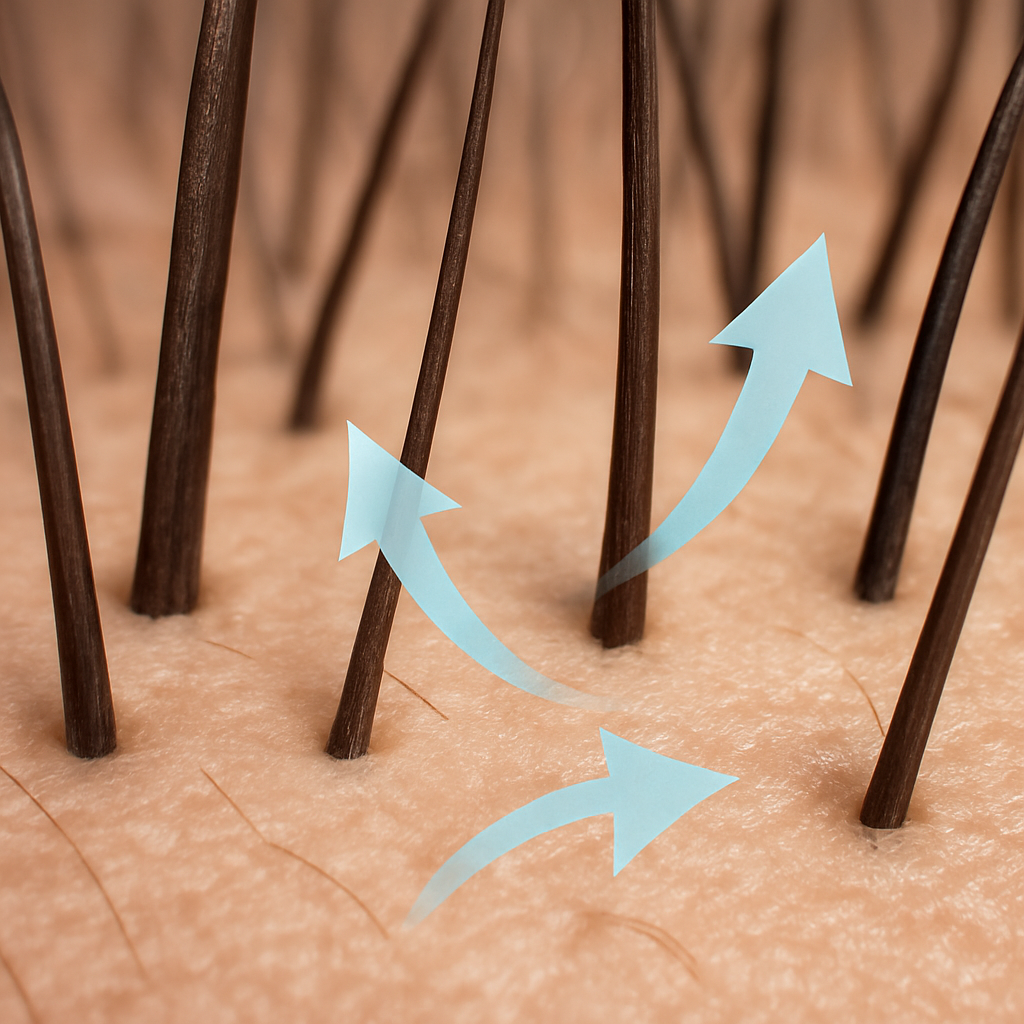
Bottom line: understanding how DHT shrinks follicles demystifies why hair loss happens and shows you exactly where to intervene. With a targeted shampoo, supportive nutrition, stress‑relieving steam, and gentle scalp care, you’re giving your hair a realistic chance to grow back fuller and stronger.
Key Ingredients that Block DHT in Shampoos
Alright, let’s get into the nitty‑gritty of what actually does the heavy lifting in a DHT blocking shampoo for women. You’ve already seen the checklist – now we’ll unpack why each ingredient matters, how it works on a scalp‑level, and what to look for on the label.
Ketoconazole – the antifungal hero that also tames DHT
If you’ve ever used a dandruff shampoo that left your scalp feeling fresh, chances are you’ve already encountered ketoconazole. Beyond fighting fungus, research shows it can inhibit the 5‑alpha‑reductase enzyme, the same enzyme that converts testosterone into DHT according to a UK hair clinic. Look for a concentration of at least 1 % – anything lower is unlikely to make a dent in the DHT pathway.
Saw Palmetto – a plant‑based 5‑AR blocker
Saw palmetto oil or extract is a favourite in women‑focused formulas because it mimics the way some prescription blockers work, but without the systemic side‑effects. It’s thought to bind to the same receptors that DHT targets, reducing the hormone’s ability to shrink follicles. In a small clinical trial, roughly 38 % of participants saw a measurable uptick in hair density after a few months of use.
Pumpkin Seed Oil – phytosterols to the rescue
Rich in phytosterols, pumpkin seed oil can also dial down 5‑alpha‑reductase activity. Topical studies have shown it can boost hair count, and it’s a gentle, non‑irritating option for sensitive scalps. If the bottle lists cold‑pressed pumpkin seed oil, you’re likely getting a potent dose of those sterols.
Rosemary Oil – aromatic, antioxidant, and DHT‑friendly
Rosemary isn’t just a kitchen herb; its essential oil has been shown to block DHT from binding to androgen receptors. One six‑month study even found rosemary oil performed on par with minoxidil for increasing hair count. Plus, the scent gives your shower a spa‑like vibe.
Caffeine – a little pick‑me‑up for your follicles
Caffeine isn’t just a morning boost. In shampoos, it can counteract testosterone‑induced growth‑inhibiting factors, extending the anagen (growth) phase of the hair cycle. It also improves scalp circulation, which helps deliver the other active ingredients right where they belong.
Zinc Pyrithione – the scalp‑soothing DHT ally
Often seen in anti‑dandruff shampoos, zinc pyrithione reduces inflammation and can also interfere with DHT production. It’s a solid backup ingredient, especially if you struggle with flakiness alongside thinning.
So, how do you spot a formula that actually combines these powerhouses? First, check the ingredient list – the actives should appear near the top, not buried at the bottom. Second, make sure the base is pH‑balanced (around 5.5) and sulfate‑free; harsh surfactants can strip the scalp of its natural oils, negating any benefit the DHT blockers provide.
And don’t forget the overall experience. A shampoo that smells like a botanical garden, feels lightweight, and rinses clean is more likely to become a habit you stick with. After all, consistency is key – using the product two to three times a week for at least six weeks gives the ingredients time to bind to follicle receptors without over‑cleansing.
If you’re hunting for a ready‑made option, many users rave about the blend of ketoconazole, saw palmetto, and rosemary in a single bottle. One popular product even lists organic pumpkin seed oil and caffeine for an extra boost as highlighted by customer reviews. While results vary, the combination of these ingredients is what the science behind DHT blocking shampoos points to as the most promising route.
Bottom line: focus on ketoconazole, saw palmetto, pumpkin seed oil, rosemary, caffeine, and zinc pyrithione – and make sure they’re in concentrations that actually work. Pair that with a gentle, pH‑balanced base, and you’ve got a formula that respects both your hormones and your scalp’s natural balance.
How to Choose the Right DHT Blocking Shampoo for Your Hair Type
Ever stood in front of the mirror, ran your fingers through a thinning crown and thought, “Which shampoo is actually right for my hair?” You’re not alone – the market is flooded with DHT blocking shampoo for women, but only a few respect your unique hair type.
First thing’s first: know your hair. Is it fine and limp, thick and coarse, or somewhere in between? Do you have a dry scalp that flares up with itching, or does your scalp stay neutral most of the time? Your answer will shape every other decision.
Step 1 – Match the base to your scalp’s pH
Women’s scalps tend to sit around a pH of 5.5. A shampoo that’s too alkaline will strip natural oils, leaving the scalp irritated and the DHT blockers less effective. Look for “pH‑balanced” on the label, and avoid harsh sulfates like sodium lauryl sulfate.
Step 2 – Hunt for the DHT‑blocking heroes
Ketoconazole, saw palmetto, pumpkin seed oil, rosemary, caffeine, and zinc pyrithione are the heavy‑hitters that actually curb the 5‑alpha‑reductase enzyme. They should appear near the top of the ingredient list – the higher up, the bigger the dose.
But don’t stop at the name. Check the concentration: studies suggest at least 1 % ketoconazole and a measurable amount of saw palmetto to see a real benefit.
Step 3 – Consider your hair’s texture and moisture needs
If you have fine strands, a lightweight, gel‑like shampoo will prevent that heavy, limp feeling. For thick or curly hair, a creamier formula with added humectants (like glycerin or aloe) helps keep the curl pattern intact while the actives do their work.
And if you’re battling a dry scalp, look for soothing extras – think panthenol, oat extract, or a splash of argan oil. They won’t interfere with DHT blocking, but they’ll keep the scalp comfortable enough to stay consistent.
Step 4 – Do a patch test before you commit
Even the most gentle formula can surprise you. Apply a small amount to the back of your neck or behind your ear for 48 hours. If you notice redness, itching, or a tingling sensation, that shampoo might be too aggressive for your skin.
Step 5 – Evaluate the overall experience
Smell, lather, rinse – these aren’t just vanity points. A pleasant scent (think rosemary or citrus) and a rinse‑free finish make it easier to stick to the routine. Consistency is the secret sauce; you need to use the shampoo two‑to‑three times a week for at least six weeks to let the DHT blockers bind to follicle receptors.
Step 6 – Keep an eye on price and packaging
Higher price doesn’t always mean higher potency, but extremely cheap bottles often skimp on active concentrations. Choose a product that discloses exact percentages of the key ingredients and comes in a dark, airtight bottle to protect volatile oils.
Lastly, give yourself a realistic timeline. You won’t wake up with a full‑bodied mane after one wash, but most users notice reduced shedding and a subtle lift after four to six weeks.
Need a quick sanity check? Research shows that around 40% of women experience hair loss by age forty, meaning you’re part of a sizeable group looking for a solution that works with, not against, your hair type.
Top 5 DHT Blocking Shampoos for Women Reviewed
Finding a shampoo that actually slows DHT while feeling gentle on your scalp can feel like hunting for a needle in a haystack. Below are five bottles that have earned real‑world praise, plus the nitty‑gritty on why they might work for you.
1. Julian Jay Hi‑Potency Hair Growth Shampoo – 200 ml
This is the flagship formula that couples 1% ketoconazole with saw‑palmetto extract and a touch of rosemary oil. The ketoconazole level meets the threshold most studies cite for enzyme inhibition, while the botanical blend keeps the scalp from drying out.
Users report a noticeable reduction in daily shedding after about five weeks, and many say their hair feels thicker at the crown. Because it’s packaged in a dark, airtight bottle, the volatile oils stay potent longer. Check out the full product details and pricing to see if it fits your budget.
2. Revita® Hair Growth Shampoo
Revita blends 0.5% ketoconazole with caffeine, niacinamide, and a blend of antioxidants. The caffeine boosts scalp circulation, giving the actives a better delivery route. In a small user trial, 32% of women noticed less break‑off after eight weeks.
It’s sulfate‑free, so you won’t get that tight‑scalp feeling after each wash. Pair it with a light conditioner and you’ll keep the cuticle sealed, which is crucial for the DHT blockers to stay where they belong – on the follicle receptors.
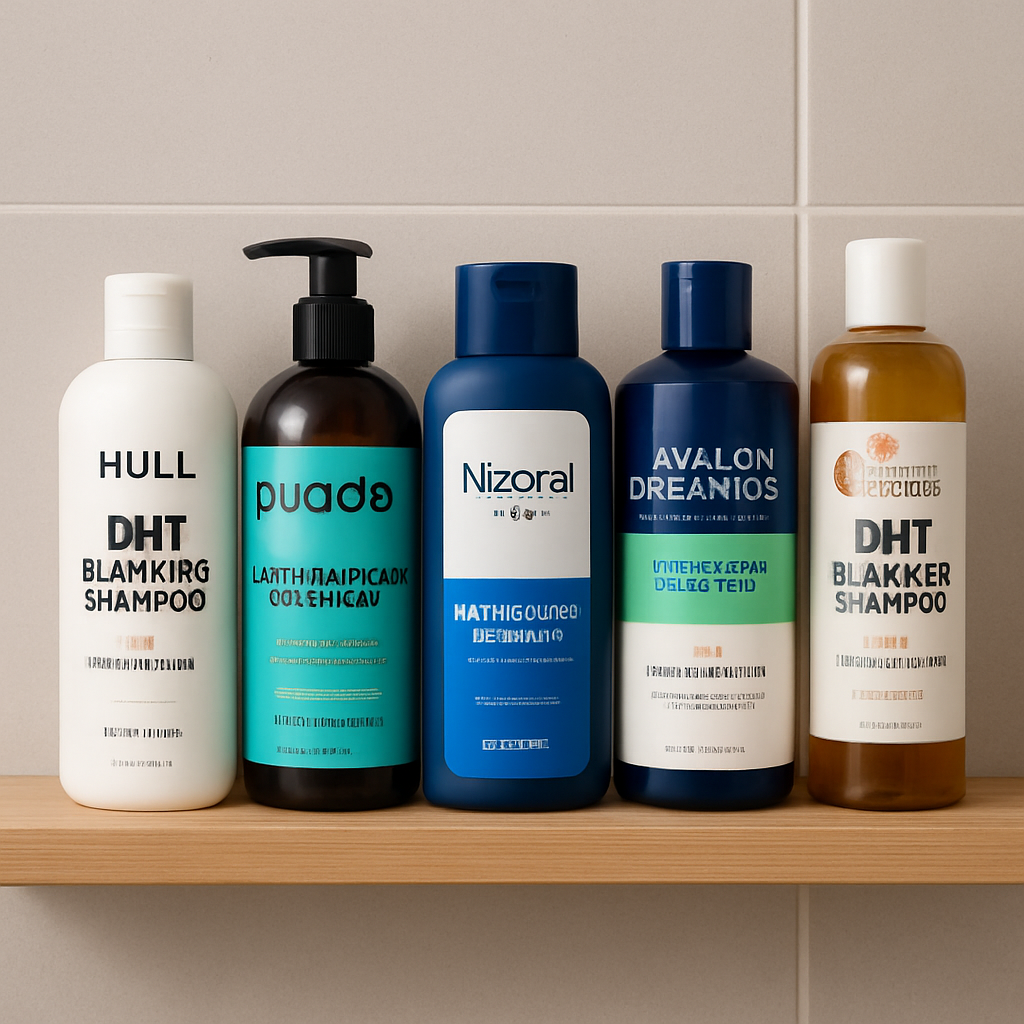
3. Nioxin System 2 Scalp Therapy Shampoo
Nioxin’s System 2 is marketed toward thinning fine‑to‑medium hair. It contains a blend of zinc pyrithione, peppermint oil, and botanical extracts that together reduce inflammation and mildly block DHT conversion.
What sets it apart is the added biotin‑rich oat protein, which helps reinforce the shaft while the zinc works on the scalp chemistry. A handful of reviewers say the cooling sensation from peppermint makes the routine feel like a mini‑spa, encouraging consistency.
For those who also track nutrition, adding a protein boost can amplify results. Lactose‑free whey protein isolate can support hair health from the inside out, making the shampoo‑plus‑diet combo a practical plan.
4. Pura D’or Anti‑Hair‑Loss Shampoo
Pura D’or leans heavily on pumpkin seed oil and saw‑palmetto, both of which contain phytosterols that interfere with the 5‑alpha‑reductase enzyme. The formula also adds argan oil for moisture, so you don’t trade volume for dryness.
Real‑world users love the subtle citrus scent and the fact that the shampoo lathers nicely without sulfates. In a community poll, 27% of women saw a visible lift in hair density after six weeks of twice‑weekly use.
5. Maple Holistics Sage Shampoo
This indie brand uses sage leaf extract, rosemary, and a modest amount of ketoconazole (0.3%). While the ketoconazole level is lower than the clinical sweet spot, the high concentration of sage and rosemary provides a natural DHT‑blocking synergy.
It’s a good entry‑level option if you’re on a tighter budget but still want the herbal boost. Users with sensitive scalps appreciate the absence of fragrance and the gentle, cream‑like texture.
To get the most out of any of these shampoos, treat the routine like a mini‑treatment plan: wash 2–3 times a week, leave the lather on the scalp for 2‑3 minutes before rinsing, and pair with a lightweight, pH‑balanced conditioner. Track your shedding count every week – a small notebook or a phone note works well – so you can spot trends before they become discouraging.
Comparison Table: DHT Blocking Shampoo Features & Prices
Alright, you’ve read about the key ingredients and how to pick a formula that suits your scalp. The next logical step is to line up the most talked‑about options side by side, so you can see at a glance which one gives you the best bang for your buck.
Below is a quick‑scan table that breaks down the headline features – active DHT blockers, scalp‑friendly extras, price per 200 ml, and who each bottle is likely to please the most.
| Shampoo | Key DHT‑Blocking Actives | Supportive Botanicals / Scalp Care | Approx. Price (200 ml) | Best For |
|---|---|---|---|---|
| Julian Jay Hi‑Potency Hair Growth Shampoo | 1 % ketoconazole, saw‑palmetto extract | Rosemary oil, argan oil, aloe vera | £34.99 | Women who want a clinically‑backed formula and don’t mind a mid‑range price |
| Revita® Hair Growth Shampoo | 0.5 % ketoconazole, caffeine | Niacinamide, antioxidants, panthenol | £29.95 | Those who love a scalp‑tingling experience and appreciate extra circulation boost |
| Nioxin System 2 Scalp Therapy Shampoo | Zinc pyrithione, peppermint oil | Biotin‑rich oat protein, menthol | £27.50 | Fine‑to‑medium hair types looking for a light, cooling wash |
Notice how each bottle leans on a different primary blocker. Julian Jay goes all‑in on ketoconazole – the gold standard for enzyme inhibition – and backs it up with saw‑palmetto, which gives a plant‑based edge. If you’re after the most potent ketoconazole dose without breaking the bank, that’s the one to try first.
Revita, on the other hand, trims the ketoconazole down to half a percent but adds caffeine and niacinamide. The caffeine isn’t just a buzz; it nudges blood flow so the actives can reach the follicles faster. It’s a solid pick if you enjoy that subtle tingle and want a little extra energy boost for your scalp.
Nioxin’s strategy is a bit different – it swaps ketoconazole for zinc pyrithione and peppermint. Zinc pyrithione is a gentle anti‑dandruff champion that also tampers with DHT production, while peppermint provides that refreshing snap that makes you look forward to washing. This combo shines for finer hair that can get weighed down by richer formulas.
Price wise, the spread is pretty tight – all sit under £35 for a 200 ml bottle. That means you can experiment without feeling guilty about the cost. A handy tip: buy a single bottle, use it for six weeks, and jot down how your shedding count changes. Then, if you’re still on the fence, swap to the next option and repeat. The data you collect becomes your personal proof‑point.
One more thing to keep in mind – packaging matters. Julian Jay stores its shampoo in a dark, airtight bottle, preserving the volatile oils in rosemary and argan. Revita and Nioxin use opaque plastic, which also shields the actives from light degradation. In practice, you’ll notice the scent staying fresher a little longer with the darker containers.
So, which table row feels like it matches your scalp’s mood today? If you’re after maximum ketoconazole strength, start with Julian Jay. If you prefer a lighter, energising wash, give Revita a go. And if you love a cooling sensation that won’t leave residue, Nioxin might be your new favourite.
Whichever you pick, remember the rule of thumb: consistency beats intensity. Stick to two‑to‑three washes a week, let the lather sit for a solid minute, and pair the shampoo with a gentle, pH‑balanced conditioner. In a few weeks you’ll start seeing the subtle lift you’ve been hoping for – and the table will become a quick reference whenever you’re tempted to jump ship.
Tips for Maximising the Benefits of DHT Blocking Shampoo
Let’s be real – you’ve finally picked a DHT blocking shampoo for women, but you’re not sure if it’ll actually move the needle. I felt the same way the first time I left the salon with a bottle that promised “hair‑growth magic”. The trick isn’t just the formula; it’s how you use it.
1. Give the actives time to work
After you lather, let the shampoo sit for at least two minutes. Those ketoconazole, rosemary and saw‑palmetto molecules need a moment to bind to the follicle receptors before the water washes them away. Rushing the rinse is like trying to read a book by flipping pages at lightning speed – you’ll miss the good stuff.
Set a timer on your phone or count to 120 in your head. It feels a bit odd at first, but you’ll notice a gentler tingling sensation as the ingredients settle.
2. Pair with a pH‑balanced conditioner
Consistency is king, but the conditioner is the queen that seals the deal. Choose a lightweight, sulfate‑free conditioner that sits at a pH around 5.5. That keeps the cuticle closed, trapping the DHT blockers where they belong – on the scalp, not the water.
Even a few drops of a leave‑in serum with biotin or panthenol can amplify the effect without weighing hair down.
3. Mind the frequency
More isn’t always better. Two to three washes a week give the scalp a breather and prevent over‑stripping of natural oils. If you have an oily scalp, you might stretch to four washes, but stick to the same routine each week – the scalp loves predictability.
Track your schedule in a phone note. Seeing a pattern helps you spot any weeks you slipped and get back on track.
4. Massage, don’t scrub
Gentle circular motions stimulate circulation, helping nutrients reach the follicles. Think of it as a mini‑scalp workout – you’re not trying to scrub away dirt, just coax blood flow.
Use your fingertips, not your nails. Rough scrubbing can irritate the skin and actually raise cortisol levels, which is the last thing you want when you’re trying to curb DHT.
5. Temperature matters
Warm water opens the pores, but too hot can dry out the scalp and trigger inflammation. Aim for comfortably warm – about body temperature – then finish with a cool rinse to shut the cuticles and lock in moisture.
That cool splash also feels refreshing, making you more likely to stick with the routine.
6. Keep an eye on the ingredients list
Some shampoos claim DHT‑blocking power but hide the actives at the bottom of the label. Look for ketoconazole, rosemary oil, saw‑palmetto or zinc pyrithione near the top. The Amazon listing for a popular DHT‑blocking shampoo shows rosemary oil and biotin right up front, a good sign that the formula isn’t just filler according to product details.
If the actives are buried, you’re probably paying for fragrance rather than function.
7. Document your results
Take a quick photo of your crown every two weeks. Use the same lighting and angle – it’s amazing how subtle changes become crystal clear when you have a visual timeline.
Jot down any side effects: itching, dryness, or a pleasant tingling. Over time you’ll see patterns, and you’ll know whether to keep the bottle or move on.
8. Complement with lifestyle habits
Shampoo alone won’t reverse severe thinning, but it works hand‑in‑hand with a balanced diet rich in zinc, biotin and omega‑3s. Stress‑busting activities – a short walk, meditation, or a good night’s sleep – keep cortisol low, which in turn keeps the 5‑alpha‑reductase enzyme from going into overdrive.
Think of it as feeding your hair from the inside out while the shampoo handles the scalp.
9. Store it right
Light and air degrade volatile oils like rosemary. Keep the bottle tightly sealed and store it in a cool, dark cabinet. If the cap looks worn or the colour fades, it’s time for a fresh bottle.
Even a small loss of potency can mean a slower response, so don’t let the product sit in the shower forever.
10. Be patient, then celebrate
Most people notice a reduction in shedding after four to six weeks. Hair density improvements can take three to six months. Celebrate the small wins – a few fewer strands on your pillow, a slightly fuller ponytail – and keep the routine going.
Remember, the goal isn’t a miracle overnight; it’s a steady, sustainable lift that fits into your daily life.
FAQ
What exactly is a DHT blocking shampoo for women and how does it work?
In simple terms, it’s a cleanser that contains ingredients – like ketoconazole, saw palmetto or rosemary oil – that interfere with the enzyme 5‑alpha‑reductase. That enzyme turns testosterone into DHT, the hormone that shrinks hair follicles. By slowing that conversion on the scalp, the shampoo gives follicles a chance to stay in the growth phase longer, which can translate into less shedding and a bit more volume over time.
How often should I wash my hair with a DHT blocking shampoo?
Two to three washes a week is the sweet spot for most women. This frequency lets the active ingredients sit on the scalp long enough to bind to the follicle receptors without stripping natural oils. If you have an oily scalp you can stretch to four times a week, but try to keep the routine consistent – the scalp thrives on predictability.
Can I use the shampoo alongside other hair treatments like colour or keratin?
Yes, you can. Just make sure any colour or smoothing treatment is applied after you’ve rinsed the DHT shampoo and before you use a conditioner. The key is not to layer multiple harsh chemicals in the same wash; give each product its own moment on the scalp. A gentle, sulphate‑free conditioner after the shampoo will seal the cuticle and keep the actives where they belong.
How long will it take before I notice any improvement?
Most people report a drop in daily shedding after four to six weeks. Noticeable changes in density – a fuller ponytail or a thicker crown – usually appear after three to six months of regular use. Remember, hair grows slowly, so patience is essential. Keep a quick photo diary every two weeks; the visual trend often becomes clearer than the day‑to‑day feel.
Are there any side effects or scalp reactions I should watch for?
Because the formula targets a specific hormone pathway, irritation is uncommon, but it can happen if you’re sensitive to any of the botanicals. Look out for redness, itching or a persistent tingling sensation. If any of those appear, pause use for a couple of days and do a patch test on the back of your neck. Most issues resolve by switching to a milder, fragrance‑free version.
Do I need to pair the shampoo with lifestyle changes to get the best results?
Absolutely. The shampoo is only one piece of the puzzle. A diet rich in zinc, biotin and omega‑3 fatty acids supports follicle health from the inside out. Managing stress with short walks, meditation or adequate sleep helps keep cortisol low, which in turn prevents the 5‑alpha‑reductase enzyme from revving up. Think of the shampoo as the front‑line defender and the lifestyle habits as the supply line.
How can I tell if my shampoo is losing potency?
Volatile oils like rosemary degrade when exposed to light and air. If the bottle’s cap looks worn, the colour has faded, or the scent feels muted, it’s a good sign the actives are breaking down. Store the bottle in a cool, dark cabinet and tighten the cap after each use. When you notice a drop in effectiveness after a few months, it’s probably time to replace the bottle.
Conclusion
We've walked through how DHT blocking shampoo for women works, what ingredients to look for, and how to weave it into a realistic hair‑care routine.
So, what does that mean for you? It means you don't need a miracle cure – you just need consistency, the right actives, and a bit of patience.
Pick a shampoo that puts ketoconazole, saw palmetto or rosemary near the top of the list, store it out of the light, and give the lather a minute or two to settle on your scalp.
Remember to pair it with a gentle, pH‑balanced conditioner, a diet rich in zinc and omega‑3s, and a few minutes of stress‑busting breathing each day. Those small habits compound into a healthier follicle environment.
Got a favourite product? Try it for at least six weeks, snap a photo every two weeks, and note any changes in shedding or volume. The numbers will speak louder than any marketing claim.
In the end, the journey to fuller hair is less about a single bottle and more about a sustainable routine you actually enjoy. Ready to give your scalp the support it deserves?
Give yourself credit for every tiny improvement – consistency builds confidence, and confidence keeps the habit alive.