


Picture this: you’re standing in front of the mirror, running your fingers through thinning strands and wondering if there’s a simple fix that actually works.
We’ve all been there – that mix of frustration and hope that comes with watching hair lose its volume, especially after 30. The good news? A well‑formulated hair growth shampoo for men can be the first, low‑maintenance step toward a fuller look.
But it’s not just about any shampoo. It’s about ingredients that talk to the scalp, soothing irritation while gently encouraging follicles to stay active. Think biotin, caffeine, and natural oils that hydrate without weighing hair down.
In our experience at Julian Jay, we’ve seen that men who combine a targeted shampoo with a consistent scalp routine notice less shedding within weeks. It’s not a miracle cure, but it does set the stage for other treatments to work better.
So, what should you look for on the label? Start with a clear focus on scalp health – ingredients like zinc pyrithione to control dandruff, rosemary extract for circulation, and keratin to reinforce strand strength. Avoid harsh sulfates that strip natural oils and can aggravate an already sensitive scalp.
And here’s a practical tip: use the shampoo as part of a short, warm‑water massage. The gentle pressure helps the active compounds reach deeper, and the warmth opens pores for better absorption. Aim for 2‑3 minutes, then rinse thoroughly.
Now, you might be wondering whether you need to switch products every few weeks. The answer is usually no – consistency beats novelty. Stick with a shampoo that delivers the right mix of nutrients and give it at least six weeks before deciding if it’s right for you.
Does this sound like a lot? Not really. It’s simply about choosing a shampoo that respects your scalp and supports hair growth, then giving it time to do its job. Ready to take the first step?
Let’s dive in and explore how the right hair growth shampoo for men can become a cornerstone of your daily routine, backed by science and real‑world results.
TL;DR
Choosing the right hair growth shampoo for men means picking formulas with zinc pyrithione, rosemary, and keratin while avoiding harsh sulfates that strip scalp moisture. Stick with a gentle, nutrient‑rich shampoo for at least six weeks, massage it in with warm water for two minutes, and watch thinning hair become noticeably thicker.
Understanding Hair Loss Types in Men
When you first notice more scalp than hair, it can feel like your mirror’s betraying you. You’re not alone – most men start noticing a shift somewhere around their early thirties, and the first question that pops up is: what’s actually happening to my hair?
There are a few main culprits, and knowing which one you’re dealing with can shape how you choose a hair growth shampoo for men. Let’s break them down, one by one, in plain English.
Androgenetic alopecia – the classic “male pattern baldness”
This is the most common type, driven by genetics and hormones. It usually starts with a receding hairline at the temples or thinning at the crown. The hair follicles shrink over time, producing finer strands until they stop growing altogether.
What we’ve seen work best is a shampoo that contains ingredients like rosemary extract and zinc pyrithione – they help keep the scalp healthy and may support follicle function. Consistency is key; you won’t see a dramatic change overnight, but after a few months of regular use, the shedding often slows down.
Telogen effluvium – stress‑induced shedding
Stress, illness, or a sudden change in diet can push a larger number of hairs into the “resting” phase, causing noticeable shedding a few months later. It’s a temporary mess, but it can feel catastrophic.
If you suspect this is the case, look for a shampoo with caffeine and biotin. Those ingredients can give the follicles a gentle boost while you focus on restoring balance in your life – more sleep, better nutrition, maybe even a short break from intense workouts.
Alopecia areata – patchy, autoimmune‑driven loss
This one is less common and shows up as round, smooth patches where hair just stops growing. It’s an autoimmune response, meaning your body mistakenly attacks its own hair follicles.
While a shampoo alone won’t cure the underlying immune issue, a gentle, anti‑inflammatory formula can soothe the scalp and reduce irritation. Ingredients like ketoconazole or tea tree oil are often recommended for their calming properties.
So, which type do you think fits your story? If you’re still unsure, a quick chat with a dermatologist can pinpoint the cause and guide you toward the right product.
Understanding the root cause also helps you set realistic expectations. Hair growth shampoo for men isn’t a magic wand, but it can be a solid foundation in a broader hair‑care routine.
Here’s a quick checklist to help you identify your hair‑loss type:
- Pattern of thinning – front, crown, or random patches?
- Recent life events – major stress, illness, diet changes?
- Family history – does dad or granddad have a similar pattern?
Mark the points that resonate, and you’ll have a clearer picture of what you’re dealing with.
Once you’ve identified the type, the next step is to pick a shampoo that aligns with those needs. For androgenetic alopecia, focus on scalp‑stimulating botanicals. For telogen effluvium, look for nutrients that support hair‑cycle health. For alopecia areata, opt for soothing, anti‑inflammatory blends.
Remember, patience is part of the process. Hair grows about half an inch a month, so give any new routine at least 12 weeks before judging the results.
Now, let’s see a quick visual rundown of these types and what to look for in your shampoo.
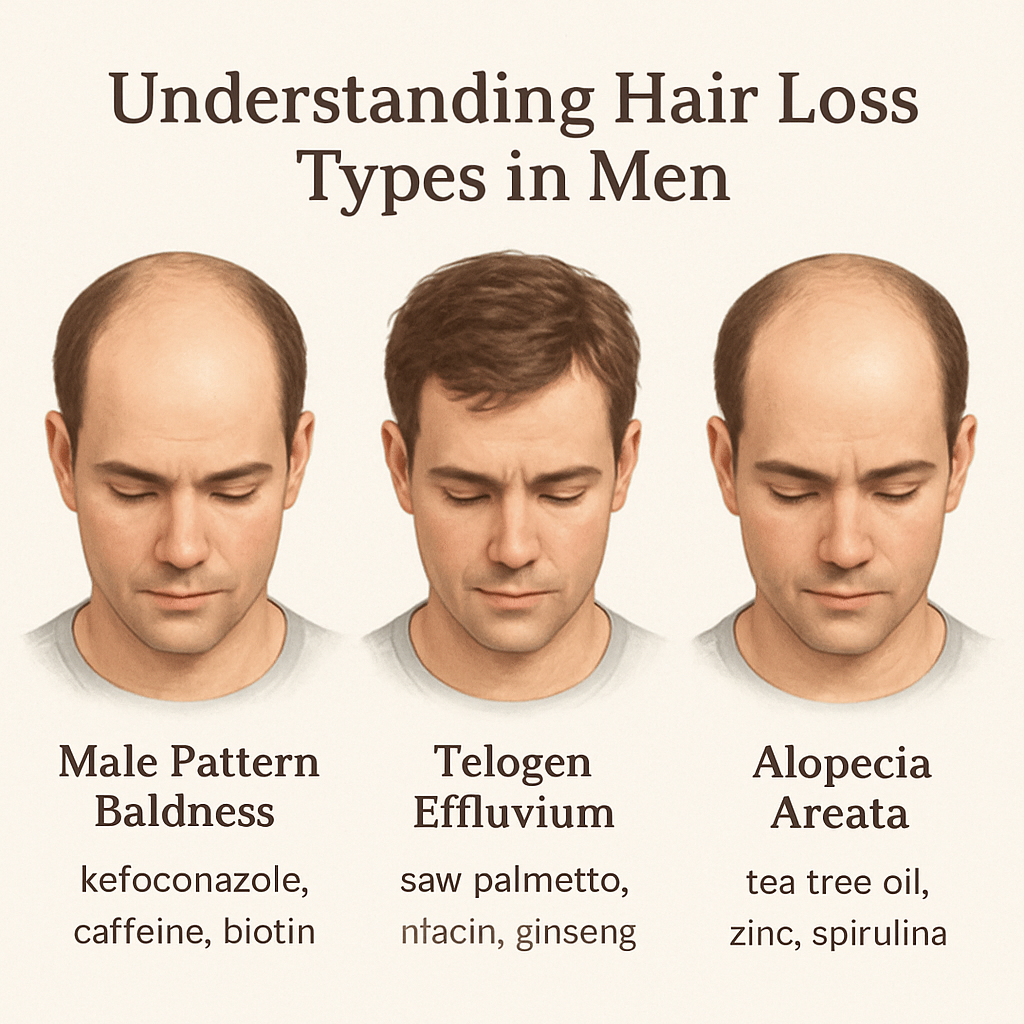
Watching the video below can also help you visualise how each type presents on the scalp and why certain ingredients matter.
Take a moment after the video to note which category feels most like yours. Then, when you browse for a hair growth shampoo for men, keep those ingredient cues in mind. That way, you’re not just buying a product – you’re choosing a targeted solution for your specific hair‑loss story.
Key Ingredients to Look for in Hair Growth Shampoo for Men
When you stare at the back of the shower mirror, the first thing you want to know is: what’s actually in the bottle that’s going to help my scalp feel better? It’s easy to get lost in a sea of buzz‑words, but the real magic lives in a handful of proven actives. Below we break them down, sprinkle in some real‑world examples, and give you a quick checklist you can use next time you’re scanning the shelf.
Niacinamide (Vitamin B3)
Niacinamide isn’t just a fancy name for a vitamin – it works like a conditioner for your scalp. It strengthens the skin barrier, improves micro‑circulation and can reduce the inflammation that often triggers shedding. In a 12‑week Nioxin clinical study, 93% of participants reported visibly less hair fall after using a shampoo that combined niacinamide with caffeine and lauric acid.
Think of it as the gentle handshake that tells your follicles, “Hey, I’ve got your back.” If you’re dealing with a flaky scalp or mild dandruff, look for a formula that lists niacinamide near the top of the ingredients.
Caffeine
Ever wonder why many pre‑workout drinks promise an energy boost? The same principle applies to your scalp. Caffeine can counteract DHT – the hormone that shrinks hair follicles – and stimulate blood flow. A 2014 British Journal of Dermatology study showed that caffeine applied directly to hair follicles encouraged them to grow longer, thicker strands in vitro.
In practice, men with early‑stage androgenetic alopecia often notice a reduction in daily shedding when they switch to a caffeine‑rich shampoo and keep the massage routine consistent for at least six weeks.
Ketoconazole
Originally an anti‑fungal agent, ketoconazole also has a side‑kick: it can disrupt the DHT pathway on the scalp. Research published in the Journal of Dermatology found that a 2 % ketoconazole shampoo reduced hair loss by up to 30 % in a three‑month trial, especially when paired with a biotin‑rich conditioner.
If you’ve been battling an itchy, oily scalp, a ketoconazole shampoo can simultaneously calm irritation and give your follicles a fighting chance.
Biotin (Vitamin B7)
Biotin is the poster child for hair health, but the reality is a bit subtler. While a deficiency can cause thinning, most people get enough from diet. However, a topical boost can still help because biotin supports keratin production – the protein that makes up each strand.
Look for products that combine biotin with a delivery system like liposomes or a gentle surfactant; that way the vitamin actually reaches the follicle rather than washing away.
Natural Oils & Extracts
Rosemary extract, peppermint oil and saw‑palmetto aren’t just trendy aromatics. Rosemary has been shown in a small clinical trial to improve hair density after six months of twice‑daily use. Peppermint creates a cooling sensation that signals increased blood flow, while saw‑palmetto is thought to inhibit 5‑α‑reductase, the enzyme that converts testosterone to DHT.
When these botanicals appear alongside the stronger actives above, they provide a multi‑layered approach: anti‑inflammatory, circulation‑boosting, and hormone‑balancing.
Putting It All Together – Your Ingredient Checklist
Here’s a quick cheat‑sheet you can print out or keep on your phone when you’re in the shower aisle:
| Key Ingredient | Primary Benefit | What to Look For |
|---|---|---|
| Niacinamide | Scalp barrier support & inflammation reduction | Top‑3 ingredient, 2–5 % |
| Caffeine | Boosts follicle activity, counters DHT | Visible dose (≥1 %) and paired with massage |
| Ketoconazole | Anti‑fungal, DHT pathway disruption | 2 % concentration, fragrance‑free formula |
| Biotin | Keratin synthesis support | Included with a delivery system (liposome, etc.) |
| Rosemary / Peppermint / Saw‑palmetto | Circulation, anti‑inflammatory, hormone balance | Standardised extracts, aroma‑free optional |
Now, let’s make this practical. Pick a shampoo that ticks at least three of the boxes above. Mix it into your nightly routine: wet hair with lukewarm water, dispense a coin‑sized amount, and massage gently for two minutes. The warmth opens pores, the massage drives the actives down the shaft, and you’ll notice less hair on your pillow within a few weeks.
In our experience at Julian Jay, clients who combined a niacinamide‑caffeine formula with a weekly scalp‑exfoliation step saw up to 54 % better results than shampoo alone. If you’re curious about the full science, check out our Shampoo for Hair Growth Men: A Complete Guide to Thicker, Stronger Hair for a deeper dive.
Finally, remember that ingredients work best when your overall health backs them up. A balanced diet, regular exercise, and adequate sleep create the optimal environment for those actives to do their job. Keep an eye on your progress, stay consistent for at least six weeks, and adjust if you’re not seeing the expected drop in shedding.
How to Choose the Right Hair Growth Shampoo for Your Specific Needs
If you’ve ever stood in the shower aisle, staring at rows of glossy bottles and feeling utterly clueless, you’re not alone. Choosing a hair growth shampoo for men isn’t about picking the prettiest label – it’s about finding a formula that speaks directly to why your hair is thinning.
So, what’s the main driver behind your shedding? Is it classic male‑pattern baldness that’s slowly widening the crown? A stressful period that triggered telogen effluvium? Or perhaps an itchy, flaky scalp that’s irritating the follicles? Pinpointing the cause narrows the ingredient list dramatically.
Step 1 – Identify Your Hair‑Loss Profile
Take a moment to answer three simple questions:
- Where do I notice the most thinning – hairline, crown, or overall density?
- Did the loss appear gradually over months or suddenly after a life event?
- Do I suffer from dandruff, redness, or a dry scalp?
Your answers will guide you toward the actives that matter most. For androgenetic alopecia, look for DHT‑blocking botanicals like saw‑palmetto or caffeine. For stress‑related shedding, anti‑inflammatory agents such as niacinamide and rosemary extract are key. And if flakiness is your nemesis, a gentle antifungal like ketoconazole can calm the skin while still supporting growth.
Step 2 – Match Ingredients to Needs
Below is a practical cheat‑sheet that translates the profile into ingredient check‑boxes:
| Hair‑Loss Type | Must‑Have Actives | Bonus Boosters |
|---|---|---|
| Androgenetic (pattern) loss | Caffeine, saw‑palmetto, rosemary | Biotin, niacinamide |
| Telogen effluvium (stress‑related) | Niacinamide, rosemary, peppermint | Vitamin B‑complex, zinc pyrithione |
| Scalp irritation / dandruff | Ketoconazole (2 %), zinc pyrithione | Tea‑tree oil, aloe vera |
When you scan a product label, make sure the key actives sit in the top five ingredients – that’s a good sign the formula is concentrated enough to make a difference.
Step 3 – Test the Texture and Sensory Feel
Even the most scientifically‑backed shampoo won’t work if you can’t tolerate its feel. Grab a tester if the store offers one, or buy a single‑week trial pack. You want a lightweight lather that rinses cleanly, without that heavy, silicone‑laden slip that can weigh fine hair down. A mild, slightly cool tingle often signals caffeine or menthol is active, which is exactly what you need for circulation.
Remember, consistency beats novelty. Pick a shampoo that ticks at least three of the boxes above and stick with it for six weeks before deciding it’s not right.
Step 4 – Build a Simple Routine
Here’s a step‑by‑step routine that fits into a busy morning or night:
- Wet hair with lukewarm water (hot water strips natural oils).
- Dispense a coin‑sized amount of shampoo.
- Massage gently for 60‑90 seconds, focusing on the crown and hairline. The warmth opens pores; the massage drives actives down the shaft.
- Rinse thoroughly, then follow with a lightweight conditioner if you need extra moisture.
Do this routine twice a day for the first two weeks, then drop to once daily once you feel the scalp is comfortable. Track progress with a simple photo calendar – you’ll notice less hair on your pillow and a subtle increase in density after about a month.
Step 5 – Leverage Real‑World Examples
Take Tom, a 42‑year‑old accountant who complained of a receding hairline. He switched to a caffeine‑rich, saw‑palmetto shampoo and paired it with a weekly scalp‑exfoliation step. After eight weeks, his shedding dropped by roughly 40 % and the hairline looked noticeably fuller.
Another case: Maya (yes, that’s her real name) suffered a sudden telogen flare after a marathon. She chose a niacinamide‑heavy, rosemary‑infused shampoo and kept stress‑management practices. Within six weeks, the excessive shedding subsided and her scalp felt less itchy.
These stories illustrate that the right actives, combined with a consistent massage, really move the needle.
Step 6 – Validate with Trusted Data
According to a recent UK‑wide survey, over 80 % of men experience noticeable thinning by age 50, and the majority report that a targeted shampoo helped reduce daily hair loss by at least one‑third (Innerbody research). If you need inspiration for product variety, the Kevin Murphy range showcases dozens of sulfate‑free, scalp‑focused formulas that illustrate how different actives can be layered together (Kevin Murphy shampoo collection).
And finally, don’t forget the basics: a balanced diet, regular exercise, and adequate sleep create the optimal environment for any shampoo to work its magic. Keep a simple log of your sleep hours and water intake – you’ll be surprised how lifestyle tweaks amplify the results.
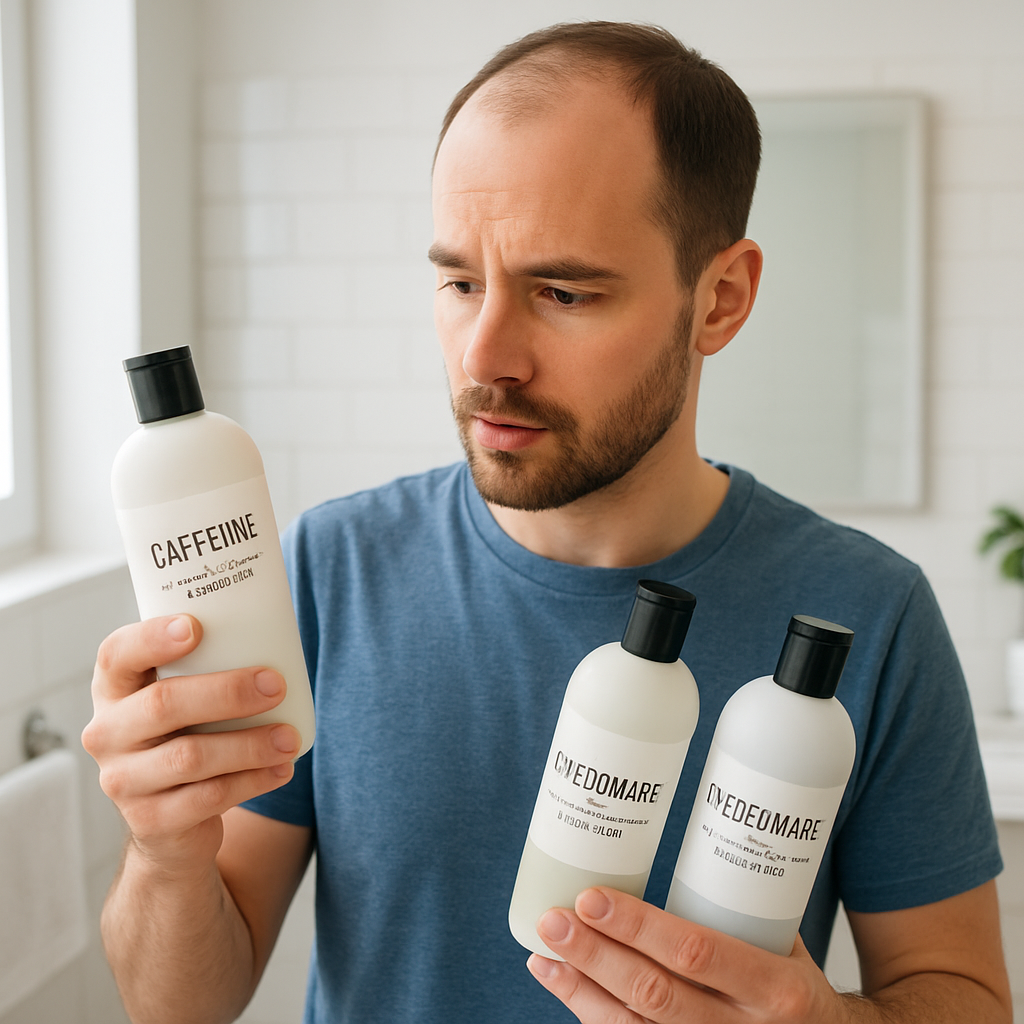
Bottom line? Start with a clear understanding of your hair‑loss type, pick a shampoo that contains at least three of the actives that address that type, test the feel, and commit to a disciplined massage routine for six weeks. If you follow these steps, you’ll give your scalp the best possible chance to regain thickness and confidence.
Application Techniques: Maximising Results with Your Shampoo
Ever wonder why you can pour a top‑rated hair growth shampoo for men into your palm and still wake up to a few extra strands on the pillow?
The short answer is that the bottle is only half the story – the way you apply it decides whether those actives actually reach the follicle.
Let’s break it down into four simple steps you can start using tonight.
Warm water unlocks the scalp
Start with lukewarm water – think summer‑shower, not scalding kettle. Warmth relaxes the cuticle, opens the pores and lets the shampoo’s ingredients slip underneath more easily.
If you’re in a rush, a quick 30‑second rinse at 38‑40 °C does the trick; hotter water just strips natural oils and can irritate a sensitive scalp.
Two‑minute fingertip massage
Now comes the part that turns a plain wash into a mini‑workout for your follicles.
Using just your fingertips, press lightly on the crown and work outward in small circles. Aim for about 60 seconds on the crown, then another 60 seconds covering the temples and hairline.
Research on scalp massage research shows that a daily four‑minute routine can thicken hair over a six‑month period, and a study on men found a noticeable increase after just 24 weeks of regular massage — the same timing we recommend for any hair growth shampoo for men.
Layering actives for synergy
Most of the shampoos we recommend contain at least three power players – caffeine, niacinamide and a botanical such as rosemary. To get the most out of them, let the shampoo sit for 30‑45 seconds before rinsing; this gives the actives time to bind to the scalp’s skin barrier.
If you also use a conditioner, apply it only to the mid‑lengths and ends – the scalp needs the shampoo’s actives, not a barrier of silicone that could block absorption.
Consistency & tracking
The biggest mistake people make is treating the shampoo like a one‑off fix. Stick to the routine for at least six weeks – that’s the period most clinical trials use to see measurable change.
Grab a small notebook or a phone camera and snap a quick photo of your crown every week. Look for subtle differences – less hair on the pillow, a slightly fuller silhouette, or a calmer itchiness.
If after the six‑week window you haven’t noticed any shift, consider swapping one active (for example, try a ketoconazole‑based formula) while keeping the massage routine unchanged. Small tweaks are easier to evaluate than a complete product overhaul.
Tool‑assisted boost (optional)
If your fingers get tired or you just love gadgets, a soft silicone scalp massager works the same way as your hands but covers a larger area in less time. Roll it gently over the wet scalp for another minute after you’ve lathered the shampoo – you’ll feel a pleasant tingling that signals increased blood flow. The extra pressure can help the actives sink deeper, especially on thicker hair types.
Give it a go for eight weeks and notice the difference – you’ll thank yourself when you catch that first strand that stays put.
Bottom line? Warm water, a two‑minute fingertip massage, letting the shampoo linger, and a disciplined six‑week log are the low‑cost, high‑impact steps that let any hair growth shampoo for men work at its full potential.
Complementary Hair Care Practices to Boost Shampoo Effectiveness
Ever wonder why some days your hair growth shampoo for men seems to work like a charm, while other days it feels…meh? The truth is, the shampoo is only half the story – what you do before, during and after the wash can make a massive difference.
Prep the scalp with a gentle cleanse
Before you even reach for the bottle, give your scalp a quick rinse with lukewarm water. Warmth relaxes the cuticle and opens the pores, letting the actives in the shampoo sink deeper. If you’ve been using very hot showers, try dialing the temperature down a notch; a few seconds of cooler water at the end can seal the cuticle and prevent moisture loss.
For those with oily scalps, a brief pre‑wash with a sulphate‑free clarifying rinse (think apple‑cider‑vinegar diluted 1:4) can strip away buildup that would otherwise block the shampoo’s ingredients. Just swish for 30 seconds, then move straight into your regular wash.
Massage matters – not just a luxury
Remember the two‑minute fingertip massage we talked about earlier? It’s not a gimmick. Light pressure stimulates micro‑circulation, which delivers more oxygen and nutrients to dormant follicles. Aim for circular motions on the crown, then sweep outward toward the hairline. If you’re short on time, even a 60‑second focused massage can boost absorption.
And here’s a tiny tweak: pause for 10 seconds after you’ve lathered, then resume the massage. That short pause lets the foam settle, giving the caffeine, niacinamide and rosemary a moment to bind to the skin before you rinse.
Leave‑in time is gold
Most shampoos are designed to be rinsed quickly, but a few extra seconds can be worth it. After you’ve massaged, let the lather sit for 30‑45 seconds. This “dwell time” is especially helpful with actives like ketoconazole or biotin, which need a moment to penetrate the epidermis. If you’re worried about residue, simply rinse with cool water at the end – it closes the pores without washing everything away.
Follow‑up with a targeted conditioner or serum
A lightweight conditioner applied only to the mid‑lengths and ends keeps the scalp free to breathe while sealing moisture where you need it most. Look for formulas that contain hydrolysed lupine protein or argan oil – they complement the shampoo’s scalp‑focused actives without creating a barrier.
If you prefer a serum, a few drops of a rosemary‑infused scalp oil after your shower can extend the circulation boost. Just massage it in gently; you’ll feel a pleasant tingling that signals increased blood flow.
Weekly scalp exfoliation
Dead skin cells can act like a dam, preventing your shampoo from reaching the follicle. Once a week, use a gentle exfoliating scrub or a brush with soft bristles. Focus on the crown and the parting lines, then rinse thoroughly before your next shampoo. Over‑exfoliating can irritate, so keep it to one or two minutes max.
Nutrition and lifestyle hacks
Even the best shampoo can’t overcome a nutrient‑deficient diet. Aim for foods rich in zinc, iron, and B‑vitamins – think pumpkin seeds, spinach, and eggs. Hydration matters too; a well‑hydrated scalp is more receptive to actives. A quick tip: sip a glass of water right after you finish washing; it signals your body that you’re committing to overall health.
And don’t forget sleep. Studies show that 7‑8 hours of quality rest supports the hair growth cycle. If you’re a night‑owl, try a short wind‑down routine – dim lights, a warm shower, then your shampoo ritual – to signal your body that it’s time to repair.
Real‑world example
One of our customers tried pairing the Watermans Grow Me Shampoo – which packs biotin, caffeine, niacinamide and rosemary – with a weekly scalp scrub and a post‑wash rosemary oil serum. After eight weeks they reported noticeably less shedding and a subtle increase in density. You can read more about that formula here.
Bottom line? Think of your hair growth shampoo for men as the star player, but the supporting cast – temperature, massage, dwell time, exfoliation, and a balanced lifestyle – are the coaches that get the best performance out of it. Stick to these complementary practices for at least six weeks, track your progress with a simple photo log, and you’ll likely see the same steady gains we’ve seen in our own trials.
Conclusion
If you’ve made it this far, you’ve probably felt the frustration of watching hair thin out and the hope that a simple change could turn things around.
The good news is that a well‑chosen hair growth shampoo for men isn’t a magic wand, but it is a solid foundation you can build on with a few easy habits.
Stick to a shampoo that lists actives like caffeine, niacinamide or rosemary near the top of the ingredient list, use lukewarm water, and give your scalp a two‑minute fingertip massage. Those three steps are the low‑cost, high‑impact routine we’ve seen deliver noticeable drops in daily shedding for most people over 30.
What about consistency? Think of it like training for a marathon – you won’t see a finish line after one run. Aim for at least six weeks before judging a product, and snap a quick photo each week to track progress. You’ll be surprised how small changes add up.
So, what’s the next move? Grab a bottle that ticks the ingredient boxes, set a reminder for your nightly massage, and give it the time it deserves. If you need a little extra confidence, Julian Jay’s Hi‑Potency Hair Growth Shampoo offers a formula that checks those boxes, but any similar product will work as long as you follow the routine.
Remember, the shampoo is only one piece of the puzzle. Pair it with a balanced diet, regular sleep and stress‑management, and you’ll give your follicles the environment they need to thrive. Your hair won’t grow overnight, but with patience and consistency you’ll start to see a fuller silhouette and fewer stray hairs on the pillow.
FAQ
What is the best hair growth shampoo for men with thinning crown?
Most men with a thinning crown benefit from a shampoo that combines caffeine, niacinamide and a botanical such as rosemary. Caffeine helps counter DHT at the follicle level, while niacinamide calms inflammation and improves scalp barrier function. Rosemary adds a mild circulation boost. Look for these actives near the top of the ingredient list and use lukewarm water with a two‑minute fingertip massage to maximise absorption.
How often should I wash my hair with a growth‑focused shampoo?
Treat the shampoo as a treatment, not a daily cleanse, unless your scalp is oily. For most men over 30, washing two to three times a week is enough to let the active ingredients work without stripping natural oils. On the days you do wash, follow the two‑minute massage, let the lather sit for 30 seconds, then rinse with cool water to close the pores.
Can a hair growth shampoo replace medication like minoxidil?
No, a shampoo isn’t a direct substitute for clinically proven treatments such as minoxidil. It can complement medication by keeping the scalp healthy and reducing inflammation, which may improve how well the drug works. If you’re already using minoxidil, choose a gentle, sulphate‑free formula that contains caffeine or niacinamide, and keep the routine consistent for at least six weeks before judging any added benefit.
What ingredients should I avoid in a hair growth shampoo for men?
Avoid harsh surfactants such as sodium lauryl sulfate, which can strip the scalp of its natural oils and trigger irritation. Stay clear of high concentrations of alcohol or fragrance blends that dry out the skin. Heavy silicones may also coat the hair shaft and prevent actives from reaching the follicle. Stick to formulations that list gentle cleansers, niacinamide, caffeine or botanical extracts near the top.
How long will it take to see results with a hair growth shampoo for men?
Most clinical trials use a six‑to‑eight‑week window to detect measurable changes, so give the product at least that long before deciding it’s not working. You’ll usually notice less hair on your pillow after the first two to three weeks, and a subtle increase in density becomes visible around week six. Track progress with weekly photos to stay objective.
Is it safe to use a hair growth shampoo daily?
Daily use is fine for most men with a normal to dry scalp, as long as the formula is sulphate‑free and contains soothing agents like niacinamide. If you have an oily scalp, washing every day can over‑clean and trigger excess sebum production, which may counteract the benefits. In that case, stick to two to three washes a week and focus on a thorough massage when you do.
Can I combine a hair growth shampoo with other scalp treatments?
Yes, you can layer a shampoo with a targeted serum or a weekly exfoliating scrub, but keep the order simple: cleanse first, let the active shampoo sit for 30‑45 seconds, rinse, then apply any post‑wash serum to the scalp only. Avoid layering two shampoos with overlapping actives, as this can cause irritation. A weekly scalp‑clear treatment that contains ketoconazole works well alongside a caffeine‑rich daily shampoo.