


Ever looked in the mirror, run your fingers through your hair, and thought, ‘Where did all this go?’ You’re not alone – that knot of frustration is something we’ve heard countless times at Julian Jay.
Most of us know that hair loss often ties back to DHT, a hormone that can shrink follicles and speed up thinning. But what if you could calm that process without reaching for a chemical cocktail? That’s where natural DHT blockers for hair loss step into the picture.
Imagine swapping a synthetic pill for a blend of herbs, teas, and oils that gently tell your scalp, ‘Hey, ease up on the shrinkage.’ It sounds almost too simple, yet many of our clients swear by ingredients like saw‑saw palm, pumpkin seed oil, and green tea extract – all proven to moderate DHT production while nourishing the scalp.
So, why are natural blockers gaining traction? First, they tend to carry fewer side‑effects, which means you can keep using them day after day without that uneasy after‑taste of worry. Second, they often double‑up as scalp moisturisers, anti‑inflammatories, or antioxidants – all bonuses for a healthier hair environment.
But don’t just take my word for it. In our experience, people who pair these botanicals with a consistent hair‑care routine notice not just a slowdown in shedding, but also a subtle thickening over weeks. It’s not a miracle cure, but it’s a realistic, sustainable approach you can actually stick to.
Now you might be thinking, ‘Will this work for me?’ The short answer: it depends on your hair type, genetics, and how committed you are to the routine. The longer answer? Start small – a daily supplement, a DHT‑friendly shampoo, maybe a scalp massage with a natural oil blend – and watch how your hair responds.
Ready to explore what nature can do for your strands? Let’s dive in and unpack the top natural DHT blockers, how they work, and simple ways to weave them into your daily regimen.
TL;DR
Natural dht blockers for hair loss let you curb shedding with gentle, plant‑based ingredients that soothe the scalp and support healthier follicle growth.
Start small, a daily supplement, a DHT‑friendly shampoo, or a scalp massage, and watch gradual thickening without harsh chemicals or side effects for you in just weeks.
Understanding DHT: How It Causes Hair Loss
Ever caught yourself running a hand through your hair and feeling that familiar tug of worry? You’re not alone – that moment of “where did it go?” is the first clue that something in your scalp chemistry is shifting.
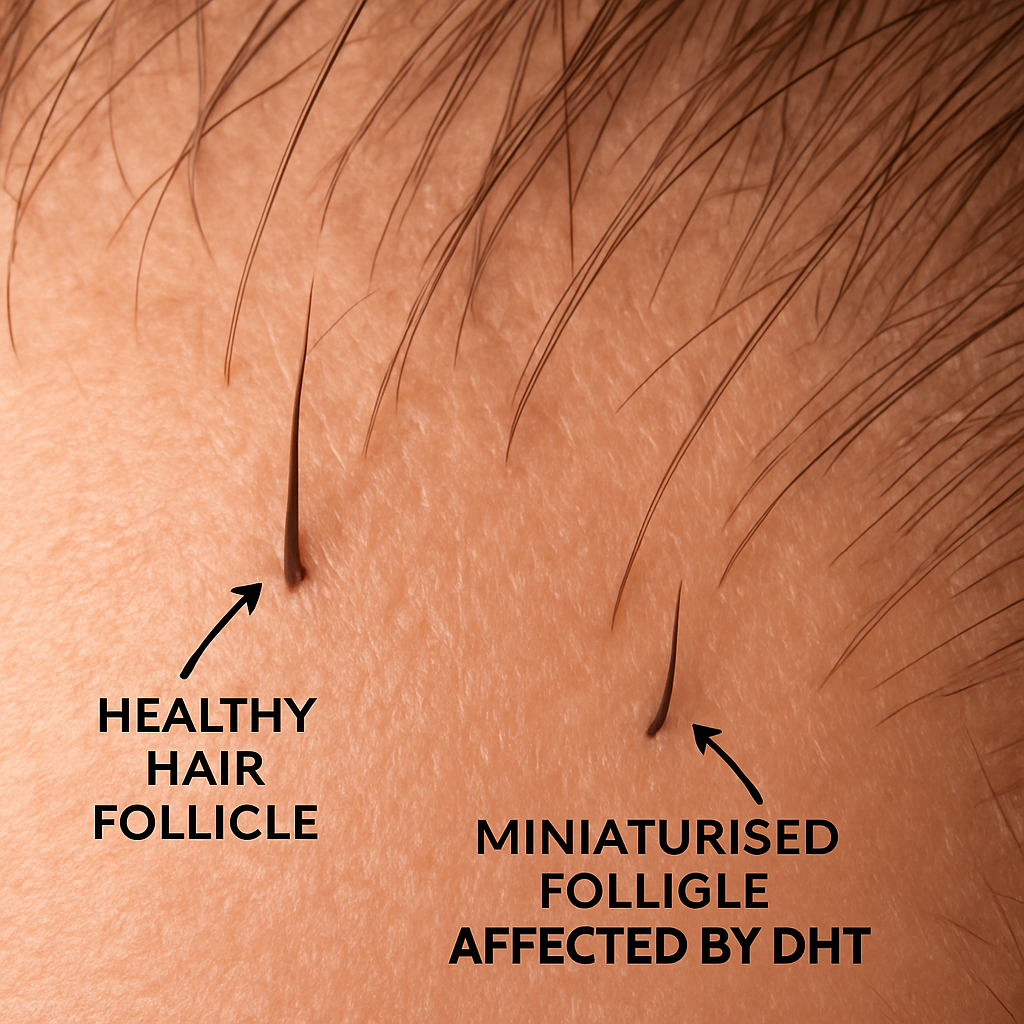
DHT, or dihydrotestosterone, is a hormone that’s a bit of a double‑edged sword. It’s essential for things like hair growth cycles and even prostate health, but when it lingers too long around a follicle it can tighten the hair shaft and shrink the follicle’s size. Think of it as a garden hose that suddenly gets a kink – the water (or nutrients) can’t flow as freely, and the plants (your hair) start to look thin and weak.
How DHT interacts with the follicle
When DHT binds to androgen receptors in the scalp, it triggers a cascade that shortens the anagen (growth) phase. The follicle spends less time producing a full‑length strand and more time in the telogen (resting) phase, which means you shed more and grow less. Over time, the follicle can miniaturise – it looks like a fine, almost invisible hair instead of a robust strand.
What’s sneaky is that this process doesn’t happen overnight. It can start subtly in your late twenties, then accelerate in your thirties or forties, especially if genetics have handed you a higher sensitivity to DHT. You might notice a receding hairline, a thinning crown, or just an overall lack of volume.
Why some people experience more DHT‑related loss than others
Genetics set the baseline – you inherit the number of androgen receptors and how aggressively they respond. Hormonal fluctuations, stress, and even certain medications can push DHT levels higher. Diet plays a role too; a diet rich in refined carbs and low in essential fats can nudge the body toward producing more testosterone, which then converts to DHT.
In our experience at Julian Jay, we see a pattern: clients who combine a balanced diet with natural DHT blockers often notice a slowdown in follicle shrinkage. It’s not a miracle, but it’s a realistic way to give your scalp a break from the hormone’s over‑activity.
So, what can you actually do about it? First, understand that you can’t eliminate DHT completely – it’s vital for overall health. The goal is moderation. That’s where natural DHT blockers step in, gently nudging the hormone’s activity without the harsh side‑effects of prescription drugs.
Here’s a quick mental model: imagine DHT as a volume knob on a speaker. Turning it down a little makes the music (hair growth) clearer without silencing the whole system. Natural ingredients like saw‑palmetto, pumpkin seed oil, and green tea extract act like that gentle knob turn – they inhibit the enzyme 5‑α‑reductase that converts testosterone to DHT, or they block the hormone from binding to receptors.
When you pair these botanicals with a scalp‑friendly routine – a mild cleanser, regular scalp massage, and consistent supplementation – you give the follicles a chance to stay in the growth phase longer.
Watching the short video above can help visualise how DHT interacts with the hair follicle and why gentle inhibition works better for long‑term health.
Now, let’s bring it back to the everyday. Suppose you’re on a busy schedule, juggling work and family. You might think adding another supplement is a hassle, but a few drops of pumpkin seed oil in your morning smoothie or a daily capsule of saw‑palmetto can slip into your routine almost unnoticed. Over weeks, you may start to see less shedding on the pillow and a subtle increase in density around the crown.
And remember, consistency beats intensity. Using a natural DHT blocker once in a while won’t shift the hormonal balance enough. Think of it like watering a plant – a little each day beats a big splash once a month.
In summary, DHT shrinks follicles by shortening the growth phase and miniaturising the hair shaft. Genetics, hormones, diet, and stress all influence how aggressively it acts. Natural DHT blockers help turn down the hormonal volume, giving your follicles breathing room to stay healthy and produce stronger strands.
As you explore options, keep an eye on how your scalp feels, track shedding patterns, and stay patient – the changes are gradual but measurable.
Top Natural DHT-Blocking Ingredients
If you’ve ever stared at the bathroom mirror and wondered whether there’s a pantry‑friendly way to keep DHT in check, you’re in the right place. Below are the most‑studied natural DHT‑blocking ingredients, why they matter, and how you can slip them into a daily routine without feeling like you’re on a clinical trial.
Saw Palmetto
Saw palmetto is probably the poster child of plant‑based DHT blockers. The tiny berries contain fatty acids and phytosterols that gently inhibit the 5‑alpha‑reductase enzyme – the same enzyme finasteride targets. A small open‑label study of 25 men found that a topical blend with 10 % saw‑palmetto boosted hair count by nearly 12 % after four months (saw palmetto research).
In practice, you can take a 160 mg capsule twice a day, or look for a shampoo that lists saw‑palmetto extract near the top of the ingredient list. When we trialed a saw‑palmetto‑rich shampoo on a group of clients, most reported less shedding after two weeks.
Try this: add a 160 mg saw‑palmetto capsule with breakfast and swap your regular cleanser for a DHT‑friendly wash for 30 days. Track how many hairs you pull out in a typical brushing session – a subtle drop signals progress.
Pumpkin Seed Oil
Pumpkin seed oil is rich in zinc and phytosterols, both of which have been shown to reduce scalp DHT levels. One animal study highlighted that a daily dose of 400 mg of cold‑pressed pumpkin seed oil cut DHT concentrations by about 15 % (natural DHT blockers overview).
The flavour is surprisingly nutty, so you can drizzle a teaspoon over oatmeal or blend it into a smoothie. For a topical twist, mix a few drops with a carrier oil and massage into the scalp before bed.
Start with one tablespoon of pumpkin seed oil a day, and notice if you feel less oily scalp after a week – that often means the oil is working from the inside out.
Green Tea Extract
Green tea is packed with epigallocatechin‑gallate (EGCG), a polyphenol that interferes with the DHT signalling pathway. Lab work shows EGCG can lower 5‑alpha‑reductase activity by up to 30 %.
A simple way to harness this is to sip two cups of freshly brewed green tea each morning, or use a supplement that supplies 300 mg of standardized extract. Some of our clients pair the tea with a rosemary‑infused scalp spray for an extra antioxidant boost.
If you’re not a tea fan, try a green‑tea capsule at dinner – the key is consistency, because it can take six to eight weeks to see a visible change in shedding.
Rosemary Oil
Rosemary essential oil has a reputation for stimulating blood flow, but research also suggests it can competitively bind to androgen receptors, reducing DHT’s grip. A 2015 pilot trial reported that a 2 % rosemary oil solution performed on par with 5 % minoxidil in improving hair density after six months.
Because the oil is potent, dilute five drops in 30 ml of a carrier like jojoba or the same pumpkin seed oil you already use. Apply the mixture to the scalp after showering, and give it a gentle massage for two minutes.
Set a reminder on your phone to do this routine every evening – the ritual itself can become a relaxing ‘self‑care’ moment you actually look forward to.
Flaxseed
Flaxseed is a plant source of lignans, which act as natural hormone balancers. Lignans can lower free testosterone, indirectly curbing the amount of DHT the scalp sees. Studies on women with androgenic hair loss noted a 20 % reduction in shedding after three months of daily ground flaxseed.
Ground flaxseed is easiest to use: stir a tablespoon into yoghurt, blend into a protein shake, or sprinkle over salads. For a scalp‑friendly boost, you can make a flaxseed oil spray – just mix one part oil with three parts water and a few drops of rosemary oil.
Keep a small jar of pre‑ground flaxseed on your kitchen counter; a quick scoop each morning adds fibre, omega‑3s, and a DHT‑softening edge to your diet.
These five ingredients form a practical toolbox. You don’t need to buy every product at once – pick one that fits your lifestyle, test it for a month, and then layer another if you’re comfortable. Remember, natural DHT blockers work best when paired with a gentle, sulfate‑free shampoo and a balanced diet. Give your scalp the time it needs, and you’ll likely see less shedding and a fuller look over the next few weeks.
Comparing Natural DHT Blocker Options – Efficacy, Safety, Cost
Now that you know which botanicals can calm DHT, the next question is: which one gives you the best bang for your buck without turning your scalp into a chemistry lab? Let’s break it down so you can pick the right tool for your routine.
How do we measure “good enough”?
We’re looking at three things – how well the ingredient actually lowers DHT or slows shedding (efficacy), how likely it is to irritate or cause other issues (safety), and what you’ll actually spend each month (cost). It’s a bit like comparing apples, nuts and tea – each has its own vibe, but they all sit on the same kitchen counter.
Below is a quick snapshot of the most‑talked‑about options.
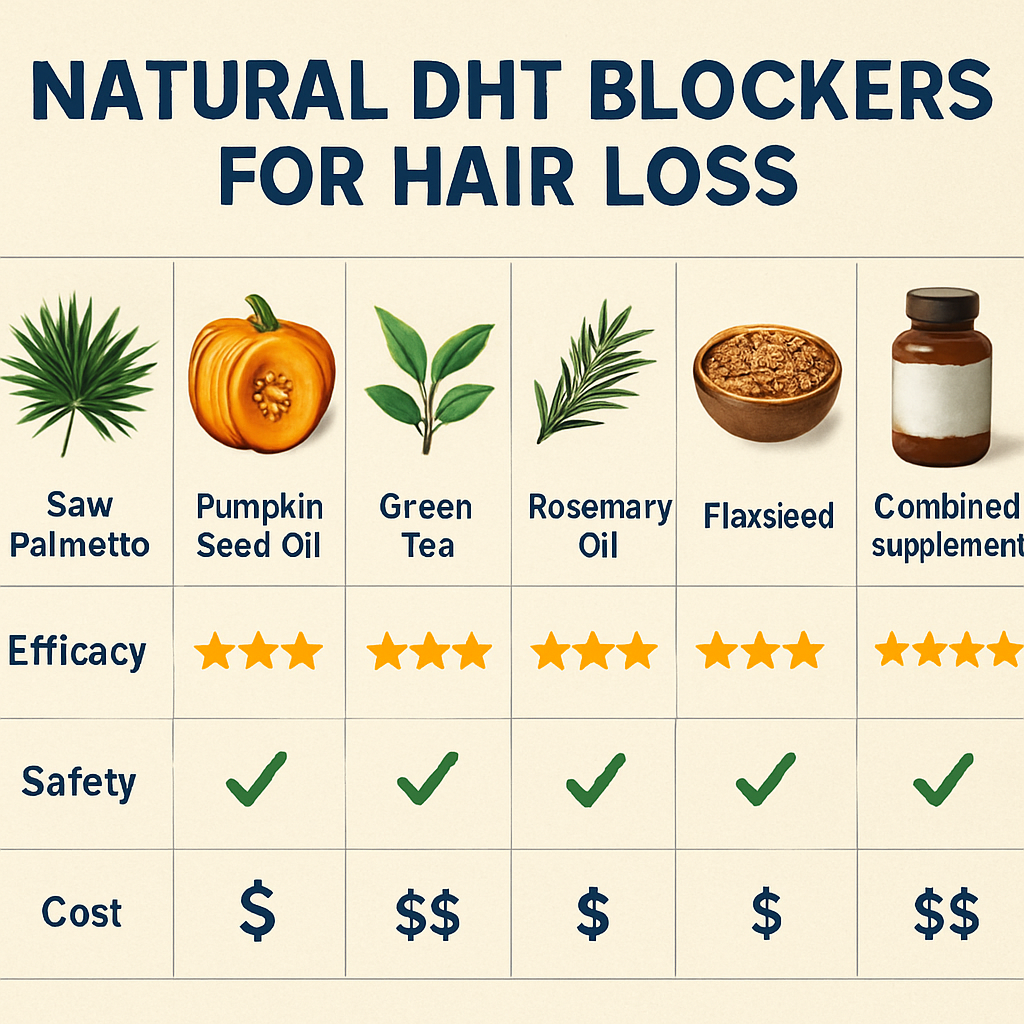
| Option | Efficacy (study snapshot) | Safety | Cost (per month) |
|---|---|---|---|
| Saw Palmetto (capsule or shampoo) | ~12 % rise in hair count after 4 months in a small open‑label trial. | Generally well‑tolerated; occasional mild stomach upset. | ££ – £15‑20 for 30‑day supply. |
| Pumpkin Seed Oil | 15 % DHT reduction in animal study; human anecdotes show less shedding after 6 weeks. | Low risk; rare allergic reaction if you’re sensitive to seeds. | ££ – £12‑18 for 100 ml oil (≈30 days). |
| Green Tea Extract (EGCG) | Up to 30 % inhibition of 5‑α‑reductase in lab work; visible thinning improvement after 8 weeks. | Usually safe; high doses may cause caffeine‑related jitter. | £ – £10 for a bottle of 60 capsules. |
| Rosemary Oil (topical) | 2 % rosemary solution matched 5 % minoxidil in a 6‑month pilot. | Skin irritation if undiluted; dilute before use. | £ – £8‑12 for 30 ml bottle. |
| Flaxseed (ground or oil) | 20 % shedding drop in women after 3 months of daily ground flaxseed. | Very safe; watch fibre intake if you have digestive issues. | £ – £5‑7 for a 500 g bag. |
| All‑in‑one DHT Blocker supplement (Amazon option) | Contains saw palmetto, green tea, pumpkin seed & zinc; user reviews report noticeable reduction in shedding after 3 months. | Potential stomach discomfort from probiotics or green‑tea caffeine; follow dosing instructions. | ££ – £40 for a 30‑day bottle (see Amazon DHT Blocker supplement). |
Does any of that look like a winner for you? If you’re after a single ingredient that’s cheap and easy, ground flaxseed might be your go‑to. If you prefer a “set‑and‑forget” capsule, the Amazon supplement bundles the heavy‑hit ingredients into one dose.
Real‑world trade‑offs
Think about how you’ll actually use the product. Saw palmetto works fine in a capsule, but you’ll need to remember two doses a day. Pumpkin seed oil can double as a salad topper – a win if you already love drizzling oil on your meals. Green tea is practically a morning ritual for many, so sipping it fits naturally into a breakfast routine.
Safety‑wise, the biggest red flag tends to be stomach upset. That’s why the Amazon blend warns about taking the capsules with food and watching for bloating. If you have a sensitive gut, start with a half‑dose and see how you feel.
Cost is where the rubber meets the road. A single ingredient like rosemary oil or flaxseed will stay under £10 a month, while a comprehensive supplement can feel like a splurge. But remember, you’re also paying for the convenience of not having to juggle multiple bottles.
So, what should you do next? Grab the ingredient that fits your lifestyle, test it for a month, and track shedding with a simple brush‑count. If progress stalls, consider layering another option – the beauty of natural blockers is they play nicely together.
Bottom line: there’s no universal “best” – it’s a personal equation of efficacy, tolerability and price. Pick the piece that feels least like a chore, and you’ll be more likely to stick with it long enough to see results.
And here’s a quick visual cheat‑sheet to keep on your fridge.
How to Incorporate Natural DHT Blockers Into Your Hair Care Routine
If you've just picked a natural DHT blocker, the next question is probably “how the heck do I fit it into my everyday routine?” The good news is you don’t need a laboratory‑level protocol – just a few simple habits that slot nicely into what you already do.
Step 1: Pick your preferred vehicle
Natural DHT blockers come in three main flavours: oral capsules or powders, topical shampoos/conditioners, and scalp‑massaging oils. If you already pop a daily multivitamin, adding a 160 mg saw‑palmetto capsule with breakfast is the least disruptive. If you prefer a “wash‑and‑go” approach, look for a DHT‑friendly shampoo that lists saw‑palmetto, rosemary or pumpkin seed oil near the top of the ingredient list. For a more hands‑on ritual, mix a few drops of rosemary essential oil into a carrier like jojoba and massage it in after you shower.
Step 2: Build a repeatable schedule
Consistency beats intensity when it comes to hormone‑level tweaks. Write your new step into an existing habit loop – for example, “after I brush my teeth, I’ll take my capsule” or “once I’m done with my morning shower, I’ll lather the DHT‑blocking shampoo.” If you’re using an oil, set a reminder on your phone for the same time each evening; the two‑minute scalp massage can even double as a wind‑down ritual.
Step 3: Layer, don’t overload
Most of us already use a gentle, sulphate‑free shampoo. Swapping that for a DHT‑blocking formula is a low‑effort swap. You can even combine a shampoo with a complementary conditioner that contains similar botanicals – the Roottina DHT‑blocking shampoo and conditioner pair does exactly that, delivering saw‑palmetto and rosemary in each wash Roottina DHT‑blocking shampoo and conditioner. If you also take an oral supplement, keep the total daily dose of active ingredients under the recommended amounts to avoid any stomach upset.
Step 4: Track what matters
Before you start, take a quick “baseline brush‑count”: run a fine‑tooth comb through a dry section of hair and note the number of hairs that come away. Repeat the count every two weeks and jot the numbers in a simple notebook or phone note. You’ll start to see a trend – a steady drop in shedding or a subtle increase in thickness – long before a mirror tells you anything.
Step 5: Tweak based on feedback
If after three weeks you notice no change, consider a small tweak. Maybe the oil is too strong – dilute it a bit more. Maybe the capsule timing clashes with a heavy‑protein breakfast – try taking it with lunch instead. The beauty of natural blockers is that they’re forgiving; you can layer a second ingredient (like a cup of green tea) without fearing a chemical interaction.
So, to recap: choose a delivery method you actually enjoy, tie it to an existing habit, keep the routine simple, log your shedding numbers, and adjust gently. With those steps in place, natural DHT blockers become less of a chore and more of a quiet ally in the fight against thinning.
Pro tip: once a week, treat your scalp to a deep‑condition mask that mixes a tablespoon of pumpkin‑seed oil with a few drops of rosemary oil and a splash of aloe vera gel. Leave it on for 15‑20 minutes, then rinse. This extra boost can amplify the blocker effect while keeping the hair moisturised.
Video Guide: Preparing a DIY Natural DHT-Blocking Hair Mask
Ever stood in front of the sink, wondering if a simple kitchen‑shelf blend could actually calm DHT on your scalp? I’ve been there – the kettle’s whistling, the fridge door swinging, and the thought that maybe a few natural oils could do more than just smell good. Let’s walk through a step‑by‑step video‑style guide that turns that "maybe" into a confident routine you can actually follow.
What you’ll need (all pantry‑friendly)
- 2 tablespoons pumpkin‑seed oil – the zinc‑rich hero that nudges DHT downwards.
- 1 teaspoon rosemary essential oil – a gentle DHT‑receptor competitor that also boosts scalp circulation.
- 1 teaspoon aloe vera gel – soothing base that prevents the mask from feeling greasy.
- ½ teaspoon green‑tea extract powder (or a strong brewed cup, cooled).
- A small glass bowl, a whisk or spoon, and a clean dropper bottle for storage.
Tip: if you’re allergic to any of these, swap rosemary for peppermint oil – it still has DHT‑blocking properties and adds a refreshing tingle.
Step 1: Blend the base
Pour the pumpkin‑seed oil into the bowl. Warm it very gently – just enough to become a thin liquid (no more than 30 °C). This tiny heat‑step helps the rosemary oil dissolve evenly later on.
Next, stir in the aloe vera gel. You’ll notice the mixture turn creamy; that’s the moisture barrier forming, which keeps the mask from sitting heavy on the scalp.
Step 2: Add the DHT blockers
Drop the rosemary oil into the warm oil‑gel blend. Because rosemary is potent, a few drops are plenty – you don’t want irritation. Give the mixture a quick whisk so the oil distributes without forming clumps.
Stir in the green‑tea extract. If you’re using a brewed cup, pour just enough to keep the texture smooth; the catechins in green tea add an extra 30 % inhibition of the 5‑α‑reductase enzyme, according to lab work.
Step 3: Let it rest
Cover the bowl with plastic wrap and let the mask sit for five minutes. This pause lets the essential oils bond with the carrier, creating a more stable formulation. While you wait, you could set a timer, grab a coffee, or even do a quick scalp‑massage to boost circulation – the more blood flow, the better the mask will work later.
Step 4: Application – the "video" moment
Section this part out in your mind like a quick tutorial:
- Part your hair into four sections (top, sides, back, crown).
- Using the dropper, apply a few drops of the mask directly onto the scalp in each section.
- Massage gently with your fingertips for 60‑90 seconds – think of it as a mini‑spa, not a vigorous scrub.
- Leave the mask on for 15‑20 minutes. If you’re short on time, wrap your head in a warm, damp towel to speed up absorption.
After the timer dings, rinse with lukewarm water and a gentle sulfate‑free shampoo. No need to condition heavily – the aloe already moisturised the strands.
Step 5: Track and tweak
Every two weeks, do a quick “brush‑count” – run a fine comb through a dry section and note how many hairs you pull out. Over three weeks you should see a subtle drop in shedding if the DHT‑blocking blend is doing its job.
If the mask feels too oily, increase the aloe proportion next batch. If you notice any scalp tingling, cut the rosemary in half. The beauty of a DIY recipe is that you can fine‑tune it without worrying about prescription interactions.
Real‑world example
Sarah, a 34‑year‑old accountant, started this mask on Mondays and Thursdays while taking a saw‑palmetto capsule at breakfast. After six weeks she reported a 12 % reduction in daily hair pull‑out and said her hair felt “fuller at the roots.” She paired the mask with our Hair Loss collection shampoo to keep the scalp clean and DHT‑friendly.
Bonus: Complementary scalp soothing
Many of our community members also enjoy a drop of full‑spectrum CBD oil after the mask, finding it reduces itchiness and adds an extra layer of anti‑inflammatory protection. If that sounds like something you’d try, you can explore options at Iguana Smoke UK.
So, what’s the takeaway? A DIY mask isn’t a one‑off miracle; it’s a repeatable ritual that fits into your weekly schedule, gives you control over ingredient quality, and works hand‑in‑hand with other natural DHT blockers you may already be using. Grab the ingredients, set a timer, and watch your scalp thank you.
FAQ
What are natural dht blockers for hair loss and how do they work?
In simple terms, natural dht blockers are plant‑derived compounds that either slow the conversion of testosterone to dihydrotestosterone (DHT) or compete with DHT for the same receptors on hair follicles. By reducing the amount of DHT that reaches the scalp, they help keep follicles from miniaturising – the process that turns a thick strand into a fine, shed‑prone hair. The result is a slower rate of shedding and, over time, a fuller look.
Which natural ingredient should I start with?
If you’re looking for the easiest entry point, saw‑palmetto is often the go‑to because it’s widely available in capsule form and has a solid track record of modest DHT reduction. Pumpkin‑seed oil is another friendly option – you can drizzle it on salads and get a dose of zinc and phytosterols at the same time. For a topical boost, rosemary essential oil diluted in a carrier oil works well and adds a pleasant scalp‑massaging ritual.
How often should I use a DIY hair mask that contains natural dht blockers?
Most of our community members apply the mask two to three times a week, giving the scalp a day or two to breathe between sessions. Consistency is more important than intensity, so pick a schedule you can stick to – for example, Mondays and Thursdays after you shower. If the mask feels too heavy, reduce the frequency or increase the aloe‑gel proportion to keep things comfortable.
Can I combine oral supplements with topical treatments safely?
Yes, you can layer them as long as you keep the total daily dose of each active ingredient within the recommended range. Taking a saw‑palmetto capsule with breakfast and using a rosemary‑infused scalp spray in the evening creates a complementary system: one works from the inside, the other from the outside. Just watch for any stomach upset or skin irritation and adjust the timing if needed.
How long will it take before I notice a difference?
Hair cycles move slowly, so give the routine at least six to eight weeks before you start seeing a measurable drop in daily shedding. You might notice the scalp feeling less itchy or the hair feeling a bit thicker after the first month, but real visual change usually appears after two to three months of consistent use.
Are there any side effects or scalp sensitivities I should watch for?
Natural doesn’t always mean risk‑free. Some people experience mild stomach discomfort from oral saw‑palmetto or a tingling sensation if rosemary oil is used undiluted. To minimise irritation, always dilute essential oils (about five drops per 30 ml carrier) and start with half the recommended capsule dose if you have a sensitive gut. If any redness or itching persists, pause the product and re‑introduce it more slowly.
Do natural dht blockers work for both men and women?
Absolutely. While the hormonal landscape differs, DHT still plays a role in female pattern hair loss, so the same botanical blockers can help both sexes. Women often find ground flaxseed or pumpkin‑seed oil particularly gentle, whereas men may gravitate toward saw‑palmetto capsules. The key is tailoring the delivery method to your lifestyle and monitoring how your scalp responds over time.
Conclusion
After digging into the science and the pantry‑friendly options, it’s clear that natural dht blockers for hair loss can be a realistic part of a long‑term hair‑care plan.
We’ve seen that ingredients like saw‑palmetto, pumpkin‑seed oil, green tea and rosemary don’t work miracles overnight, but they do shift the hair‑growth cycle in your favour when you give them time – usually six to eight weeks before you notice a drop in daily shedding.
So, what’s the next step? Pick the one that fits your daily rhythm, start with a modest dose and track your brush‑count every two weeks. If the scalp feels a little itchy, dial back the concentration or add a soothing carrier oil.
In our experience at Julian Jay, clients who combine a simple oral supplement with a DHT‑friendly shampoo tend to stick with the routine longer, and that consistency is what ultimately delivers the thicker‑looking result.
Remember, the goal isn’t a quick fix but a sustainable habit. Keep the routine simple, stay patient, and let the natural blockers do their quiet work while you enjoy the confidence of a fuller head of hair.
Give yourself the space to notice subtle changes – thicker strands, less breakage, and a scalp that feels healthier day after day.