


Ever caught yourself scratching your scalp in the shower, wondering if there’s a gentler way to calm that relentless itch?
It’s frustrating – the flakes, the redness, the feeling that every shampoo is just another irritant. You’ve probably tried a few over‑the‑counter shampoos, only to end up with a scalp that feels even tighter, like a drumskin stretched too thin.
What if the solution lived right in your kitchen cabinet? Imagine reaching for a spoon of honey, a splash of apple cider vinegar, or a few drops of tea tree oil, and actually seeing the irritation ease within days.
We’re not talking miracle cures that cure psoriasis overnight. Rather, we’re talking practical, skin‑soothing home remedies that you can mix, apply, and rinse without a pharmacy receipt in sight. These DIY tricks work because they target inflammation, balance the scalp’s pH, and moisturise the flaky patches that most commercial products ignore.
So, what should you try first? A simple oatmeal mask – blend plain rolled oats with warm water, spread it on the scalp, and let it sit for fifteen minutes. Oats contain avenanthramides, natural anti‑inflammatories that calm redness and soothe itching.
Another favourite is the apple cider vinegar rinse. Dilute one part vinegar with three parts water, pour it over your hair after shampooing, and let it fizz away. The acidity helps restore the scalp’s natural pH, discouraging the over‑production of skin cells that cause those stubborn plaques.
If you prefer something aromatic, a few drops of tea tree oil mixed into a carrier oil like jojoba can act as an antibacterial shield while reducing inflammation. Just remember a little goes a long way – you don’t want a burning sensation.
And don’t overlook the power of a daily moisturiser. A light blend of aloe vera gel and a dash of coconut oil can keep the scalp hydrated, preventing the dry cracks that trigger flare‑ups.
We’ll walk through each of these remedies in detail, show you how to combine them safely, and share tips on when to step back and see a dermatologist. Ready to give your scalp the love it deserves?
TL;DR
If you’re battling itchy, flaky patches, simple kitchen‑crafted psoriasis scalp treatment home remedies—like an oatmeal mask, apple cider vinegar rinse, or tea‑tree oil blend—can calm inflammation and restore balance. Combine one remedy at a time, let it work for fifteen minutes, moisturise afterwards, and you’ll notice relief without pricey products or harsh chemicals.
Step 1: Gently cleanse the scalp
First thing's first – before you start mixing oat masks or vinegar rinses, you need a clean canvas. Think of your scalp like a chalkboard; if it's covered in dust, none of the soothing ingredients will stick.
So, how do we cleanse without stripping away the natural oils that keep the skin barrier intact? The trick is to choose a mild, fragrance‑free shampoo or even a simple DIY wash that respects the delicate balance of a psoriasis‑prone scalp.
Pick the right cleanser
Look for a sulfate‑free formula that lists “gentle surfactants” near the top of the ingredient list. If you’d rather avoid store‑bought products altogether, try this kitchen‑based wash:
- 1 tbsp plain, unsweetened yoghurt
- 1 tbsp liquid castile soap
- ½ cup warm water
Mix everything in a bowl until it becomes a smooth, slightly frothy liquid. The yoghurt supplies lactobacilli that can calm inflammation, while castile soap provides a mild cleanse without the harshness of typical shampoos.
Apply the mixture to wet hair, massage gently with your fingertips – not your nails – for about thirty seconds. You’ll feel a subtle tingling, which is just the yoghurt’s probiotics waking up. Rinse thoroughly with lukewarm water; hot water can exacerbate flare‑ups by drying the scalp even more.
Timing and temperature matter
Ideally, wash your scalp no more than twice a week. Over‑washing can strip the protective lipid layer, leaving the skin vulnerable to the red, scaly patches that characterise psoriasis. When you do wash, keep the water temperature between 35‑37 °C (95‑99 °F). Warm, not scorching.
After rinsing, gently pat – don’t rub – the hair dry with a soft towel. If you need to use a blow‑dryer, set it to a low heat setting and keep it at least six inches away.
Now that the scalp is clean and pre‑pped, you’re ready for the next steps – the soothing masks and rinses that actually target the inflammation. But before we dive deeper, here’s a quick visual guide to the cleansing routine.
Notice how the video demonstrates the gentle massage technique and the exact amount of yoghurt‑castile mix to use. Replicating those motions at home can make the difference between a fleeting rinse and a lasting calm.
For those who are also juggling weight concerns, especially after forty, a holistic approach to health can amplify the benefits of scalp care. You might find useful tips on balancing diet and stress on Weight Loss After 40 for Women, which complements the soothing routine you’re building.
And if you’re looking for a broader set of natural strategies – from anti‑inflammatory foods to gentle exercise routines – Healthier Lifestyle Solutions offers a range of ideas that can support skin health from the inside out.
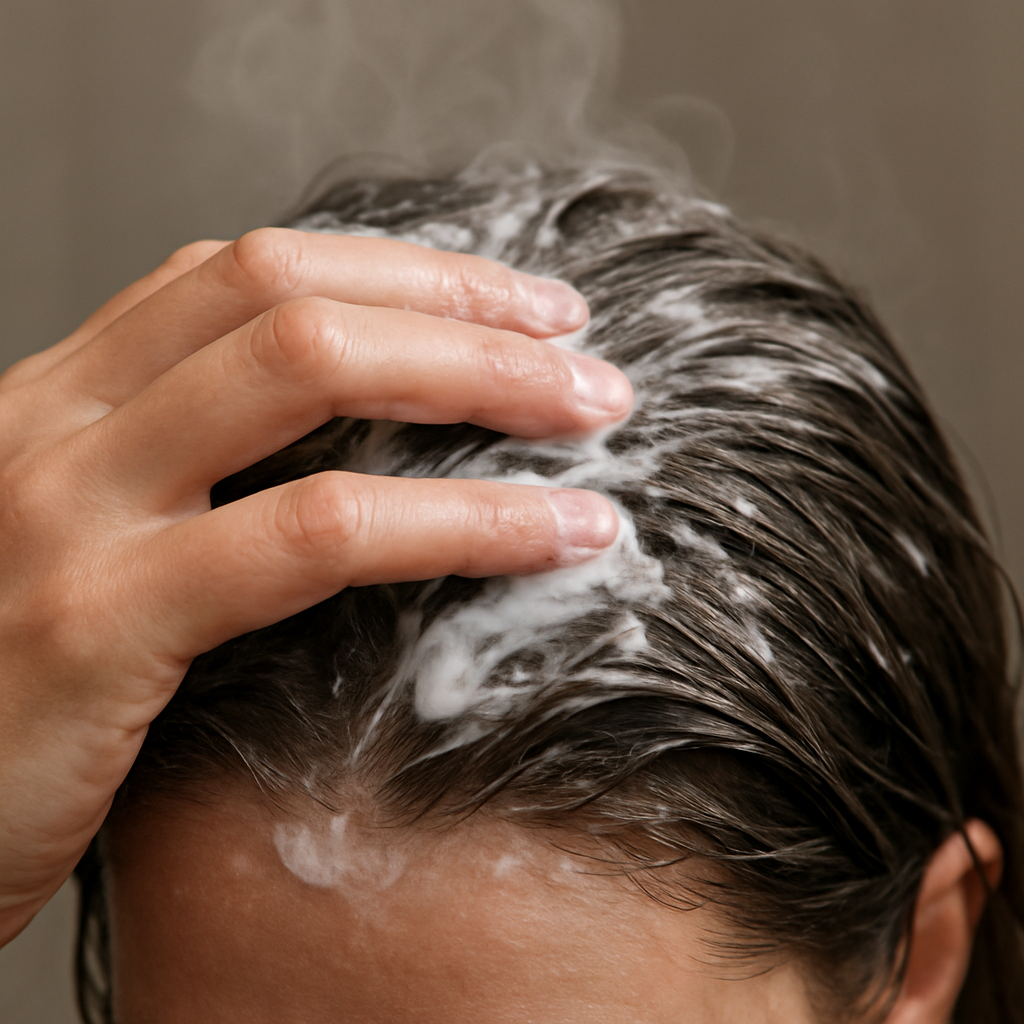
Tip: use lukewarm water and a soft cotton T‑shirt to blot excess moisture, avoiding harsh towel friction.
Quick recap: choose a mild, sulfate‑free cleanser or DIY yoghurt‑castile wash, keep the water lukewarm, limit washes to twice a week, and always finish with a gentle pat‑dry. This simple foundation sets the stage for the nourishing treatments that follow, and it’s the one part you can control every day.
Step 2: Apply a natural moisturiser
Now that the scalp is squeaky clean, the next thing you’ll feel is that it’s a little too tight – like a drumskin that’s been over‑drummed. That’s exactly why a soothing, natural moisturiser is the real game‑changer in any psoriasis scalp treatment home remedies routine.
Why moisture matters
Psoriasis loves dry skin. When the surface is parched, the plaques get itchy, flaky and angry. A lightweight oil or gel creates a barrier that locks in the water you’ve just added in the shower, keeping the scalp supple and less prone to flare‑ups.
Pick your hero ingredients
Here are three pantry‑friendly moisturisers that have been highlighted by skin experts:
- Olive oil – a double‑duty wonder that moisturises and reduces inflammation. Dr. Burns recommends a small dab on the scalp after washing, or mixing 1 part tea tree oil with 10 parts olive oil for a calming blend.read more about olive oil’s soothing power
- Coconut oil – traps moisture in the skin and helps loosen stubborn scales. Warm a teaspoon between your palms and massage it gently into the affected patches.
- Aloe vera gel – a gel that hydrates without feeling greasy. Look for a product with at least 0.5 % aloe, or use pure gel straight from the leaf.Cleveland Clinic notes aloe’s calming effect
Pick one that feels right for you, or combine olive and coconut for an extra‑rich treatment on especially dry days.
Step‑by‑step moisturising ritual
1. Pat dry, don’t rub. After rinsing, gently squeeze excess water with a soft towel. Leaving a hint of dampness helps the oil seal in moisture.
2. Measure a few drops. You don’t need a splash – start with 3‑5 drops of oil or a pea‑sized dollop of gel. Too much can make your hair look greasy.
3. Warm it up. Rub the product between your palms for a few seconds. Warm oil spreads more evenly and feels less sticky.
4. Massage in circles. Using your fingertips (not nails), work the moisturiser into the scalp for 30‑60 seconds. Imagine you’re giving your scalp a mini‑spa – this boosts circulation and lets the ingredients sink deeper.
5. Leave it on. No need to rinse. Let the moisturiser sit until you style your hair as usual. If you’re heading out, a light mist of water followed by a thin layer of oil keeps the scalp hydrated all day.
6. Repeat. For most people, applying a light moisturiser once a day – preferably after the evening wash – keeps the skin comfortable without buildup.
Tips to avoid common pitfalls
• Patch‑test first. Even “natural” oils can trigger a reaction. Dab a tiny amount on the inside of your forearm and wait 24 hours.
• Don’t over‑apply. A greasy scalp can trap heat, which may aggravate psoriasis. Less is more.
• Choose fragrance‑free. Added scents can be irritants, especially on inflamed skin.
• Store oils in a cool, dark place. Heat breaks down the beneficial fatty acids.
When to switch it up
If you notice your scalp feels oily after a week, try a lighter option like aloe gel or a 1:1 mix of olive oil and water. Conversely, on colder months, a richer coconut‑olive blend can protect against the drying indoor heat.
And remember, moisturising is only one piece of the puzzle. Pair it with the gentle cleanse you just mastered, and you’ll have a solid foundation for tackling those stubborn plaques.
So, what’s the next move? Grab a bottle of olive oil, give your scalp a loving massage, and watch the irritation melt away. Your scalp will thank you – and you’ll finally feel like you’ve got a real, doable solution in your own kitchen.
Step 3: Use tea tree oil as an anti‑inflammatory
So, you’ve already given your scalp a gentle cleanse and a soothing moisturiser – now it’s time to bring in a little botanical firepower.
Tea tree oil is a staple in many psoriasis scalp treatment home remedies because its terpinen-4-ol content works like a natural steroid, calming the red, inflamed patches without the harsh side‑effects of synthetic drugs.
But before you go sprinkling a handful of drops everywhere, let’s talk about why it’s effective and, more importantly, how to use it safely.
Why tea tree oil helps calm inflammation
When psoriasis flares, immune cells release cytokines that turn your scalp into a tiny battlefield.
Tea tree oil has been shown to suppress those cytokines, reducing the heat and itch that make you reach for the scratch button.
Think of it as a gentle referee that tells the over‑excited immune system to chill out, while also keeping bacteria at bay – a bonus because a secondary infection can make plaques even worse.
Patch‑test: the non‑negotiable first step
Pure tea tree oil is way too strong for direct scalp application. The sweet spot is 2–3 drops of oil mixed with 1 tablespoon of a carrier oil – think jojoba, grapeseed, or the olive oil you already love.
Even “natural” oils can be a surprise irritant. Grab a cotton swab, dab a drop of tea tree oil onto the inner forearm, cover with a Band‑Aid, and wait 24 hours.
If you notice any burning, redness, or a rash, dilute the oil further (one part oil to ten parts carrier) or skip it altogether. This tiny test can save you a lot of discomfort later.
Mixing the perfect anti‑inflammatory blend
Here’s a quick recipe you can whip up in under a minute:
- 2 drops tea tree oil
- 1 tsp carrier oil (jojoba works well because it mimics skin’s natural sebum)
- Optional: a few drops of lavender for extra calm and scent‑free comfort
Stir the mixture in a small glass bottle and give it a gentle shake before each use.
Step‑by‑step application
1. Start with damp hair. After your gentle cleanse, towel‑dry until just moist – this helps the oil lock in moisture.
2. Dispense the blend. Put 3–4 drops onto your fingertips. You don’t need a flood; a little goes a long way.
3. Massage in circular motions. Use the pads of your fingers, not your nails, and spend about 60 seconds working the oil into the affected zones. Imagine you’re giving each patch a tiny, soothing hug.
4. Let it sit. No need to rinse. Allow the oil to absorb for at least 15 minutes – you can even leave it on overnight if you’re comfortable.
5. Rinse (optional). If you prefer a lighter feel, rinse with lukewarm water after the waiting period. You’ll still notice the anti‑inflammatory benefits because the oil has already penetrated the skin.
6. Frequency. Start with two applications per week. If your scalp tolerates it well, you can move up to three times, but never exceed daily use – over‑application can lead to dryness.
Tips to maximise results
• Pair the oil with your nightly moisturiser – the carrier oil in the blend already does some of that work, but a light dab of aloe gel after the oil can boost hydration.
• Keep your bottle in a cool, dark cupboard. Heat and light break down the active compounds, making the oil less effective.
• If you ever feel a tingling sensation during the massage, dilute the blend a bit more. The goal is soothing, not stinging.
And there you have it – a simple, affordable step that turns a common essential oil into a powerhouse anti‑inflammatory weapon for your scalp.
Next up, we’ll look at how to combine these home remedies into a weekly routine that keeps flares at bay without overwhelming your skin.
Step 4: Oatmeal paste – soothing and exfoliating
Alright, you’ve already given your scalp a gentle cleanse, a boost of moisture, and a little anti‑inflammatory fire‑power from tea tree oil. Now it’s time for the unsung hero that lives in your pantry: oatmeal. If you’ve ever taken a calming oatmeal bath after a long day, you already know the feeling – a gentle, almost buttery relief that quiets itch and softens flakes. That same magic works wonders on the scalp, especially when you turn it into a paste.
Why oatmeal works for psoriasis scalp treatment home remedies
Colloidal oatmeal is basically finely ground oats that release avenanthramides – natural compounds that calm inflammation and reduce redness. The texture is mildly abrasive, so it also helps slough off dead skin without scraping the delicate scalp. Think of it as a dual‑action superhero: soothing the fire while sweeping away the ash.
Even though the science is still catching up, many people with scalp psoriasis report less itching after a few applications. That’s the kind of real‑world feedback that keeps this remedy in the DIY toolbox.
What you’ll need
- ½ cup plain rolled oats (or instant oats if you’re in a hurry)
- Warm water – enough to make a thick, spreadable paste
- A small bowl, spoon, and a grinder or blender (optional)
- Optional add‑ons: a drizzle of honey, a spoonful of aloe vera gel, or a pinch of turmeric for extra anti‑inflammatory power
Step‑by‑step oat‑paste ritual
1. Grind the oats. Pop the rolled oats into a blender or food processor and pulse until you have a fine powder. If you’re using instant oats, you can skip this step.
2. Mix with warm water. Add a splash of warm (not hot) water – start with a tablespoon and stir. Keep adding water until the mixture resembles a thick custard. You want it spreadable but not runny.
3. Optional boost. Stir in a teaspoon of honey for its antimicrobial benefits, or a dollop of aloe gel for extra hydration. A pinch of turmeric can add a gentle anti‑inflammatory kick, but remember turmeric can stain fabrics.
4. Apply. Using your fingertips, part your hair and spread the paste directly onto the itchy patches. Work it in gently; you’re massaging, not scrubbing.
5. Let it sit. Give the paste 10–15 minutes to work its magic. If you’re feeling lazy, you can extend it to 20 minutes – just keep an eye on any tingling sensations.
6. Rinse. Rinse with lukewarm water, then follow with your favourite gentle conditioner if needed. No need to shampoo again; the oat paste has already done the cleaning.
7. Frequency. Start with twice a week. If your scalp feels soothed, you can move to three times, but avoid daily use – the mild exfoliation can become irritating over time.
Real‑world examples
Sarah, a 34‑year‑old teacher, swears by a weekly oat paste. She says, “I used to wake up with a blanket of flakes that made me look like a snow‑man. After a month of the oat mask, the itching dropped dramatically and the plaques looked flatter.”
Mike, a graphic designer, pairs the oat paste with a short honey drizzle. He loves the subtle sweetness and notes that his scalp feels “like it’s been moisturised from the inside out.”
Tips from the pros
Dermatologists often recommend keeping the paste on the scalp for at least 10 minutes to let the avenanthramides penetrate. If you have very dry hair, apply a lightweight leave‑in conditioner after rinsing to lock in moisture.
And because you’re already using a tea tree oil blend, you might wonder whether the two clash. They actually complement each other – the oil handles microbes while the oat paste calms the inflammation.
For those who like a little extra pampering, check out Top Scalp Care Products for Healthier Hair – there are natural serums that can be layered on top of the oat treatment without greasiness.
When to skip or modify
If you notice a burning sensation, dilute the paste with more water or skip the optional turmeric. And if you have a known oat allergy, substitute with a rice‑flour paste – it won’t be as soothing, but it’s safe.
Quick decision‑making table
| Ingredient | Primary Benefit | How to Use |
|---|---|---|
| Colloidal oatmeal | Anti‑inflammatory & gentle exfoliation | Make a 10‑15 min paste, rinse, 2‑3 times/week |
| Honey (optional) | Antimicrobial, adds moisture | Stir 1 tsp into paste before applying |
| Aloe vera gel (optional) | Soothes, hydrates | Mix ½ tsp into paste or apply after rinse |
Looking for a modern twist? Some people add a few drops of CBD scalp soothing options to the oatmeal mix. CBD is known for its anti‑inflammatory properties and can give you that extra calm without the strong scent of essential oils.
Bottom line: oatmeal paste is cheap, easy, and surprisingly effective. It fits neatly into the broader psoriasis scalp treatment home remedies routine you’ve been building, giving you both relief and a little exfoliation in one soothing step. Give it a try, tweak the add‑ons to suit your skin, and watch the flakes start to disappear.
Step 5: Apple cider vinegar rinse
Alright, we’ve already soothed, moisturised and added a little botanical fire‑power. Now it’s time for the old‑fashioned kitchen hero that most of us keep in the pantry: apple cider vinegar. If you’ve ever wondered whether that pungent liquid can actually help your scalp, you’re in the right place.
Why a vinegar rinse fits into psoriasis scalp treatment home remedies
Apple cider vinegar is essentially acetic acid diluted in water, and that acidity can nudge the scalp’s pH back towards its natural range. A balanced pH supports the skin barrier, which in turn can calm the itch and redness that come with psoriasis.
It also works as a gentle exfoliant, loosening the dead‑skin flakes that make the scalp look like a snow‑covered field. The National Psoriasis Foundation even lists it as a “natural” option for scalp itch relief, although the science is still catching up.WebMD explains the theory behind the pH‑balancing effect.
Safety first – patch test and precautions
Before you dive in, do a quick patch test. Dab a tiny dab of diluted vinegar on the inside of your forearm, wait 24 hours, and see if any burning or redness shows up. If it’s fine, you’re good to go.
Never use the rinse on open sores, cracked skin or if you have bleeding patches – the acid can sting and make things worse. And keep it far from your eyes; a splash can cause serious irritation.
How to mix the rinse
Here’s the recipe we all can follow:
- 1 part raw, organic apple cider vinegar (the kind with “the mother”).
- 3 parts lukewarm water (think a cup of water to a quarter cup of vinegar).
Stir until the mixture looks uniform. If you find the scent too strong, add a few drops of lavender or a splash of rose water – but keep the total liquid volume the same.
Step‑by‑step application
1. Shampoo first. Wash your hair with the gentle cleanser you’ve already mastered, then rinse thoroughly.
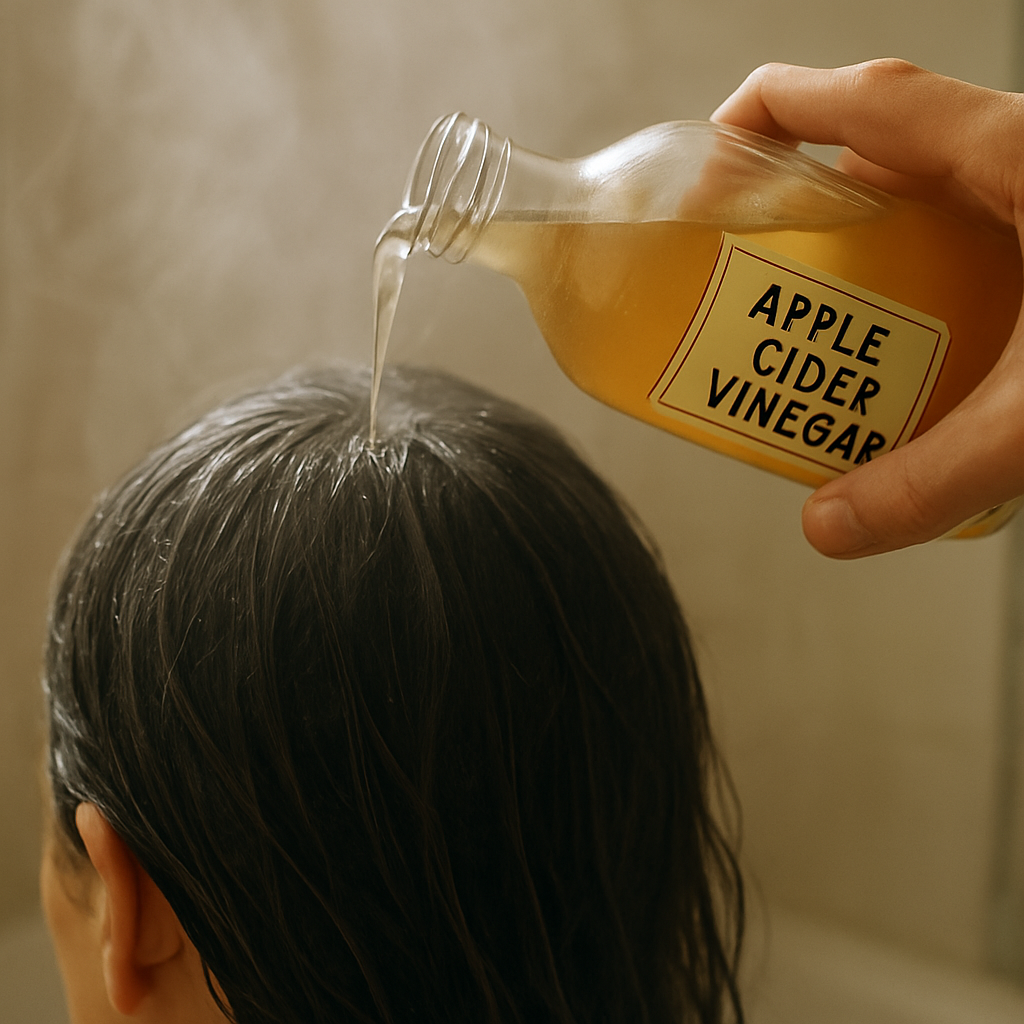
2. Pour the rinse. While your scalp is still damp, slowly pour the diluted vinegar over your scalp, letting it cascade over the roots. You can also pour it into a squeeze bottle and massage it in with your fingertips.
3. Massage gently. Use the pads of your fingers, not your nails, to work the liquid into the flaky areas. Think of it as a quick scalp massage – you’ll feel a gentle fizz, which is normal.
4. Let it sit. Allow the mixture to linger for 2–3 minutes. If you’re nervous about the tingling, start with a minute and work up.
5. Rinse with cool water. Finish with a brief rinse of cool water to close the cuticles and remove any lingering vinegar smell.
6. Follow with your regular moisturiser. A light dab of olive or coconut oil will seal in hydration and keep the scalp comfortable.
How often should you use it?
Most people find that 2–3 times a week is enough to notice a reduction in itch and flakiness. If you have very sensitive skin, start with once a week and watch how your scalp reacts.
And remember – consistency beats intensity. A regular, gentle routine is far more sustainable than a once‑in‑a‑blue‑moon “miracle” soak.
Does it actually work? Anecdotally, many DIY‑enthusiasts swear by the fizz‑and‑fresh feeling, and the pH‑balancing theory has a solid logical basis. While large‑scale studies are still lacking, the low‑cost, low‑risk nature of a diluted rinse makes it worth a try – just don’t abandon any prescription treatments your dermatologist has prescribed.
Tips & troubleshooting
• If the scent lingers, follow the rinse with a quick splash of diluted chamomile tea – it neutralises the smell and adds extra soothing.
• For extra exfoliation, add a teaspoon of baking soda to the mix, but only if your scalp isn’t already irritated (baking soda is alkaline and can upset the pH balance).
• If you notice increased redness, dilute the solution further – 1 part vinegar to 5 parts water is a gentler ratio.
In the grand scheme of your psoriasis scalp treatment home remedies arsenal, the apple cider vinegar rinse is the quick‑fix that targets itch, balances pH and offers a mild exfoliation without harsh chemicals. Pair it with the oat paste, tea‑tree oil blend and daily moisturiser, and you’ve built a well‑rounded, kitchen‑based protocol that feels almost spa‑like.
Step 6: Lifestyle and diet adjustments
Ever feel like your scalp is sending you a distress signal while the rest of your body seems fine? That tug‑of‑war often has a lot to do with what you’re eating and how you live day‑to‑day. The good news? Small tweaks can make a big difference, and they sit nicely alongside the apple cider vinegar rinse, oat paste, and tea‑tree oil steps you’ve already mastered.
Why diet matters for psoriasis
Psoriasis is an autoimmune flare‑up, meaning the immune system is over‑reacting and speeding up skin cell turnover. Researchers at the Mayo Clinic note that lifestyle choices – especially diet – can influence how often those flare‑ups occur.
Think of it like fuel for a fire. Some foods pour gasoline on the blaze, while others act like a fire‑break. By swapping a few items, you’re essentially giving your immune system a gentler environment to work in.
Anti‑inflammatory foods to welcome
Start with omega‑3 rich foods: salmon, mackerel, sardines, or a spoonful of flaxseeds. Those fats have a calming effect on inflammation, and many folks with scalp psoriasis report less itching after a few weeks of consistent intake.
Next, load up on colourful veggies – think leafy greens, broccoli, carrots, and bell peppers. The antioxidants and vitamins they contain help repair skin cells and keep the immune response in check.
Don’t forget the power of berries. A handful of blueberries or strawberries each morning gives you a dose of flavonoids that act like tiny peacekeepers for your skin.
Foods that might fuel the flare
Red meat, processed meats, and anything heavy on saturated fats can aggravate inflammation. If you notice your scalp getting itchier after a steak dinner, that could be more than coincidence.
Likewise, refined sugars and white‑flour carbs cause spikes in insulin, which some studies link to increased psoriasis activity. Cutting back on sugary drinks, pastries, and candy can help stabilise those spikes.
And, yes, alcohol – especially beer – is a common trigger. Even a couple of drinks a week can tip the balance for some people. Try a low‑alcohol alternative or a mocktail on the days you feel a flare coming on.
Hydration: the unsung hero
Staying well‑hydrated keeps your skin barrier supple. Aim for at least eight glasses of water a day, and consider adding a pinch of sea salt or a splash of citrus for electrolytes.
If plain water feels boring, brew herbal teas like chamomile or rooibos – both are gentle, caffeine‑free, and add a soothing ritual to your day.
Lifestyle habits that support your scalp
Stress is a notorious flare‑trigger. The Cleveland Clinic recommends regular stress‑reduction practices – even a five‑minute breath‑work break can lower cortisol and calm the immune response.
Try a simple grounding exercise: sit comfortably, inhale for four counts, hold for four, exhale for six, and repeat three times. Do it while your hair is drying after a warm shower; the steam already opens pores, making the practice feel extra relaxing.
Sleep matters, too. Aim for seven to nine hours of quality rest. Poor sleep spikes inflammation, which can reignite that stubborn itch.
Putting it all together – a weekly checklist
Monday: Fish or flaxseed breakfast, followed by a quick scalp massage with your favourite moisturiser.
Wednesday: Oatmeal paste treatment (you’ve already nailed this) – pair it with a green‑leaf salad topped with walnuts.
Friday: Light‑baked chicken, plenty of roasted veggies, and a calming chamomile tea before bed.
Weekend: Keep water handy, limit alcohol, and slip in a 10‑minute meditation or gentle yoga flow.
Remember, you don’t have to overhaul everything overnight. Pick one food swap or habit this week, notice how your scalp feels, then add another. Small, consistent steps are the secret sauce for lasting relief.
So, what’s the next move? Grab a handful of berries, brew that soothing tea, and give yourself a five‑minute mind‑body pause. Your scalp will thank you, and you’ll be one step closer to a calmer, healthier head of hair.
Conclusion
We've walked through gentle cleansing, moisturising, tea‑tree oil, oatmeal paste, an ACV rinse and even a few lifestyle tweaks. If any of those steps felt like a tiny win, you’re already on the right track.
So, what’s the next move? Pick one habit you can stick to this week – maybe swapping your morning cereal for a handful of flaxseeds, or setting a five‑minute grounding pause while your hair dries. Small, consistent actions are the secret sauce for calming psoriasis on the scalp.
Remember, you don’t need to overhaul everything overnight. Layer the remedies gradually, listen to how your scalp reacts, and adjust the routine as you go. That flexibility keeps frustration low and results steady.
And if a particular ingredient ever irritates you, back off, dilute more, or simply skip it – the beauty of home‑based remedies is that you’re in control.
Ready to give your scalp a break? Grab that oat bowl, a drop of tea‑tree oil, and a glass of water for an ACV rinse, then watch the itch melt away. Your scalp will thank you, and you’ll feel a little more confident each day.
Stick with the plan, celebrate tiny progress, and let your scalp’s health become part of your daily rhythm.
FAQ
What are the safest home remedies for scalp psoriasis?
Most people start with gentle options that won’t strip the skin. A mild oatmeal paste, a diluted tea‑tree oil blend, and a 1:3 apple cider vinegar rinse are all well‑tolerated when you patch‑test first. Keep the products fragrance‑free, use lukewarm water, and apply only a few drops – the goal is soothing, not overwhelming.
How often should I use an oatmeal paste on my scalp?
For a typical flare, twice a week is a good balance. Apply the paste after your shampoo, leave it on for 10–15 minutes, then rinse with lukewarm water. If your scalp feels tight or you notice extra redness, drop back to once a week until the irritation settles.
Can I combine tea tree oil with other oils without irritation?
Yes, but dilution is key. Mix 2–3 drops of tea tree oil with a tablespoon of a carrier such as jojoba, olive, or coconut oil. The carrier not only spreads the oil more evenly but also adds its own moisturising benefits, reducing the chance of a burning sensation.
Is an apple cider vinegar rinse suitable for sensitive skin?
It can be, provided you dilute it to at least one part vinegar to three parts water and do a 24‑hour patch test first. Start with a brief one‑minute contact time; if you feel a mild tingle that fades quickly, you’re likely okay. Always follow with a light moisturiser to keep the barrier intact.
Do dietary changes really affect scalp psoriasis?
They do for many people. Omega‑3 rich foods like salmon or flaxseeds, colourful vegetables, and berries supply anti‑inflammatory nutrients that can calm flare‑ups. Cutting back on red meat, processed sugars, and excess alcohol often reduces itching within a few weeks. Pairing these tweaks with your home‑remedy routine usually yields the best results.
When should I see a dermatologist despite using home remedies?
If you notice persistent bleeding, severe swelling, or the plaques spread rapidly despite consistent DIY care, it’s time to get professional advice. Also, if you need to use a steroid or prescription shampoo for more than a month, a dermatologist can help you avoid potential side effects and tailor a longer‑term plan.
How long does it take to see results from home remedies?
Results vary, but most people notice a reduction in itch and flakiness within one to two weeks of consistent use. The key is to stick with the routine for at least three to four weeks before deciding if a particular remedy is working for you. If you’re patient and avoid over‑scratching, the scalp often becomes calmer and the plaques start to flatten.
Can I use these remedies on coloured or chemically treated hair?
Yes, you can, but choose milder carriers and keep the contact time short. Jojoba or argan oil are gentle on colour and won’t lift dye, while a diluted apple cider vinegar rinse should be limited to a minute or two and always followed by a conditioner. If you notice any fading or increased dryness, rinse the treatment out sooner and stick to once‑a‑week applications.