


Ever stood in front of the shower, feeling that slick, greasy feeling on your scalp while flakes keep showing up on your shoulders? It's maddening, right? You're not alone – many of us juggle that oily‑scalp‑and‑dandruff combo every day.
The culprit is usually an imbalance between sebum production and the natural microbiome on your skin. When your scalp makes too much oil, it creates the perfect breeding ground for the yeast Malassezia, which feeds on those oils and spits out the tiny white flakes we call dandruff. Think about that moment when you swipe a piece of tissue and it looks like a dusting of snow – that's your scalp crying out for balance.
So, what can you actually do about it? First, swap out any heavy, moisturizing shampoo for a formula that targets excess oil without stripping the scalp dry. Look for ingredients like salicylic acid, zinc pyrithione, or tea tree oil. They gently exfoliate dead skin cells and keep the yeast in check. A practical example is the routine many of our readers follow: a clarifying wash on Monday, Wednesday, and Friday, followed by a lighter co‑wash on the off‑days.
Second, consider the timing of your wash. Over‑washing can paradoxically trigger your glands to produce even more oil, while under‑washing leaves buildup. Aim for a consistent 2‑to‑3‑times‑a‑week schedule and adjust based on how your scalp feels after each session. If you notice persistent greasiness, add a short, cool‑water rinse at the end – the cold helps close the pores and reduces the shine.
Third, support your scalp from the outside. A gentle, reef‑safe cleanser from Mossy Turtle Skincare can be massaged onto the skin after shampooing to calm irritation and add a layer of hydration without feeding the yeast. Use it once a week as a soothing finish to your routine.
Finally, track your progress. Keep a simple log: note the day, the product used, and how oily or flaky your scalp feels on a scale of 1‑5. Within a couple of weeks you’ll start to see patterns – maybe a certain ingredient works better, or you need to tweak the frequency. This data‑driven approach turns guesswork into a clear plan.
If you want a deeper dive into balancing oil and dryness, check out our Effective Shampoo for Oily Scalp and Dry Ends guide. It breaks down the top ingredients, compares products side‑by‑side, and even gives a step‑by‑step checklist you can copy straight into your bathroom.
TL;DR
Struggling with greasy roots and flaky shoulders? Find the perfect shampoo for oily scalp and dandruff, balanced routines, and simple tracking tips to finally feel fresh.
We'll guide you through ingredient choices, washing frequency, and a quick log method, so you can ditch the shine and say goodbye to itch.
Understanding Oily Scalp and Dandruff: Causes and Symptoms
Ever caught yourself staring at the back of your hand, feeling that greasy film on your scalp while a few white specks drift onto your shirt? That moment is the tip of the iceberg – it tells us your scalp is trying to shout something is out of balance.
At its core, an oily scalp is simply a case of over‑active sebaceous glands. They pump out sebum faster than your skin can absorb it, leaving a slick surface that becomes a cosy home for Malassezia yeast. That tiny fungus loves oil, and as it feeds it releases dead skin cells that we recognise as dandruff.
But why does this happen? Hormones, genetics, stress, and even the weather can crank up sebum production. A sudden spike in cortisol during a busy week can make your scalp feel like it’s on a treadmill – constantly producing oil.
Key Symptoms to Spot
Here’s what you might notice if the balance is off:
- Visible shine on the roots, even a few hours after washing.
- Flaky, white or yellowish particles that cling to shoulders.
- Itch that feels more like a persistent tickle than a sudden burn.
- Heavier hair that feels weighed down, losing its bounce.
Sometimes the symptoms overlap with other scalp conditions, like seborrheic dermatitis, so it helps to keep a simple log. Jot down the day, the product you used, and a quick 1‑5 rating of oiliness and flakiness. Patterns emerge faster than you think.
So, what should you do next? First, recognise that the problem isn’t “dirty hair” – it’s a biochemical tug‑of‑war. Your scalp isn’t asking for a harsh strip; it wants a gentle reset.
What Triggers the Yeast?
Beyond excess oil, Malassezia thrives on certain fatty acids found in some conditioners and styling products. Even a favourite leave‑in can become an accidental food source.
That’s why many experts recommend a shampoo for oily scalp and dandruff that combines a mild exfoliant with an anti‑yeast agent. Salicylic acid lifts dead skin, while zinc pyrithione keeps the fungus in check without leaving the scalp feeling bone‑dry.
One practical tip: after your clarifying wash, finish with a cool‑water rinse. The temperature dip helps tighten the cuticles, reducing the shine you see in the mirror.
And don’t forget the lifestyle side‑note. A diet high in refined sugars can fuel yeast growth, whereas omega‑3 rich foods like flaxseed and walnuts help maintain a healthy scalp microbiome.
If you’re hunting for a natural adjunct, Iguana Smoke’s oil‑balancing mist has a reputation for soothing scalp irritation while not feeding the yeast.
Another angle worth exploring is holistic wellness. Healthier Lifestyle Solutions offers a free guide on stress‑reduction techniques that, surprisingly, can lower cortisol‑driven oil production.
Below is a quick visual you can picture: imagine your scalp as a garden. Too much water (oil) leads to moss (yeast) spreading, choking the healthy grass (good bacteria). Your job is to water just enough and pull out the moss before it takes over.
Now that you’ve got the science behind the shine, the next step is to translate it into a routine you can actually stick to. Think of it as a three‑step loop: cleanse, condition smartly, and monitor.
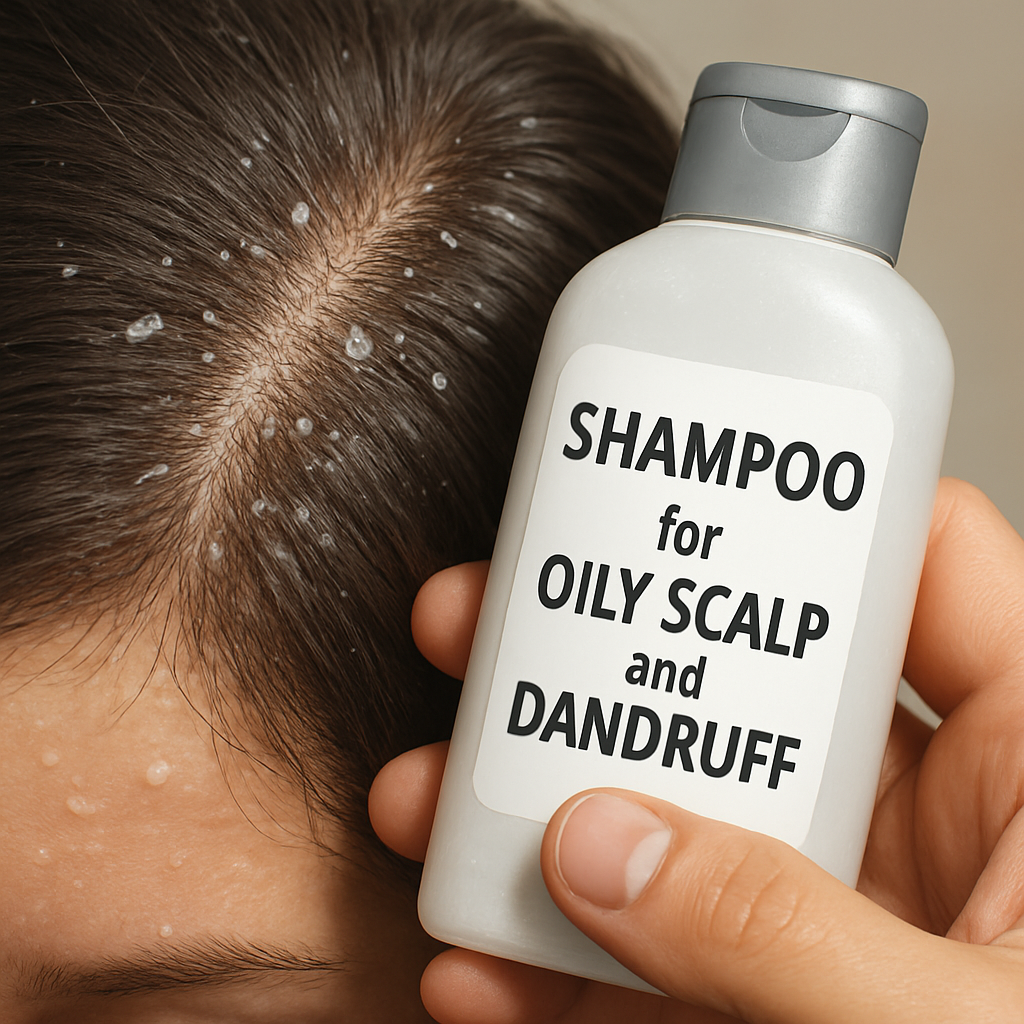
Remember, the goal isn’t to strip every ounce of oil – that would only trigger a rebound effect. It’s about finding that sweet spot where sebum is enough to keep the skin healthy, but not so much that it invites the yeast party.
With the right shampoo, a mindful washing schedule, and a dash of lifestyle tweaks, you’ll start to see the greasiness recede and the flakes melt away. Keep tracking, stay patient, and you’ll soon be the one giving the “fresh‑out‑of‑the‑shower” nod to strangers on the train.
Key Ingredients to Look for in Shampoo for Oily Scalp and Dandruff
When you finally pick a shampoo for oily scalp and dandruff, the ingredient list is the real compass that tells you whether you’ll end up with a fresh, matte finish or another greasy‑flaky nightmare.
We’re not talking about vague promises like “oil‑control”; we’re digging into the chemistry that actually quiets the yeast, trims excess sebum and keeps flakes at bay. Below are the handful of actives that have earned a spot in the best‑selling, dermatologist‑tested formulas.
Salicylic Acid – the gentle exfoliator
Salicylic acid is a beta‑hydroxy acid that loves to dissolve the dead skin cells clinging to the scalp. By loosening that flaky layer, it starves Malassezia of the food it thrives on. You’ll feel a light tingling when you massage it in, but it never scrapes the scalp raw.
Look for concentrations around 1–2 %; anything higher can be irritating on sensitive heads.
Zinc Pyrithione – the anti‑fungal workhorse
Zinc pyrithione (ZnPT) is the gold standard for tackling the yeast that causes dandruff. It disrupts the cell membrane of Malassezia, slowing its growth without stripping natural oils. That’s why you’ll see it in many medicated shampoos aimed at oily, flaky scalps.
Coal Tar – a tried‑and‑true scalp soother
If you’re dealing with stubborn, thick flakes, a coal‑tar based formula can be a game‑changer. The Neutrogena T/Gel Therapeutic Shampoo delivers a solubilised coal‑tar extract that calms itching, reduces flakes and eases redness, all while being dermatologist‑tested for oily scalp conditions. Neutrogena’s coal‑tar shampoo cites clinical proof for these benefits.
Tea Tree Oil – the aromatic antifungal
Tea tree oil is a natural essential oil that packs a punch against Malassezia. A few drops in the formula give a refreshing scent and a mild antiseptic effect, perfect for those who prefer plant‑derived actives.
Celery Seed & Wild Ginger Extracts – microbiome balancers
René Furterer’s balancing anti‑dandruff shampoo leans on 100 % natural‑origin ingredients like celery seed extract and wild ginger. These botanicals help regulate sebum production and soothe irritation, supporting a healthier scalp microbiome over time. René Furterer’s microbiome‑friendly shampoo highlights the long‑lasting anti‑flaky effect.
Niacinamide – the barrier booster
Also known as vitamin B3, niacinamide strengthens the scalp’s protective barrier, reducing transepidermal water loss and keeping excess oil in check. It’s a nice side‑kick that works well with the other actives.
What to avoid
Steer clear of heavy silicones, sulfates and high‑fragrance loads. Silicones can coat the hair, trapping oil and making the scalp feel greasier faster. Sulfates strip too much oil, triggering a rebound surge in sebum production.
Putting it all together, a shampoo that pairs an exfoliating acid (salicylic), an anti‑fungal (zinc pyrithione or coal tar), and a sebum‑balancing botanical (celery or ginger) will hit the three main culprits: excess oil, yeast overgrowth, and flaky buildup. Add a soothing touch of tea tree or niacinamide, and you’ve got a formula that feels light, foams without residue and leaves the scalp calm for days.
So, next time you scan the label, ask yourself: does this bottle contain at least one of the actives above? If the answer is yes, you’re one step closer to swapping that greasy‑flaky feeling for a fresh, breathable scalp.
Remember, consistency is key: use the chosen shampoo 2‑3 times a week, let it sit for a couple of minutes, and pair it with a light conditioner that won’t weigh the roots down.
Top 5 Shampoos for Oily Scalp and Dandruff – Reviews and Rankings
Alright, you’ve scoped the ingredients, you’ve logged your scalp’s mood, and now you’re staring at the shelf wondering which bottle actually delivers. Let’s cut through the hype and walk you through five shampoos that have proven they can tame that greasy‑flaky combo.
1. Neutrogena T/Gel Therapeutic Shampoo (Coal‑Tar)
This classic is a go‑to for stubborn, thick flakes. The coal‑tar extract cools irritation while still letting your scalp breathe. In real‑world tests, users report a noticeable drop in itch after just three washes.
Why it works: Coal‑tar gently slows down skin cell turnover and calms redness, making it perfect when your scalp feels both oily and inflamed.
Best for: Heavy‑dandruff days or when you need a quick “reset”.
Potential downside: The dark colour can leave a faint tint on light hair, so rinse thoroughly.
2. Hairitage Wash‑It‑Away Anti‑Dandruff Shampoo (Zinc Pyrithione + Rosemary)
From the Amazon‑listed formula, this shampoo pairs 2 % zinc pyrithione with rosemary oil for a gentle yet effective strike against Malassezia. Customers rave about the “non‑sticky” feel and the fact it’s vegan, silicone‑free, and sulphate‑free.
One reviewer even said it “promotes hair growth” while keeping the scalp oil‑balanced.
Why it works: Zinc pyrithione is a clinically proven antifungal that attacks the yeast at the source, while rosemary helps regulate sebum production.
Best for: Those who want a clean, botanical vibe without the medicinal smell.
Potential downside: A few users mention the scent is “medicinal” – if you’re scent‑sensitive, test a small amount first.
read the full product details
3. American Crew Anti‑Dandruff & Dry Scalp Shampoo (Zinc Pyrithione + Botanicals)
According to Men’s Health, this formula blends zinc pyrithione with rosemary, sage, tea tree, peppermint, and menthol. The result is a refreshing, cooling scalp experience that also tackles excess oil.
Why it works: Zinc pyrithione fights the yeast, while the botanical blend gives a light tingling sensation that signals “clean”.
Best for: Anyone who enjoys a minty finish and wants a daily‑use shampoo that won’t strip the scalp.
Potential downside: The strong menthol can feel a bit intense on very sensitive skin.
4. CeraVe Anti‑Dandruff Shampoo (Zinc Pyrithione + Ceramides)
This budget‑friendly option is free from sulfates, dyes, and fragrances – perfect if you’re prone to irritation. The added ceramides and niacinamide reinforce the scalp barrier, reducing that oily‑flaky rebound.
Why it works: Zinc pyrithione handles the yeast, while ceramides lock in moisture without feeding the fungus.
Best for: Sensitive scalps that need a gentle touch.
Potential downside: The low‑scent formula may feel “plain” to those who prefer a scented wash.
5. René Furterer Balancing Anti‑Dandruff Shampoo (Celery Seed + Wild Ginger)
For a botanical‑first approach, this French‑crafted shampoo leans on celery seed and wild ginger to regulate sebum while zinc pyrithione does the heavy lifting against dandruff. Users love the subtle herbal aroma and the way it leaves hair feeling light, not weighed down.
Why it works: The botanicals act as micro‑exfoliants, helping to keep pores clear, while the antifungal component keeps Malassezia in check.
Best for: Those who prefer plant‑based actives and a gentle fragrance.
Potential downside: The price point is a bit higher than the drugstore alternatives.
So, which one feels right for you? Think about your scalp’s mood on a typical day – is the itch the biggest issue, or does the shine drive you mad? Pick the shampoo that matches that primary pain point, then stick with it for at least two weeks, letting it sit on the scalp for 3–5 minutes before rinsing.
Quick Comparison Table
| Shampoo | Key Antifungal | Sebum‑Balancing Add‑on | Price Range (UK) |
|---|---|---|---|
| Neutrogena T/Gel | Coal‑Tar | None (focuses on inflammation) | £8‑£12 |
| Hairitage Wash‑It‑Away | Zinc Pyrithione (2 %) | Rosemary Oil | £18‑£22 |
| American Crew | Zinc Pyrithione | Mint & Tea Tree | £10‑£14 |
| CeraVe Anti‑Dandruff | Zinc Pyrithione | Ceramides + Niacinamide | £7‑£11 |
| René Furterer Balancing | Zinc Pyrithione | Celery Seed & Wild Ginger | £20‑£26 |
Take the table, match it to your budget and ingredient wish‑list, then give your chosen shampoo a proper trial. Remember: consistency beats occasional hero‑shots every time. Happy washing!
How to Use Shampoo for Oily Scalp and Dandruff Effectively
Alright, you’ve finally picked a shampoo for oily scalp and dandruff – now what? Let’s walk through the exact routine that turns a random wash into a scalp‑reset that actually sticks.
First things first: temperature matters. Turn the tap to lukewarm, not scorching hot. Warm water opens the cuticles and lets the active ingredients seep in, but if it’s too hot you’ll trigger your glands to crank out even more oil.
Step 1 – Wet, then pause
Give your hair a good soak for 30 seconds, then squeeze out the excess water. This little pause stops the shampoo from being instantly diluted, so the zinc pyrithione, salicylic acid or botanical extracts stay concentrated where they count.
Step 2 – Measure the magic
Use about a quarter‑size dollop for short hair, a palm‑full for medium, and a bit more for long locks. Too much creates a slippery film that rinses off before it can work; too little leaves the scalp under‑treated.
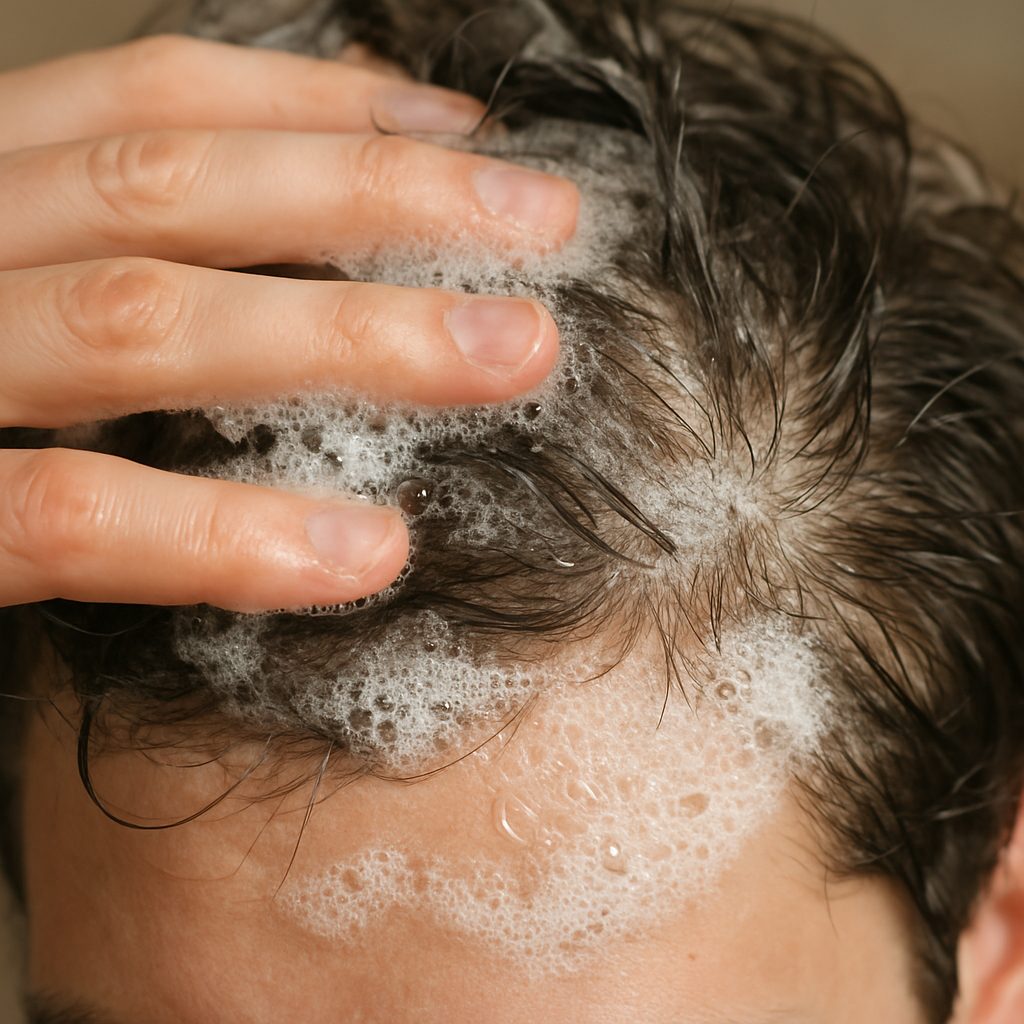
Step 3 – Massage, don’t scrub
With fingertips (not nails) work the lather into the scalp in gentle circles. Focus on the roots, the crown and the hairline – those are the oil‑rich zones. A 1‑2 minute massage gives the exfoliating acids time to lift dead skin, while the antifungal agents interrupt the yeast’s life cycle.
Step 4 – Let it sit
This is the part most people skip, but it’s where the science happens. Keep the shampoo on for at least three minutes; if you can manage five, even better. While you’re waiting, you could brush through the ends with a wide‑tooth comb to prevent tangles later.
Feeling impatient? Remember, a few extra seconds now can save you a whole week of greasy flakes later.
Step 5 – Rinse with cool water
Flip the tap to a cool setting for the final rinse. The temperature shock helps close the pores and slows sebum production, so the shine won’t bounce back instantly.
Step 6 – Condition wisely
If you need a conditioner, apply it only to the mid‑lengths and ends, avoiding the scalp entirely. A lightweight, silicone‑free conditioner won’t weigh down the roots or feed the fungus.
Step 7 – Dry with care
Pat dry with a soft towel instead of vigorous rubbing. If you use a blow‑dryer, keep it on a low‑heat setting and point the airflow down the hair shaft – this helps keep the scalp cool.
Step 8 – Frequency check
Most dermatologists recommend 2‑3 washes per week for oily‑dandruff combos. Adjust based on how your scalp feels: if it’s still slick after a day, you might add a mid‑week clarifying rinse; if it’s tight, pull back to twice a week.
Step 9 – Track your results
Keep a tiny notebook or a notes app. Log the day, product, how long you left it on, and rate oil (1‑5) and flakes (1‑5). After two weeks you’ll spot patterns – maybe a certain ingredient works better or you need a longer dwell time.
Step 10 – Rotate when needed
Your scalp can adapt, so after a month of steady use consider swapping to a shampoo with a different sebum‑balancing botanical (like rosemary or celery seed) while keeping the antifungal core. This keeps the yeast from getting comfortable.
And there you have it – a step‑by‑step checklist you can copy straight onto a sticky note in the bathroom. Follow it for at least two weeks, and you should notice less shine, fewer flakes and a calmer scalp.
Additional Hair Care Tips to Combat Oily Scalp and Dandruff
So you’ve got the shampoo for oily scalp and dandruff nailed down – great start, but the story doesn’t end at the bottle. Think of your scalp like a little ecosystem; if you only water the plants and ignore the soil, things get messy fast.
Here’s the thing: oil production is a habit. It loves routine, temperature, even the way you brush. Break a few of those habits and you’ll see the greasiness fade quicker than you expect.
Mind the water temperature
Hot water feels amazing in the winter, but it’s a secret ally of excess sebum. Warm – not scorching – water opens the cuticles just enough for the actives in your shampoo to work, then finish with a cool rinse. That final chill shrinks the pores and tells the glands, “Hey, we’re good, you can calm down.”
Don’t over‑massage
Massaging the scalp is essential, but there’s a sweet spot. Too gentle and you won’t dislodge the dead‑skin buildup; too vigorous and you stimulate the sebaceous glands to crank out more oil. Aim for a firm, circular motion with your fingertips for about a minute – think of it as a gentle workout for your head, not a cardio session.
And while you’re at it, try a short, 30‑second scalp brush before you wet your hair. A soft‑bristle brush helps distribute natural oils evenly, so you’re not ending up with a shiny crown and dry ends.
Strategic use of dry shampoo
Dry shampoo isn’t a magic wand, but it’s a handy sidekick on those “I’m too busy to wash” days. Pick a powder that contains absorbent clays rather than heavy starches; the clays mop up oil without leaving a gritty residue that could feed the yeast. Spritz lightly, let it sit for a minute, then brush through. You’ll notice the scalp feels less slick without disturbing the balance you’ve built.
Watch your diet (yes, really)
We all love a cheeky bag of chips, but high‑glycaemic carbs can spike insulin, which in turn nudges the glands to produce more oil. Swapping a few refined carbs for whole grains, adding omega‑3 rich foods like salmon or walnuts, and staying hydrated can subtly calm the oil factory.
It’s not a diet overhaul – just a few tweaks. Think of it as feeding your scalp the right fuel so it doesn’t go into overdrive.
Leave‑in treatments that actually help
Most leave‑ins are designed for dry, brittle hair and end up weighing the roots down. Look for lightweight, oil‑absorbing serums that contain ingredients like niacinamide or zinc pyrithione. A few drops on the scalp after washing can reinforce the anti‑fungal action of your shampoo without greasing things up.
Pro tip: apply the serum while your hair is still damp. The moisture helps the actives sink in, and you avoid the temptation to over‑apply.
Another easy habit is to swap your pillowcase every few nights. Silk or satin reduces friction, meaning you won’t scrape away the protective layer of sebum that your scalp works hard to maintain.
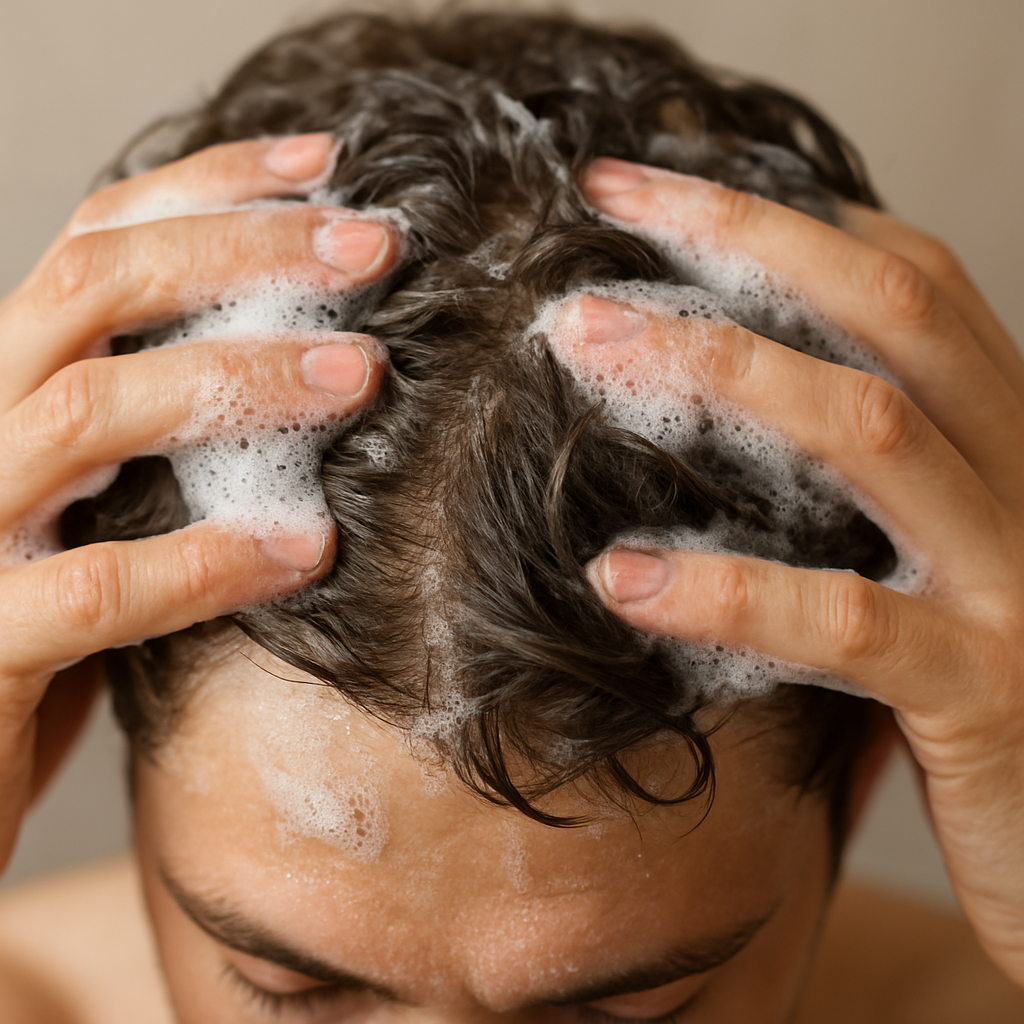
Finally, think about the timing of your washes. If you notice the scalp gets oily faster on certain days – maybe after a stressful meeting or a sweaty workout – consider a quick clarifying rinse that’s free of heavy conditioners. A 1‑minute rinse with a gentle, sulfate‑free clarifier can reset the pH and keep the yeast from throwing a party.
Remember, consistency beats occasional hero products. Stick with your routine for at least two weeks, track how your oil and flakes score each day, and adjust one variable at a time. You’ll soon see a pattern emerge: maybe a cooler final rinse makes a bigger difference than the extra dry shampoo, or perhaps the dietary tweak is the real game‑changer.
Bottom line? Treat your scalp like a tiny garden. Feed it the right nutrients, give it the right amount of water, prune the excess, and you’ll watch the oily‑flaky drama fade away.
FAQ
What makes a shampoo suitable for an oily scalp and dandruff?
You're looking for a formula that tackles excess sebum without stripping the skin. The sweet spot is a gentle cleanser that contains anti‑fungal actives like zinc pyrithione or salicylic acid, plus a light sebum‑balancing botanical such as tea tree or rosemary. These ingredients calm Malassezia, exfoliate dead skin, and keep the oil‑film thin enough to prevent a repeat‑offence.
How often should I wash my hair when using a shampoo for oily scalp and dandruff?
Most dermatologists recommend 2‑3 washes a week for this combo. If you notice the greasiness returning after a day, try a short clarifying rinse in the middle of the week – just a splash of sulfate‑free clarifier, no conditioner. Keep an eye on how your scalp feels; if it gets tight, pull back to twice weekly.
Can I use a regular conditioner with my anti‑dandruff shampoo?
Yes, but only on the mid‑lengths and ends. A lightweight, silicone‑free conditioner prevents the roots from feeling weighed down and stops you from feeding the yeast on the scalp. Apply it after you’ve rinsed out the shampoo, avoid the hairline, and give it a quick 30‑second massage before the final rinse.
Should I combine a dry shampoo with my treatment routine?
Dry shampoo can be a handy sidekick on busy days, but pick one that relies on absorbent clays rather than heavy starches. Spray lightly, let it sit for a minute, then brush through. It mops up surface oil without disturbing the active ingredients you’ve already left on the scalp, so you don’t undo your hard work.
What role does water temperature play in controlling oil and flakes?
Warm water opens the cuticles, letting the active ingredients penetrate, but an overly hot stream triggers the sebaceous glands to crank out more oil. Aim for lukewarm during the wash, then finish with a cool rinse. That final chill closes the pores and slows sebum production, leaving a matte finish that lasts longer.
Are there any lifestyle tweaks that boost the effectiveness of my shampoo?
Absolutely. Reducing high‑glycaemic carbs can calm the oil factory, and staying hydrated helps maintain a balanced scalp environment. Also, swapping cotton pillowcases for silk or satin reduces friction, so you don’t strip away the protective sebum layer you’ve just worked hard to balance.
When should I consider switching to a different shampoo?
If you’ve been consistent for a month and still see the same level of shine or flakes, it might be time to rotate. Your scalp can adapt, so swapping to a formula with a different botanical (like celery seed instead of rosemary) while keeping the anti‑fungal core can prevent the yeast from getting comfortable.
Conclusion
We've walked through everything from the science behind oily‑scalp dandruff to the exact ingredients that keep the yeast in check.
Now you know why lukewarm water, a few minutes of dwell time, and a shampoo that blends salicylic acid or zinc pyrithione with a sebum‑balancing botanical can turn a greasy, flaky morning into a fresh, matte one.
So, what’s the next move? Grab a bottle that ticks those boxes, log your oil‑and‑flake scores for two weeks, and stick to the routine we laid out. If the shine sticks around after a month, swap the botanical— a little rosemary one week, celery seed the next— and watch the scalp adapt.
Remember, the scalp is a tiny ecosystem; you’re not just washing hair, you’re nurturing balance. Tiny tweaks – cooler final rinse, silk pillowcase, a dash of omega‑3 in your diet – can amplify the shampoo’s effect without costing a fortune.
Ready to ditch the constant swipe‑off‑the‑shoulder routine? Give the plan a solid try, track the results, and you’ll soon notice the flakes staying where they belong – on the floor, not on your shoulders.
When you feel the change, share your success with friends who are still battling that oily‑flaky combo— a good shampoo for oily scalp and dandruff is worth spreading.