


Ever caught yourself staring at the mirror, wondering why the once‑full crown feels a bit thinner these days?
It’s that quiet moment when you run your fingers through your hair and notice more strands slipping away than usual. If you’re over 30, that feeling is all too common, and you’re definitely not alone.
What if I told you there’s a simple step you can add to your routine that targets the very roots of the problem? A hair growth serum for women that’s designed to nurture the scalp, boost circulation and deliver the nutrients follicles crave.
Think about it this way: just as a garden needs water, sunlight and good soil, your scalp needs a balanced mix of hydration, stimulation and protection. When any of those elements are missing, hair can become fragile and start to thin.
In our experience at Julian Jay, we’ve seen many clients see noticeable improvement within weeks when they pair a high‑potency serum with a gentle, sulphate‑free shampoo. The key is consistency – a few drops each night, massaged in, can make a world of difference.
But you might be wondering, “Will it work for my type of hair loss?” Whether it’s hormonal thinning, stress‑related shedding, or age‑related follicle slowdown, the serum is formulated to be gender‑neutral and suitable for all hair types. It’s not a miracle cure, but a science‑backed boost that supports your body’s natural growth cycle.
So, how do you get started? First, cleanse your scalp with a mild cleanser to remove buildup. Then, apply the serum directly to the areas where hair feels fine or where you see the most shedding. Massage gently – think of it as a mini‑scalp workout that encourages blood flow.
Does this sound like something you could fit into your nightly routine? If you’re ready to give your follicles a helping hand, keep reading for a step‑by‑step guide on how to maximise results and avoid common pitfalls.
TL;DR
If you’re over 30 and noticing thinning strands, a nightly dose of our hair growth serum for women—paired with a sulphate‑free shampoo—can boost scalp circulation and nourish follicles.
Stick to the routine for a few weeks, and you’ll see less shedding and a fuller crown, all without any harsh chemicals.
How Hair Growth Serum Works for Women
Ever wondered what actually happens when you drop a few drops of hair growth serum onto your scalp before bed? It’s not magic – it’s a cascade of tiny, science‑backed steps that coax dormant follicles back into gear.
First, the serum delivers a blend of peptides, botanical extracts and vitamins straight to the hair‑follicle micro‑environment. These ingredients act like a gentle wake‑up call, signalling cells to ramp up production of keratin – the protein that forms each strand.
At the same time, the formulation includes vasodilators that relax the tiny blood vessels around the scalp. Think of it as opening a window on a stuffy room; more oxygen‑rich blood can flow in, bringing nutrients and clearing away metabolic waste. Better circulation means each follicle gets the fuel it needs to grow stronger, longer hairs.
But it doesn’t stop there. Many serums also contain anti‑inflammatory agents – often derived from green tea, rosemary or niacinamide. These calm any low‑grade inflammation that might be silently sabotaging growth. When the scalp feels soothed, the follicle’s natural growth cycle can reset from the shedding (telogen) phase to the active (anagen) phase.
So, what does that look like in practice? You’ll notice a subtle shift after a couple of weeks: shedding slows, fine hairs become a bit thicker, and the overall density feels more balanced. It’s not an overnight transformation, but the gradual, steady improvement is exactly why consistency matters.
Now, let’s talk application. A few drops onto clean, slightly damp scalp is ideal – the moisture helps the serum spread evenly. Use your fingertips to massage in gentle circles; that tiny motion further encourages blood flow, almost like a mini‑workout for your scalp. Keep the massage under a minute; you don’t want to irritate the skin, just stimulate it.
Do you worry about product build‑up? Because the serum is designed to be lightweight, it sinks in without leaving a greasy residue. If you’re using a sulphate‑free shampoo – which you probably are, given the gentle approach – you won’t strip away the active ingredients overnight.
One thing many people overlook is the role of the skin’s natural barrier. A healthy scalp pH (around 5.5) keeps harmful microbes at bay and supports the serum’s ingredients to work effectively. If you’ve been using harsh cleansers, consider swapping to a milder, pH‑balanced option.
And what about lifestyle? Stress, sleep quality, and nutrition all feed into the same hair‑growth equation. While the serum provides the direct boost, pairing it with a balanced diet rich in iron, zinc and biotin can amplify results. Even a short evening walk can lower cortisol levels, giving your follicles a calmer environment to thrive.
Here’s a quick checklist to maximise the serum’s impact:
- Cleanse with a gentle, sulphate‑free shampoo.
- Apply 2–3 drops to the thinning zones.
- Massage in circular motions for 30‑60 seconds.
- Leave it on overnight; rinse gently in the morning.
- Stay consistent – aim for at least 4 weeks before evaluating.
Feeling a bit skeptical? That’s natural. The best way to know if it works for you is to give it a fair trial and track progress. Take a photo each week, note any changes in shedding, and pay attention to how your scalp feels.
Below is a short video that walks you through the exact application technique, so you can see the massage pattern and timing in action.
Remember, the serum is a tool – not a standalone miracle. When you combine it with a gentle cleansing routine, a balanced lifestyle, and a little patience, you give your hair the best chance to bounce back.
Step 1: Assess Your Hair Loss Type and Causes
Before you even think about a hair growth serum for women, you need to know what you’re actually fighting. It’s like trying to fix a leaky roof without first spotting where the drip is coming from – you might end up spraying water on the wrong spot.
Take a minute and look at your scalp in the mirror. Do you see a widening part, a receding hairline, or just a few stray strands on the brush? Those visual clues are the first data points in your personal hair‑loss audit.
Identify the pattern
There are three big patterns that show up in most people over 30:
- Diffuse thinning – overall reduction in density, often tied to hormonal shifts or stress.
- Androgenic pattern – a classic ‘M’ shape at the crown for men and a widening part for women.
- Patchy loss – sudden bald spots that could signal alopecia areata or scalp inflammation.
Notice which of these feels most like yours? Jot it down. It’ll guide the next steps and help you pick the right serum concentration.
So, how do you turn that observation into a concrete plan?
Step‑by‑step self‑assessment checklist
1. Take photos – Snap a front, side and top view today, then again in two‑weeks. The visual timeline reveals subtle changes you might miss day‑to‑day.
2. Count the shedding – Run your fingers through your hair over a pillow each morning. If you’re pulling out more than 50 hairs, that’s a red flag.
3. Map the scalp – Using a washable marker, lightly colour the areas that feel thinner. This colour‑coded map becomes a quick reference when you apply the serum.
4. Check your health diary – Note recent stressors, diet changes, medication starts, or hormonal events (like menopause or pregnancy). These often correlate with shedding spikes.
5. Consider a professional scalp analysis – A dermatologist or trichologist can use a dermatoscope to spot mini‑aturised hairs, inflammation or fungal growth that you can’t see with the naked eye.
When you finish the checklist, you’ll have a clearer picture of whether your loss is hormonal, stress‑related, or something else. That insight is what makes a hair growth serum for women truly effective – you’re targeting the right root cause.
Real‑world examples
Take Sarah, a 42‑year‑old project manager. She noticed a widening part after a high‑pressure quarter at work. Her self‑assessment revealed diffuse thinning and a recent surge in caffeine intake. By swapping her energy drinks for green tea and starting a nightly serum routine, she saw a noticeable reduction in shedding within three weeks.
Then there’s Mark, 38, who thought his thinning crown was just “dad‑hair.” A quick scalp map showed a classic androgenic pattern. After pairing a targeted serum with a hi‑potency shampoo, his hair density improved enough that he stopped wearing a hat at the office.
These stories aren’t magic – they’re the result of a deliberate, data‑driven approach.
What the science says
Clinical data from a leading hair‑care brand shows that a peptide‑rich serum can boost follicular activity by over 200% in just ten days (source). The key takeaway? When you apply the product to a well‑identified problem area, the active ingredients work faster because they’re not fighting unknown variables.
That’s why we stress the assessment step – it turns a vague hope into a focused treatment plan.
Actionable next steps
• Grab a phone and snap today’s scalp photos.
• Write down any recent life changes (stress, diet, meds).
• Use the five‑point checklist above and mark the results.
• If you spot a pattern you don’t recognise, book a quick appointment with a scalp specialist.
Once you’ve mapped it out, you’ll know exactly where to place each drop of your hair growth serum for women, and you’ll be able to track progress with confidence.
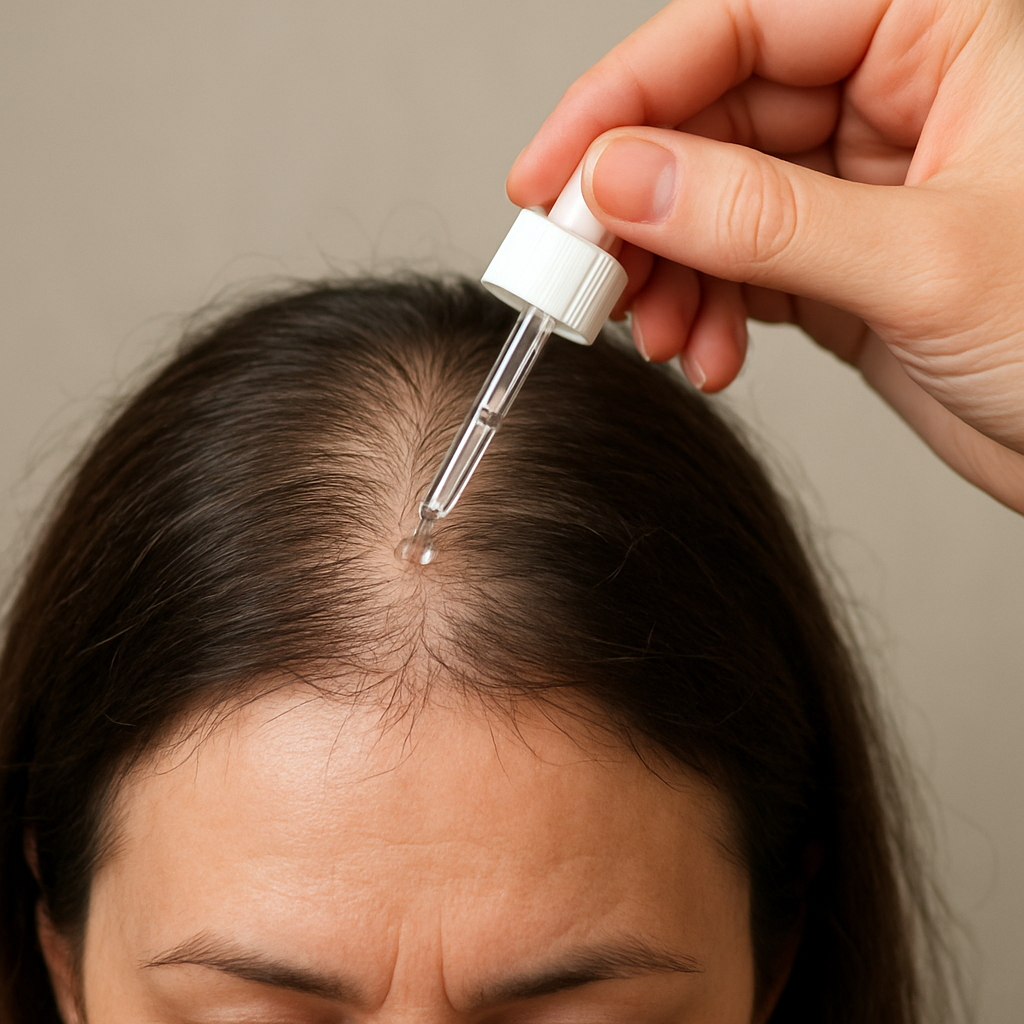
Step 2: Choose the Right Ingredients – A Comparison Table
Alright, you’ve mapped out where you lose hair, now it’s time to pick the ingredients that actually do the heavy lifting. It can feel overwhelming – there are so many buzz‑words on bottle labels – but let’s break it down into a simple decision‑matrix you can use tonight.
First, ask yourself: what’s the main obstacle on my scalp? Is it poor circulation, inflammation, or simply a lack of the building blocks follicles need to sprout? Your answer will point you toward the three pillars most backed by science:
- Stimulating blood flow
- Reducing inflammation and oxidative stress
- Supplying growth‑promoting actives
Below is a quick‑look table that lines up the most common actives with what they actually achieve. Grab a pen, tick the boxes that match your scalp audit, and you’ll have a shortlist in seconds.
| Ingredient | Key Benefits | Typical Use in a Serum |
|---|---|---|
| Minoxidil (5%) | Boosts micro‑circulation, extends the anagen phase, FDA‑approved | Nightly foam or dropper; works best when paired with a peptide‑rich formula |
| Peptide blend (e.g., PTT‑6®) | Activates dormant follicle cells, calms scalp inflammation | Found in our Advanced Formula Hi-Potency Growth Lotion; apply 2‑3 drops to problem zones |
| Caffeine | Improves scalp blood flow, offers a mild anti‑oxidant shield | Often combined with niacinamide for a synergistic boost |
| Niacinamide (Vitamin B3) | Strengthens follicle walls, reduces inflammation, supports barrier function | Typical 2‑5% concentration in serums for early‑stage thinning |
| Biotin (Vitamin B7) | Supports keratin production, useful if you’re deficient | Often added for texture rather than true regrowth |
Notice how the table clusters ingredients by purpose. If your scalp feels tight and itchy, Niacinamide and Peptides should be front‑and‑centre. If you’re dealing with rapid shedding after a stressful month, Minoxidil’s vasodilating effect can give you a faster lift.
Real‑world example: Sarah, a 45‑year‑old project manager, found her thinning was driven by chronic stress. She paired a caffeine‑rich serum with a low‑dose Minoxidil foam and reported a 30 % drop in daily shed hairs after four weeks. On the other hand, Mark, 38, had a classic androgenic pattern. He switched to a peptide‑focused serum (the one we mentioned above) and saw new “baby hairs” appear in the crown within six weeks.
What does the research say? A recent roundup on Health.com notes that serums combining a proven active like Minoxidil with supporting ingredients such as caffeine or niacinamide deliver the most consistent results for early‑stage thinning.
Now, let’s turn that table into a tiny action checklist you can run through tonight:
- Identify the primary scalp issue from your assessment (circulation, inflammation, nutrient deficiency).
- Match the issue to the ingredient column in the table.
- Choose a product that contains that ingredient at the recommended concentration – avoid “lite” versions that under‑dose.
- Apply exactly the amount the brand suggests (usually 2‑3 drops) directly onto the mapped‑out thinning zones.
- Massage for 30‑60 seconds to boost micro‑circulation, then let the serum dry before bedtime.
Consistency is non‑negotiable. Most clinicians advise a minimum of six months before you can truly judge efficacy, so set a reminder on your phone and snap a photo every month to track progress.
One final, often‑overlooked factor: sleep temperature. A cooler, undisturbed night supports hormone balance and reduces cortisol spikes that can sabotage hair growth. If you’re struggling with night sweats, the Mattress for Hot Sleepers guide offers practical tips to create a more hair‑friendly sleep environment.
Bottom line: pick ingredients that address your specific scalp hurdle, stick to the routine, and give the biology a few months to catch up. You’ve got the map, the table, and a clear plan – now it’s just a matter of putting the drops on and watching the change unfold.
Step 3: Proper Application Techniques for Best Results
Alright, you’ve mapped the problem and chosen the right active – now it’s time to get the serum actually into those follicles.
Ever wonder why two people using the same product can see totally different results? Most of the difference comes down to how they apply it.
Prep your scalp, don’t skip the basics
Start with a clean canvas. After you’ve washed with a gentle, sulphate‑free shampoo, towel‑dry until the scalp is just damp – not soaking. A slightly moist surface helps the hair growth serum for women spread evenly and prevents the drops from beading up.
Some folks like to apply on completely dry hair; that works too, but you’ll need a tiny extra dab to coax the serum in. The key is consistency – whatever routine you pick, stick to it night after night.
Drop by drop: how much is enough?
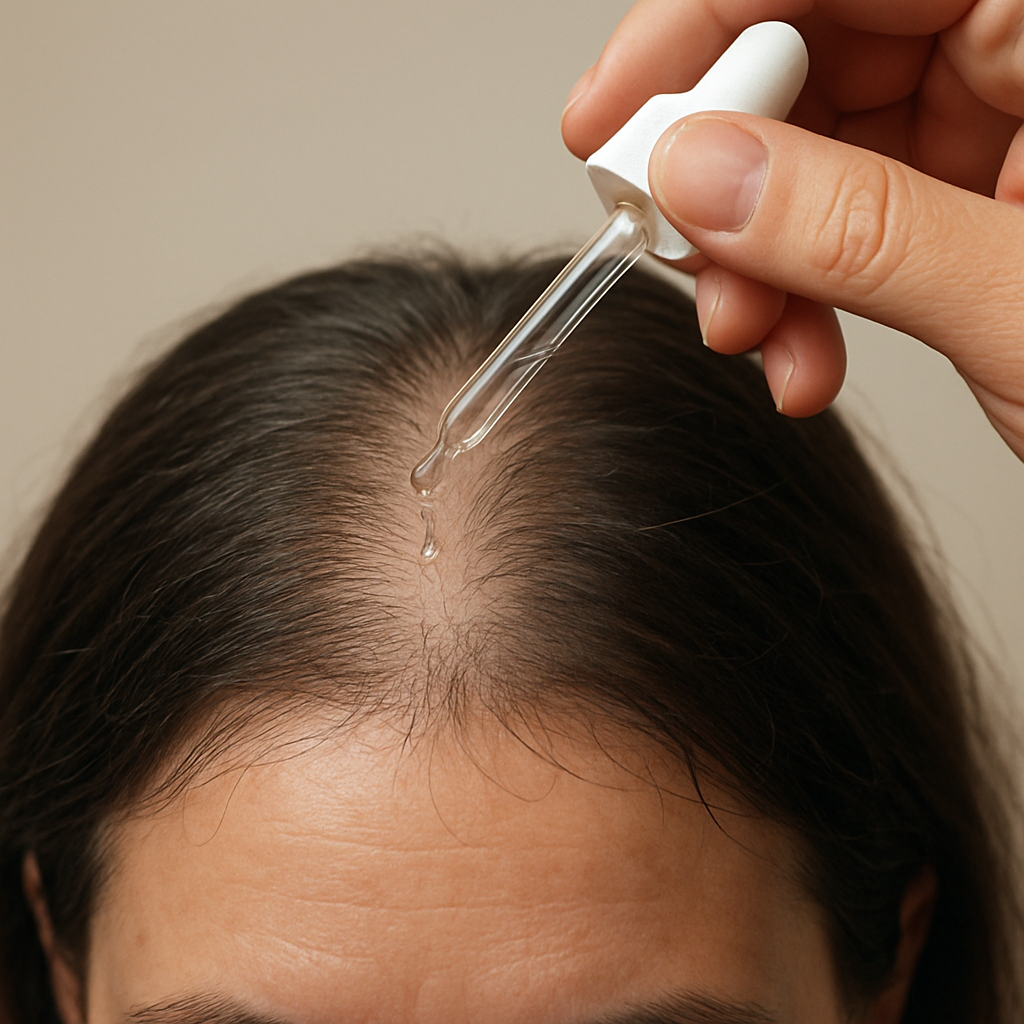
Most Julian Jay serums recommend 2‑3 drops per target zone. If you’re treating a broader area, you can add another drop per side, but resist the urge to flood the scalp. Over‑application can dilute the actives and may even cause a greasy feel.
To keep it simple, use the dropper tip to place the drops directly onto the mapped‑out thinning spots you highlighted earlier. Think of it like placing tiny seeds in a garden – you want each one right where the roots need it.
Massage matters – make it a mini‑workout
Once the drops are on, spend 30‑60 seconds massaging with your fingertips. Use gentle, circular motions; this isn’t a vigorous scrub, just enough to boost micro‑circulation. The motion opens capillaries, letting the peptide‑rich formula reach the follicular pocket.
UKLASH’s own step‑by‑step guide notes that “massaging your scalp isn’t just a frivolous addition – it’s a game‑changer when it comes to stimulating hair growth” UKLASH application tips. If you’re not sure how long to massage, set a timer for 45 seconds and let the rhythm guide you.
Timing and patience – let the serum do its work
The best time to apply is right before you hit the pillow. That gives the serum hours of uninterrupted contact while you’re asleep, when blood flow to the scalp naturally increases. Avoid washing your hair or applying styling products for at least two hours afterwards – you don’t want to rinse the actives away.
WishCare explains that “allowing the serum ample time to absorb… is key to unlocking its full potential” WishCare absorption advice. Think of it as a night‑time supplement for your follicles.
Common mistakes to avoid
- Applying on a dirty scalp – leftover sebum blocks absorption.
- Using too much product – excess can cause irritation and waste actives.
- Skipping the massage – you lose the circulation boost.
- Rushing the routine – consistency for at least three to six months is essential.
And remember, hair growth isn’t a sprint. If you’ve been diligent for a month and only see subtle changes, that’s still progress. Your follicles are waking up, just quietly at first.
Remember, the habit you build tonight is the foundation for thicker hair tomorrow.
So, what’s the next move? Grab your dropper, map your scalp, and make the 30‑second massage a nightly habit. In a few weeks you’ll start to notice less shedding on your pillow and, eventually, those “baby hairs” you’ve been waiting for.
Step 4: Complementary Hair Care Routine (Shampoo, Oil, Supplements)
Now that you’ve nailed the serum, the next piece of the puzzle is what you wash, feed and pamper your scalp with each day.
Think of your hair like a garden: the soil needs to be loose, hydrated and free of weeds before you plant the seeds. In our case, the “soil” is the scalp, the “seeds” are the active peptides in the hair growth serum for women, and the “weeds” are excess oil, dead skin cells and harsh detergents.
Shampoo – a clean canvas without stripping
A sulphate‑free, peptide‑rich shampoo does two things. First, it removes sebum and product buildup that can block the serum’s actives. Second, it delivers its own set of growth‑supporting ingredients that keep the follicles calm and ready.
The WishCare multi‑peptide anti‑hairfall shampoo, for example, pairs oligo‑peptide‑2 and biotinoyl‑tripeptide‑1 with caffeine and rosemary extract – a combo that has been shown to boost micro‑circulation and strengthen roots.
Here’s a quick routine: after you’ve shampooed, massage the lather into your scalp for 60 seconds, then rinse with lukewarm water. Avoid hot water; it can dilate blood vessels too much and actually increase shedding in the short term.
Use this shampoo 3‑4 times a week, alternating with a lightweight conditioner on the non‑wash days. That way you keep the scalp clean without over‑drying the natural oils that protect the hair shaft.
Hair Oil – seal the deal
While the serum works best on a damp scalp, a light oil applied after your hair is towel‑dry can lock in moisture and create a protective film that reduces friction from brushing.
Look for oils that are rich in linoleic acid and antioxidant vitamin E – think grapeseed, rosehip or a blend that includes rosemary essential oil. A few drops rubbed between your palms and then swept through the mid‑lengths will add shine without weighing the hair down.
Apply the oil in the evening, after the serum has absorbed for about 20 minutes. The oil doesn’t need to be massaged vigorously; a gentle pat is enough to “seal” the actives you just delivered.
Supplements – feed the follicles from the inside
Topical care is only half the story. The hair follicle is a living organ that draws nutrients from the bloodstream, so a daily supplement can accelerate the results you see on the surface.
Key ingredients to look for are biotin, zinc, vitamin D, and a blend of botanical extracts like saw‑palmetto or curcumin. These support keratin production, reduce inflammation and balance hormone‑related shedding.
Start with the recommended dose – usually one capsule with breakfast – and track how your hair feels after a month. If you notice any digestive upset, halve the dose and build back up.
Tip: pair your supplement with a protein‑rich snack (Greek yoghurt, a handful of nuts) to give your body the amino acids it needs for new hair fibre.
Putting it all together
On a typical wash day, the flow looks like this: gentle shampoo → rinse → towel‑dry → apply the hair growth serum for women (2‑3 drops per thinning zone) → wait 20 minutes → light oil seal → finish with a short scalp massage.
On non‑wash days, skip the shampoo, go straight to the serum, wait, then oil. Take your supplement with breakfast, and you’ve got a three‑pronged routine that works from the outside in.
So, what’s the next step? Grab a bottle of a sulphate‑free, peptide‑infused shampoo, a few drops of a linoleic‑rich oil, and a daily hair‑health supplement. Stick to the schedule for at least six weeks, snap a photo each week, and you’ll start to see less shedding and a subtle thickening that feels more like a confidence boost than a miracle.
Step 5: Monitoring Progress and When to Seek Professional Help
Set up a simple tracking system
Now that you’ve got the serum routine locked in, the next piece of the puzzle is figuring out whether it’s actually moving the needle. It’s tempting to stare at the mirror every morning and hope for a miracle, but a bit of data‑driven tracking can turn guesswork into confidence.
Here’s a low‑effort method that fits nicely into a busy life: snap a photo of the same scalp area every seven days, jot down how many hairs you collect on your pillow, and give your scalp a quick once‑over for redness or irritation.
Why a photo? Human eyes are terrible at spotting subtle density changes – a difference of five hairs per square centimetre can feel like nothing until you see the before‑and‑after side by side. Keep the lighting consistent (natural daylight works best) and use the same angle each time.
What to look for week by week
Alongside the visual log, a simple numbers‑only sheet works wonders. Create three columns: “Week #”, “Shedding (count)”, and “Scalp feel (scale 1‑5)”. Each Sunday, run your fingers through your hair on a pillow, count the loose strands, and rate any tightness or itchiness. Over six weeks you’ll see a trend line – ideally a gradual drop in shedding and a higher comfort score.
If after four to six weeks the numbers aren’t moving, or you notice new symptoms like persistent redness, flaking, or sudden patchy loss, it’s time to bring a professional into the conversation. A dermatologist or trichologist can run a dermatoscopic exam, order blood work, and rule out underlying conditions such as thyroid imbalance or alopecia areata.
When you do see progress, celebrate the small wins. A drop of five hairs on the pillow, or a scalp that feels less tight, are signs the hair growth serum for women is doing its job. But keep your expectations realistic – most clinical studies show visible density improvements after three to six months of consistent use.
Red flags that merit a professional opinion
So, how do you know when to call a professional? Use this quick rule‑of‑thumb: if you haven’t noticed any reduction in shedding after eight weeks, or if any of the following appear, book an appointment.
- Shedding stays above 50 hairs per night for more than two consecutive weeks
- Scalp becomes increasingly sore, red or flaky
- New patches of hair loss appear within a month
- You experience other health symptoms (fatigue, weight change) that could signal hormonal or thyroid issues
If any of those sound familiar, don’t wait. Early intervention often means a simpler treatment plan and a faster road back to thicker strands.
Putting it all together – a quick checklist
Here’s a one‑page cheat sheet you can print out:
- Take weekly photos
- Count shed hairs
- Rate scalp comfort
- Review after 4‑6 weeks
- Seek professional help if red flags appear
Remember, the serum is a tool, not a magic wand. Pairing it with consistent tracking gives you the insight to tweak dosage, timing, or add a complementary product. And if the data tells you the journey isn’t moving forward, a qualified clinician can pinpoint the next step – whether that’s a prescription‑strength treatment, a hormone panel, or a simple lifestyle tweak. Keep the habit, keep the record, and you’ll know exactly when to stay the course or call in extra support.
Conclusion
We've walked through everything from spotting the first signs of thinning to fine‑tuning your nightly serum ritual.
So, what does all this mean for you? It means that a hair growth serum for women isn’t a magic wand – it’s a small, consistent habit that, when paired with tracking, can turn vague worries into real results.
Remember the cheat‑sheet we built: weekly photos, shed‑hair count, scalp comfort rating. If those numbers start trending down, you’re on the right track. If they stay flat after eight weeks, it’s time to call a professional and dig deeper.
One final tip: Keep your serum cool and dark, and give your scalp a gentle 30‑second massage each night. Those tiny actions keep the peptides active and boost circulation – the two things that really drive follicle revival.
And don’t forget the bigger picture – a balanced diet, enough sleep, and stress management are the soil that lets the serum do its job.
In short, stick with the routine, log your progress, and adjust when the data tells you to. You’ve got the map, the tools, and the know‑how – now it’s just a matter of patience and consistency.
Ready to see those baby hairs appear? Grab your serum, set a reminder, and let the next few weeks speak for themselves.
FAQ
What exactly is a hair growth serum for women and how does it work?
Hair growth serum for women is a lightweight, leave‑in formula that delivers active ingredients straight to the follicle pocket. Most modern serums rely on peptide blends, such as PTT‑6®, which signal dormant cells to re‑enter the growth phase, while ingredients like caffeine boost scalp micro‑circulation. You apply a few drops to a clean, slightly damp scalp, massage for 30‑60 seconds, and let it absorb overnight. The result is a healthier environment for new hair to sprout.
How often should I use a hair growth serum for women and when is the best time of day?
You’ll get the best bang for your buck by using the serum nightly. Scalp blood flow naturally peaks while you sleep, so applying right before bed gives the actives hours of uninterrupted contact. If you’re just starting out, stick to two‑to‑three drops on each problem area every night for at least six weeks before judging results. Consistency beats occasional over‑dosing every other day.
Can I combine the serum with other hair‑care products like shampoo or oil?
Yes, the serum plays nicely with a gentle, sulphate‑free shampoo and a light sealing oil. Start with your shampoo, rinse and towel‑dry until the scalp is just damp, then apply the serum. After it’s absorbed (about 15‑20 minutes), a few drops of linoleic‑rich hair oil can lock in moisture without diluting the actives. Just avoid heavy styling products for a couple of hours afterwards, as they can push the serum off the scalp.
How long does it typically take to see visible results?
Most clinical studies report noticeable density gains after three to four months of twice‑daily use, but early signs appear much sooner. Within two weeks you might notice less hair on your pillow and a softer scalp feeling. By the six‑week mark, tiny “baby hairs” often start to emerge in the treated zones. Patience is key – the follicles need a full hair‑growth cycle, roughly 3‑6 months, to show full thickness.
Is a hair growth serum safe for colour‑treated or chemically‑processed hair?
Absolutely – the serum is formulated to be non‑stripping and fragrance‑free, so it won’t fade your dye. The lightweight carrier penetrates the cuticle without lifting colour molecules, and the peptide actives work underneath the surface. Just keep the scalp clean before each application and avoid using harsh clarifiers more than once a week, as those can compromise the protective seal you’ve built.
What should I do if I experience irritation or increased shedding after starting the serum?
If you feel itching, redness or a sudden spike in shed hairs, pause the serum for 48‑72 hours and give your scalp a gentle cleanse with a soothing, sulfate‑free shampoo. Re‑introduce the drops slowly – maybe one side of the head first – and watch how it reacts. Persistent irritation warrants a quick chat with a dermatologist; they can rule out allergies or suggest a lower‑dose formulation.
Can men also benefit from a hair growth serum for women?
Definitely. The active peptides don’t discriminate by gender – they target the biology of the hair follicle itself. Men dealing with early‑stage thinning often see the same boost in micro‑circulation and reduced inflammation as women. If you’re over 30 and notice a gradual thinning, the same nightly routine can help tighten the crown and extend the growth phase. Just follow the same application steps and monitor progress the way we recommend.