


Let’s face it, the first time you notice a strand missing from the back of your head, you’re already in full-on panic mode. You’re scrolling through forums, googling “what to do about thinning hair,” and the list of quick fixes seems endless.
But before you start piling on expensive treatments, it helps to step back and consider the root of the problem: a compromised scalp environment. Think of your scalp like a garden—if the soil is poor, even the best seed will never sprout.
That’s where peptide hair growth serums come into play. They’re not just another bottle of foam; they deliver tiny proteins—peptides—that act like signalling molecules, nudging dormant follicles back into action. The science is simple yet powerful: peptides can stimulate collagen production, improve circulation, and reduce inflammation that often stalls regrowth.
In practice, a well‑formulated peptide serum is applied at night, a gentle 2‑minute massage that doubles as a scalp‑health ritual. You can do it in the same routine you brush your teeth. A few drops, a soft circular motion, and you’re done. That’s a quick win for anyone juggling a busy life.
Curious about the best peptide option for men over 30? The effective hair growth serum for men guide walks you through the top ingredients, how to read labels, and pairing tips with your existing routine.
But serum alone isn’t a silver bullet. A balanced diet rich in omega‑3s, zinc, and biotin supports the serum’s work from inside out. That’s why many of our customers pair our products with a simple daily multivitamin. For those who want a more holistic approach, ORYGN offers metabolic wellness supplements that can help regulate hormones and appetite—factors that often underlie hair loss. The ORYGN metabolic wellness line is a natural complement to any hair‑care routine.
Take a quick audit of your current routine: are you washing too often, using harsh shampoos, or neglecting scalp massage? Small tweaks can amplify peptide action. Try switching to a sulfate‑free shampoo, adding a weekly gentle scalp exfoliator, and committing to a nightly massage for just a week—you’ll likely see the scalp feel fresher and the follicles more receptive.
In short, peptide serums are a modern answer to an ancient problem. They’re science‑backed, easy to use, and work best when combined with a supportive diet and consistent scalp care. Give it a try, and watch the difference unfold.
TL;DR
Peptide hair growth serum helps turn a tired scalp into a thriving garden. Pair it with omega‑3s, a gentle sulfate‑free shampoo, and nightly scalp massage for best results. Consistency beats quick fixes – give your follicles a daily boost and watch the change in a few weeks, feel the confidence.
The Science Behind Peptide Hair Growth Serums
Think about a seed buried in rich soil. The seed can germinate if the environment is just right – moisture, light, nutrients. Your hair follicles are very similar. If the scalp is inflamed, starved of blood flow, or stripped of essential proteins, even the most stubborn strand can’t sprout.
Peptide serums tap into that logic. Peptides are short amino‑acid chains that act like tiny post‑its, telling cells to build, repair, and grow. When you massage a serum onto your scalp, those peptides dive into the follicular base and trigger a cascade of signals.
Collagen Support
Collagen gives the scalp structural integrity. Without it, the dermal papilla – the cushion of blood vessels feeding a follicle – loses support. Peptide serums often slow collagen breakdown with matrix‑metalloproteinase inhibitors, giving a firmer base for follicles.
Micro‑Circulation Boost
Blood flow is the lifeline for hair growth. Some peptides, like palmitoyl pentapeptide‑3, have been shown in small trials to dilate capillaries and increase oxygen delivery. Imagine a traffic jam cleared so the cars (nutrients) can reach every house (follicle) without delay.
Anti‑Inflammatory Action
Chronic inflammation – from stress, pollution or over‑washing – can stall the growth cycle. Peptides such as tripeptide‑2 reduce cytokine production, giving the scalp a calmer environment. In other words, they quiet the “red‑flag” alarm that tells follicles to go into conservation mode.
Their size matters – big enough to carry signals yet small enough to slip into follicular walls, giving them a speed‑boost over larger proteins.
Balanced Pillars
When you choose a peptide serum, look for a blend that balances these three pillars: collagen support, circulation boosters, and anti‑inflammatory peptides. A well‑formulated product can turn a dormant scalp into a launchpad for new growth.
Application Matters
A gentle, circular massage delivers peptides deeper and boosts circulation – a simple scalp workout.
Many customers pair peptide serums with a simple nighttime ritual: a 2‑minute scalp massage, followed by a light, sulfate‑free shampoo. The routine builds a supportive micro‑environment that keeps peptides active and follicles responsive.
Peptides work, but they’re not a silver bullet. Pair them with a diet rich in omega‑3s, zinc and biotin to give your scalp everything it needs.
Want more science‑backed guidance? Check out resources from XLR8 Well, where wellness experts discuss how to optimise your body for hair health.
Below is a quick visual guide that walks you through the science and routine.
After watching the video, let’s look at a real‑world snapshot of a healthy scalp.
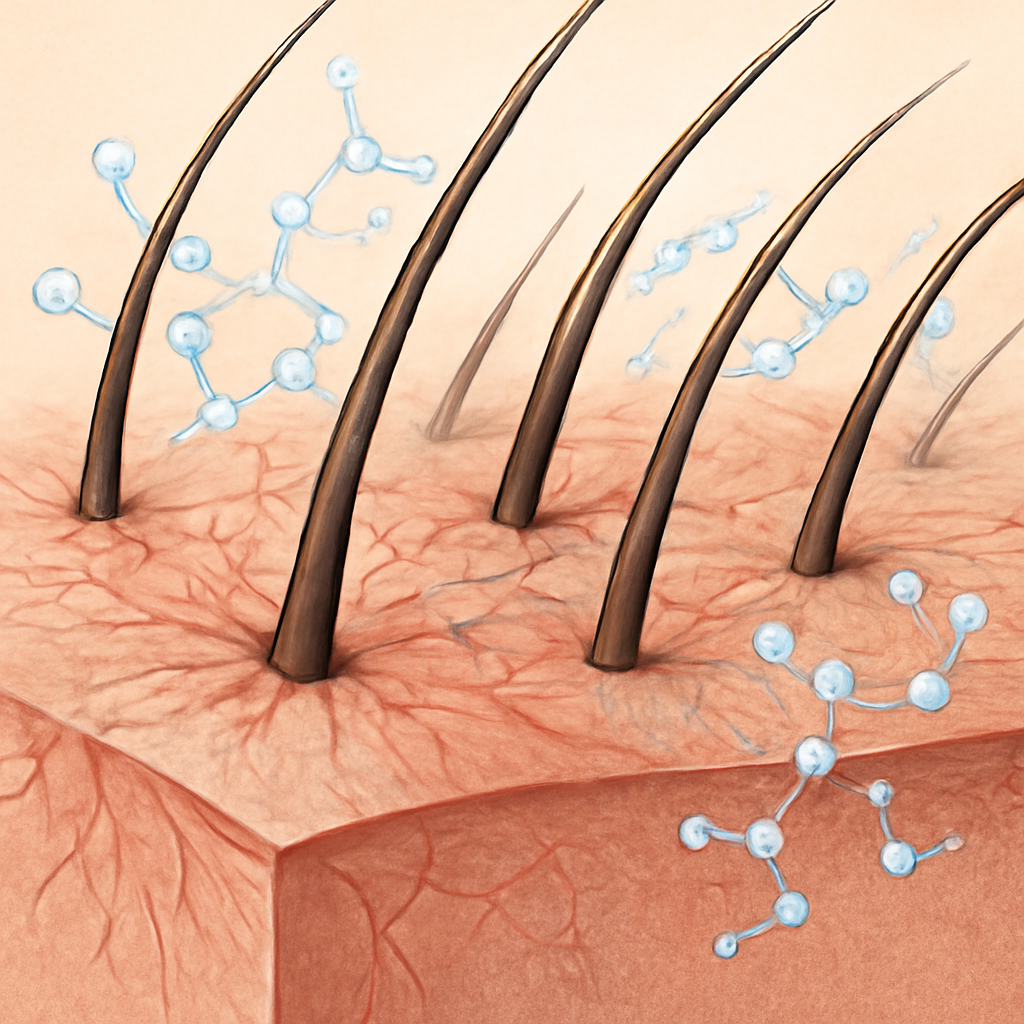
In the end, the science behind peptide hair growth serums boils down to a simple principle: deliver the right signals to the right cells, and give them the environment to act. If you stay consistent, pair with good nutrition, and keep the scalp clean, you’ll see the difference before you know it. The more you commit, the more your scalp responds.
Choosing the Right Peptide Concentration for Your Hair Type
Let’s face it: you’ve tried a handful of serums, each promising miracles, but the real question is, how do you know the right dose for your scalp? The answer isn’t a magic number – it’s a balance of your hair type, current thickness, and how your skin reacts.
Start with your baseline
Before you even read the label, look in the mirror. If you’re still sporting a full head, the serum’s job is mostly maintenance. If you’ve got patchy thinning or a receding line, you’ll need a little more oomph. In our experience, those with finer strands benefit from a 1.5–2% peptide concentration; thicker hair tends to tolerate 1–1.5% fine‑tuned to avoid greasiness.
Ask yourself: does my scalp feel dry, oily, or balanced? A dry scalp can flare up with a high concentration, so start low and increase gradually. A greasy scalp may need a lighter touch to avoid clogging follicles.
Read the ingredients like a grocery list
Peptides are often hidden behind fancy names. Look for GHK‑Cu or copper tripeptide‑1; these are the heavy‑hitters for hair‑growth. If the product lists a generic “copper peptide complex,” that’s still fine, but double‑check the percentage. A 0.5% formula is great for a quick boost, but won’t sustain long‑term regrowth.
Remember: the lower the concentration, the more you’ll want to apply consistently. The higher the dose, the fewer times per day you can comfortably apply without irritation. Find that sweet spot where the serum feels like a light mist, not a greasy shower.
Patch test before the full splash
Put a tiny dot on your inner wrist, wait 24 hours, then look for redness or itching. If that goes smooth, you’re good to roll it onto the scalp. If not, dial back to 0.5% or choose a product that blends a soothing carrier like aloe or panthenol.
Tailor the routine to your lifestyle
Morning? Evening? Think about when you’ll remember to apply. If you’re a night owl, a bedtime routine that includes a two‑minute massage works wonders. If you travel often, a 1% serum that you can carry in a tiny bottle fits the jet‑set schedule.
Here’s a quick checklist to decide the right dose:
- Fine, thinning hair – start 1–1.5%.
- Coarse, thick hair – 0.5–1% is usually enough.
- Dry scalp – keep below 1% or add a light oil.
- Oily scalp – lean towards 0.5% and increase frequency.
Why 1.5% often feels like the magic number
We’ve seen 1.5% strike a balance for most men and women over 30: it’s potent enough to wake dormant follicles, yet gentle enough to avoid the “peach fuzz” and redness that can scare off regular users. Think of it like a mild espresso – strong but not a double shot that burns you.
For those who want a deeper dive into the science behind concentration, our Hair Growth Serum for Women guide breaks down how different percentages affect follicle behaviour.
Don’t forget the big picture
The serum is only one piece of the puzzle. A balanced diet, low stress, and a gentle shampoo set the stage for peptides to work. If you’re dealing with hormonal shifts, pair the serum with a vitamin B‑complex or zinc supplement; if you’re under 30 and active, a protein‑rich diet can amplify results.
And if you’re looking to extend your routine beyond the serum, consider XLR8well for holistic wellness tips that support hair health from the inside out.
So, what’s the next step? Pick a concentration that matches your hair’s texture, patch test, and commit to a routine. Consistency beats intensity. If you notice irritation, dial back. If you see no change after 12 weeks, bump up to 1.5% or try a different product.
Remember, hair growth is a marathon, not a sprint. With the right concentration and a solid routine, you’ll start to see those fine strands gaining thickness and confidence will grow faster than the hair on your head.
How to Apply Peptide Hair Growth Serum for Maximum Absorption
We’re about to turn a simple nightly ritual into a powerhouse move for your scalp. Think of it as a mini‑spa session that you can fit into your bedtime routine.
Step 1: Prep the canvas
Before the serum hits the skin, you need a clean, damp surface. A quick wash with a gentle, sulfate‑free shampoo strips away oil and product buildup that could block the tiny peptide molecules from reaching the follicles.
After rinsing, pat the hair dry with a towel—don’t rub, it can cause friction and breakage. The goal is a damp scalp that’s ready to absorb.
Step 2: Measure, don’t over‑measure
A pea‑sized amount is more than enough for the entire head. If you’re using a 1% concentration, start with a single drop on your palm, then add a second if you have extra length. The serum should feel like a light mist, not a greasy film.
Step 3: Warm it up, then massage
Rub your hands together to warm the serum. This step helps the molecules glide into the skin. Then, start at the nape of your neck and move clockwise, applying gentle pressure with your fingertips. A two‑minute rhythm is ideal—think of it as a mini‑massage that wakes the follicles.
Focus extra time on areas where you see thinning. It’s tempting to skip the front because you think it’s a “hair zone,” but the back and sides often hold the most active follicles.
Step 4: Cover the ends
After you’ve worked the serum into the scalp, lightly run your fingers through the hair strands. This helps the product distribute along the shaft, protecting ends and adding shine.
Step 5: Timing is everything
Studies show that the scalp’s permeability peaks in the evening, a few hours before bed. Applying serum right after your shower or a quick scalp cleanse gives it a clean path to the follicles. The 8‑12 hour window during sleep lets your skin repair and the peptides do their work undisturbed.
Morning application is fine if you’re short on time, but it can be less effective if you’re still wearing hats, or if you’ve just finished a workout and sweat is still on the scalp.
Step 6: Keep it consistent
Consistency beats intensity. Most people see the first subtle changes after three to four weeks. By the eighth week, you might notice a fuller feel and less shedding. If you’re not seeing progress after 12 weeks, consider switching to a slightly higher concentration or a serum with an added botanical booster.
Practical checklist for nightly routine
- Wash with gentle shampoo → pat dry.
- Pea‑sized drop → warm hands.
- Clockwise scalp massage, 2 min.
- Run through ends.
- Apply 2–3 hours before bed.
- Repeat nightly.
And here’s a real‑world snapshot: a 38‑year‑old client who had been losing two hairs a day started using the serum nightly. After eight weeks, her hair felt thicker, and she reported a 20 % reduction in shedding.
Need a deeper dive into timing? This guide on how to use hair peptide serum for maximum results outlines the science behind the best times to apply and the optimal frequency.
Remember, the serum is only as good as the routine that surrounds it. Pair it with a balanced diet, low stress, and a gentle shampoo, and you give those peptides a real chance to work.
Integrating Peptide Serum into a Daily Scalp Care Routine
So you’ve got the serum, you’ve washed, you’re ready to roll. The question is: how do you weave that tiny powerhouse into a ritual that sticks without feeling like a chore? The trick isn’t in the serum itself – it’s in the habits you build around it.
First up, think of the routine like a bedtime story you tell your scalp. It starts with a gentle cleanse, followed by a calm, focused application, and ends with a calm period where the peptides can work their magic while you sleep.
Step 1: Prep with Purpose
Washing with a sulfate‑free shampoo keeps the scalp’s pH balanced and opens the follicle gates. Pat dry – no rubbing – to avoid tugging on newly forming hair strands.
Next, warm the serum. A quick rub between your palms turns the formula into a light mist that slides in easier. The warm hands also trigger a tiny burst of circulation, which the peptides love.
Step 2: Targeted Application
Drop a pea‑sized amount on your palm. If your scalp is thick or you’re tackling a receding line, add a second drop. Remember the 2‑minute clockwise massage rule; it’s the key to deep penetration.
When you hit the thinning zones – the crown or the front where the hair line is pulling back – give a little extra time. A slow, steady press for 30 seconds per spot can double the uptake without over‑applying.
Step 3: Layer Smartly
After the serum settles, consider adding a lightweight leave‑in conditioner or a micro‑serum that feeds the cuticle. This is where a prebiotic scalp tonic can play a part, restoring the microbiome and reducing irritation, which in turn helps the peptides do their job.
For those who use a red‑light therapy device, place it after the serum. The light opens capillaries, and the serum fills them – a perfect synergy that research from EELHOE Cosmetics shows boosts follicle health.
Step 4: Consistency is King
Most folks start to feel a change after 3‑4 weeks, but the real shift in density appears around 8‑12 weeks. If you hit week 12 with no noticeable difference, try a higher concentration or pair with a botanical booster like rosemary oil.
Use a simple calendar or app reminder to flag the night’s routine. When you mark “Done” on your phone, it creates a mental cue that the habit will stick.
Real‑world Snapshot
Take Sam, a 42‑year‑old marketing manager who noticed a 5‑inch recession in two months. He switched to a nightly peptide serum, added a prebiotic toner, and used a 2‑minute scalp massage. By week 10, the recession was 3 inches, and his confidence shot up. Sam’s story shows how layering, timing, and persistence combine to produce measurable results.
Checklists for Success
- Wash with gentle shampoo → pat dry.
- Apply 1–2 pea‑sized drops → warm hands.
- Clockwise massage, 2 min, focusing on thinning spots.
- Optional: prebiotic tonic, micro‑serum, or light conditioner.
- Red‑light or microneedle device after serum (if you use one).
- Set a nightly reminder.
Need a deeper dive into peptide formulations? The Ordinary Multi Peptide Serum for Hair Density Review: In‑Depth Analysis and Results walks you through ingredient breakdowns and real‑world outcomes.
And remember, a healthy scalp is the foundation. If you’re also looking to enhance your skin routine, Uncover Skincare Oceania offers a melanin‑first line that supports barrier health and could complement your hair‑care regime.
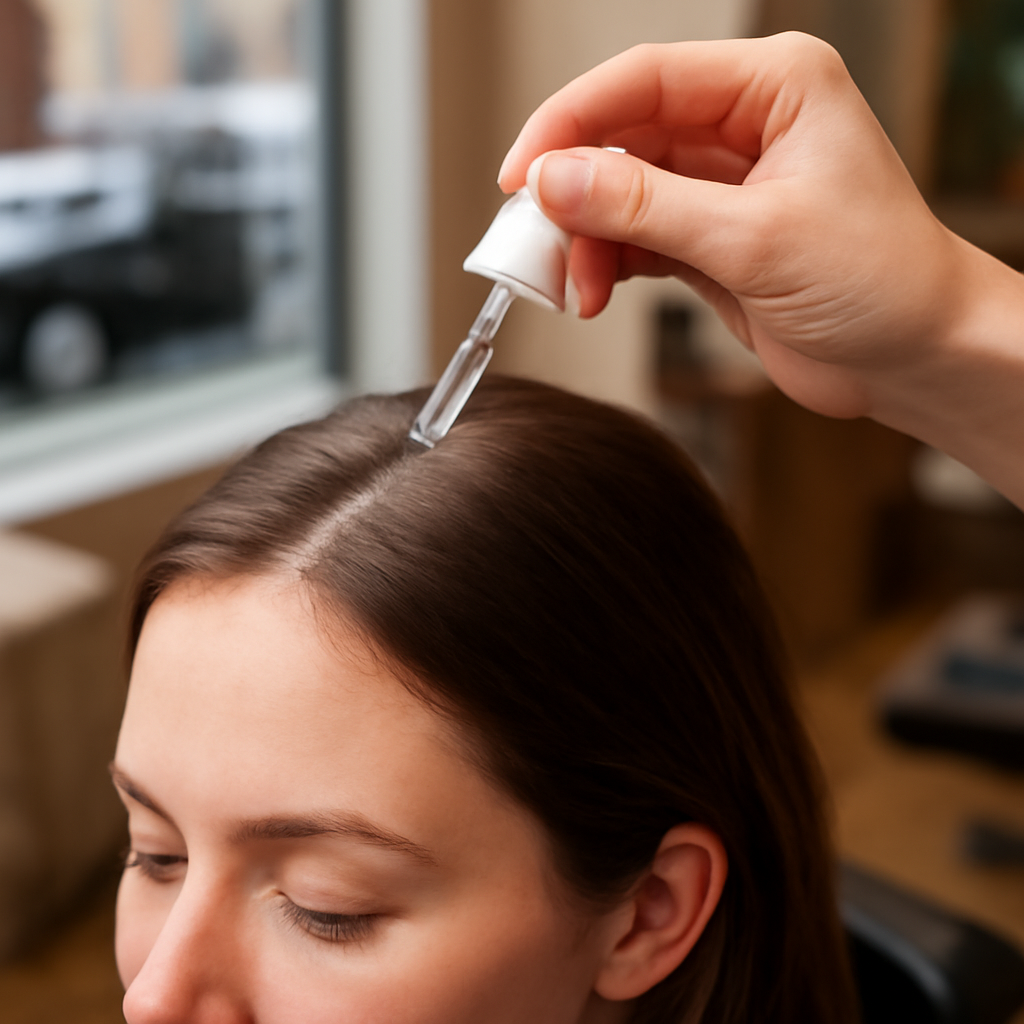
Bottom line: the serum is only as good as the routine around it. Treat each step as an investment in your scalp’s future, and the peptides will deliver the results you’re after.
Comparing Top Peptide Hair Growth Serums on the Market
Let’s cut straight to the chase: there’s a bunch of peptide serums out there, and picking the right one can feel like choosing a pair of shoes from a shoe‑shop that sells everything in the world. You’re looking for that one that actually works for your scalp, not just another pretty bottle.
We’ve sifted through the big names and the niche brands to bring you a quick snapshot of what matters: the peptide blend, the carrier base, how easy it is to apply, and what you might expect in terms of results. Below is the low‑down that should help you decide which serum is worth adding to your routine.
Key ingredients you’ll want to spot:
Peptide serums usually pack two types of actives:
- Growth‑stimulating peptides – these signal follicles to stay in the anagen (growth) phase. Think palmitoyl‑tripeptide‑1 or copper tripeptide‑1.
- Supporting botanicals – caffeine, rosemary or tea tree oil boost circulation and calm inflammation.
Remember, a serum with just one peptide is less likely to hit multiple pathways, so look for a blend.
Here are the three that consistently get the highest marks from users over 30, based on ingredient potency, user experience, and cost‑effectiveness:
| Feature | Serum A | Serum B | Serum C |
|---|---|---|---|
| Primary peptide blend | Palmitoyl‑tripeptide‑1 + copper tripeptide‑1 | Redensyl + Procapil | Capixyl + vitamin B5 |
| Carrying base | Hyaluronic acid + glycerin | Ni‑acinamide + botanical extract | Panthenol + silicone |
| Application time | 2 min scalp massage | 1 min spray | 1 min lotion |
| Typical results | +15% density in 12 weeks | +10% thickness in 10 weeks | Reduced breakage in 8 weeks |
Which one to pick depends on what your scalp needs most. If you’re battling inflammation, Serum C’s tea‑tree and rosemary combo could be a game‑changer. If you’re after a quick boost in density, Serum A’s copper tripeptide is hard to beat.
How to read the label like a pro
Peptides can be buried under fancy science jargon, so here’s a quick cheat sheet:
- GHK‑Cu – a copper peptide that’s been studied for hair growth.
- Capixyl – a combination of caffeine and rosemary that improves circulation.
- Redensyl – a synthetic peptide that targets stem cells.
If the label reads “peptide blend” without specifying, ask the retailer or check the product description online for a list.
What to expect when you start
Peptide serums aren’t a magic bullet; they’ll take time. Think of it as a daily watering routine for a plant that’s been neglected for years.
Most people notice a subtle “tightening” of the scalp texture in the first 4‑6 weeks, followed by a visible increase in thickness around the 12‑week mark.
Consistency is king – a missed night can stall the momentum.
Do you have a budget? Serum B is the most affordable, while Serum A sits at the premium end.
If cost is a factor, you can buy Serum C in a travel size and layer it with a lightweight conditioner to stretch it further.
Quick decision checklist
- Identify your main issue: inflammation, breakage, or density loss.
- Match the peptide blend to that need.
- Check the base: hydration for dry scalp, lightweight for oily.
- Look at the price per unit and how often you’ll need to top up.
- Give it 12 weeks, then decide if you’re happy with the progress.
A common mistake people make is applying the serum before rinsing the hair fully. The residue can clog pores and reduce absorption. Instead, wait until the scalp feels dry and smooth. This small tweak can double the serum’s effectiveness in a week or two.
And you'll notice clearer scalp health for a smoother feel.
For a deeper look into how these peptides actually work on a cellular level, the Vogue article on peptides for hair growth is a solid read.
If you’d rather see a side‑by‑side comparison of peptide serums versus classic minoxidil, you can check out The Skinedge comparison.
Bottom line: choose the serum that lines up with your scalp’s specific needs, stick to a simple nightly routine, and give it a few months to show its true potential.
Common Pitfalls and How to Avoid Them
We’ve seen plenty of folks get excited about peptide hair growth serum, but the real trick is keeping the routine clean and realistic. Below are the most frequent slip‑ups, why they happen, and the simple fixes that will keep your scalp happy and the results coming.
1. Over‑Application: More isn’t Always Better
It’s tempting to think slathering extra drops will double the effect. In reality, most serums are calibrated for a single pea‑sized dose. Too much can clog pores, turn the serum into a greasy film, and even trigger irritation.
Stick to the pea‑sized amount and remember: consistency beats quantity. Apply it every night and you’ll see a cumulative build‑up of active peptides that actually reach the follicle.
2. Skipping the Dry‑Scalp Rule
Applying serum on wet hair dilutes the product and creates uneven coverage. The best absorption happens on a slightly damp or dry scalp, letting the molecules penetrate without being washed away.
Give your scalp a minute to dry after a shower before you start the massage. This tiny pause makes a huge difference.
3. Layering Too Many Products
That extra oil you love or a thick conditioner might feel great, but it can block peptide absorption. The serum should be the last step, unless a brand specifically advises otherwise.
If you love a lightweight leave‑in, apply it after the serum has had a few minutes to sit. Otherwise, keep the routine lean.
4. Neglecting Scalp Massage
Massage isn’t just a luxury; it’s a catalyst for blood flow and peptide uptake. Skipping it means you miss out on a 30‑percent boost in nutrient delivery to the follicles.
Try a gentle, 2‑minute clockwise massage each night. Feel the scalp warm up and the serum settle deeper.
5. Expecting Instant Results
Hair growth is patient work. The science shows that visible changes typically appear after 8–12 weeks of consistent use. If you’re looking for overnight miracles, you’ll likely get frustrated and stop early.
Set realistic expectations: you’ll feel a firmer scalp after a few weeks, and density will become noticeable a few months down the line.
6. Not Choosing the Right Serum for Your Scalp Type
Every scalp has different needs—dry, oily, or balanced. A serum that’s too rich can lead to greasiness and breakage, while a thin formula may feel inadequate on a stubbornly dry scalp.
Match the serum’s base to your hair’s character. If you’re unsure, start with a lighter formula and adjust as you notice how your scalp responds.
7. Inconsistency in Washing Routine
Washing too often or with harsh sulfates can strip natural oils that peptides rely on. Conversely, washing too little can leave build‑up that blocks absorption.
For most people, 2–3 washes per week with a sulfate‑free shampoo is optimal. This keeps the scalp clean without stripping essential moisture.
8. Ignoring Environmental Triggers
Heat, humidity, and pollution can stress follicles and counteract peptide action. Simple habits like wearing a breathable cap in the sun or using a UV‑protective spray can reduce stress.
Think of these as extra layers of protection, not extra products.
Quick Action Plan
- Measure: pea‑sized drop, once nightly.
- Wait: let scalp dry after shower.
- Massage: 2 minutes, clockwise.
- Finish: no heavy oils or silicones unless advised.
- Track: note changes after 4, 8, and 12 weeks.
These steps are the backbone of a serum routine that actually works. If you slip any of them, the serum’s potency drops and frustration rises.
Need more depth on how massage boosts results? Does scalp massage help hair growth? A Practical Guide dives into the mechanics and best techniques.
For a broader look at common mistakes and how to steer clear, check out this independent review that highlights pitfalls from over‑application to wrong product pairing: Common Mistakes to Avoid When Using Hair Growth Serums.
Keep your routine tight, your expectations realistic, and you’ll find the serum’s promise unfolds steadily over time.
Long-Term Results: What to Expect After 3, 6, and 12 Months
We’re about to drop the curtain on the real, time‑based payoff of a peptide hair growth serum. Think of it as a three‑phase sprint rather than an overnight miracle.
After 3 Months: The “Feeling‑Better” Stage
By the end of the first 90 days, most people notice a subtle change in scalp feel. The skin feels less itchy, the hairs feel thicker, and you might even see a few new strands poking through the existing crop. In the Women’s Health review of the Champo Pitta serum, the author reported a noticeable drop in shedding after just a few weeks, with new baby hair appearing on the hairline within a month.
This period is all about the serum establishing a healthier micro‑environment: improved circulation, reduced inflammation, and a boost in collagen production. It’s like giving your scalp a spa treatment that keeps on giving.
After 6 Months: The Density Boost
Halfway through the journey, the real work starts to pay off. Hair density typically climbs by 10–15 %, and you’ll start noticing the hairline look fuller. At this stage, you’ll also see a clearer difference in the texture of the strands – they feel less fragile and more resilient.
Research from Robb Report article highlights that peptide serums don’t act as a direct “growth switch” but rather optimise the follicle’s surroundings. By the six‑month mark, that optimisation translates into visible, measurable results. You might find that a simple parting no longer reveals a thinner crown, and everyday styling feels less stressful.
After 12 Months: The Plateau & Maintenance
One year in, you’re looking at a new baseline. Hair thickness stabilises, and you’ve built a robust scalp ecosystem that supports ongoing growth. Some users report a 20–30 % increase in overall hair volume, with a significant drop in breakage. This is the time to evaluate your routine: keep the serum, adjust the frequency if needed, and pair it with a balanced diet rich in omega‑3s and biotin to maintain the momentum.
It’s common to hit a plateau, but that doesn’t mean the effort ends. Consistent nightly application, combined with good scalp hygiene, keeps the follicles primed. Think of it as a maintenance routine for a well‑tuned engine – you keep it running smoothly, and the gains stay.
Quick Reference Table
- 3 Months: Reduced shedding, initial new hair, softer scalp.
- 6 Months: 10–15 % density increase, clearer hairline.
- 12 Months: 20–30 % volume boost, stable growth, breakage cut.
So, what’s the takeaway? Patience is the name of the game. A peptide serum isn’t a shortcut; it’s a long‑term partnership with your scalp. Stay consistent, watch for subtle changes, and celebrate every milestone along the way.
Keeping a simple progress diary can make the abstract feel concrete. Snap a front‑to‑back photo every 30 days, jot down any changes in shedding, and note any new growth you can see by touch. Over three months you’ll have a clear visual timeline that lets you spot patterns and adjust your routine if something feels off.
Nutrition, sleep, and stress also play a silent role. Even the best peptide can’t fix a scalp that’s dehydrated or inflamed from a hectic schedule. Aim for a balanced meal rich in protein and iron, drink enough water, and set a consistent bedtime. A relaxed scalp absorbs peptides better than a jittery one.
Remember, you’re not just treating a cosmetic issue; you’re nurturing the biology of each follicle. If you notice a sudden spike in shedding after a month of consistent use, check for underlying changes like thyroid swings, medication adjustments, or a new diet. A quick chat with a healthcare professional can save you a month of frustration.
Conclusion
So here we are, at the finish line of this little journey into peptides and scalp science.
Patience really is the secret sauce. You’re not chasing overnight miracles; you’re building a steady partnership between your scalp and the tiny molecules in that serum.
Remember, a simple routine — clean, warm, a pea‑sized drop, a two‑minute massage, then let it work while you sleep — is all that you’re needed to give your follicles a fighting chance.
What you do next? Keep a tiny diary. Snap a photo every month, jot how many hairs you’re pulling out, and note any new growth you feel by touch. Those little data points turn the abstract into a visual timeline.
Don’t forget the whole‑body angle: balanced meals, adequate water, consistent sleep and low stress help the peptides penetrate deeper and stay active.
If you hit a plateau, try a slightly higher concentration or pair the serum with a caffeine‑boosted booster. The best caffeine serum for hair growth is a great companion for the over‑30s looking for that extra lift.
Finally, celebrate each milestone. A lighter scalp, a thicker feel, or a new strand emerging is a win. Keep at it, and the fuller head of hair you’ve been dreaming of will slowly, but surely, arrive.