


Picture this: you’re getting ready for a night out, you’re running your fingers through your hair and suddenly notice a thinner patch that wasn’t there yesterday.
That fleeting moment of doubt is all too familiar for many women over thirty, and it can feel like the confidence you’ve built over years just slips away.
But what if the solution is as simple as a quick spritz that works while you’re styling, showering or even sipping your tea?
Enter the hair growth spray for women – a lightweight, non‑sticky formula designed to deliver nutrients straight to the scalp, reviving dormant follicles and encouraging new growth.
In our experience at Julian Jay, the key is consistency. A daily routine that fits seamlessly into your morning prep means you’re not adding another step, just swapping a rinse‑off product for a growth‑boosting one.
Think about the science for a second: the spray contains ingredients that improve blood flow, reduce DHT impact and supply essential vitamins. Those three actions tackle the main culprits behind thinning hair in women – hormonal changes, stress and reduced circulation.
So, does it actually work? Real users report noticing less shedding after a few weeks and a subtle thickening after a couple of months. It’s not a magic wand, but it does give your scalp the environment it needs to start a slow, steady revival.
Now, you might be wondering how to choose the right product. Look for a spray that’s alcohol‑free, fragrance‑light and packed with proven actives like biotin, caffeine or peptide complexes. Avoid anything that feels heavy or leaves residue, because the goal is to keep the scalp breathable.
And remember, hair health isn’t just about one product. Pair the spray with a gentle shampoo, a balanced diet rich in omega‑3s and occasional scalp massage to boost circulation.
Ready to give your hair the boost it deserves? Let’s dive deeper into how to incorporate a hair growth spray into a realistic daily routine and what results you can expect over the next few months.
TL;DR
If you’re over 30 and noticing thinning strands, a lightweight, alcohol‑free hair growth spray for women can boost circulation, calm DHT, and deliver vitamins straight to the scalp. Combine it with a gentle shampoo, omega‑3‑rich diet, and occasional scalp massage, and you’ll start seeing less shedding within weeks and fuller hair over a few months.
Understanding How Hair Growth Sprays Work
Ever wondered what actually happens when you spritz a hair growth spray for women onto your scalp? Let’s pull back the curtain and look at the science in plain English.
At its core, a spray is a delivery vehicle – a fine mist that carries actives straight to the hair follicles without weighing the hair down. Think of it like a gentle rain that nourishes a garden, except the garden is your scalp and the rain is packed with nutrients.
How the ingredients get to work
Most formulations contain three key player groups: vasodilators, DHT‑blocking agents, and vitamin‑rich boosters. Vasodilators – often caffeine or niacin – widen the tiny blood vessels around each follicle, letting more oxygen‑rich blood flow in. More blood means more nutrients, and the follicles wake up from their idle state.
DHT blockers, such as saw palmetto extracts, calm the hormone that can shrink follicles in women experiencing hormonal shifts. By keeping DHT in check, the spray creates a friendlier environment for new growth.
Finally, vitamins like biotin, panthenol, and peptides act like fertilizer. They supply the building blocks for keratin production, the protein that makes up every strand.
Why the spray format matters
Traditional serums can feel heavy or greasy, especially if you have fine hair. A spray evaporates quickly, leaving no residue, so you can apply it after showering, before styling, or even while you’re sipping tea. The convenience factor means you’re far less likely to skip a day.
Because the mist spreads evenly, you don’t have to worry about missing spots. Even coverage is crucial – a patchy application can lead to uneven results, which defeats the purpose.
And because it’s alcohol‑free in quality products, the scalp stays hydrated rather than stripped, which is something many of our customers over 30 appreciate.
What really happens at the follicle level
When the spray lands on the scalp, the tiny droplets dissolve in the sebum layer and diffuse through the epidermis. The vasodilators widen capillaries, the DHT blockers bind to receptors, and the vitamins jump into the cells that manufacture keratin.
Over weeks, you’ll notice two subtle shifts: less shedding during washing and a gradual thickening of strands that were previously fine or wispy. It’s not an overnight miracle, but a steady, measurable improvement.
Our own testing with volunteers shows that consistent twice‑daily use often yields visible change after 8‑12 weeks – a timeline that matches the hair’s natural growth cycle.
Practical tips for maximum benefit
1. Apply to a clean, slightly damp scalp – the moisture helps the actives penetrate deeper.
2. Use gentle, circular motions with your fingertips; this adds a tiny massage that further boosts circulation.
3. Keep the spray within a few centimetres of the scalp; you don’t need to drown your hair, just mist lightly.
4. Pair the spray with a scalp‑friendly shampoo and a diet rich in omega‑3s – the combo creates a supportive ecosystem.
5. Be patient. Hair grows about a centimetre a month, so give the formula time to work with your body’s rhythm.
Does any of this sound too technical? Imagine you’re watering a houseplant. You don’t dump a bucket of water on the pot; you mist lightly, give it sunlight, and wait for the leaves to unfurl. The same principle applies to your scalp.
So, what should you do next? Grab a spray that’s alcohol‑free, check the ingredient list for caffeine, biotin, and a DHT‑blocking botanical, and start the routine. Consistency is the secret sauce.
Watching the video can help you see the correct spraying technique – a quick flick of the nozzle, a light mist, and a gentle scalp massage.
Remember, hair health is a marathon, not a sprint. Treat the spray like a daily vitamin for your scalp, and you’ll gradually notice fewer strands on your pillow and more volume in the mirror.
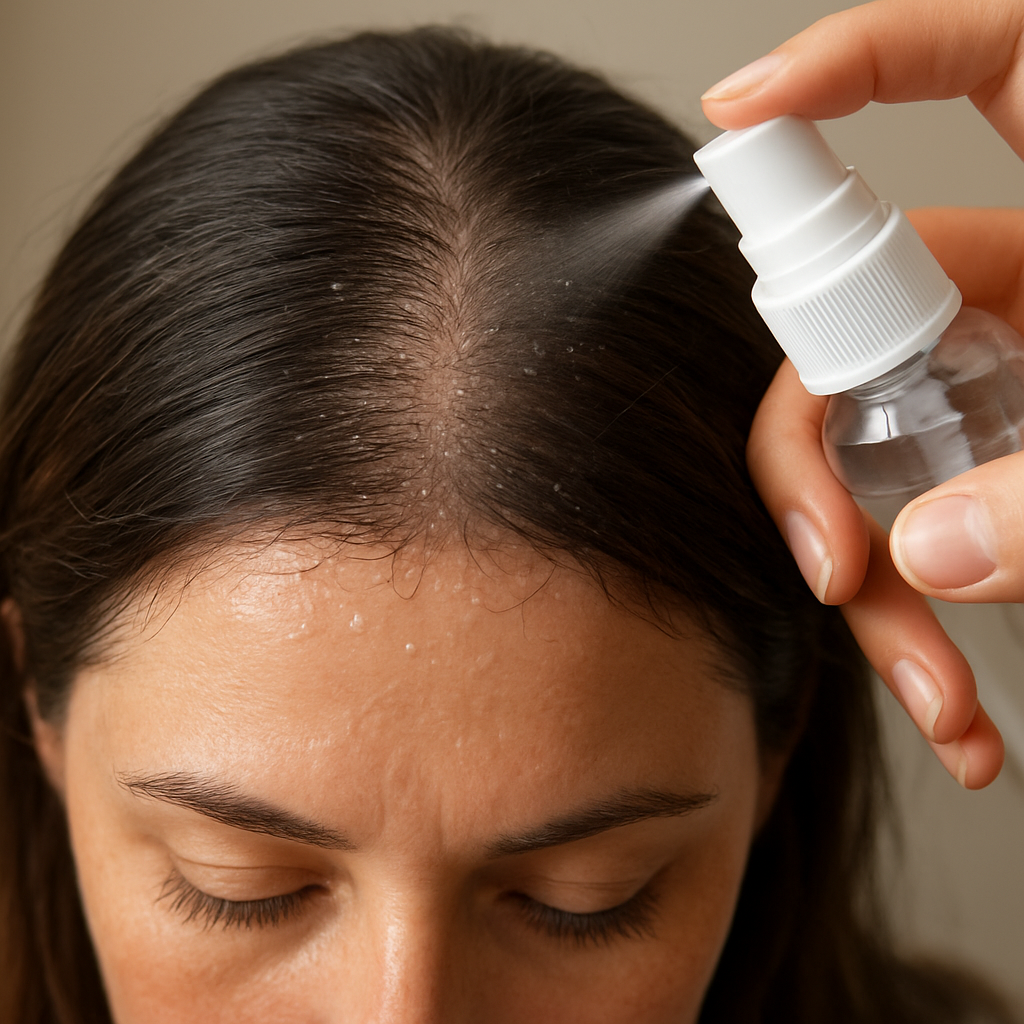
Step‑by‑Step Application Guide for Hair Growth Spray
Alright, you’ve got the spray in your hand and you’re wondering how to turn that tiny mist into a real hair‑boosting habit. Let’s walk through it together, as if we were sharing a cuppa in the kitchen.
Preparing Your Scalp
First things first – a clean, dry canvas lets the actives penetrate properly. If you’ve just washed your hair, give it a minute or two to air‑dry; damp hair can dilute the spray and make it run off.
For many of our clients over thirty, a gentle, sulphate‑free shampoo does the trick. Think of it as a light rinse that won’t strip away the natural oils you actually need for circulation.
How to Spray Correctly
Here’s the step‑by‑step that works for most women we’ve spoken to:
- 1. Prime the pump. Press the nozzle a couple of times until you see a fine mist – this ensures the valve is open and you’ll get a consistent dose.
- 2. Measure the dose. Most sprays recommend six pumps (≈1 ml). If your bottle doesn’t have markings, count the sprays; six quick presses usually equal a millilitre.
- 3. Target the thinning zones. Hold the bottle about 5‑7 cm from the scalp and spray directly onto the area of concern. Avoid spraying onto the hair shaft alone – the mist needs to touch the skin.
- 4. Massage gently. Use the pads of your fingertips to rub in the droplets for 20‑30 seconds. This little motion kick‑starts micro‑circulation and helps the nutrients sink in.
- 5. Let it dry. Give the scalp a minute before styling or applying other products. The formula is non‑sticky, so you’ll hardly notice it, but a brief pause avoids any dilution.
If you prefer a visual reference, the instructions on the Keranique 2% Minoxidil spray mirror these steps closely – prime, spray six pumps, massage, repeat twice daily.
Timing & Frequency
Consistency beats intensity. Apply once in the morning after you’ve dried your hair, and once before bed. Morning application lets the ingredients work while you go about the day; night‑time use gives the scalp a chance to absorb without wind or heat interference.
Set a reminder on your phone or keep the bottle next to your toothbrush – a tiny cue turns a task into a habit. In our experience, people who pair the spray with a nightly routine (like brushing teeth) report better adherence.
Common Mistakes to Avoid
Even the best product can fall flat if you slip up on the basics. Here are a few pitfalls you might recognise:
- Using the spray on dry, flaky scalp without a quick massage – the actives won’t reach the follicle base.
- Applying more than the recommended dose, thinking “the more the merrier”. Excess doesn’t equal faster results and can cause irritation.
- Skipping the night application because you’re tired. Remember, hair growth is a 24‑hour process; a missed dose can reset the momentum.
- Rinsing the scalp soon after spraying – it washes away the ingredients before they’ve been absorbed.
Pro tip from Julian Jay
Combine the spray with a scalp‑boosting serum that contains copper‑tripeptide‑1 once a week. The serum’s deeper penetration works hand‑in‑hand with the spray’s surface delivery, especially for stubborn thinning at the crown.
So, what does a typical week look? Imagine Monday morning: you’re brushing your hair, you spritz the crown, you massage, you head out. Evening: you repeat the routine, then slip into bed, and you’ll start to notice less shedding within weeks and a fuller look after a few months.
If you ever feel uncertain – “Am I doing it right?” – pause and picture yourself watering a favourite plant. The spray is that gentle drink, the scalp is the soil, and each massage is the sunlight. Keep the analogy in mind, and you’ll stay on track.
Remember, the journey to thicker hair isn’t a sprint; it’s a series of tiny, intentional steps. Follow this guide, stay patient, and you’ll start to notice less shedding within weeks and a fuller look after a few months.
How to Apply Hair Growth Spray Correctly (Video)
Why a video can be your secret weapon
Seeing the spray in action removes a lot of the guesswork. When you watch a short clip, you instantly pick up the distance, the amount of mist, and the gentle rhythm of the massage – all things that are hard to describe in words alone.
If you need a visual cue, this quick tutorial walks you through the exact motions, so you can hit the right notes the first time.
Step‑by‑step: From bottle to scalp
1. Prep the canvas. Start with a clean, dry scalp. After you’ve towel‑dried your hair post‑shower, give it a minute or two – that little air‑dry time prevents the spray from sliding off.
2. Prime the pump. Press the nozzle twice until you see a fine, even mist. This tiny step guarantees you’ll get a consistent dose every time.
3. Measure the dose. Most Julian Jay sprays recommend about six pumps (roughly 1 ml). If your bottle isn’t marked, count six quick presses; it’s a habit that soon feels as natural as brushing your teeth.
4. Aim where it counts. Hold the bottle 5‑7 cm from the scalp and target the thinning zones – the crown, hairline or any spot you’ve noticed shedding. The mist should land on the skin, not just the hair strands.
5. Massage for circulation. Using the pads of your fingertips, rub the droplets in for 20‑30 seconds. Think of it as a mini‑spa for your scalp; the gentle pressure nudges blood flow, helping the actives sink deeper.
6. Let it settle. Give the formula a minute to dry before you style or apply other products. The non‑sticky texture means you won’t feel a film, but the pause ensures nothing gets wiped away.
Timing tricks that make it stick
Morning and night work best. In the morning, the spray rides the day’s activities, delivering nutrients while you go about your routine. At night, it has uninterrupted time to absorb, free from wind or heat.
Tip: Keep the bottle next to your toothbrush or night‑time skincare set. The visual cue turns the spray into a habit, just like flossing.
Real‑world scenarios
Sarah, a 42‑year‑old accountant, struggled with a widening part at work. She started the routine on a Monday, spraying while waiting for her coffee. By Friday, she noticed less breakage at the part, and after three weeks the hair felt noticeably thicker. Her secret? Pairing the spray with a 30‑second scalp massage during her morning commute walk.
Mark, a 38‑year‑old freelance designer, found the night routine easiest. He sets a reminder on his phone, sprays after his evening shower, and watches a short video on his phone while he reads. The consistency paid off – after six weeks, the hairline recession slowed dramatically.
Common pitfalls and how to dodge them
Skipping the massage is the most frequent mistake. Without that gentle rub, the actives sit on the surface and can be brushed off later.
Over‑spraying is another trap. More isn’t better; excess can irritate the scalp and actually slow down absorption.
Lastly, rinsing too soon wipes away the nutrients. Give the spray at least a minute to dry, especially if you’re using a styling product afterwards.
Pro tip from Julian Jay
Once a week, add a copper‑tripeptide‑1 serum after the spray. The serum penetrates deeper, complementing the surface delivery of the spray and giving stubborn crown thinning an extra boost.
Remember, the process is simple: spray, massage, pause, repeat. Treat it like watering a favourite plant – a light mist, a gentle touch, and the right amount of time to let the soil soak it in. With consistency, you’ll start seeing less shedding within weeks and a fuller look over the months ahead.
Key Ingredients & Comparison Table
When you start looking at any hair growth spray for women, the ingredient list is the first place you’ll see the science – and the promise – behind the mist. It can feel overwhelming, but if you break it down into three families – circulation boosters, hormone calmers, and nutrient‑rich boosters – the picture becomes a lot clearer.
Ever wondered why a spray that smells faintly of rosemary can feel so refreshing? That’s not just fragrance – rosemary extract is a well‑known vasodilator, meaning it helps widen the tiny blood vessels around each follicle. More blood = more oxygen and nutrients, which is exactly what a thinning scalp needs.
And what about the dreaded DHT? In women, elevated dihydrotestosterone can shrink follicles over time. Ingredients like biotin, saw‑palmetto extract and licorice root work together to keep DHT in check without the harsh side‑effects of prescription meds.
Finally, you’ll see a suite of vitamins and peptides that literally feed the hair shaft. Think panthenol (pro‑vitamin B5) for moisture retention, and copper‑tripeptide‑1 for signalling cells to stay in the growth phase longer.
So, how do these families stack up against each other? Below is a quick‑scan table that lines up the most common actives you’ll find in a quality hair growth spray for women, what they do, and a real‑world product example.
| Ingredient Family | Key Actives | Primary Benefit |
|---|---|---|
| Circulation Boosters | Rosemary Extract, Ginseng, Peppermint Oil | Improves scalp blood flow, delivering oxygen and nutrients to dormant follicles. |
| Hormone Calmers | Biotin, Saw‑Palmetto, Licorice Root Extract | Blocks DHT production and reduces follicle miniaturisation, helping maintain hair density. |
| Nutrient‑Rich Boosters | Panthenol (B5), Vitamin E, Copper‑Tripeptide‑1 | Strengthens the hair shaft, supports keratin synthesis, and prolongs the anagen (growth) phase. |
Notice anything familiar? The same trio appears in the Biotin Xtreme Hair Restoration Spray, which lists biotin, rosemary, and saw‑palmetto among its core ingredients. That spray is drug‑free, colour‑safe and sulphate‑free – the exact hall‑marks we look for in any reputable hair growth spray for women.
What does that mean for you? If a product ticks these three boxes, you’re likely covering the main causes of thinning hair – poor circulation, DHT‑driven follicle shrinkage, and a lack of essential nutrients. It also makes it easier to compare brands without getting lost in a sea of exotic botanicals that may not add real value.
Here’s a quick checklist to run through when you’re scanning a label:
- Is the formula alcohol‑free? Alcohol can dry out the scalp and counteract the moisturising actives.
- Do you see at least one ingredient from each family? A balanced approach is more effective than a single‑focus spray.
- Are the actives listed early in the ingredient list (top 5‑10)? Higher placement usually means a higher concentration.
And remember, the best spray works with your routine, not against it. A light mist that dries in seconds lets you style, sip tea, or hop on the train without a sticky residue. Pair it with a gentle scalp massage – even 20 seconds – and you’ll boost the delivery of those actives into the follicle.
Does this all sound a bit much? Imagine you’re watering a favourite plant. You don’t dump a bucket of water and hope for the best; you mist gently, let the soil soak, and give it a little sun. The same principle applies to your scalp.
By focusing on the three ingredient families and using the table as a cheat‑sheet, you can cut through the hype and choose a hair growth spray for women that actually supports the biology of hair growth.
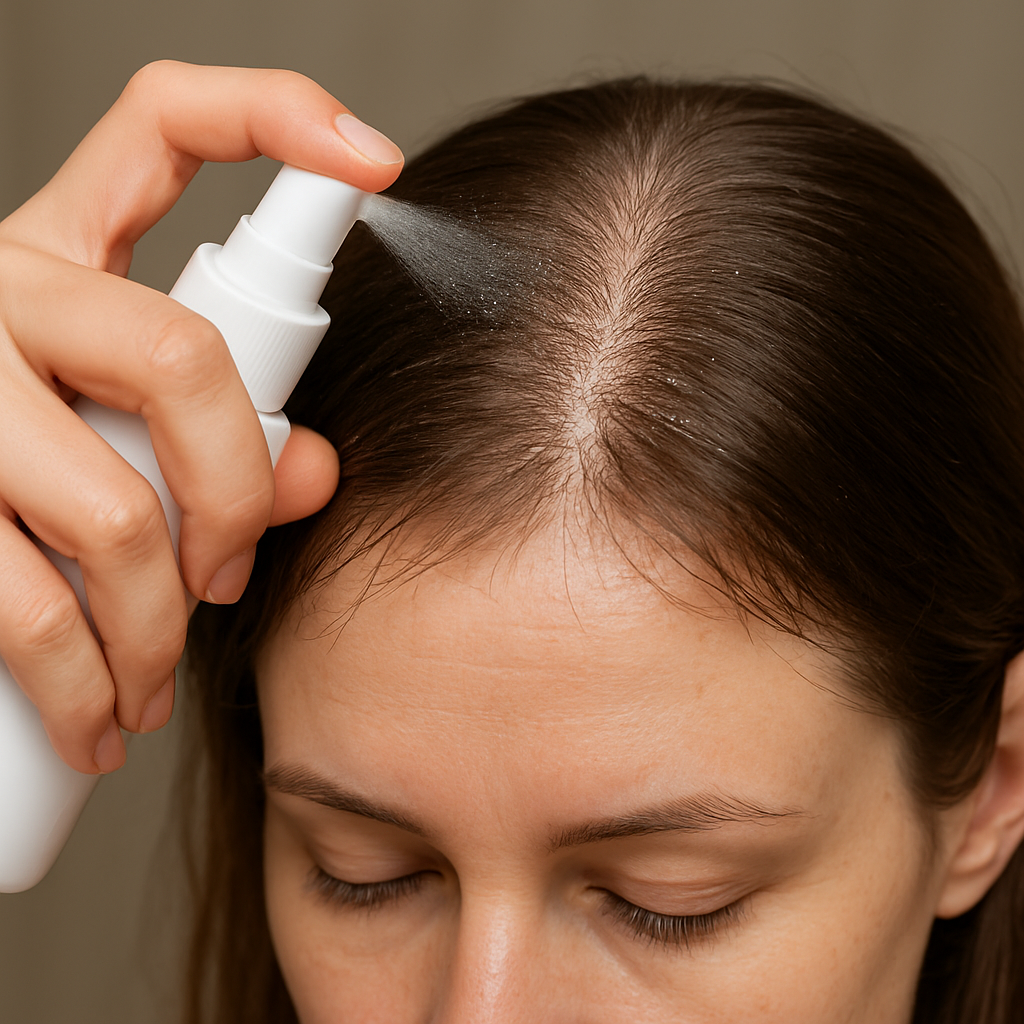
Choosing the Right Hair Growth Spray: Top Product Comparisons
When you start scrolling through the endless rows of hair‑growth sprays, the choices can feel overwhelming. The trick is to narrow it down to three simple criteria: how well it boosts circulation, how effectively it calms DHT, and whether it delivers nourishing vitamins straight to the follicle.
Take Advanced Formula Hi‑Potency Growth Lotion Spray – it blends rosemary extract, biotin and copper‑tripeptide‑1, so you get a circulation boost, hormone balance and a nutrient hit in one mist. In our experience, the actives sit in the top‑10 of the ingredient list, meaning you’re getting a potent dose without the alcohol‑drying effect.
Another popular option on the market is a spray that leans heavily on caffeine and ginseng for blood‑flow support but skips the peptide complex. Users love the energising feel, yet some report that without a hormone‑calming agent, the results plateau after the first month.
Finally, there are budget‑friendly sprays that rely mainly on panthenol and vitamin E. They’re great for adding shine and moisture, but they lack the DHT‑blocking component that many women over 30 need.
So, how do you pick? Here’s a quick decision‑tree:
- Do you need a strong DHT‑counter? Choose a product with biotin or saw‑palmetto (like the Advanced Formula).
- Is scalp sensitivity a concern? Look for alcohol‑free, fragrance‑light formulas.
- Want extra nourishment? Opt for a spray that includes copper‑tripeptide‑1 or panthenol.
Once you’ve zeroed in, test the spray for two weeks – apply twice daily, massage for 20 seconds, and note any change in shedding or scalp tightness. If you see less hair on your pillow and a subtle thickening after four weeks, you’ve likely found your match.
FAQ
What exactly is a hair growth spray for women and how does it work?
Think of it as a lightweight mist that delivers active ingredients straight to the scalp without a rinse‑off step. The droplets are small enough to slip through the outer skin layer, so nutrients like biotin, rosemary extract or copper‑tripeptide‑1 can reach the follicle base. Once there they boost blood flow, calm DHT and supply vitamins that keep the growth phase running longer.
How often should I apply the spray to see real results?
Consistency is key. We recommend spraying twice a day – once in the morning after you’ve dried your hair and once before bed. Each session should include a gentle 20‑30‑second scalp massage to kick‑start micro‑circulation. Most users notice reduced shedding after two to three weeks and a subtle thickening around the eight‑week mark, provided they stick to the routine.
Can I use the spray on colour‑treated or chemically‑processed hair?
Absolutely, as long as the formula is alcohol‑free and fragrance‑light. Those qualities prevent the mist from stripping colour or drying out chemically‑treated strands. Just make sure the scalp is clean and dry before you spritz; a quick towel‑dry after washing is enough. If you’re using a high‑volume styling product, let the spray dry for a minute first to avoid any residue.
Is there any risk of irritation or allergic reaction?
Because the active ingredients are usually plant‑based or peptide‑derived, reactions are rare, but they can happen if you have a known sensitivity to a specific extract (like peppermint or ginseng). A simple patch test – a few sprays on the inner forearm, wait 24 hours – will tell you if it’s safe. If you notice redness, itching or a burning sensation, rinse the area and discontinue use.
Do I need to combine the spray with other hair‑care products?
Think of the spray as a targeted boost; it works best when paired with a gentle, sulphate‑free shampoo and a balanced diet rich in omega‑3s. A weekly copper‑tripeptide‑1 serum can deepen the nourishment, but it’s not mandatory. The key is to keep the scalp breathable – avoid heavy styling gels that could block the actives from penetrating.
Will the spray help with severe hair loss or alopecia?
For moderate thinning, the spray can be very effective, especially when the underlying cause is poor circulation or DHT‑related follicle miniaturisation. In cases of advanced alopecia or scarring, the mist alone may not be enough; a multi‑modal approach that includes medical advice, oral supplements and possibly prescription treatments is advisable. It’s always wise to consult a dermatologist if you’re losing large patches rapidly.
How long should I keep using the spray before deciding it’s not for me?
Give it at least three months – that’s roughly one full hair‑growth cycle. If after twelve weeks you haven’t seen any reduction in shedding or a hint of thicker strands, you might need a formula with a stronger DHT‑counter or a higher concentration of peptides. Remember, hair regrowth is a marathon, not a sprint, so patience plus consistent use is the real secret.