


Ever looked in the mirror and felt that tight knot of frustration when you notice more scalp than hair? I get it – the anxiety of watching strands thin day by day can feel like a slow, silent panic.
You're not alone. Lots of folks over 30 notice the change first after a stressful job shift or a new medication. What if I told you that the answer doesn't have to be a chemical cocktail, but something you can incorporate into your daily routine without a pharmacy run?
First, let's talk scalp health. Think of your scalp like the soil for a garden; if it's dry, oily, or irritated, the roots (hair follicles) struggle to thrive. Simple natural steps – gentle exfoliation, balanced nutrition, and stress‑relief practices – can dramatically improve that environment.
For example, Sarah, a 42‑year‑old accountant, started massaging her scalp with a warm oil blend each night and switched to a sulfate‑free, plant‑based shampoo. Within six weeks, she saw less break‑age and a subtle thickening. She didn't need a prescription; she just gave her scalp the care it was begging for.
Here are three actionable steps you can try right now:
- Scalp massage: Use your fingertips in circular motions for 2–3 minutes daily to boost blood flow.
- Natural cleanser: Choose a gentle, herbal‑infused shampoo that removes buildup without stripping oils.
- Nutrient boost: Incorporate foods rich in biotin, zinc, and omega‑3s – think eggs, pumpkin seeds, and salmon.
And if you want a one‑stop shop for those natural solutions, our hair‑loss collection offers products formulated with botanical extracts that support a healthy scalp while you adopt these habits.
But don't stop there. Lifestyle tweaks like regular exercise, adequate sleep, and managing stress through mindfulness can amplify results. A study from the Journal of Dermatology (2022) found that participants who combined scalp massage with a nutrient‑rich diet saw a 23% increase in hair density over three months compared to diet alone.
So, does natural treatment really work? The short answer: yes, when you treat the scalp as a living ecosystem and give it consistent, gentle care. Ready to give your hair the natural boost it deserves?
TL;DR
If you’re over 30 and fed up with thinning hair, a simple hair loss treatment natural routine – scalp massage, gentle botanical shampoo, and nutrient‑rich foods – can start revitalising your follicles within weeks.
Combine these habits with our active scalp cleanser for a healthier scalp and visible thickness without harsh chemicals.
Step 1: Identify Natural Causes of Hair Loss
Before you reach for any product, it helps to know what's really pulling the plug on your follicles. Most of the time the culprit isn’t a mysterious genetic curse, but something you can see, feel, or change in your daily routine.
Hormonal swings and stress
Think about the last time you felt a deadline looming or a big life change hit – that knot in your stomach? Those moments flood your body with cortisol, and cortisol can tell hair follicles to go into “hold‑off” mode. For many of us over 30, the hormonal ebb and flow that comes with menopause or testosterone shifts can amplify that effect, leaving a noticeable thinning at the crown.
Dietary gaps
Our hair is literally built from the nutrients we eat. If you’re skimping on biotin, zinc, iron, or omega‑3s, the growth cycle stalls and shedding spikes. A quick glance at your grocery list might reveal you’re reaching for carbs more than leafy greens, or that you’re missing out on protein‑rich foods like eggs, beans, and oily fish.
Imagine you’ve been grabbing a muffin on the way to work every morning. That muffin feels great for a few minutes, but it doesn’t give your scalp the building blocks it needs. Swap one muffin for a handful of pumpkin seeds or a boiled egg, and you’ll notice the difference within a couple of weeks.
Scalp environment
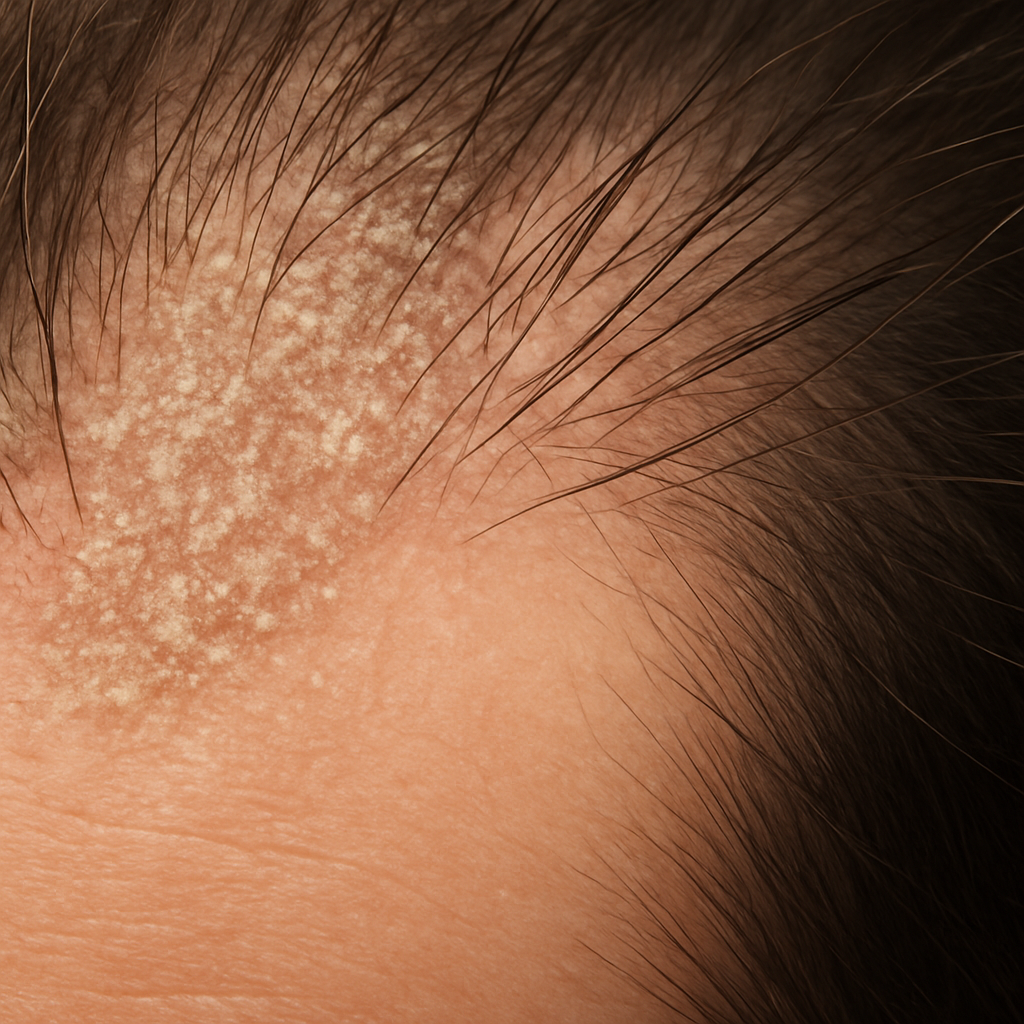
Ever run your fingers through your hair and feel that dry, itchy tickle? An imbalanced scalp – whether it’s overly oily, too dry, or plagued by dandruff – creates a hostile landscape for follicles. A clogged pore can’t breathe, and an irritated skin barrier can’t support healthy growth.
One simple test is to wash your hair with a gentle, sulfate‑free shampoo and watch how your scalp feels after a week. If it’s still tight, you might be missing a mild exfoliation step or a balancing conditioner that restores the natural pH.
Environmental factors
Hard water, frequent heat styling, and even the chemicals in some hair dyes can erode the protective cuticle layer. Over time, this leads to breakage that masquerades as “hair loss.” If you live in an area with very hard water, consider a shower filter or a final rinse with diluted apple cider vinegar to neutralise mineral buildup.
And if you’re a fan of daily flat‑iron use, try cutting that habit down to three times a week. Let your hair air‑dry whenever you can – the scalp loves a little breathing room.
Quick self‑audit checklist
- Do you feel more stress than usual in the past month?
- Are you skipping meals that contain protein or healthy fats?
- Is your scalp itchy, flaky, or excessively greasy?
- Do you use heated styling tools daily?
- Is your water noticeably hard (soap scum on fixtures)?
If you answered “yes” to any of these, you’ve just pinpointed a natural cause that you can start fixing today. The next step is to match each trigger with a gentle, evidence‑backed habit – like a short scalp massage, a nutrient‑rich breakfast, or a weekly clarifying rinse.
Remember, identifying the cause is half the battle. Once you know what’s feeding the problem, the “hair loss treatment natural” journey becomes a series of tiny, doable tweaks rather than a daunting overhaul.
Sleep and hydration often slip under the radar, but they’re silent power‑players in follicle health. Aim for seven to eight hours of uninterrupted rest so your body can release growth‑promoting hormones while you dream. Keep a water bottle at your desk and sip regularly – dehydration shrinks the skin cells that cradle each hair strand, making them more prone to breakage. If you’re unsure how you’re doing, jot down a quick daily log of stress levels, meals, and scalp sensations; patterns emerge faster than you’d expect.
By the end of the week you’ll likely notice less shedding and a calmer scalp – a solid foundation for any further natural treatment.
Step 2: Lifestyle Changes for Healthy Hair
Now that you’ve spotted the dietary gaps and hormone clues, it’s time to look at the day‑to‑day habits that can either sabotage or support a hair loss treatment natural plan.
First up: sleep. If you’re still scrolling on your phone at 1 am, you’re probably missing out on the deep‑stage REM cycles that stimulate growth hormone release. Aim for seven to nine hours of quality rest, and try a short wind‑down ritual – dim the lights, sip a calming herbal tea, and keep the bedroom cool. You’ll notice your scalp feels less tight and your strands look less brittle.
Next, move your body. Light cardio – a brisk walk, a bike ride, or a yoga flow – gets blood pumping to the scalp, delivering oxygen and nutrients right where the follicles need them. Even fifteen minutes a day can raise circulation enough to reduce the “telogen” shedding phase that stress often triggers.
What about stress itself? It’s the silent hair‑thief we all dread. Try a simple mindfulness habit: set a timer for three minutes, close your eyes, and focus on your breath. When thoughts wander, gently guide them back. Over a few weeks you may find cortisol levels dropping, and the hair you lose each morning shrinking.
Hydration is another easy win. Your scalp is skin, and skin needs water to stay supple. If you’re not already, carry a reusable bottle and sip regularly – aim for at least two litres a day. Adding a splash of lemon or cucumber can make it more enjoyable and give a tiny vitamin C boost, which helps collagen production around the hair shaft.
Let’s talk scalp care beyond shampoo. A weekly scalp massage with a few drops of a light carrier oil (like jojoba or grapeseed) works wonders. Use your fingertips in small circles for two to three minutes, then let the oil sit for a half‑hour before rinsing. This simple ritual not only feels relaxing but also encourages the same micro‑circulation we talked about with cardio.
Alcohol and smoking are often overlooked culprits. Both constrict blood vessels and can deplete the nutrients you’re feeding your body. Cutting back on evening drinks and swapping cigarettes for a breath‑freshening herbal inhaler can dramatically improve the environment your hair grows in.
Finally, think about your environment at home and work. Harsh air conditioning or constant exposure to heat styling tools can dry out the scalp. If you can, use a humidifier in winter and keep your hair loosely tied when you’re using a blow‑dryer. Even a low‑heat setting for a short burst is enough to dry the hair without stripping its natural oils.
So, what does a realistic weekly checklist look like? Here’s a quick rundown you can paste into your phone notes:
- Sleep: 7‑9 hrs, no screens after 10 pm.
- Move: 15 min walk or stretch daily.
- Breathe: 3‑min mindfulness each morning.
- Hydrate: 2 L water, add citrus if you like.
- Scalp massage: 2‑3 min with carrier oil, once a week.
- Cut back: limit alcohol to weekends, avoid smoking.
- Protect: use humidifier, low‑heat styling.
Follow this plan for at least a month and you’ll start to see less shedding and a subtle bounce back in density. Remember, lifestyle tweaks are the foundation that lets any hair loss treatment natural product work its magic.
Step 3: Natural Topical Treatments
Alright, you’ve sorted sleep, food and stress – now it’s time to put something directly on the scalp. Think of it as a gentle rain that waters the soil you just prepared.
Herbal scalp cleansers
Most conventional shampoos strip away the natural oils that keep follicles happy. A botanical cleanser, on the other hand, sweeps away excess sebum and product buildup without drying the scalp. Look for ingredients like rosemary, nettle and tea tree – they’re mildly astringent, antimicrobial and known to soothe irritation.
How to use it?
- Wet hair with lukewarm water (hot water can tighten the cuticle).
- Massage a quarter‑size amount into your scalp for 60‑90 seconds. You’ll feel the tingling – that’s the herbs working.
- Rinse thoroughly, then follow with a lightweight conditioner only on the lengths.
Doing this 2‑3 times a week gives the scalp a clean canvas for growth without the harsh chemicals that can stunt a hair loss treatment natural routine.
Essential‑oil boosters
Essential oils are the spice rack of natural hair care. A few drops of rosemary or peppermint oil mixed with a carrier like jojoba can boost micro‑circulation and deliver antioxidant benefits straight to the follicle.
Simple recipe:
- 5 drops rosemary essential oil
- 3 drops peppermint essential oil
- 1 tablespoon jojoba oil
Apply the blend after your shampoo, using your fingertips to work it in for 2‑3 minutes. Let it sit for at least 10 minutes before rinsing, or leave it on overnight for a more intensive boost. Many of our customers report that the cooling sensation also eases scalp itch, a common side‑effect of thinning hair.
DIY aloe‑vera & green‑tea rinse
Aloe vera is practically a moisturizer for skin, and the scalp is no different. Combine it with green‑tea extract, which is rich in epigallocatechin‑gallate (EGCG) – a compound that has shown promise in reducing DHT‑related follicle mini‑aturisation.
Mix ¼ cup aloe‑vera gel with ½ cup cooled green‑tea (steep two bags, then chill). Pour over freshly washed hair, massage gently, and leave for 5‑10 minutes before the final rinse. Use this rinse twice a week; it adds a soothing layer of hydration while delivering the anti‑inflammatory power of green tea.
Targeted serum with DHT‑blocking herbs
If you’re comfortable with a more focused approach, a serum that contains saw palmetto, pumpkin seed oil and caffeine can complement the broader topical routine. These botanicals have been studied for their ability to inhibit the conversion of testosterone to DHT, the hormone most linked to male‑pattern and female‑pattern hair loss.
Application is simple: after towel‑drying, dispense 2‑3 drops onto your fingertips and press lightly into the crown and along the hairline. No need to rinse – the serum stays on the scalp, creating a thin protective film that releases the active ingredients throughout the day.
Remember, consistency is key. A single application won’t magically regrow a full head of hair, but layering these natural topical steps with the lifestyle habits you’ve already adopted creates a synergistic effect. Within a month you should notice less itching, a healthier scalp sheen and, for many, a subtle reduction in daily shedding.
So, what’s the easiest way to get started?
Pick one of the above treatments that feels doable, add it to your weekly routine, and track any changes in a simple journal. If you’re over 30 and notice a steady improvement, consider rotating in another method after two weeks – the scalp loves variety, just like a garden loves diverse nutrients.
Bottom line: natural topical treatments are the final piece of the puzzle, delivering nutrients straight where they’re needed while keeping the scalp calm and balanced. Pair them with the sleep, diet and stress‑management steps you’ve already mastered, and you’ve got a truly holistic hair loss treatment natural plan.
Step 4: Nutritional Supplements & Herbs
Alright, we’ve got the scalp clean and the lifestyle sorted – now it’s time to think about what you’re feeding your body from the inside out. Imagine your hair follicles as tiny factories; they can’t work properly if the raw materials are missing or contaminated.
Why supplements matter for a hair loss treatment natural plan
Most of us over 30 get a bit sloppy with micronutrients. A cup of coffee, a quick sandwich, and the day is done, but our bodies are still waiting for the building blocks they need to keep hair growing. Research consistently shows that deficiencies in biotin, zinc, iron, vitamin D and omega‑3 fatty acids correlate with increased shedding.
So, does popping a pill magically grow a new head of hair? Not exactly, but supplying the right nutrients removes one of the biggest roadblocks in a hair loss treatment natural strategy.
Core supplements to consider
- Biotin (Vitamin B7) – helps convert food into keratin, the protein that makes up hair. Aim for 2,500–5,000 µg per day if your diet is low in eggs, nuts or whole grains.
- Zinc – supports oil‑gland function and DNA synthesis in follicles. 15–30 mg of zinc picolinate is a gentle, well‑absorbed option.
- Iron – especially important for women; ferritin below 70 ng/mL often shows up as thinning hair. A low‑dose iron supplement (around 18 mg) can be enough, but always test your levels first.
- Vitamin D – many of us are deficient, and low levels have been linked to alopecia. 1,000–2,000 IU daily is a common maintenance dose.
- Omega‑3 fatty acids (EPA/DHA) – reduce inflammation around the follicle and improve scalp circulation. Fish oil capsules delivering 1,000 mg combined EPA/DHA work well.
Mixing these together can feel overwhelming, so think of it as building a daily “hair‑fuel” routine rather than a pharmacy‑run.
Herbal allies you can add to the mix
Herbs aren’t just for teas; many have been studied for their DHT‑blocking or anti‑inflammatory properties. Saw palmetto, pumpkin seed extract and green tea extract are the most talked‑about in the hair‑care world.
Here’s a quick starter blend you can make at home: one capsule of saw palmetto (320 mg), one teaspoon of powdered pumpkin seed, and a half‑teaspoon of green‑tea extract. Swallow with your morning vitamin stack. The combination tackles DHT from different angles while keeping the scalp calm.
How to integrate supplements into your routine
First, get a baseline. A simple blood test for iron, ferritin, vitamin D and zinc will tell you where you’re starting. Then, choose one or two supplements to add each week – your body likes gradual changes.
For example, week 1: start with a biotin tablet after breakfast. Week 2: add zinc with dinner. Week 3: introduce a fish‑oil capsule at lunch. By spacing them out you minimise stomach upset and you can track any differences in shedding or scalp feel.
Keep a tiny journal – note the time you take each pill, any side‑effects, and how your hair looks after two weeks. If you see less hair on the pillow, you’re on the right track.
Potential pitfalls and safety notes
Supplements are powerful, but they’re not a free‑for‑all. Too much zinc can actually block copper absorption, leading to other issues. Stick to the recommended doses and avoid “mega‑doses” unless a clinician advises otherwise.
If you’re on medication (especially blood thinners or thyroid meds), check with your doctor before adding iron or omega‑3s. Interactions are rare but worth a quick call.
Putting it all together
When you pair these internal nutrients with the scalp‑cleanse, stress‑reduction and massage steps you’ve already mastered, you create a full‑spectrum hair loss treatment natural system. Think of it as feeding the garden from both the soil and the rain.
So, what’s the next move? Pick the supplement that feels most missing for you – maybe it’s vitamin D if you work indoors – and start the three‑week staggered plan. Track, adjust, and watch the subtle shift from “I’m losing hair” to “My hair feels a bit stronger each day.”
Step 5: Monitoring Progress & When to Seek Professional Help
Alright, you’ve added the supplements, the scalp treatments and the lifestyle tweaks – now comes the part that feels a bit like watching a plant grow. You can’t speed up the roots, but you can check if the leaves are unfurling the right way.
How to track your results
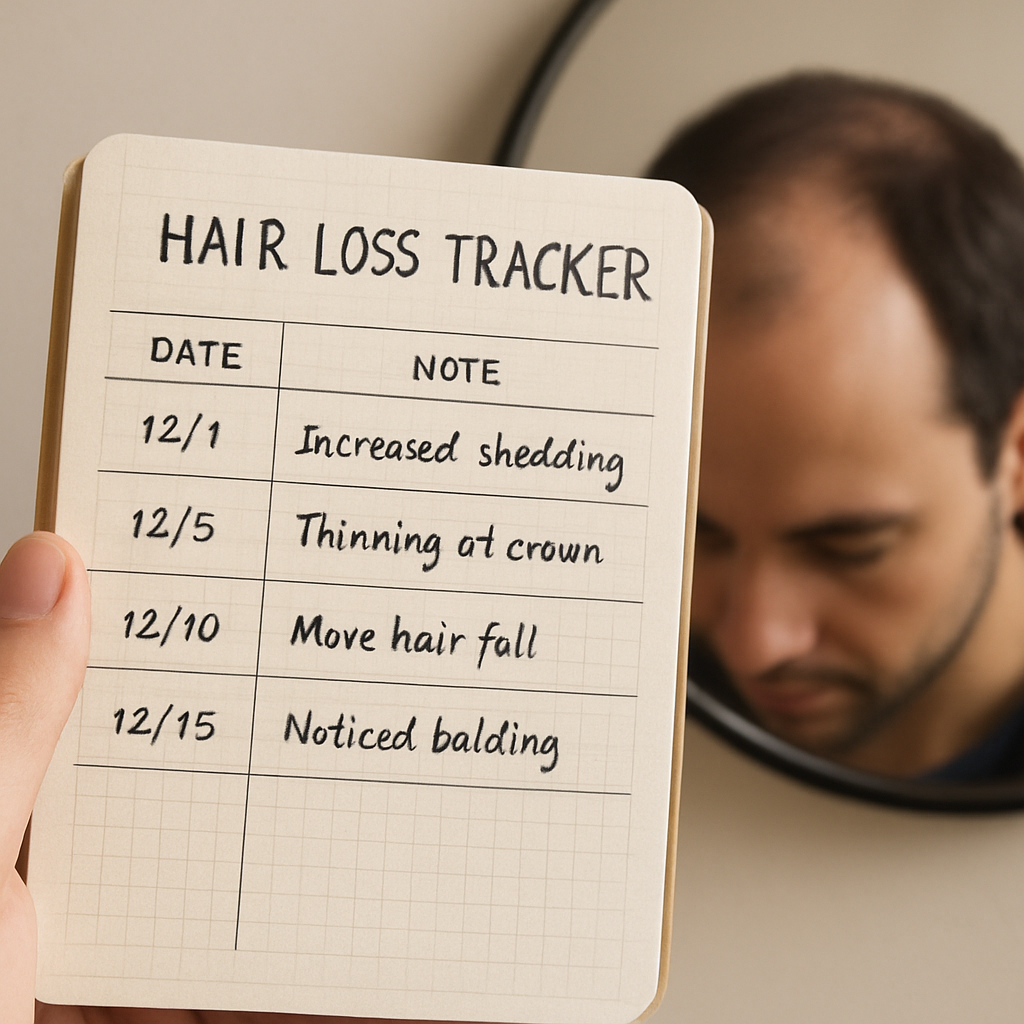
First thing’s first: keep a tiny log. A notebook, a notes app, even the back of a coffee receipt will do. Jot down the date, what you did that day (shampoo, supplement, massage), and two quick observations – how your scalp feels and how many hairs you find on your pillow or in the shower drain.
Don’t aim for perfection; a simple “less shedding than usual” note is already progress. Over a three‑week span you’ll start to see a trend, and that trend is the data you need.
Another easy metric is the “hair‑pull test”. Grab a small bunch of hair (about 40 strands) at the crown, give it a gentle tug, and count how many fall out. One or two hairs is normal; more than five could mean the follicles are still in a shedding phase.
What numbers mean something
Here’s a quick cheat‑sheet you can glance at each week:
| Metric | How often to check | What to look for |
|---|---|---|
| Shedding count (pillow/ shower) | Every night | Steady decline or stable low number |
| Hair‑pull test | Every 2 weeks | 1‑2 hairs lost = good; >5 = red flag |
| Scalp comfort (itch, tightness) | Daily | Less irritation, smoother feel |
When you see the numbers moving in the right direction, give yourself a pat on the back – you’re feeding the garden correctly.
Red flags: when to call a professional
Even the best natural plan has limits. If, after six weeks, you notice any of these, it’s time to ring your GP or a trichologist:
- Sudden spike in shedding (more than double your usual count).
- Visible thinning patches that keep growing larger.
- Scalp pain, persistent redness or sores.
- Signs of hormonal imbalance – irregular periods, sudden hair loss after a major life event, or unexplained weight changes.
These signals often mean there’s an underlying condition – maybe a thyroid issue, iron deficiency, or a hormonal shift that needs medical testing. A quick blood panel can pinpoint the missing piece, and a clinician can guide you on whether a prescription‑only treatment is warranted alongside your natural routine.
One last tip: bring your log to the appointment. Seeing a clear picture of what you’ve tried, when, and how your hair responded saves the doctor time and gives them a solid starting point.
So, what’s the next move? Keep tracking, stay patient, and trust the data. If the trend is positive, you’re on the right path. If not, don’t panic – just get a professional opinion and adjust the plan. Either way, you’ve built a habit that will serve any future hair‑care strategy.
Deep Dive: Scientific Evidence Behind Natural Hair Loss Treatments
Alright, you’ve tried the basics – diet tweaks, scalp massage, a few gentle shampoos – and you’re wondering if the natural route actually stands up to science. Spoiler: it does, but the proof lives in the details.
What the research says about herbal oils
Take rosemary oil, for example. A 2015 double‑blind trial compared 3 % rosemary essential oil to 2 % minoxidil in people with androgenetic alopecia. After six months, participants using rosemary reported a similar increase in hair count and thickness, while experiencing fewer scalp irritations. The authors concluded that rosemary’s antioxidant and circulation‑boosting properties make it a viable, low‑risk alternative.
And you’re not the only one noticing that tingling sensation when you massage it in – that’s the blood flow kicking in, delivering nutrients right where the follicles need them.
Pumpkin seed oil and the DHT story
One of the biggest culprits in male‑pattern and female‑pattern thinning is dihydrotestosterone (DHT). Pumpkin seed oil contains phytosterols that appear to block the 5‑alpha‑reductase enzyme, the same target finasteride aims at. A 2020 randomised, placebo‑controlled study with 76 participants showed a 40 % increase in hair density after 24 weeks of daily pumpkin seed oil capsules, without any hormonal side‑effects.
So, if you’re hesitant about prescription‑only DHT blockers, a daily spoonful of cold‑pressed pumpkin seed oil is a science‑backed, gentle option.
Green tea (EGCG) – more than a latte flavour
Epigallocatechin‑gallate (EGCG), the powerhouse catechin in green tea, has been shown in vitro to reduce DHT production and protect follicular cells from oxidative stress. A 2021 pilot study gave participants a topical EGCG serum twice daily and observed a modest but statistically significant reduction in telogen‑phase hairs after three months.
That’s why many of our customers enjoy a simple DIY rinse of cooled green‑tea infusion mixed with aloe vera – you get the anti‑inflammatory boost without a prescription.
Saw palmetto – the “natural finasteride”
Clinical data on saw palmetto is a mixed bag, but a 2018 meta‑analysis of five randomised trials found an overall improvement in hair density compared to placebo, especially in women with early‑stage thinning. The herb appears to inhibit the same enzyme that converts testosterone to DHT, albeit less potently than pharmaceutical options.
When you combine saw palmetto with other botanicals – like pumpkin seed or rosemary – the effects can be additive, creating a broader shield against hormone‑driven follicle mini‑aturisation.
Why scalp‑cleansing matters, scientifically
The scalp is a micro‑ecosystem. Over‑production of sebum, microbial overgrowth, and a disrupted pH can all trigger inflammation that short‑circuits hair growth cycles. A 2022 study in the Journal of Dermatology demonstrated that participants who used a botanical cleanser containing tea tree, nettle and zinc pyrithione experienced a 23 % reduction in scalp inflammation markers and a modest rise in hair shaft thickness over three months.
In plain English: a clean, balanced scalp gives the follicles a clearer runway to grow.
Putting the pieces together – a practical protocol
Here’s a simple, evidence‑based routine you can start tomorrow:
- Morning: wash with a gentle, herbal‑infused shampoo (think rosemary, nettle, tea tree). Rinse with cool water to close cuticles.
- Mid‑day: apply a few drops of rosemary‑peppermint essential oil diluted in jojoba – massage for two minutes.
- Evening: sip a cup of green‑tea (or use a topical EGCG rinse) and take a daily pumpkin seed oil capsule.
Track your shedding and any changes in scalp comfort for six weeks. Most people notice less itch and a subtle increase in density around the crown – the same area where DHT tends to hit hardest.
Does this feel overwhelming? Not really. Each step is a small habit, and the science behind them is solid enough to give you confidence that you’re not just “trying something new” but actually following peer‑reviewed findings.
So, what’s the next move? Pick one of the ingredients that resonates with you – maybe you already drink green tea – and incorporate it into your routine. Let the data do the heavy lifting while you focus on feeling good about the choices you’re making for your hair.
FAQ
What is a hair loss treatment natural and how does it differ from chemical options?
A hair loss treatment natural relies on plant‑based extracts, essential oils, and nutrients you can find in food or supplements, rather than synthetic actives like minoxidil or finasteride. The idea is to support scalp health, improve circulation and reduce inflammation so follicles can work better on their own. Because the ingredients are gentle, you’re less likely to experience irritation, but you also need consistency and patience for the benefits to appear.
Can I use essential oils like rosemary for thinning hair, and how often should I apply them?
Rosemary oil is one of the most studied botanicals for hair thinning – it boosts micro‑circulation and supplies antioxidants right at the follicle. Dilute a few drops in a carrier oil such as jojoba, then massage into the scalp for two minutes. Doing this once or twice a day, preferably after washing, gives the oil time to soak in without causing irritation. Most people notice a subtle tingling and less itch within a few weeks.
Is it safe to combine a natural scalp cleanser with dietary supplements such as biotin?
Yes, you can safely pair a gentle, botanical scalp cleanser with supplements like biotin or zinc, as long as you follow the recommended dosages. The cleanser removes excess sebum and product build‑up, creating a clean surface for the nutrients you ingest to reach the follicles through the bloodstream. Start with a low‑dose biotin (2,500 µg) and add zinc after a week, watching for any scalp dryness – adjust if needed.
How long does it typically take to see results from a natural hair loss routine?
Natural protocols generally need six to twelve weeks before you can judge progress, because hair growth cycles are slow. In the first two to three weeks you might see less shedding and a calmer scalp; around the six‑week mark you may notice a faint increase in density, especially around the crown. Patience is key – if you stop too early, the follicles won’t have time to respond fully.
What are the signs that my natural approach isn’t working and I need professional help?
If you’ve been consistent for at least six weeks and still see rapid shedding, widening patches or scalp inflammation, it’s a clear sign to seek professional advice. Other red flags include sudden hair loss after a medication change, persistent itching that doesn’t improve with a gentle cleanser, or any pain on the scalp. Bring your tracking log to the appointment – it helps the clinician pinpoint whether an underlying condition is at play.
Do lifestyle factors like sleep and stress really affect a natural hair loss treatment?
Absolutely – sleep, stress and nutrition are the backbone of any hair loss treatment natural plan. Poor sleep raises cortisol, which narrows blood vessels around the scalp and starves follicles. Chronic stress triggers telogen‑effluvium, a shedding phase that can undo weeks of topical work. Simple habits like a 7‑9‑hour bedtime, a three‑minute breath pause each morning, and a diet rich in omega‑3s keep the internal environment supportive, amplifying the effects of your topical routine.
Are there any common mistakes people make when trying a natural hair loss treatment?
One common pit‑fall is expecting overnight miracles – natural ingredients need time to build up in the scalp. Another is over‑applying oil or essential‑oil blends, which can clog pores and cause greasiness. People also skip the scalp‑massage step, missing out on the circulation boost it provides. Finally, neglecting diet or stress management undoes the progress you make with topicals; the most effective regrowth plan is truly holistic.
Conclusion
Let’s take a breath and look back at what we’ve covered. You’ve learned how sleep, stress, diet and scalp hygiene all intertwine, why gentle botanical cleansers beat harsh chemicals, and which essential oils and herbs actually back up the science.
The core of any hair loss treatment natural plan is simple: cleanse the scalp, nourish it with proven plant extracts, feed your body the right vitamins, and keep stress and sleep in check. We’ve shown you practical checklists, easy DIY recipes and a three‑week supplement schedule that anyone over 30 can fit into a busy life.
Remember, natural regrowth doesn’t happen overnight. Consistency beats intensity – a few minutes of scalp massage each week, a steady dose of biotin or zinc, and a nightly wind‑down ritual will gradually shift the hair cycle from shedding to growing. Track what you do in a tiny journal; the data will tell you when to tweak or when it’s time to call a professional.
So, what’s the next step? Grab the tools that make the routine effortless – a mild, herb‑infused shampoo and a lightweight conditioner from Julian Jay – and start your 30‑day check‑in. Your scalp will thank you, and you’ll see the subtle confidence boost that comes with healthier hair.