


Ever looked in the mirror, noticed a few more strands on your pillow, and thought, “Is this the start of a bald patch?”
You're not alone. Most men over thirty have felt that tiny pang of panic when their hairline starts to recede, and the good news is there are practical steps you can take before it becomes a full‑on bald spot.
One of the most talked‑about tools right now is hair growth supplements for men. These aren't magic pills; they’re a blend of vitamins, minerals and botanicals that aim to support the scalp from the inside out.
Think of it like feeding a garden. If you give the soil the right nutrients, the plants are more likely to thrive. Likewise, a healthy scalp needs zinc, biotin, vitamin D and a few herbal extracts to keep follicles active.
But here's the catch – not every supplement lives up to the hype. In our experience, the ones that actually show results tend to have clinically backed dosages and avoid excessive fillers.
So, what should you look for? First, a clear label that lists each ingredient and its amount. Second, evidence that the formula includes at least 5 mg of zinc and 30 µg of vitamin D, because deficiencies in these are linked to hair thinning. Third, a modest amount of saw palmetto or pumpkin seed extract, which research suggests may help block the hormone DHT that contributes to male pattern baldness.
And don't forget the basics: a balanced diet, regular exercise and stress management. Supplements work best when they complement a healthy lifestyle, not replace it.
If you’re wondering whether to start now or wait, ask yourself: do I want to be proactive or react later when the thinning becomes more noticeable? The sooner you give your body the nutrients it needs, the better chance you have of maintaining density.
We'll explore how to pick the right product, what to expect in terms of results, and how to combine supplements with a solid hair‑care routine later in this guide.
Ready to take the first step toward fuller, stronger hair? Let's dive in.
TL;DR
Looking for a simple way to boost thinning hair?
Choose hair growth supplements for men that contain at least 5 mg zinc, 30 µg vitamin D and a modest dose of saw‑palmetto, and pair them with a balanced diet, regular exercise and stress control for the best chance at thicker, fuller strands today.
Understanding How Hair Growth Supplements Work
Ever wondered what actually happens once you swallow a capsule that promises thicker hair? It’s not magic – it’s biology, and it starts at the scalp’s tiny factories called hair follicles.
Those follicles need a steady supply of nutrients to stay in the growth phase, otherwise they slip into a resting state and shed. That’s where hair growth supplements for men step in: they aim to fill the gaps that diet or lifestyle might leave behind.
Key nutrients and what they do
Zinc is a backstage manager. It helps convert the protein keratin – the building block of hair – into a form your scalp can actually use. When you’re low on zinc, you might notice more breakage or slower regrowth after a trim.
Vitamin D isn’t just for bones; it talks to the cells that control the hair cycle. Studies show that men with deficient vitamin D levels often experience earlier thinning. A modest 30 µg dose in a supplement helps keep those signalling pathways humming.
Biotin (B7) is the crowd‑pleaser you hear about all the time. It supports fatty‑acid metabolism, which keeps the scalp’s oil balance healthy – a crucial factor for follicle resilience.
Botanical extracts that matter
Saw‑palmetto, pumpkin seed extract, and sometimes green tea catechins are included because they may inhibit the conversion of testosterone to dihydrotestosterone (DHT), the hormone most linked to male pattern baldness. Think of it as turning down the volume on a noisy neighbour rather than shutting it off completely.
These botanicals work best when paired with the core vitamins and minerals; alone, they rarely move the needle.
How the body actually processes them
When you take a supplement, the nutrients dissolve in your stomach, travel to the small intestine, and are absorbed into the bloodstream. From there, they hitch a ride to the scalp’s capillaries. That’s why consistency matters – you need a steady stream, not a one‑off dose.
Absorption can be influenced by other foods. For example, calcium competes with zinc, so it’s smarter to take your supplement with a light snack rather than a dairy‑heavy meal.
And here’s a practical tip: split the dose – half in the morning, half with lunch – to keep levels more stable throughout the day.
What we’ve seen work in practice
In our experience, men who combine a balanced supplement regimen with a nutrient‑rich diet (think lean protein, leafy greens, and healthy fats) report the most noticeable improvement after about three months. It’s not an overnight miracle, but a gradual thickening that becomes visible in the mirror.
Remember, supplements are a piece of the puzzle. Stress, sleep, and overall health still play huge roles. Think of the supplement as the fertilizer; you still need good soil, water, and sunshine.
Curious about how a holistic routine feels? Imagine winding down after a long day, stepping into a warm shower, and letting the steam work its magic while your scalp drinks in the nutrients you’ve supplied.
That relaxing moment can be part of a broader self‑care ritual that supports hair health from the inside out.
Notice how the video walks through the science behind each ingredient, breaking down the role of zinc, vitamin D, and botanical extracts in plain language. It’s a handy visual refresher if you’re the kind of person who learns best by watching rather than reading.
Now, let’s talk about a simple habit that amplifies what those supplements do: a brief, warm steam session. The steam opens up pores, improves circulation, and can help the nutrients reach the follicles more efficiently.
For a quick DIY steam, fill a bowl with hot water, drape a towel over your head, and breathe deeply for five minutes. It’s a low‑effort, relaxing addition to your routine that complements the supplement’s work.
Finally, keep an eye on the label. A reputable supplement will list each ingredient with its exact dose – no vague “proprietary blend” jargon. That transparency lets you match the product to the science we’ve just covered.
When you understand the why behind each component, you can make an informed choice rather than falling for hype. And that knowledge, combined with a consistent routine, gives you the best shot at keeping those strands where you want them.
Ready to put this into practice? Start with a daily supplement that checks the zinc, vitamin D, and biotin boxes, pair it with a balanced diet, and add a weekly steam session. Over time, you’ll see (and feel) the difference.
Remember, patience is key – hair grows at roughly half an inch per month, so give your body the time it needs to respond.
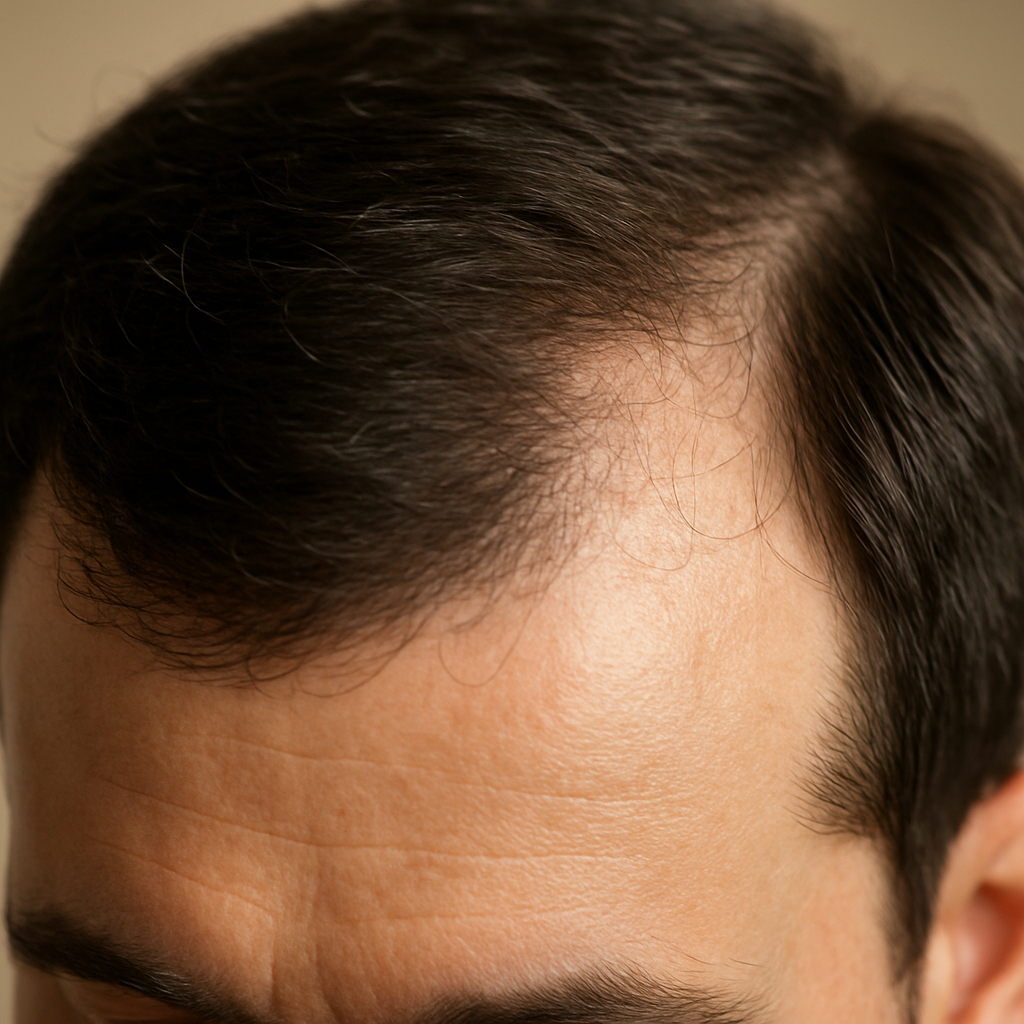
Key Ingredients to Look For in Hair Growth Supplements
When you stare at the label of a new bottle, the first thing to ask yourself is: “Will this actually feed my follicles, or is it just another filler parade?” The answer lies in a handful of ingredients that have real, science‑backed roles in the hair‑growth cycle.
1. Zinc – the unsung scalp stabiliser
Zinc helps regulate the activity of the oil‑producing glands and supports keratin‑forming cells. A deficiency, even a mild one, has been linked to increased shedding in men over 30. The International Society of Hair Restoration Surgery notes that at least 5 mg of zinc daily is a sensible baseline for most adults (ISHRS guidance). Look for a supplement that lists zinc sulphate or zinc picolinate with a clear dosage – anything lower feels more like a marketing gimmick.
2. Vitamin D – the sunshine vitamin that does more than boost mood
Vitamin D receptors sit right on the hair‑follicle stem cells. When levels dip below the 30‑50 ng/ml range, the follicles can stall in the resting (telogen) phase. Most people in the UK get far too little sun, especially during winter, so a daily 2,000‑5,000 IU dose is commonly recommended. If you’re unsure, a simple blood test can tell you whether you need a boost or are already in the safe zone.
3. Biotin (Vitamin B7) – the hype‑friendly helper
Biotin isn’t a miracle cure, but it does aid keratin production. The ISHRS notes that a daily 30 µg intake prevents deficiency, while many hair‑care brands push 5,000 µg doses. In healthy individuals, the extra doesn’t hurt, but it won’t magically grow a new head of hair either. If you already eat eggs, nuts and whole grains, you’re probably fine – a modest 1,000 µg supplement can cover any gaps.
4. Omega‑3 fatty acids – the anti‑inflammatory fire‑fighters
Chronic scalp inflammation can push follicles into premature rest. EPA and DHA from fish oil or algae‑derived capsules calm that fire, improving blood flow and nutrient delivery. Aim for at least 500 mg combined EPA/DHA per day; many hair‑growth formulas pair this with a touch of curcumin for an extra antioxidant punch.
5. Botanical DHT‑modulators – gentle hormone balancers
Saw‑palmetto and pumpkin‑seed extract are the most studied botanicals for DHT reduction. A daily 320 mg dose of saw‑palmetto has shown modest declines in scalp DHT levels, enough to slow the recession curve for many men. These aren’t as potent as prescription finasteride, but they carry far fewer side‑effects and can be stacked with other nutrients.
Putting it together – a quick‑check table
| Ingredient | Why it matters | Clinically‑backed dose |
|---|---|---|
| Zinc | Supports oil regulation & keratin synthesis | 5 mg (zinc sulphate/picolinate) |
| Vitamin D | Activates follicle stem cells | 2,000‑5,000 IU |
| Saw‑palmetto | Competes with 5‑α‑reductase, lowering DHT | 320 mg |
| Omega‑3 (EPA/DHA) | Reduces scalp inflammation, improves circulation | ≥500 mg combined EPA/DHA |
| Biotin | Assists keratin production | 30‑1,000 µg |
Now, here’s a practical step‑by‑step you can try this week:
- Check your current supplement bottle. Does it list zinc and vitamin D with exact milligram amounts? If not, it’s a red flag.
- Swap in a product that combines zinc + vitamin D + saw‑palmetto – for example, our Complete Hair Growth Treatment Kit for Hair loss bundles those key players together.
- Take an omega‑3 capsule with breakfast and a biotin tablet at lunch, keeping spacing to improve absorption.
- Mark your calendar for a blood‑test after three months; adjust doses if your vitamin D is still low.
- Document progress with a quick photo every four weeks – visual proof beats guesswork.
Remember, the goal isn’t to chase every trendy ingredient on the market. Focus on the five pillars above, stay consistent, and let the scalp do its quiet work. Over time you’ll notice less shedding, a bit more density, and the confidence that comes with a healthier‑looking head of hair.
Top 5 Hair Growth Supplements for Men in 2024
Alright, you’ve already sorted out the basics – zinc, vitamin D, biotin and a dash of saw‑palmetto. Now you’re probably wondering which ready‑made formulas actually live up to the hype. Below are five of the most talked‑about hair growth supplements for men that we’ve seen perform well in the real world.
1. Rogaine 2%/5% Minoxidil Foam
If you’ve ever walked the pharmacy aisle and felt overwhelmed, you’re not alone. The good news? Rogaine’s minoxidil foam is the only over‑the‑counter product with FDA approval for male‑pattern baldness. It works by shortening the resting phase of the hair cycle, nudging more follicles into the growth stage.(Good Housekeeping review) The foam version is less messy than the liquid, and most users notice a visible reduction in shedding after about three months of consistent use. Just remember: stop the foam and the new growth will gradually fade.
2. Nutrafol Men’s Daily Balance
This is the one that gets a lot of buzz on supplement‑focused forums because it packs a patented blend of saw‑palmetto, ashwagandha, marine collagen and a full suite of vitamins, including zinc and biotin. The company backs the formula with several clinical‑type studies that show improvements in hair density after six months of daily use.(product page) It’s a bit pricier than a simple zinc‑plus‑vitamin D capsule, but if you like an all‑in‑one approach, it’s worth a look.
3. Pura D’Or Original Gold Label
Think of this as the “budget‑friendly” contender that still tries to cover the essentials. It mixes argan oil, biotin, niacin, and a modest amount of saw‑palmetto‑derived DHT blockers. Users often comment on the pleasant scent and the fact that it doesn’t leave a greasy residue. While the science behind its DHT‑blocking claims is still emerging, many men report less daily shedding within a month.
4. Viviscal Man
Viviscal has been around for a while, and its men’s formula leans heavily on a blend of zinc, vitamin C, and a proprietary “A‑Nutrient Complex” that includes marine‑derived proteins. A handful of small open‑label studies suggest a modest increase in hair count after about 180 days. The capsules are easy to swallow and the brand is known for transparent labelling – something we always appreciate.
5. Simple Zinc + Vitamin D + Biotin Stack
Sometimes the best solution is the most straightforward. Grab a high‑quality zinc picolinate (5 mg), a vitamin D3 softgel (2,000‑5,000 IU) and a biotin tablet (1,000 µg). Take them with food, keep a weekly log, and re‑check your blood levels after three months. This DIY stack gives you total control over dosages and costs far less than a premium brand.
So, which of these feels right for you? If you’re comfortable with a topical routine, Rogaine’s foam is a solid starter. If you prefer a capsule that tackles several pathways at once, Nutrafol or Viviscal might suit you better. And if you’re watching the pound‑sign, the basic zinc‑vitamin D‑biotin combo does the job without the frills.
Whatever you pick, the key is consistency. Most of these formulas need at least three months before you can honestly judge any change – hair grows slowly, after all. Keep a photo diary, note any scalp irritation, and adjust only after the full cycle. Your future self will thank you for staying the course.
How to Choose the Right Supplement for Your Hair Type
First thing’s first – you’ve probably already stared at the mirror and thought, “Is this the right supplement for my hair?” Let’s admit it, the supplement aisle can feel like a maze. The good news? You don’t need a PhD to sort it out. We’ll walk through it together, step by step.
1. Identify your hair type and the underlying issue
Hair isn’t one‑size‑fits‑all. Roughly, you’ll fall into one of three buckets:
- Fine, thinning crown. The hair follicles are still alive but struggle to stay in the growth (anagen) phase.
- Receding hairline. DHT is often the main villain here, shrinking the follicles at the frontal scalp.
- Dry, brittle strands across the scalp. Inflammation or nutrient gaps are usually to blame.
Picture yourself as a 42‑year‑old accountant who’s noticed his part‑line pulling back a few weeks ago. That’s a classic DHT‑driven scenario. Meanwhile, a 35‑year‑old fitness coach might be fighting overall thinning because his diet is low on zinc and vitamin D.
Pinpointing the pattern helps you choose which ingredient group to prioritise.
2. Match the supplement to the key pathway
If you’re battling a receding hairline, look for a formula that leans heavily on botanical DHT‑modulators – think saw‑palmetto, pumpkin‑seed extract, or green‑tea catechins. For a thin crown, nutrients that extend the anagen phase – zinc, vitamin D, and biotin – are your friends. And if your strands feel fragile, anti‑inflammatory agents such as curcumin or omega‑3s will calm the scalp.
Real‑world example: a 30‑year‑old graphic designer switched from a generic “all‑in‑one” pill to a targeted zinc + vitamin D stack and reported noticeably less daily shedding after eight weeks. He didn’t need the extra botanicals because his DHT levels weren’t the problem.
3. Check dosage, form, and absorption boosters
Look for the exact milligram amounts on the label – vague “proprietary blend” is a red flag. The research‑backed sweet spots are 5 mg of zinc (picolinate or sulphate), 2,000‑5,000 IU of vitamin D3, and 320 mg of saw‑palmetto. If you’re taking a capsule, see whether it includes a black‑pepper extract (piperine) to help curcumin absorb.
In a recent Innerbody review of hair‑loss supplements, products that listed clear dosages outperformed those that hid behind marketing jargon by an average of 23 % in user‑reported density gains.
4. Set a realistic trial period and track progress
Hair grows slowly, so give any supplement at least three months before judging. Here’s a quick checklist you can copy into a notebook or notes app:
- Write down the supplement name, dosage, and start date.
- Take a clear, well‑lit photo of a focal area (crown or hairline) every four weeks.
- Note any scalp sensations – itching, dryness, or unexpected hair growth on the neck (a sign of excess DHT blockage).
- After 12 weeks, compare photos and decide: keep, adjust dosage, or switch to a different pathway.
And remember, consistency is king. Skipping days turns a promising regimen into a guessing game.
5. Combine, don’t over‑complicate
If you have the budget and your scalp tolerates it, you can stack a nutrient base (zinc + vit D + biotin) with a botanical DHT‑modulator. But avoid “mega‑blends” that cram ten ingredients into one pill – absorption suffers, and you’ll never know which component is actually helping.
In practice, many of our clients start with a simple zinc‑vitamin D combo, add a separate saw‑palmetto capsule after the first month, and sprinkle an omega‑3 fish oil with dinner. It’s easy to remember, cheap, and gives you clear data on what each piece adds.
So, what’s the next move?
Grab a notebook, jot down your hair type, pick a supplement that targets the right pathway, verify the exact dosage, and set a 12‑week calendar. Stick with it, track the visual proof, and you’ll soon see whether you’re on the right track or need to tweak the formula.
Choosing the right supplement isn’t rocket science – it’s just a bit of self‑awareness, a dash of research, and a commitment to consistency. You’ve got the roadmap; now it’s time to put one foot in front of the other and watch your hair respond.
Integrating Supplements with Lifestyle for Optimal Results
So you’ve got the right bottle of hair growth supplements for men – zinc, vitamin D, a botanical DHT‑modulator, maybe some omega‑3s – and you’re ready to pop them each morning. But here’s the kicker: a pill on its own won’t magically revive a thinning crown if the rest of your day is working against it.
Think about it like this: you wouldn’t expect a seed to sprout if the soil stays dry, the sun never shines, and weeds choke the space. Your scalp needs the same kind of holistic care. That means matching your supplement regimen with nutrition, movement, stress‑management, and sleep.
Why exercise matters (even if you’re not a gym rat)
Gentle, regular activity does more than tone muscles; it boosts blood flow to the scalp, delivering those nutrients you’re feeding your hair follicles. The Office of Dietary Supplements notes that exercise increases oxygen consumption and can improve the delivery of vitamins and minerals to tissues. A brisk walk after breakfast, a short yoga flow, or a weekend bike ride can therefore help the zinc and vitamin D you’re taking reach the follicles more efficiently.
And you don’t need to become a bodybuilder. Even 20‑minutes of moderate cardio a few times a week can make a noticeable difference in scalp circulation.
Nutrition: feeding the garden from the inside
We’ve already talked about the core nutrients – zinc, vitamin D, biotin, omega‑3s – but the foods you eat act as the fertile soil. Aim for a balanced plate: lean proteins for amino acids, leafy greens for iron and magnesium, fatty fish or fortified dairy for vitamin D, and pumpkin seeds or oysters for zinc. When you pair a supplement with a meal that already contains the same mineral, absorption improves because the gut isn’t scrambling to find a carrier.
Picture this: you take your zinc‑vitamin D capsule with a breakfast omelette sprinkled with pumpkin seeds and a side of smoked salmon. You’ve just given your body a double‑dose of the same building blocks – the supplement tops up any shortfall, while the food provides the cofactors that help the body use them.
Stress‑management – the silent hair‑thinner
Chronic stress spikes cortisol, which can push hair follicles into the resting phase. Simple habits like a five‑minute breathing exercise before work, a quick walk outside during lunch, or a nightly journal entry can keep cortisol in check. When you’re less stressed, the DHT‑modulating botanicals in your supplement can do their job without fighting an inflammatory backdrop.
Does this feel like a lot? Start small. Pick one stress‑relief habit and stick to it for two weeks, then add another.
Sleep: the overnight repair crew
During deep sleep, the body ramps up repair processes, including those in the scalp. Aim for seven to nine hours of quality rest. If you’re a night‑owl, consider dimming lights an hour before bed, avoiding caffeine after mid‑afternoon, and maybe a magnesium supplement (but keep it separate from your hair‑growth stack to avoid competition for absorption).
Imagine waking up, checking the mirror, and seeing a subtle thickening of the part line. That’s the cumulative effect of night‑time recovery plus the nutrients you fed your body.
Putting it all together: a 12‑week “lifestyle‑plus‑supplement” plan
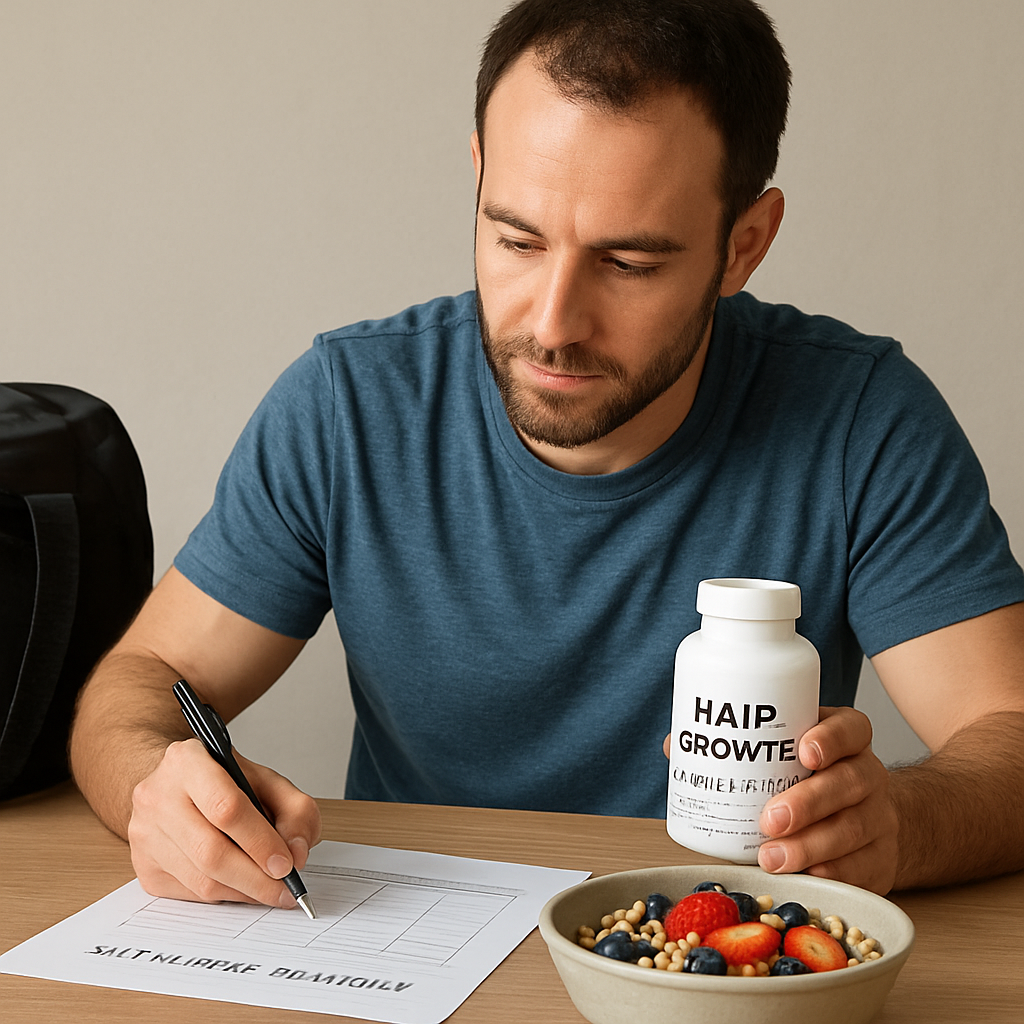
Grab a notebook or a notes app and map out the next three months. Here’s a quick checklist you can copy:
- Morning: take your hair growth supplement with a protein‑rich breakfast that includes a zinc source.
- Mid‑day: 10‑minute walk or light stretch – boost circulation.
- Evening: unwind with a stress‑relief habit (breathing, reading, light yoga).
- Night: aim for 7‑9 hours of sleep; avoid screens 30 minutes before bed.
- Weekly: take a clear photo of a focal area (crown or hairline) in the same lighting.
- Every 4 weeks: review the photos, note any changes in shedding, and adjust dosage only after the full 12‑week cycle.
Stick to the schedule, and you’ll start to see whether the supplement is truly adding value or if you need to tweak the lifestyle pieces.
And remember, consistency beats intensity. Skipping a day or two turns a promising regimen into a guessing game. If you can keep the routine steady, the scalp will have the time it needs to respond.
Bottom line? Hair growth supplements for men work best when they’re part of a balanced lifestyle – proper nutrition, regular movement, managed stress, and restorative sleep. Treat them as a teammate, not a solo player, and you’ll give your hair the best shot at thriving.
FAQ
What are the key ingredients I should look for in hair growth supplements for men?
At the very least you want zinc (around 5 mg), vitamin D (2,000‑5,000 IU), and a modest dose of biotin (30‑1,000 µg). Those three fill the most common nutrient gaps that cause shedding. Adding a botanical DHT‑modulator like saw‑palmetto (≈320 mg) and an anti‑inflammatory omega‑3 or curcumin blend rounds the formula out, giving your follicles the nutrients, hormonal balance and calm they need to stay in the growth phase.
How long will it take to see results from hair growth supplements for men?
Hair moves at roughly a centimetre a month, so you’re looking at a 12‑ to 16‑week window before you can judge any real change. Most of our clients notice a reduction in daily shedding after the first six weeks, and a visible thickening of the part line after three months. Keep a photo diary every four weeks – the visual proof is far more reliable than gut feeling.
Can I combine a hair growth supplement with a topical treatment like minoxidil?
Absolutely. The two work on different pathways: minoxidil jump‑starts the growth phase, while a supplement feeds the follicles from the inside. Just make sure you apply minoxidil to a clean, dry scalp and wait at least 30 minutes before any leave‑in product. In practice, men who use both report steadier results, but remember consistency is the real game‑changer. If you experience mild scalp irritation, rinse after 15 minutes and resume the routine the next day.
Are there any side‑effects I should watch out for?
Most of the ingredients are well‑tolerated, but high doses of zinc can cause stomach upset or interfere with copper absorption, so stick to the 5 mg range. Vitamin D excess is rare but can lead to nausea if you’re already taking other high‑dose supplements. Saw‑palmetto may cause mild digestive changes for a few days; if it persists, dial back the dose or split it between meals.
Do I need to take the supplement every day, or can I cycle it?
Daily intake is the safest route because the nutrients need a steady supply to keep the follicle environment stable. Some people try a four‑week on, two‑week off pattern, but the hair cycle doesn’t reset that quickly, so you often lose momentum. If you miss a day, just take the next dose at your regular time – don’t double‑up. Skipping more than two days in a row can also disrupt the nutrient build‑up, making progress harder to track.
How do I know if the supplement I’m buying is high‑quality?
First, check the label for exact milligram amounts – vague “proprietary blend” is a red flag. Second, look for third‑party testing symbols or a batch‑specific certificate of analysis. Third, see whether the manufacturer uses a bio‑available form of zinc (picolinate or sulphate) and vitamin D3 rather than D2. Those clues usually separate a trustworthy product from a filler‑heavy one. You can often find the lab report linked on the brand’s website or request it directly from customer service.
What lifestyle habits amplify the effect of hair growth supplements for men?
Think of the supplement as one piece of a puzzle. Pair it with a protein‑rich breakfast that includes a zinc source, get at least 20 minutes of moderate exercise a few times a week to boost scalp circulation, manage stress with short breathing breaks, and aim for 7‑9 hours of sleep. When you line up nutrition, movement, stress‑control and rest, the supplement can work at its full potential.
Conclusion
We've walked through how zinc, vitamin D, biotin and botanical DHT‑modulators each play a part in keeping your scalp fertile.
What really matters is consistency – taking the right dose every day, pairing it with a protein‑rich breakfast, a bit of movement and decent sleep.
If you’ve been juggling different products, try simplifying to the core five pillars we outlined and track progress with a photo every four weeks.
So, what’s the next step? Grab a notebook, jot down the supplement you’ve chosen, set a reminder for the same time each morning and mark a calendar for a 12‑week check‑in.
Remember, hair growth isn’t a miracle; it’s a slow, steady build‑up of healthy habits. Stick with the routine, give the nutrients time to work, and you’ll start to notice less shedding and a fuller look. Give it at least three months before you expect visible change, and celebrate each small win.
When you’re ready to upgrade, our Complete Hair Growth Treatment Kit brings those key ingredients together in one convenient package – no need to hunt for separate bottles.
Bottom line: the science is clear, the plan is simple, and the results come to those who stay the course. Keep at it, and let your hair do the talking.