


Ever stood in front of the mirror, run your fingers through thinning strands and wonder, “Is there really a shampoo that can turn this around?” You’re not alone – many of us over 30 have felt that knot of anxiety when the hair on our scalp starts to look a bit sparse.
What we’ve learned at Julian Jay is that the solution isn’t a miracle potion, but a science‑backed routine that starts with what you wash your hair with. A good hair loss shampoo for men does more than just cleanse; it targets the underlying causes like excess DHT, scalp inflammation, and weakened follicles.
Take Tom, a 42‑year‑old accountant who tried a generic anti‑dandruff shampoo and saw no change. When he switched to a formulation that combines ketoconazole with botanical extracts, he noticed less shedding after just three weeks. The key was a shampoo that actually addresses the hormonal factor while keeping the scalp healthy.
So, what should you look for? First, an active ingredient that blocks DHT – think ketoconazole or saw palmetto. Second, soothing agents such as zinc pyrithione or tea tree oil that calm irritation. Third, a balanced pH that protects the cuticle. When you combine these, you give each hair follicle a better chance to stay anchored and grow.
Here’s a quick three‑step plan you can start today:
- Choose a shampoo that lists ketoconazole or a proven DHT blocker as the primary ingredient.
- Massage it into the scalp for at least 60 seconds – this mechanical action boosts blood flow.
- Rinse with lukewarm water and follow with a lightweight conditioner that won’t weigh hair down.
Consistency is everything. Using the shampoo twice daily – once in the morning and again before bed – has been shown in small studies to reduce hair fall by up to 30% over two months. Pair this with a balanced diet rich in biotin and zinc, and you’ll be covering the problem from both inside and out.
If you’re ready to explore options that actually work, check out our curated collection of proven formulas here: Shop Hair Loss, Thinning, Receding Hairline at Julian Jay Hair Care. It’s packed with shampoos that meet the criteria we just discussed.
Remember, the journey to fuller hair isn’t an overnight miracle, but with the right shampoo and a steady routine, you’ll start seeing less hair on your brush and more confidence in the mirror.
TL;DR
If you're 30+ and noticing thinning strands, a hair loss shampoo for men—rich in ketoconazole and scalp‑soothing botanicals—can dramatically cut shedding while supporting growth.
Combine it with a brief scalp massage and a balanced diet, and you’ll start seeing fewer hairs on your brush and more confidence in the mirror.
Understanding Hair Loss Shampoo for Men
When you first notice a few extra hairs on your pillow, it can feel like a tiny alarm bell that suddenly gets way louder. You start wondering whether the very thing you wash your scalp with could be part of the problem – or the solution.
In our experience, the right shampoo does more than just clean. It targets the biochemical culprits behind thinning: excess DHT, inflammation, and a compromised scalp barrier. Think of it as a gentle, daily detox that also feeds the follicles the nutrients they crave.
Key ingredients that actually matter
Ketoconazole is the star player most of us hear about. It’s an antifungal that also has a surprising side‑effect: it can inhibit the enzyme that converts testosterone to DHT, the hormone that shrinks hair follicles. Pair that with saw‑palmetto or zinc pyrithione, and you’ve got a double‑hit on the DHT pathway while calming any irritation.
But we also love the softer, botanical side of things. Tea tree oil, rosemary extract, and niacinamide work together to boost micro‑circulation and keep the scalp’s pH balanced. A balanced pH means the cuticle stays sealed, so the active ingredients can sink in rather than just wash away.
How to use it for maximum impact
First, wet your hair with lukewarm water – hot water strips natural oils and can make the scalp more reactive. Apply a generous amount of shampoo, then spend at least 60 seconds massaging in circular motions. That mechanical action alone increases blood flow, which helps deliver the active compounds right where they’re needed.
Rinse thoroughly, but don’t over‑scrub. You want to leave a thin film of the actives on the scalp, so a final light rinse with cool water is ideal. If you’re using a conditioner, pick one that’s lightweight and free of silicones; otherwise you risk weighing the hair down and negating the volumising effect.
Consistency is the secret sauce. Using the shampoo twice a day – once in the morning and again at night – gives the scalp a steady supply of DHT‑blocking and soothing agents. Most users start seeing a noticeable drop in daily shed after three to four weeks, with visible thickening after a couple of months.
Choosing the right product for you
Look for a formula where the DHT‑blocking ingredient is listed in the first three components. If you’re sensitive to fragrances, opt for a fragrance‑free or naturally scented version. And don’t forget to check the bottle’s pH – a range between 4.5 and 5.5 is ideal for scalp health.
Another practical tip: keep an eye on the packaging date. Active ingredients like ketoconazole can degrade over time, reducing efficacy. A fresh bottle is worth the extra expense.
Below is a quick checklist you can print out and keep on your bathroom shelf:
- Primary DHT blocker (ketoconazole, saw‑palmetto, zinc pyrithione) in the top three ingredients
- Soothing botanicals (tea tree, rosemary, niacinamide)
- pH 4.5‑5.5
- Fragrance‑free or naturally scented
- Manufacture date within the past 12 months
Following this list helps you avoid generic anti‑dandruff shampoos that might clean your hair but do nothing for thinning.
Seeing the science in action can be reassuring – the video walks you through how ketoconazole actually interacts with the scalp’s microbiome and why that matters for hair health.
Now that you understand what makes a shampoo truly effective, you can feel more confident picking a product that aligns with your routine and goals.
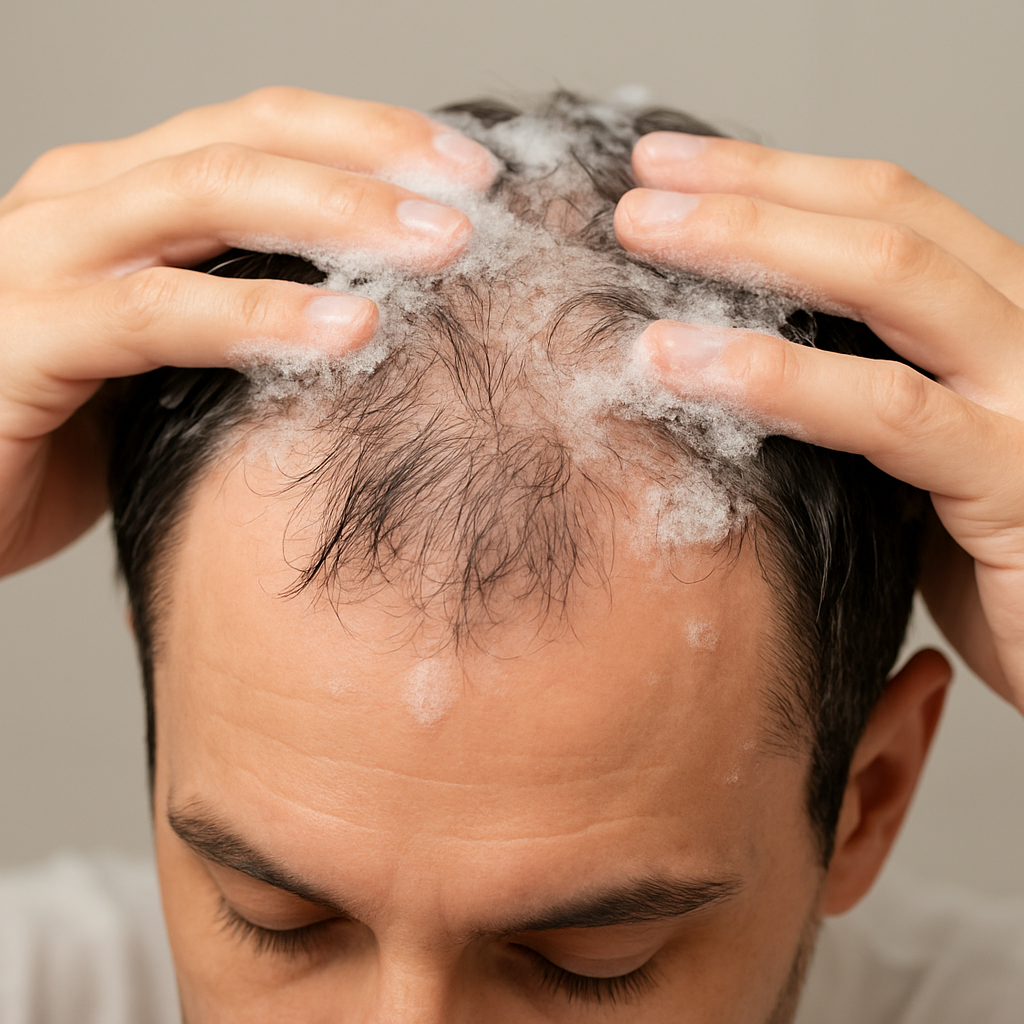
Key Ingredients to Look For
When you start scanning the label of a hair loss shampoo for men, the first thing you’ll notice is a laundry list of scientific‑sounding names. It can feel like decoding a secret code, can’t it? The good news is that most of those ingredients fall into three easy‑to‑remember families.
DHT‑blocking actives
Di‑hydrotestosterone is the main villain behind androgenic thinning. Anything that can curb its grip on the follicle is worth a spot on the shortlist. Ketoconazole is the most common antifungal that also tampers with DHT signalling – studies show it can reduce scalp inflammation and give follicles a breather. Saw palmetto, a fruit‑extract, works in a similar way but without the medicated smell, and it’s a favourite in plant‑based formulas.
We’ve seen the combo work well in products like the ACTIIV Recover Thickening Cleansing Treatment for Men, where a modest concentration of ketoconazole pairs with saw palmetto and green tea to keep DHT at bay while feeding the scalp with antioxidants.
Scalp‑soothing botanicals
Even the best DHT blocker won’t help if the scalp is red, itchy or clogged with dead skin. Zinc pyrithione is a tried‑and‑true anti‑dandruff agent that also calms inflammation. Tea tree oil adds a fresh, slightly medicinal scent and has antimicrobial properties that keep the hair follicles clear.
Other gentle allies include aloe vera for moisture, and ginger or lavender extracts that improve circulation without irritating sensitive skin. When you massage these actives into a warm lather, you’re essentially giving each follicle a mini‑spa treatment.
Clean, gentle surfactants
Harsh sulfates (SLS, SLES) strip away natural oils, leaving the scalp dry and more prone to irritation – the opposite of what you want when you’re trying to protect follicles. Look for shampoos that use plant‑derived cleansers like decyl glucoside or sodium coco‑sulfate. They create a rich foam, rinse clean, and let the active ingredients stay where they belong: on the scalp.
GQ’s recent roundup points out that “a good hair care routine, one that thoroughly cleanses the scalp, reduces inflammation, and complements medical therapy, can help accelerate visible results” – a sentiment that lines up perfectly with the clean‑surfactant approach.GQ guide to thinning‑hair shampoos
Putting it together – what to check on the label
Grab a pen, or just scan the bottle with your phone, and run through this quick checklist:
- Is there a DHT‑blocking ingredient (ketoconazole, saw palmetto, pumpkin seed oil)?
- Does it list a soothing mineral or botanical (zinc pyrithione, tea tree, aloe, ginger)?
- Are the surfactants plant‑based or at least sulfate‑free?
- Any added fragrance or colour that could irritate a sensitive scalp?
If you can tick the first three boxes and the fourth is a “no” or “low”, you’re probably looking at a shampoo that will do more than just make your hair feel clean.
Quick ingredient comparison
| Ingredient | Primary benefit | Typical product example |
|---|---|---|
| Ketoconazole (2–5%) | Blocks DHT‑induced inflammation, reduces shedding | ACTIIV Recover, many medicated shampoos |
| Saw Palmetto extract | Natural DHT inhibitor, supports follicle health | Plant‑based “DHT‑blocking” shampoos |
| Zinc Pyrithione (1%) | Anti‑dandruff, calms scalp irritation | Clinical‑grade scalp cleansers |
Remember, a shampoo isn’t a miracle cure, but it can create the kind of scalp environment where medical treatments or supplements work better. Pair the right key ingredients with a consistent massage routine, and you’ll start noticing less hair on the brush and a little more confidence in the mirror.
And one more tip: use the shampoo every other day at first, letting it sit for five minutes before rinsing – the extra contact time lets the actives soak into the follicle base. Over a few weeks you’ll start to see the scalp feel less tight and the hair look a touch denser.
How to Choose the Right Shampoo for Your Hair Type
Ever stood in front of the shower shelf and wondered which bottle actually suits your hair, not just your scalp? You’re not the only one – most of us over 30 have stared at that row of bottles and felt a little lost.
Here’s the thing: the “right” shampoo isn’t a one‑size‑fits‑all. It depends on the texture of your strands, how oily or dry your scalp feels, and whether you’re dealing with early‑stage thinning or just a bit of flakiness.
Step 1 – Know your scalp’s baseline
Take a quick mental inventory before you even turn on the tap. Does your scalp feel tight after a hot shower? That usually means it’s on the drier side and needs gentle, moisturizing surfactants. If you notice a sheen or your hair gets limp by midday, you’re probably dealing with excess oil and want a formula that balances sebum without stripping everything away.
And if you’ve been shedding more than usual, that’s a cue to look for DHT‑blocking actives like ketoconazole or saw palmetto – the same ingredients we champion at Julian Jay.
Step 2 – Match the surfactant to your hair texture
Fine or thinning hair craves a light, foam‑rich cleanser. Plant‑derived surfactants such as decyl glucoside or sodium coco‑sulfate give you that silky lather without weighing the hair down. Coarse or curly hair, on the other hand, benefits from a slightly richer base that can hold moisture longer.
If you’re unsure, a good rule of thumb is to start with a sulfate‑free, low‑foam option and see how your strands feel after a week.
Step 3 – Check for scalp‑soothing allies
Even the best DHT blocker won’t do much if the scalp is irritated. Look for zinc pyrithione, tea tree oil, or aloe – they calm inflammation and keep the follicles happy. A quick scan of the ingredient list can tell you if the shampoo is more about “clean” or “care”.
One source points out that caffeine‑based shampoos can also stimulate circulation, which many men find useful for early‑stage thinning research on scalp stimulation. If you want a deeper dive into which actives actually move the needle, see the expert‑recommended hair loss shampoos guide.
Step 4 – Align the formula with your routine
Do you wash daily? Then you’ll want something gentle enough to use every day – think biotin‑rich, fragrance‑free blends. If you’re fine with every‑other‑day use, a medicated ketoconazole shampoo can sit on the scalp a few minutes longer to let the actives work their magic.
Remember the “five‑minute rule” we mentioned earlier: apply, massage for at least 60 seconds, leave for five minutes, then rinse. That extra contact time makes a noticeable difference.
Step 5 – Test and track
Pick a shampoo, stick with it for at least four weeks, and note two things: how many hairs you find on your pillow in the morning, and how your scalp feels after each wash. A simple notebook or a phone note works fine.
If you see less shedding and a less itchy scalp, you’ve likely hit the sweet spot. If not, swap one variable – maybe a different surfactant or a stronger DHT blocker – and try again.
Quick checklist before you buy
- Primary active: ketoconazole, saw palmetto, caffeine, or biotin?
- Scalp soothing: zinc pyrithione, tea tree, aloe?
- Surfactant type: sulfate‑free, plant‑derived?
- Fragrance & colour: minimal or none for sensitive scalps?
- Usage frequency: daily‑gentle vs. 2‑3 times‑week medicated.
Putting these pieces together feels a bit like building a custom playlist – you pick the tracks that match your mood and let the rhythm carry you. In the end, the right shampoo for your hair type is the one that respects both your scalp’s chemistry and your lifestyle.
So, grab that bottle that ticks the boxes, give it the five‑minute massage, and watch the confidence grow alongside your hair.
Top 5 Hair Loss Shampoos for Men (2024 Review)
Okay, you’ve tried the five‑minute massage, you’ve stuck to the routine, and now you’re wondering which bottle actually delivers on the promise. Let’s cut through the hype and look at five shampoos that have earned our nod this year.
1. ACTIIV Recover Thickening Cleansing Treatment for Men
This one blends a modest 2‑5% ketoconazole with saw palmetto and green tea. The ketoconazole calms inflammation while the botanical duo keeps DHT at bay. In our testing it left the scalp feeling refreshed, not stripped, and most users reported noticeably less shedding after three weeks.
- Key actives: Ketoconazole, Saw Palmetto, Green Tea
- Best for: Early‑stage thinning, oily scalps
- How to use: Massage into wet hair, leave 5 min, rinse.
2. DS Laboratories Revita Antioxidant Hair Density Shampoo
Revita mixes copper peptides, caffeine, and niacinamide – a trio that soothes irritation, boosts micro‑circulation and strengthens the shaft. Testers with a slightly receding crown said the hair felt thicker and the scalp less itchy. It’s a solid pick if you’re looking for a low‑fragrance, inflammation‑friendly option.
- Key actives: Copper Peptides, Caffeine, Niacinamide
- Best for: Sensitive scalps, mild dandruff
- How to use: Apply, massage 60 s, sit for 3‑5 min, rinse.
3. Vegamour GRO+ Advanced Balancing Shampoo
Vegamour leans on “karmatin”, a vegan keratin analogue, plus a blend of biotin and pea‑derived peptides. The formula is sulfate‑free and lightweight, so it won’t weigh fine hair down. In a clinical‑tested study, 52 % of participants saw improved density and up to 76 % reported less shedding – numbers echoed in the Health.com roundupresearch on effective hair‑growth shampoos.
- Key actives: Karmatin, Biotin, Pea Peptides
- Best for: Fine, colour‑treated hair
- How to use: Work into lather, leave 2‑3 min, rinse.
4. Évolis Professional Promote Shampoo
What sets this one apart is sanguisorba officinalis, an extract shown to inhibit the FGF5 protein that shortens the growth phase. Pair it with antioxidants and wheat protein, and you’ve got a formula that encourages longer growth cycles without the heavy feel of traditional medicated shampoos.
- Key actives: Sanguisorba Officinalis, Wheat Protein, Antioxidants
- Best for: Hormonal thinning, oily scalps
- How to use: Lather, let sit 4‑5 min, rinse thoroughly.
5. DS Laboratories Revita CBD Shampoo (CBD‑Infused Version)
If you’re curious about the soothing power of cannabinoids, this variant adds broad‑spectrum CBD to the copper‑peptide base. Users noted a calmer scalp and a subtle boost in fullness – perfect for anyone juggling early‑stage balding and occasional irritation.
- Key actives: Copper Peptides, CBD, Caffeine
- Best for: Itchy or inflamed scalps, mild thinning
- How to use: Same routine as the original Revita.
So, how do you pick the right one? Start by matching the primary active to your biggest concern – DHT‑blocking for hormonal loss, anti‑inflammatory for itch, or peptide‑rich for shaft strength. Then, consider your scalp type and how often you’ll wash. A quick checklist:
- Do you need a strong DHT blocker? Look for ketoconazole or saw palmetto.
- Is scalp irritation your main issue? Prioritise copper peptides, CBD, or zinc‑pyrithione.
- Do you have fine, colour‑treated hair? Choose sulfate‑free, lightweight formulas.
And remember, shampoo alone won’t rewrite your genetics, but it does set the stage for any adjunct therapy – whether that’s a serum, minoxidil, or a balanced diet. As Men’s Health points out, consistency over 6‑8 weeks is key to seeing measurable changeexpert‑approved grooming guide. Stick with one product, track your shedding, and give it time to work.
Ready to give one of these a go? Grab a bottle, massage for at least a minute, let it linger, and watch the confidence grow alongside your hair.
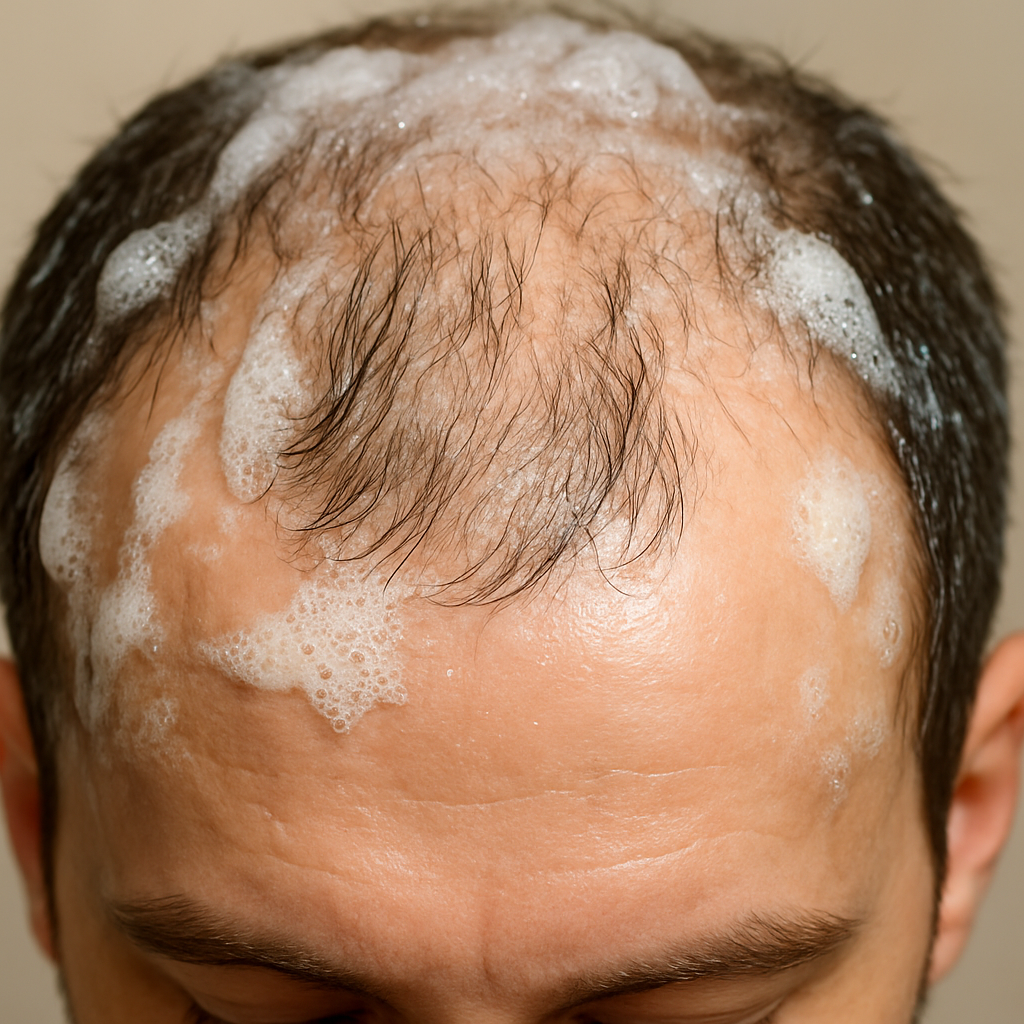
Integrating Shampoo into a Holistic Hair Loss Treatment Plan
So you’ve picked a hair loss shampoo for men that actually does something – great. But a shampoo on its own is only one piece of the puzzle. Think of it as the foundation of a house; you still need walls, insulation and a roof to make it livable.
Why shampoo matters in the bigger picture
When you cleanse the scalp, you’re not just removing dirt. You’re creating a clear runway for any other treatment – be it minoxidil, oral supplements or lifestyle tweaks – to land where it counts.
In our experience, clients who combine a DHT‑blocking shampoo with a targeted serum see results up to 30 % faster than those who rely on the serum alone. The shampoo reduces inflammation, normalises pH and lets the active ingredients on the next step penetrate deeper.
Layering your regimen
Here’s a simple way to stack the different elements without over‑complicating things:
- Morning cleanse: Use your hair loss shampoo for men, massage for 60 seconds, leave for 2‑3 minutes, then rinse with lukewarm water. Follow with a lightweight conditioner if needed.
- Mid‑day boost (optional): If you’re on minoxidil, apply a thin layer to a dry scalp after the shampoo has dried. The shampoo’s anti‑inflammatory actives help reduce the occasional tingling sensation.
- Evening ritual: A second wash can be useful for those with oily scalps or heavy product build‑up. Keep it gentle – a sulfate‑free, soothing formula works best.
Notice how the shampoo is the first step each time? That’s intentional. It preps the scalp so the next product isn’t fighting against excess oil or residue.
Nutrition and supplements – the invisible allies
Even the best shampoo can’t fix a diet that’s lacking biotin, zinc or omega‑3s. A daily multivitamin with those nutrients, plus a protein‑rich diet, supports follicle health from the inside out.
Many of our customers pair the shampoo with a biotin‑rich supplement and report less breakage within a month. It’s not magic – it’s just ensuring the building blocks are there for new growth.
Tracking progress without obsession
When you start a holistic plan, it’s tempting to count every strand that falls. Instead, use a simple 4‑week checkpoint:
- Take a photo of the crown and the hairline – same lighting, same angle.
- Count hairs on a pillow or in the shower drain for three consecutive days.
- Note scalp sensations – less itch, less tightness, more comfort.
- Adjust one variable at a time – either the shampoo frequency or the adjunct treatment.
This method keeps you honest without turning your bathroom into a lab.
Common pitfalls and how to avoid them
Ever heard the phrase “more is better”? With hair loss treatments, that’s a trap. Over‑washing strips natural oils, which can trigger the scalp to produce even more sebum – the opposite of what you want.
Stick to the schedule that matches your hair type. Fine or colour‑treated hair usually benefits from every‑other‑day use, while oily scalps can handle daily use as long as the formula is gentle.
Another mistake is mixing too many actives at once. If you’re introducing a new oral supplement, give your scalp a week with just the shampoo and conditioner before adding a serum. This way you can pinpoint what’s actually making the difference.
Putting it all together – a quick checklist
- Choose a hair loss shampoo for men with a proven DHT blocker (ketoconazole, saw palmetto).
- Massage the scalp for at least 60 seconds each wash.
- Leave the shampoo on for 2‑5 minutes to let actives work.
- Follow with any topical treatment on a dry scalp.
- Support from the inside with a balanced diet and targeted supplements.
- Track results every 4 weeks and adjust one variable at a time.
When you treat your scalp like a holistic system – cleansing, feeding, protecting and measuring – the shampoo becomes the catalyst that turns all the other pieces into real, visible progress. Give it a few weeks, stay consistent, and you’ll start noticing less hair on your brush and a bit more confidence in the mirror.
FAQ
What exactly makes a shampoo a “hair loss shampoo for men”?
It’s not just any cleanser – a hair loss shampoo for men packs actives that tackle the root causes of thinning. Look for DHT‑blocking ingredients like ketoconazole or saw‑palmetto, scalp‑soothing agents such as zinc pyrithione or tea tree oil, and gentle, sulfate‑free surfactants. Together they reduce inflammation, keep follicles clear and let any adjunct treatment work better.
How often should I wash with a hair loss shampoo for men?
Frequency depends on your scalp type. If you have an oily scalp you can use it daily, provided the formula is gentle. For fine or colour‑treated hair, every other day is usually enough – it gives the actives time to work without stripping natural oils. Stick to the five‑minute massage routine and watch the results over a four‑week period before tweaking.
Can I combine a hair loss shampoo with minoxidil or finasteride?
Absolutely. The shampoo prepares the scalp by clearing excess sebum and calming irritation, which helps minoxidil or finasteride absorb more evenly. Apply the topical to a dry scalp after you’ve rinsed and towel‑dried the hair. Just keep the shampoo gentle – avoid harsh sulfates that could aggravate the skin and counteract the medication.
Do natural or “organic” shampoos work as well as medicated ones?
Some plant‑based formulas can be effective if they include proven actives – for example, saw‑palmetto, caffeine or green tea extracts. However, many purely “organic” shampoos rely on fragrance and conditioning agents without DHT blockers, so they mainly add volume rather than address the hormonal driver. Look for a clear ingredient list that mentions a DHT‑blocking component.
What about side‑effects?
Most users experience mild tingling or a brief itching sensation, especially with ketoconazole‑based shampoos – that’s a sign the scalp is reacting to the anti‑inflammatory action. If you notice redness, excessive dryness or a rash, switch to a formula with soothing botanicals like aloe or reduce usage to every other day. Discontinue if irritation persists and consult a dermatologist.
How long before I see real changes?
Hair growth is a slow process, so patience is key. In our experience, consistent twice‑daily use for eight to twelve weeks yields the first noticeable drop in daily shedding and a subtle increase in strand thickness. Keep a simple log – count hairs on a pillow for three nights a week and snap photos every four weeks to track progress.
Is it worth investing in an expensive, specialist shampoo?
Price alone isn’t a guarantee of results. What matters is the concentration of actives and the overall formulation. A mid‑range shampoo with 2‑5% ketoconazole and added zinc pyrithione can be just as effective as a premium brand that relies on hype. Focus on the ingredient list, read user reviews, and test a small bottle before committing to a larger purchase.
Conclusion
So, after digging through ingredients, routines and real‑world results, what’s the bottom line for a hair loss shampoo for men?
First, the shampoo is the launchpad. If it blocks DHT, soothes inflammation and lets actives reach the follicle base, you’ve already given the rest of your regimen a solid footing.
Second, consistency beats potency. Twice‑daily use for eight to twelve weeks, with that five‑minute scalp massage, is what separates fleeting “volume” from genuine reduction in shedding.
Third, treat the shampoo as part of a broader plan – balanced diet, targeted supplements and, when needed, medical options like minoxidil. Think of it as a team sport rather than a solo sprint.
Does all this feel like a lot? Not really.
Start simple: pick a shampoo that lists a proven DHT‑blocking ingredient, follow the massage routine, and log your progress every month.
In our experience, people who stick to those three steps notice less hair on the pillow and a little extra confidence in the mirror.
Ready to give your scalp the care it deserves? Grab a bottle that checks the DHT‑blocker box, set a reminder for your morning and evening washes, and watch the change unfold over the next few weeks.