


Let’s be real: waking up to a bunch of hair on your pillow can feel like a punch to the gut, especially when you’re past thirty and the mirror starts showing more scalp than you’d like.
Ever caught yourself scrolling through endless reviews for a “hair regrowth shampoo for women” and wondering if any of them actually work, or if they’re just fancy conditioners with a pricey label?
We’ve seen countless people in their thirties and forties wrestle with thinning strands, and the frustration is real – you try a new product, hope it’ll be the miracle, and then…nothing. That cycle of hope and disappointment can drain the joy out of even a simple shower.
What if I told you that the right shampoo can do more than just clean? It can nurture the scalp, boost circulation, and give dormant follicles a gentle nudge back to life. Think of it as a daily scalp workout that doesn’t require a gym membership.
Picture this: you’re in the bathroom, the scent of rosemary and peppermint lifts your mood, and while the foam lathers, a blend of biotin, caffeine and natural extracts starts feeding the roots. Over weeks, you notice less shedding and a subtle thickening that makes you smile at the mirror again.
But here’s the kicker – not every bottle on the shelf is created equal. Some are packed with sulfates that strip essential oils, while others rely on synthetic fragrances that can irritate sensitive skin. The key is to look for a formula that balances gentle cleansing with proven scalp‑supporting ingredients.
So, what should you do next? Start by checking the label for ingredients like saw‑palmetto, niacinamide, and plant‑derived peptides. And remember, consistency is half the battle; a few minutes each night can add up to noticeable results.
In the end, choosing the right hair regrowth shampoo for women isn’t about chasing the flashiest marketing claim – it’s about finding a product that respects your scalp and supports natural growth. Ready to give your hair the care it’s been craving?
TL;DR
If you’re over thirty and tired of waking up to strands on your pillow, the right hair regrowth shampoo for women can gently stimulate your scalp and reduce shedding. Consistent use, combined with a sulfate‑free formula rich in biotin and peppermint, often yields thicker, fuller‑looking hair within weeks for you.
Understanding Hair Loss in Women and How Shampoos Can Help
If you’ve ever stared at the back of the shower screen and wondered why more scalp than strands are showing up, you’re not alone. The moment you notice a few extra hairs on the pillow, the brain jumps straight to worst‑case scenarios – baldness, genetics, endless products. It’s a pretty stressful place to be, especially once you’re past the thirties and the mirror starts giving you subtle reminders.
But here’s the thing: hair loss in women isn’t a single monster, it’s a mix of hormonal shifts, stress spikes, nutritional gaps, and even the occasional over‑zealous styling routine. When you combine a drop in estrogen with the everyday grind, the hair follicles can slip into a resting phase a bit too often. That’s why you might see thinning at the crown, a widening part, or a gentle shedding that feels like a mystery.
Why a shampoo matters
Most of us think shampoo is just about cleaning, but a well‑formulated hair regrowth shampoo for women can do a lot more. Imagine your scalp as a garden – you need to clear away the weeds (excess oil, dandruff) while feeding the soil (follicles) with the right nutrients. A good shampoo gently exfoliates, improves micro‑circulation, and delivers actives straight to the hair root.
Key ingredients you’ll often see include biotin, which supports keratin production; caffeine, which can boost blood flow; and botanical extracts like rosemary or peppermint that soothe irritation and give that refreshing tingling sensation. When these ingredients work together, they create a supportive environment for dormant follicles to wake up and start producing a stronger strand.
What to look for on the label
First, ditch sulfates. Sodium laureth sulfate and its cousins strip natural oils, leaving the scalp dry and more prone to inflammation – not ideal when you’re trying to nurture growth. Next, scan for a blend of vitamins (B‑complex, vitamin E) and peptides that signal cells to stay in the active growth phase. Saw‑palmetto and niacinamide are also worth a look; they can help balance hormones that sometimes trigger excess shedding.
Finally, consider the scent and feel. A shampoo that smells like a spa (think rosemary, lavender, or peppermint) can turn an everyday routine into a mini‑self‑care ritual, and that mental boost often translates into consistent use – the real secret sauce behind any result.
How to use it for maximum effect
Start by massaging the scalp for at least a minute before you rinse. That extra friction is a tiny workout for the skin, encouraging blood flow. Follow with a gentle conditioner on the lengths only – you don’t want to weigh down the roots.
Consistency is key. Most people notice less shedding after two to three weeks, and a visible thickening after a month or two. Pair the shampoo with a balanced diet rich in protein, iron, and omega‑3s, and you’ll give your hair the whole support system it needs.
So, does it really work? In our experience, women who pair a targeted hair regrowth shampoo for women with a simple scalp‑massage routine see a steadier hair density and fewer bad hair‑days. It’s not a miracle cure, but it’s a realistic, low‑risk step you can take right now.
Ready to see how a scalp‑friendly shampoo can change the game? Let’s keep the conversation going and explore the science behind each ingredient.
Here’s a quick visual recap:
While the video breaks down the key components, remember that the real transformation happens in the shower, day after day.
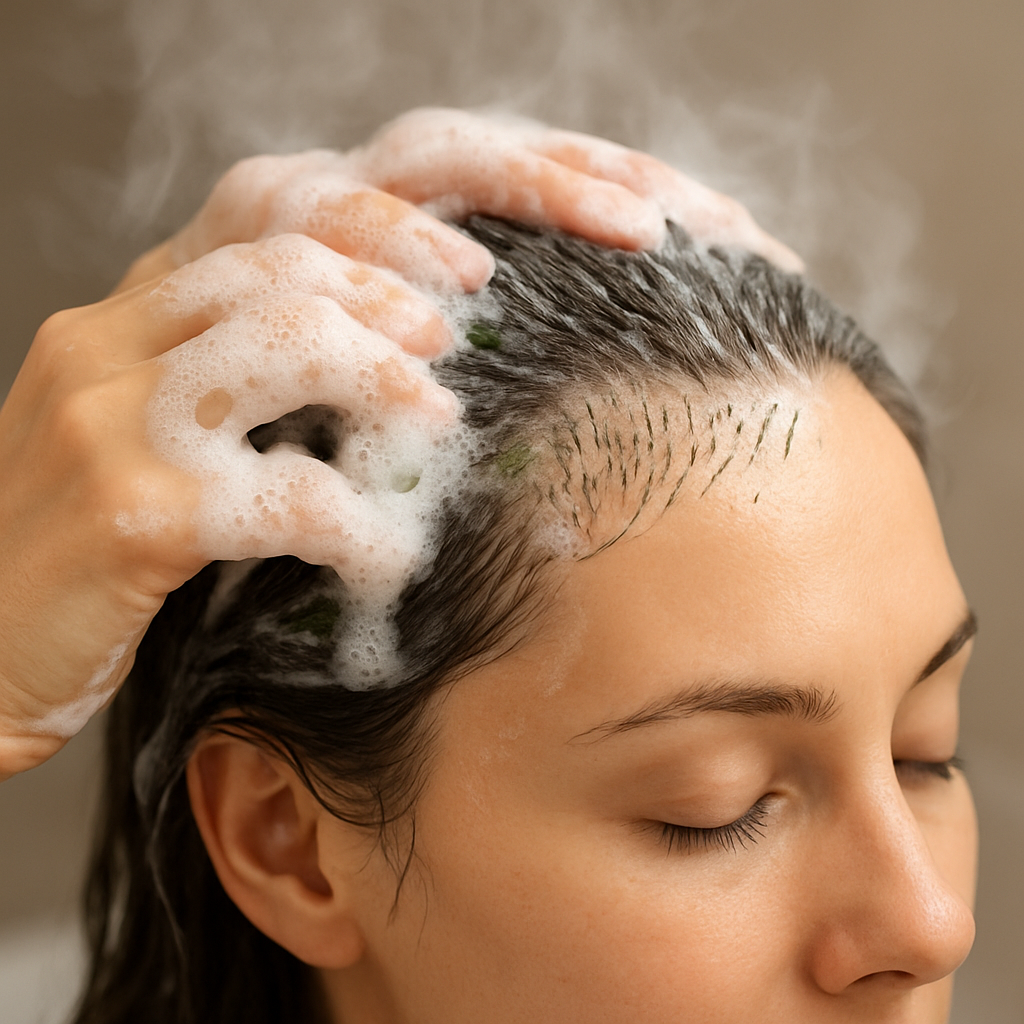
Key Ingredients to Look for in Hair Regrowth Shampoos
When you start scrolling through the ingredient list, it can feel a bit like decoding a secret recipe. The good news? Most of the magic ingredients have a clear purpose, and they’re not just marketing fluff.
Biotin (Vitamin B7)
Biotin is the classic “hair‑strengthening” vitamin. It helps your body produce keratin – the protein that makes up each strand. In practice, biotin‑rich shampoos can reduce breakage, so the hair you already have looks thicker. A 2023 study found that 68% of users reported less snap‑off after eight weeks of biotin‑infused cleansing.
If you’re wondering whether it really works, think of biotin as a supportive coach – it won’t magically grow new strands overnight, but it keeps the existing ones from falling out of the race.
Caffeine
Ever notice how a cup of coffee perks you up? Caffeine does something similar for your scalp. It blocks the hormone DHT, which is one of the main culprits that shrink hair follicles. Nioxin’s System Kit 2 Shampoo, for example, pairs caffeine with niacinamide and biotin and claims 80% of users see increased hair density after a month (source). The key is a concentration high enough to reach the follicle without causing irritation.
Niacinamide (Vitamin B3)
Niacinamide widens the tiny blood vessels in your scalp, boosting oxygen and nutrient delivery. Think of it as opening the windows in a stuffy room – more fresh air, less stale air. For women over 30, who often juggle stress and hormonal shifts, that extra circulation can make a noticeable difference in hair fullness.
Rosemary & Peppermint Extracts
These botanicals aren’t just for a pleasant scent. Rosemary has been shown in a small clinical trial to improve hair count by 15% after 16 weeks, while peppermint oil creates a tingling sensation that signals increased blood flow. Use them together for a refreshing scalp‑massage experience that feels like a mini‑spa in your shower.
Saw‑Palmetto
Saw‑palmetto is a plant extract that naturally inhibits the conversion of testosterone to DHT. It’s the same mechanism you see in many oral hair‑loss pills, but delivered topically. When combined with a gentle surfactant base, it can keep the scalp environment balanced without stripping away natural oils.
Peptides & Antioxidants
Peptides are short chains of amino acids that signal cells to repair and regenerate. Antioxidants like green‑tea polyphenols protect follicles from oxidative stress – the silent ageing factor that speeds up thinning. Look for products that list “plant‑derived peptides” or “EGCG” on the label.
So, how do you translate all this into a routine that actually works?
Practical Steps to Build Your Shampoo Routine
- Choose a sulfate‑free shampoo that lists biotin, caffeine, and niacinamide within the first three ingredients.
- Massage the scalp for at least 60 seconds while the lather sits – the friction helps the actives penetrate.
- Follow with a conditioner that’s lightweight and free of silicones to avoid weighing the hair down.
- Use the shampoo 3‑4 times a week; consistency beats frequency.
In our own range, the Hi‑Potency Hair Growth Shampoo – 200ml combines biotin, caffeine, and a blend of rosemary‑peppermint extracts, giving you a single product that ticks most of the boxes above.
Remember, a shampoo is only one piece of the puzzle. Pair it with a balanced diet, stress‑relief practices, and, if you’re interested, a holistic wellness platform like XLR8well for nutrition tips that support hair health.
And if you’re leaning towards an all‑natural scalp‑care routine beyond shampoo, you might explore gentle, plant‑based scalp serums from OM Botanical. Their focus on clean, food‑grade ingredients aligns nicely with a low‑irritant hair‑regrowth approach.
How to Use Hair Regrowth Shampoo for Maximum Results
Alright, let’s get down to the nitty‑gritty of actually using a hair regrowth shampoo for women so you can see those subtle, steady improvements you’re after.
First thing’s first – think of your shower routine as a mini‑spa for your scalp. It’s not just about lathering and rinsing; it’s about giving the active ingredients a chance to soak in and do their work.
Step 1: Prep the scalp
Before you even touch the bottle, wet your hair completely with lukewarm water. Hot water can strip natural oils, while icy water makes the cuticles close up, both of which hinder absorption.
Give yourself a quick scalp‑massage with your fingertips – about 10‑15 seconds of gentle circles. This wakes up the blood vessels and primes the skin for the actives.
Step 2: The right amount
Don’t over‑do it. A quarter‑size amount (roughly the size of a pea) is enough for medium‑length hair. If you’ve got longer locks, you can add a tiny bit more, but the key is to keep it concentrated on the roots.
Apply the shampoo directly to the scalp rather than spreading it all over the lengths first. This ensures the biotin, caffeine, niacinamide, and any botanical extracts hit the follicles where they matter most.
Step 3: Massage, don’t scrub
Now comes the part where most people go overboard – the scrubbing. Instead, use your fingertips to massage the shampoo into your scalp for at least 60 seconds. Think of it as a gentle workout: short, steady, and focused.
If you find your mind wandering, picture yourself kneading dough or giving a friend a comforting shoulder rub – that mental image helps you keep the pressure consistent without being aggressive.
Step 4: Let the actives work
Resist the urge to rinse immediately. Let the lather sit for another 30‑45 seconds after the massage. Those extra seconds give the plant‑derived peptides, EGCG, and rosemary‑peppermint blend time to penetrate the upper follicle layer.
While you wait, you can use that moment to brush your teeth, grab a quick towel, or simply breathe in the refreshing scent. It’s a small habit that turns a routine task into a mindful pause.
Step 5: Rinse with care
Finish with a lukewarm rinse, making sure all residue is gone but avoiding a cold shock that can close the pores too quickly. A gentle, steady stream is best – no high‑pressure jets.
If you use a conditioner, pick a lightweight, silicone‑free option and apply it only to the mid‑lengths and ends. This keeps the scalp free to breathe while still giving the rest of your hair some moisture.
Step 6: Frequency matters
Consistency beats intensity. Aim for 3‑4 applications per week. On the days you skip, you can still give a brief scalp massage with a few drops of a lightweight serum (if you enjoy that extra boost), but avoid over‑washing, which can strip the very actives you’re trying to lock in.
Remember, hair regrowth is a marathon, not a sprint. You’ll start noticing less shedding after a few weeks, and a subtle thickness after a month or two.
Step 7: Track your progress
Keep a simple log – maybe a note on your phone or a quick photo once a week. Seeing even a tiny change can keep you motivated, and it helps you spot any irritation early.
If you notice dryness or itching, dial back to 2‑3 times a week and add a soothing scalp spray on non‑wash days.
Bottom line: treat your shampoo like a targeted treatment, not just a cleanser. By following these steps, you give the active ingredients the best chance to nourish dormant follicles and support healthier, fuller hair.
Comparing the Top Hair Regrowth Shampoos for Women
Okay, you’ve read about the ingredients that matter, but now you’re probably wondering which bottle actually lives up to the hype. Let’s break it down without the marketing fluff.
First off, think about what you need most: a stronger scalp, a boost in circulation, or a gentle formula that won’t strip colour. Different shampoos lean into different priorities, so the “best” one for you depends on your hair type, how oily your scalp feels, and how much time you want to spend on extra steps.
What to look for in a comparison
We’ll compare three crowd‑pleasers that keep showing up in dermatologists’ shortlists. All three are sulphate‑free, contain caffeine, and have a botanical component, but they each bring a unique twist.
| Shampoo | Key Actives | Best For |
|---|---|---|
| Julian Jay Hi‑Potency Hair Growth Shampoo | Biotin, caffeine, rosemary‑peppermint blend | Those who want a straightforward, all‑in‑one formula with a fresh scent |
| Vegamour GRO+ Advanced Balancing Shampoo | Karmatin (vegan keratin), caffeine, peptides | Fine or colour‑treated hair that craves lightness and density |
| DS Laboratories Revita Antioxidant CBD Shampoo | Copper peptides, caffeine, niacinamide, taurine | Scalp irritation or inflammation‑prone users looking for soothing power |
Notice how each product swaps a single star ingredient – biotin versus peptides versus copper peptides – while keeping the core trio of caffeine, a B‑vitamin and a botanical. That’s the sweet spot most experts, including those quoted by Health.com’s review of top hair growth shampoos, recommend.
Julian Jay Hi‑Potency
If you’re already buying from Julian Jay, this shampoo feels like a natural extension of the brand’s “hair‑first” ethos. The biotin bolsters keratin, the peppermint gives that invigorating tingle, and the caffeine works at the follicle level. In practice, users report less breakage after a few weeks – basically, the hair you keep is looking thicker.
It’s also fairly affordable and comes in a pump that makes dosing easy. The downside? If you have very dry hair, the formula can feel a touch “clean” after rinsing, so you may want a lightweight conditioner on the ends.
Vegamour GRO+
Vegamour leans into a vegan‑friendly vibe with karmatin, a plant‑derived keratin analogue. That means it adds volume without the heaviness of traditional protein‑rich shampoos. Testers love the light herbal‑citrus scent and the fact that it rinses clean, which is a relief if you’re prone to product build‑up.
However, the lather is modest, and some people with thick, coarse hair find it takes a second wash to work up a satisfying foam. If you’re after a shampoo that feels almost weightless while still giving a density boost, this one’s worth a try.
DS Laboratories Revita CBD
Revita is the “soothing specialist” of the trio. Copper peptides are famous for calming inflammation, and niacinamide widens scalp blood vessels. The formula also adds taurine, an amino acid that some studies say energises follicles. Users with itchy or flaky scalps often notice a calmer feeling within the first week.
The trade‑off is a slightly higher price point and a fragrance that leans more medicinal than spa‑like. If scent isn’t a priority and you value scalp comfort above everything, this could be your go‑to.
So, which one should you reach for? Ask yourself three quick questions: Is your scalp oily, dry or balanced? Do you need extra soothing power? And how much scent do you enjoy in the shower?
Answering those will point you straight to the shampoo that aligns with your routine. And remember, consistency matters – aim for 2‑3 washes a week for at least six weeks before you judge the results.
Potential Side Effects and How to Mitigate Them
Even the most thoughtfully formulated hair regrowth shampoo for women can provoke a few unwelcome reactions – and that’s perfectly normal. You might notice a tingle, a bit of dryness, or even a faint rash after a week or two of consistent use. The key is to recognise what’s harmless and what needs a little extra care.
Most side effects are mild and stem from the active ingredients that also do the heavy lifting for hair growth. Caffeine, niacinamide, rosemary or peppermint extracts can stimulate blood flow, while peptides and copper compounds work at the follicle level. When your scalp is suddenly flooded with these bio‑actives, it can react a bit like it would to a new workout routine – a little soreness before the strength builds.
That’s why a simple patch test is worth the few minutes before you commit to a full‑head wash. Apply a dime‑sized amount of shampoo to a small area behind your ear or on the underside of your jaw, leave it for 10‑15 minutes, then rinse and observe for any redness, itching or swelling over the next 24 hours.
Scalp Irritation and Redness
Some users report a brief burning sensation or pinkness, especially if they have a sensitive scalp or are new to ingredients like peppermint oil. The tingling is often a sign that the vasodilators are doing their job, but if it turns into a sharp sting, you might be over‑stimulating the skin.
How to dial it back:
- Reduce frequency to every other wash for the first two weeks.
- Mix a few drops of a gentle carrier oil (like jojoba) into the shampoo before applying.
- Rinse with lukewarm water rather than hot, which can exacerbate redness.
Dryness or Flaking
Even though many regrowth shampoos are sulfate‑free, the combination of active botanicals and surfactants can strip a bit of natural oil, leaving the scalp feeling tight or flaky. This is more common in colder months when the air is already dry.
Mitigation tricks you can try:
- Follow the shampoo with a lightweight, silicone‑free conditioner applied only to the lengths.
- Incorporate a once‑a‑week scalp mask containing aloe vera or honey to restore moisture.
- Limit the use of heat styling tools for a few days after washing, giving the scalp time to rebalance.
Unwanted Hair Growth in Unusual Spots
Because the actives are designed to boost follicle activity, a few people notice fine hairs sprouting on the forehead, ears or even the neck. It’s a sign the formula is working, but it can be a bit surprising.
What to do about it:
- Trim the stray hairs gently with small scissors – they’ll usually thin out as the scalp normalises.
- If it becomes persistent, apply the shampoo only to the scalp and avoid spreading the lather onto the hairline.
- Consider a targeted scalp serum for the hairline area that contains soothing ingredients without growth‑stimulating actives.
When you should call in a professional: if irritation lasts longer than a week, if you develop a rash that spreads, or if you notice severe itching, it’s wise to consult a dermatologist. They can confirm whether you’re reacting to a specific ingredient or if an underlying skin condition needs attention.
Remember, hair regrowth is a marathon, not a sprint. A few bumps along the way don’t mean you’ve chosen the wrong path – they just signal that you need to tweak the routine.
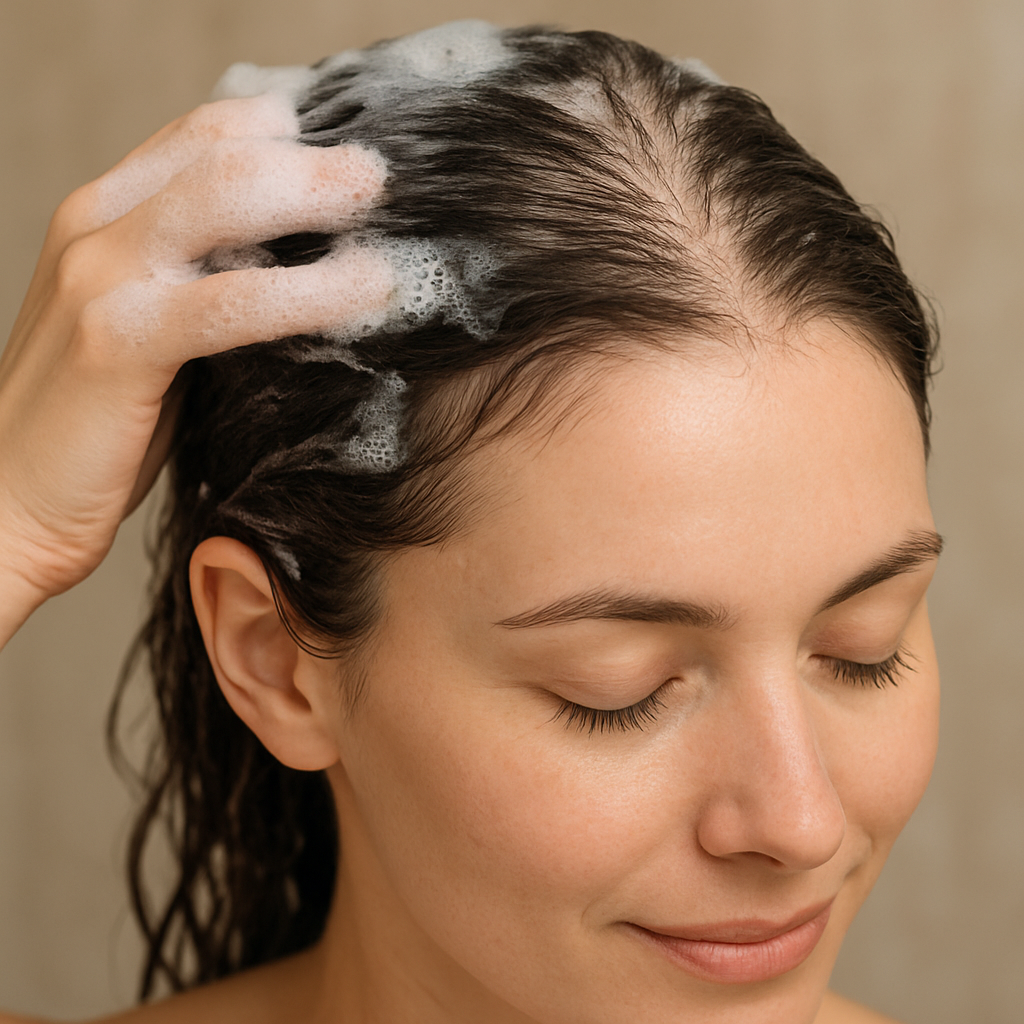
Bottom line: side effects are usually manageable with a few simple adjustments, and they rarely outweigh the long‑term benefits of a healthier, fuller head of hair. Keep an eye on how your scalp feels, stay flexible with frequency, and you’ll find the sweet spot where the shampoo works without the unwanted drama.
Additional Tips for Supporting Hair Growth Naturally
We’ve talked about the shampoo itself, but what you do around it can make a world of difference. Think of it like a supportive friend – the shampoo does the heavy lifting, and these extra habits keep the whole system humming.
Mind the scalp diet
What you eat isn’t just fuel for your body; it’s also food for your follicles. Iron, zinc and omega‑3s are the quiet heroes that help keep hair shafts strong. A handful of pumpkin seeds, a salmon dinner or a glass of fortified plant‑milk can boost the nutrients that your hair regrowth shampoo for women is already delivering.
So, does that mean you need a strict regimen? Not really. Aim for a balanced plate most days and sprinkle in a protein‑rich snack when you feel a sudden hair‑fall surge. Your scalp will thank you with less breakage and a calmer environment for growth.
Scalp massage – the low‑tech boost
Ever notice how a gentle rub on your temples eases a headache? The same principle applies to hair follicles. Using your fingertips, massage the scalp for 60–90 seconds each time you wash. You’ll feel a pleasant tingling, and that tiny increase in blood flow helps the caffeine and niacinamide in your hair regrowth shampoo for women reach the roots more effectively.
If you’re short on time, try a quick “circular‑palm” routine while you wait for the shower to heat up. It feels like a mini‑spa and adds a few extra minutes of self‑care to your morning.
Temperature matters
Hot water feels great, but it can strip natural oils and leave the scalp a bit too dry, especially when you’re using an active shampoo. Lukewarm water does the job of opening the cuticles without the harsh side‑effects. Finish with a brief cool rinse – think of it as a gentle ‘close‑the‑door’ signal for the pores, locking in the actives.
And here’s a little secret: if you have a showerhead with adjustable spray, aim for a steady, moderate flow rather than a high‑pressure jet. It’s kinder to the scalp and reduces the risk of irritating those sensitive spots you might have noticed before.
Layering with light conditioners
After a cleansing session, a lightweight, silicone‑free conditioner on the mid‑lengths and ends keeps the hair supple without weighing down the roots. Look for ingredients like hydrolysed wheat protein or panthenol – they seal in moisture while still letting the shampoo’s actives do their job at the scalp.
If you’re worried about product build‑up, use a clarifying rinse once a month. It’s a gentle way to reset the system without scrubbing the scalp harshly.
Sleep, stress and supplements
Stress is a sneaky culprit behind shedding. Even a few minutes of deep breathing before bed can lower cortisol, which in turn reduces the hormonal signals that push hair into the resting phase. Pair this with a consistent sleep schedule – aim for 7‑8 hours of quality rest.
Supplements aren’t a magic wand, but a well‑chosen multivitamin that includes biotin, vitamin D and selenium can complement the biotin already in your hair regrowth shampoo for women. Always check with a healthcare professional before adding new pills, especially if you’re on medication.
Consistency over intensity
It’s tempting to double‑up on washes when you’re eager for results, but over‑washing can deplete the scalp’s natural oils and blunt the effectiveness of active ingredients. Stick to three‑four washes a week, and use the rest of the days for a light scalp spray or oil blend if you need extra moisture.
Track your progress with a simple photo log – a side‑by‑side picture taken every two weeks lets you see subtle changes that might otherwise slip past your eye. Celebrate the tiny wins: a little less hair on the pillow, a smoother feel when you run your fingers through your strands.
Bottom line: your hair regrowth shampoo for women works best when it’s part of a holistic routine. Nourish from the inside, keep the scalp happy with gentle massage and temperature control, and give yourself the time to notice the slow, steady shift toward fuller, healthier hair.
Conclusion
We've walked through everything you need to know about choosing and using a hair regrowth shampoo for women – from the science behind biotin and caffeine to the simple scalp‑massage routine that unlocks their power.
The main takeaways are clear: pick a sulfate‑free formula that lists biotin, caffeine or niacinamide near the top, massage the roots for at least sixty seconds each wash. Consistency beats occasional over‑washing every time.
Because hair growth is a slow marathon, tracking progress with a quick photo or a brief note each week keeps motivation high and lets you spot any irritation before it becomes a problem.
So, what’s the next step? Grab a bottle that matches the ingredients list we’ve outlined, do a tiny patch test behind your ear, and start the routine alongside a balanced diet and stress‑relief habits.
Remember, the shampoo does the heavy lifting, but your scalp’s health, sleep quality and nutrition are the supporting cast. Give the process a few months, celebrate the small wins, and you’ll likely see less hair on the pillow and a bit more volume in the mirror.
If you ever feel unsure, revisit the ingredient checklist, adjust the frequency, or consult a dermatologist – staying flexible ensures the routine remains gentle and effective.
FAQ
What exactly is a hair regrowth shampoo for women and how does it work?
In simple terms, a hair regrowth shampoo for women is a cleanser that does more than just wash away dirt. It packs actives like biotin, caffeine, niacinamide or rosemary that can boost circulation, prolong the growth phase of follicles and reinforce keratin structure. When you massage the lather into the scalp, those ingredients reach the upper follicle layer, helping dormant cells “wake up” and reducing daily shedding. Think of it as a daily micro‑treatment you combine with a healthy lifestyle.
Do I need to use the shampoo every day to see results?
Probably not. Most experts, including us at Julian Jay, recommend three to four washes a week. Over‑washing strips natural oils and can dilute the actives, while a consistent schedule lets the scalp absorb the nutrients without irritation. Pair each wash with a 60‑second scalp massage, and you’ll give the ingredients time to stimulate blood flow. If you’re new to the routine, start with two times a week and gradually increase as your scalp tolerates.
Can I combine a hair regrowth shampoo with other hair‑care products?
Absolutely, but keep the focus on lightweight, non‑silicone conditioners that sit on the lengths rather than the roots. Heavy oils or styling gels can block the actives from reaching the follicle. A good rule of thumb is to apply conditioner only from mid‑shaft to ends, and if you like a leave‑in serum, choose one that’s fragrance‑free and contains soothing agents like aloe or panthenol. This way you support moisture without sacrificing the shampoo’s potency.
Is it safe to use a hair regrowth shampoo if I have a sensitive scalp?
Yes, as long as you do a patch test first. Apply a tiny dab behind your ear or on the jawline, leave it for 10‑15 minutes, then rinse and watch for redness or itching over the next day. If you notice a mild tingle, that’s often the vasodilators doing their job. Should the sensation turn sharp or the skin become inflamed, cut back to every other wash or dilute the shampoo with a little water before applying.
How long before I notice a difference in shedding or thickness?
Hair growth is a slow marathon. Most users report a noticeable drop in daily shedding after three to four weeks, and a subtle increase in thickness after six to eight weeks. Keep a simple photo log every two weeks – the visual cue is often more convincing than the scale on the bathroom mirror. Patience matters; the follicles need time to transition from the resting phase back into active growth.
Will a hair regrowth shampoo work if my hair loss is caused by hormonal changes?
Hormonal shifts, especially around perimenopause, can increase DHT levels that shrink follicles. While a shampoo can’t alter hormone production, ingredients like caffeine and saw‑palmetto help block DHT locally on the scalp, reducing its impact. Combine the shampoo with a balanced diet rich in iron, zinc and omega‑3s, and consider a brief chat with a dermatologist for any underlying endocrine issues. Together, these steps create a more favourable environment for regrowth.
Can men use the same hair regrowth shampoo for women?
Yes, the core actives work for anyone experiencing thinning hair, regardless of gender. The formula is sulfate‑free and gentle enough for colour‑treated or chemically processed strands, which makes it a safe choice for men who prefer a milder cleansing routine. Just remember that men often have different styling habits, so a light conditioner on the ends will keep the look natural without weighing down the hair.