


Ever stood in front of the mirror, running your fingers through a scalp that feels a bit lighter than it used to, and wondered if washing it too often is stealing the few strands you have left?
You're not alone. Most of us with thinning hair have that niggling worry: “If I scrub away the oil, am I also scrubbing away the hope of regrowth?” It’s a real, everyday dilemma, and the answer isn’t a one‑size‑fits‑all.
Here’s the thing – the scalp, just like the rest of your skin, needs a balance between cleansing and protection. Too much shampoo can strip natural oils that keep the follicles moisturised; too little and you end up with build‑up that can clog pores and make hair look even thinner.
So, how often to wash thinning hair? The sweet spot usually lands somewhere between two and three times a week, but the exact rhythm depends on three simple factors: your scalp’s oiliness, your lifestyle, and the products you’re using.
Think about your daily routine. If you hit the gym, sweat a lot, or live in a humid city, you might need an extra gentle rinse on those heavy‑training days. On the other hand, if your scalp feels dry or flaky, spacing out washes gives the natural sebum time to do its job.
And don’t forget the shampoo itself. A mild, sulphate‑free formula – like the ones Julian Jay crafts for gentle cleansing – can be used a touch more often without shocking the scalp. The key is to massage lightly, let the lather sit for a few seconds, then rinse thoroughly.
Want a quick test? After a wash, run your fingertips over your scalp. If it feels tight or itchy, you’ve probably over‑cleaned. If it feels slick but not greasy after a day or two, you’ve hit the right balance.
Bottom line: listen to your scalp, adjust for activity, and choose a gentle cleanser. When you get that rhythm right, you’ll notice less irritation, a healthier scalp environment, and – most importantly – you’ll stop worrying about “over‑washing” your way to thinner hair.
Ready to give your scalp the care it deserves? Let’s dive in and map out a simple washing schedule that works for you.
TL;DR
Finding the right balance—washing your thinning hair two to three times a week, adjusting for sweat, humidity, and scalp feel—keeps natural oils intact while preventing build‑up that can hide volume.
Use a gentle sulphate‑free shampoo, massage lightly, and test your scalp after each wash; if it feels tight, wait a day, if it stays slick, you’ve nailed the schedule.
Step 1: Assess Your Scalp and Hair Type
Before you can decide how often to wash thinning hair, you need to know what your scalp is actually telling you.
Is it slick and greasy by noon, or does it feel tight and flaky an hour after a shower? Those little sensations are the clues that guide the frequency you’ll settle on.
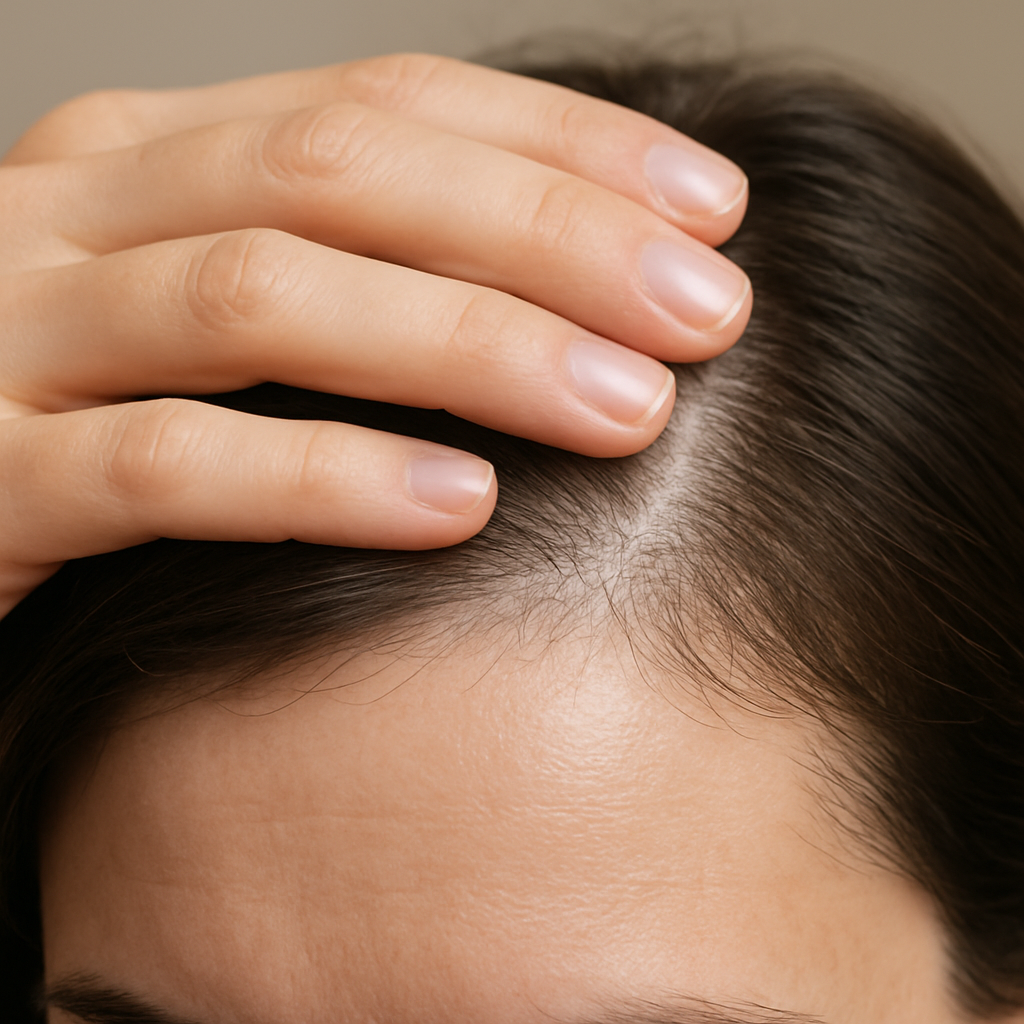
Take a quick scalp test: after you’ve washed, let the hair air‑dry for about thirty minutes, then run your fingertips along the crown. If you notice a light oil film that disappears after a day, you’ve got a normal‑to‑oily scalp and can probably stick to two washes a week. If the scalp feels dry, itchy or even a bit rough, you’ll want to stretch the interval to three or four days.
Hair type matters too. Fine, limp strands reveal volume loss quicker, so you’ll notice oil build‑up sooner. Coarse or wavy hair can hide that slick feeling longer, meaning you might get away with a slightly longer gap between washes.
Identify oiliness level
Oiliness falls into three buckets: dry, balanced and oily. A dry scalp usually feels tight after washing and may show tiny flakes. Balanced feels neutral – no shine, no sting. Oily leaves a glossy sheen within hours. Pinpointing where you sit helps you decide whether two, three or even four washes a week is realistic.
If you’re looking for a partner to amplify your health‑focused content, a specialised agency like health‑focused marketing agency can help you reach the right audience.
Now, match your scalp profile to a washing routine. For oily scalps, start with a gentle sulphate‑free shampoo on day 1, then skip day 2 and wash again on day 3. For balanced scalps, you could wash on day 1, rest on day 2, and wash again on day 4 – essentially two to three times a week. For dry scalps, try washing on day 1, then give it at least two days off before the next wash; you may end up with only two washes a fortnight.
Watching a quick demo can make the routine feel less intimidating. The video below walks you through a gentle scalp massage that primes the hair follicles without over‑stimulating oil production.
Feel free to experiment with the timing – note how your scalp feels after each wash and adjust accordingly.
A practical tip: keep a simple log in your phone. Jot down the day, the product you used, and a quick note on scalp feel. After a couple of weeks you’ll see a pattern emerge, and you can fine‑tune the schedule without guesswork.
For an extra boost, consider occasional salt‑room therapy – the mineral‑rich environment can soothe inflammation and improve circulation on the scalp. The team at HaloClinic offers guided halotherapy sessions that many hair‑care enthusiasts swear by.
Finally, remember that washing frequency is just one piece of the puzzle. Pair your custom schedule with a balanced diet, low‑stress habits and, if you’re ready, a targeted hair‑growth shampoo from Julian Jay. Our FAQs page walks you through product usage and answers common questions about timing.
Lifestyle factors also shift the ideal rhythm. Heavy sweating from a gym session, frequent swimming, or living in a humid climate can accelerate oil build‑up, so a light rinse or a gentle co‑wash on those days keeps the scalp fresh without stripping moisture. Conversely, during winter months when indoor heating dries the skin, you may find a longer gap between washes helps retain natural sebum.
Step 2: Determine the Ideal Washing Frequency Based on Hair Condition
Now that you’ve taken the scalp audit, it’s time to translate those clues into a real‑world schedule. Think of it like setting an alarm for a coffee break – you want it just often enough to keep you alert, but not so often you’re constantly refilling.
Identify your scalp’s oil‑production cycle
Most dermatologists agree the natural sebum cycle runs roughly 48‑72 hours. KilgourMD explains that washing 2‑3 times a week usually lets that rhythm play out without stripping away the protective oils you need.
Ask yourself: after a wash, does your crown feel slick by midday, or does it stay neutral until the next evening? If the oil builds up in under a day, you’re probably on the oily side; if it stays dry for three days, you’ve got a drier scalp.
Match frequency to lifestyle & condition
Let’s bring in the real world. Sarah, the kitchen chef we mentioned earlier, sweats a lot during her 12‑hour shift. On her busiest days she does a quick, lukewarm rinse and follows with a dry‑shampoo powder. On quieter admin days she stretches to every 72‑hour mark.
Contrast that with Tom, who works at a desk, drinks coffee, and rarely breaks a sweat. He found that washing every third day prevented his fine strands from looking flat and kept the scalp from over‑producing sebum.
Here’s a quick decision tree:
- Oily scalp + active days → gentle wash 2‑3 times /week, add dry‑shampoo on off‑days.
- Dry or balanced scalp + low‑sweat days → wash every 3‑4 days, focus on moisturizing conditioner.
- Mixed signals (oily roots, dry ends) → wash 2 times /week, target roots with shampoo, ends with lightweight leave‑in.
Notice the pattern? It’s all about pairing the oil‑production window with how much you’re making it sweat.
Test and tweak: a simple 2‑week log
Grab a notebook or a notes app and record three columns: Day, Scalp Feel (oily, dry, balanced) and Hair Reaction (tight, limp, voluminous). Do this for two weeks and you’ll start seeing a rhythm.
After each wash, give yourself a quick “post‑wash check”: run fingertips over the scalp. If it feels tight, you’ve likely over‑washed; if it stays slick after 48 hours, you may need to add a dry‑shampoo or shift the wash day.
When the data shows a consistent 48‑hour sweet spot, lock that in as your baseline. From there, adjust for special cases – a sweaty yoga class, a rainy week, or a holiday party where you want a fresh look.
Pro tip: on non‑wash days, a dry‑shampoo formulated for fine hair can absorb excess oil without upsetting the sebum balance. This little hack keeps the scalp calm while giving you the confidence of a “clean” look.
Notice how the video demonstrates a gentle scalp massage – that motion helps distribute natural oils, which is especially important when you’re washing less often.
Fine‑tune with product choice
If you decide to wash three times a week, pick a sulphate‑free shampoo that cleans without harsh stripping. A lightweight conditioner applied only to the mid‑lengths and ends prevents buildup at the roots, something the WebMD guide also recommends for thinning hair.
Finally, remember that the goal isn’t a rigid calendar but a conversation with your scalp. Check in daily, adjust weekly, and you’ll land on the perfect rhythm where your hair feels clean, your follicles stay nourished, and you stop worrying about “how often to wash thinning hair”.
Step 3: Create a Simple Washing Schedule
Alright, you’ve scoped out your scalp and you know whether you’re on the oily side or the dry side. The next logical step is to turn that knowledge into a calendar you can actually live with.
Pick a baseline that feels natural
Most people with thinning hair find a 48‑hour window works like a charm – it’s the sweet spot where sebum has done its job but hasn’t piled up into a greasy film.
Start by marking Day 1 as a wash day, then wait two days before the next wash. If after 48 hours your scalp still feels slick, you might need a 36‑hour cycle instead.
And if you’re lucky enough to have a drier scalp, stretch it to three days – you’ll notice the hair feels light rather than limp.
Build in “flex” days for activity spikes
Think about the days you know you’ll sweat: a yoga class, a long hike, or a heated kitchen shift. On those days, give yourself permission to do a quick lukewarm rinse or a light dry‑shampoo top‑up.
This isn’t cheating; it’s just respecting the fact that oil production speeds up when you’re hot.
For example, Sarah from our earlier case study would wash, then on a busy kitchen night just spritz a fine‑hair dry‑shampoo and brush it through. The scalp stays calm and the strands keep their bounce.
Write it down – the schedule sheet
Grab a sticky note or a notes app and create a simple table:
- Wash Day – Date
- Scalp feel (oily, balanced, dry)
- Activity level (low, medium, high)
- Product used (shampoo, dry‑shampoo, no‑wash)
Checking this box every evening makes the whole thing feel less like a chore and more like a conversation with your scalp.
After two weeks you’ll see patterns emerge – maybe your Friday night cardio always pushes you to a 36‑hour wash, while the rest of the week stays at 48‑hours.
Adjust for special circumstances
Rainy weeks, holiday parties, or a sudden change in diet can tip the balance. If you notice extra oil after a rainy day, add a half‑wash – just lather the roots, skip the lengths, and finish with a cool rinse.
Conversely, if you’re travelling and can’t shower daily, a gentle, sulphate‑free shampoo on the next available day will keep the follicles happy without stripping away the protective oils.
John Frieda notes that most people can comfortably wash every 2‑3 days, and that fine hair tends to need that extra fresh‑up sooner than coarse hair according to their guide. That aligns perfectly with what we’re doing here – a baseline that respects hair texture.
Test, tweak, repeat
Give each wash a “post‑wash check”. Run your fingertips over the scalp: does it feel tight? Too oily? If tight, you’ve probably over‑washed; if oily after 48 hours, pull the interval back a day.
Make a habit of noting that feeling in your schedule sheet. Over a month you’ll have a personalised algorithm that tells you exactly when to reach for the bottle.
Better Not Younger also stresses that listening to your scalp is key – they call it “intuitive washing” and recommend adjusting based on activity and oil build‑up in their article. It’s the same principle, just phrased differently.
Quick checklist to lock in your routine
- Set a baseline: 48 hours for most thinning hair.
- Mark activity‑heavy days for a quick rinse or dry‑shampoo.
- Log scalp feel and product use for two weeks.
- Adjust interval up or down based on the post‑wash check.
- Re‑evaluate monthly – life changes, your schedule should too.
By the end of the first month you’ll have a simple, repeatable washing schedule that feels effortless. No more staring at the bottle wondering if you should wash today – you’ll know exactly when to lather up, and when to let the natural oils do their thing.
Give it a go, watch how your scalp responds, and remember: this schedule is a living plan, not a rigid calendar. You’ve got this.
Step 4: Choose Gentle Shampoos and Conditioning Techniques
Why gentle really matters
When you’re figuring out how often to wash thinning hair, the cleanser you pick is just as important as the calendar you set. A harsh, sulphate‑laden shampoo can strip the few oils your scalp needs, leaving the follicles feeling exposed and the hair looking flatter.
Think about the last time you used a strong cleaning spray on a delicate surface – it left a film, right? Your scalp is the same delicate surface. A gentle formula keeps the natural moisture balance intact while still lifting away sweat and excess sebum.
What to look for in a shampoo
First, scan the label for “sulphate‑free”, “paraben‑free”, and “pH‑balanced”. These cues tell you the product won’t harshly scrub the scalp. Next, pick an ingredient that suits your specific feel – tea tree for occasional itch, biotin for a confidence boost, or a light humectant like glycerin if you tend toward dryness.
And remember: you don’t need a lot of product. A pea‑sized amount is enough for a thin crown. Over‑lathering can actually trap residue, which defeats the purpose of a gentle wash.
Conditioning without weighing down
Conditioner is often the guilty party for limp strands, but you can still reap its benefits. Apply a lightweight, silicone‑free conditioner only to the mid‑lengths and ends – the parts that need extra slip. Avoid the roots, because that’s where oil lives naturally.
Do you ever feel that weird heaviness after a conditioning step? That’s a sign you’ve used too much or the wrong type. A quick “finger test” helps: after rinsing, run a finger through the lengths. If it feels smooth without a coating, you’ve nailed it.
Mini‑routine you can try tonight
1. Wet hair with lukewarm water – hot water opens the cuticle too much, cold water doesn’t cleanse well.
2. Massage a tiny dollop of sulphate‑free shampoo into the scalp for 20‑30 seconds. Think of it as a gentle scalp massage, not a vigorous scrub.
3. Rinse thoroughly, then pour a thin strand of conditioner over the lengths. Let it sit while you towel‑dry the roots.
4. Finish with a cool splash to close the cuticle and lock in moisture.
Do this routine on the days your schedule says “wash”, and you’ll notice less tightness and more bounce.
Quick decision table
| Hair Concern | Shampoo Feature | Conditioner Tip |
|---|---|---|
| Oily scalp, fine strands | Sulphate‑free, tea‑tree or salicylic acid | Lightweight, apply only to ends |
| Dry, itchy scalp | Moisturising, glycerin‑based | Silicone‑free, focus on mid‑lengths |
| Mixed oil‑dry zones | Balanced pH, mild surfactants | Use a leave‑in spray on dry ends only |
Putting it all together
Now that you’ve got the product basics, match them to the wash frequency you set in Step 2 and Step 3. If you’re on a 48‑hour cycle, a gentle cleanse will keep the scalp calm while still removing the sweat from a gym class.
On a “flex” day – say you had a rainy commute and felt a bit sticky – a quick rinse with the same gentle shampoo plus a conditioner‑only boost at the ends is enough. No need to over‑wash.
And if you ever wonder, “Am I using too much conditioner?” – just remember the rule of thumb: less is more on the roots, more is more on the ends.
Give these tweaks a week, jot down how the scalp feels after each wash, and you’ll start seeing a pattern. The goal isn’t a rigid schedule; it’s a conversation with your hair where the products you choose speak kindly to your scalp’s needs.
Step 5: Monitor Progress and Adjust Frequency
Now that you’ve set a baseline wash schedule, the real work begins – watching how your scalp reacts and tweaking the rhythm as needed. Think of it like a garden: you plant seeds, water them, then keep an eye on the sprouts and adjust the watering schedule when the weather changes.
Check‑in points you can use every few days
Grab a simple notebook or a notes app and ask yourself these three questions after each wash:
- How does the scalp feel 12‑hours later – slick, tight, or just right?
- Do the strands look flat, bouncy, or somewhere in between?
- Any itching, flaking or unusual dryness?
Write down the answer, the day of the week, and what you did that day – gym, rain, a long meeting, you name it. After a week or two you’ll start seeing patterns.
So, what should you do with that data?
Spot the sweet spot for how often to wash thinning hair
If you notice the scalp feels tight on Day 2, you’re probably washing too often. Move the next wash to Day 3 or add a quick dry‑shampoo top‑up instead. Conversely, if the crown looks greasy by the evening of Day 1, you may need a 36‑hour cycle on those active days.
It’s okay to have two different rhythms – one for “normal” days and another for “sweaty‑out” days. The key is that you’re reacting to what you actually feel, not to a rigid calendar.
Does this really work? Absolutely. Most people with fine, thinning hair report that a short “monitor and adjust” period of two weeks is enough to lock in a routine that feels natural.
Mini‑audit checklist for each week
At the end of each week, run through this quick audit:
- Count the number of days you felt a clean, comfortable scalp.
- Note any days you added a dry‑shampoo or a lukewarm rinse only.
- Identify the activity that triggered an extra wash – was it a workout, a rainy commute, or just a stress‑induced sweat?
If more than half the days felt good, you’ve probably hit the right frequency. If not, tweak one variable – either shave a day off the interval or swap the product you’re using on the roots.
Here’s a real‑world example: Maya, 39, started with a strict 48‑hour wash plan. After a week she wrote down that on her yoga evenings her scalp felt oily by midday. She added a dry‑shampoo on those evenings and pushed the next full wash to 72 hours. The result? Less limp hair and a calmer scalp.
When life throws curveballs
Travel, illness, or a sudden change in diet can upset the balance. Instead of panicking, treat those days as “test days”. Use a lightweight, sulphate‑free rinse only on the roots, skip the conditioner, and see how the scalp reacts. If it feels fine, you can keep the longer gap; if it gets itchy, schedule a gentle wash sooner.
Remember, the goal isn’t perfection – it’s consistency with flexibility. Your scalp will thank you for the conversation.
Finally, give yourself a “progress celebration” each month. Look at the notes, see how many days you avoided tightness, and maybe treat yourself to a new gentle shampoo that matches the pattern you’ve uncovered.
Monitoring isn’t a chore; it’s a chance to fine‑tune the way you care for thinning hair, ensuring you never over‑wash and never under‑clean.

Conclusion
We’ve covered the whole journey – checking your scalp, setting a baseline, tweaking for workouts or travel, and picking the right gentle shampoo. All of that boils down to one simple question: how often to wash thinning hair feels right for you.
Remember the golden rule: listen first, adjust second. If your scalp feels slick after a day, lean towards a 36‑hour cycle; if it stays comfortable for three days, stretch to a 72‑hour gap. Use dry‑shampoo or a quick lukewarm rinse on “flex” days, and keep the conditioner off the roots.
Here’s a quick cheat‑sheet you can pin to your mirror:
- Baseline: 48 hours for most fine, thinning hair.
- Oily‑sweat days: add a light rinse or dry‑shampoo.
- Dry‑only days: stick to the baseline or stretch a day.
- Monthly audit: note scalp feel, product used, and any irritation.
Does that sound doable? It does for anyone willing to treat their scalp like a conversation partner rather than a chore. Give your schedule a week, jot down what works, and you’ll see confidence grow alongside healthier hair.
Ready to put the plan into action? Grab your favourite sulphate‑free shampoo and start logging – your scalp will thank you.
Remember, consistency beats perfection every time.
FAQ
How often should I wash thinning hair if my scalp feels oily after a workout?
When you’ve just finished a sweaty session, the scalp’s natural oil‑plus sweat can make the roots feel greasy within a few hours. In that case, a quick lukewarm rinse or a light dry‑shampoo works wonders, and you can stick to your regular 48‑hour baseline on non‑active days. The key is to keep the shampoo gentle – a sulphate‑free formula will clean without stripping the few oils you need.
Can I wash my thinning hair every day without damaging it?
Daily washing isn’t a rule‑breaker as long as you use a mild, sulphate‑free shampoo and limit the lather to the scalp. The scalp’s sebum cycle is about 48‑72 hours, so washing daily may remove more oil than necessary, leaving fine strands feeling limp. If you must wash daily because of a high‑sweat lifestyle, focus on a brief rinse, skip conditioner at the roots, and watch for signs of tightness or irritation.
What’s the best way to tell if I’m washing too often?
After each wash, give yourself a “post‑wash check”. If, 12 hours later, your scalp feels tight, itchy or the hair looks flat, you’re probably over‑washing. Conversely, if the crown feels slick by the evening of day one, you may need a shorter interval. Jot these sensations down for a week; the pattern will reveal whether you need to stretch to a 72‑hour gap or add a quick dry‑shampoo on busy days.
How do I adjust my schedule when I travel?
Travel often means irregular showers. Stick to your baseline (usually 48 hours) and treat any extra‑long gap with a gentle scalp rinse at the hotel sink – no shampoo, just water and a light conditioner on the ends if you like. A travel‑size dry‑shampoo can also freshen the roots without disturbing the oil balance, keeping the hair looking voluminous even when you can’t stick to a strict routine.
Should I use conditioner every time I wash?
Conditioner is great for the mid‑lengths and ends, but applying it to the scalp can weigh fine, thinning hair down. On your wash days, use a pea‑sized amount of conditioner, focus it on the lengths, and avoid the roots. If you’re stretching to every three days, you might skip conditioner altogether on the first rinse and only apply it on the second wash when the hair feels drier.
Is there a difference between washing thin hair on a humid day versus a dry day?
Humidity accelerates oil production, so on muggy days you may notice greasiness a day sooner. A light dry‑shampoo or a short rinse after a long commute can keep the scalp comfortable without breaking your schedule. On dry, cool days the scalp tends to stay balanced longer, so you can comfortably stretch the interval to three days. Adjusting for weather is just another “flex” day in your personalised routine.