


If you’ve ever stared at the bathroom shelf wondering whether to reach for the thick, amber bottle of castor oil or the fragrant, pine‑scented rosemary oil, you’re not alone.
Both oils have been championed as natural boosters for hair growth, yet they work in subtly different ways that can matter a lot once you’re past your thirties and notice a few more hairs on the pillow each morning.
Castor oil is dense and packed with ricinoleic acid, which helps increase scalp circulation and lock in moisture – think of it as a heavyweight blanket for your follicles.
Rosemary oil, on the other hand, is light and aromatic, rich in antioxidants like carnosic acid that can soothe inflammation and stimulate blood flow without leaving your hair feeling greasy.
So which one should you reach for when you’re trying to thicken thinning strands?
If your scalp tends to feel dry and you need a bit of extra nourishment, a few drops of castor oil mixed with a carrier like jojoba can give those stubborn roots a much‑needed boost.
Conversely, if you prefer something that won’t weigh your hair down and you enjoy the invigorating scent that also wakes up your senses, rosemary oil applied after a gentle scalp massage can stimulate circulation and reduce that itchy, flaky feeling some of us get after a long day.
What we’ve learned at Julian Jay is that many of our clients over 30 find a simple routine—mixing a teaspoon of castor oil with a few drops of rosemary oil—gives them the best of both worlds: deep moisture plus a light, refreshing lift.
Ready to decide which oil fits your routine? Keep reading as we break down the pros, the cons, and the practical steps to incorporate each into your daily hair‑care regimen, so you can stop guessing and start seeing real progress.
TL;DR
If you’re over 30 and puzzling over whether castor oil or rosemary oil will thicken thinning strands, this guide breaks down their key benefits, ideal scalp types, and a simple mixed‑routine that many of our Julian Jay clients swear by.
Stick to the routine we recommend, and you’ll start seeing less break‑age, a fuller feel, and a calmer scalp without greasy buildup.
Understanding Castor Oil for Hair Growth
When you first hear about castor oil, you might picture a thick, amber liquid you’d use for a DIY hair mask. But what actually happens when you massage that heavy oil into a scalp that’s started to feel a bit thin after thirty? In short, the magic lies in ricinoleic acid – a fatty acid that not only moisturises but also nudges blood flow, giving each follicle a tiny boost of oxygen and nutrients.
Think about the last time you felt a cold breeze on a fresh‑cut lawn. The grass looks greener because it’s getting water and sunlight. Your scalp is the same lawn; castor oil is the water that helps the roots stay plump.
Now, here’s where the science meets the everyday routine. The oil’s viscosity means it sits on the skin longer, forming a protective barrier that locks moisture in. That barrier is especially helpful for those of us with dry, flaky scalps – a common complaint once we’re past our thirties.
But you might be wondering, “Is it safe to leave a sticky oil on my pillow?” The answer is yes, as long as you use a small amount and give it a little time to absorb before bed. A pea‑sized dab works wonders without making your sheets feel like a greasy mess.
One practical tip we’ve seen work for many of our Julian Jay community members is to combine castor oil with a lighter carrier, such as jojoba or argan oil. The blend lightens the texture while preserving the deep‑penetrating benefits of ricinoleic acid. If you’re curious about picking the perfect castor oil, check out our guide on the best castor oil for hair growth – it breaks down quality markers and price points.
So, why does circulation matter? Imagine each hair follicle as a tiny factory; it needs a steady supply of raw materials to churn out new strands. When you boost blood flow, you’re essentially expanding the delivery trucks that bring those raw materials. This is where rosemary oil often gets the spotlight – it’s lighter, aromatic, and also a circulation champion. Yet, castor oil offers the added advantage of sealing in that newly‑delivered nourishment.
Let’s pause for a quick visual aid. Below is a short video that walks you through a simple castor‑oil scalp massage technique. It’s the kind of thing you can do while watching your favourite sitcom.
After you’ve watched the demo, give yourself a few minutes to feel the warmth of the oil spreading. That warmth signals increased circulation – a good sign that the ricinoleic acid is doing its job.
While we’re talking about natural oils, it’s worth noting that many skincare lovers also swear by botanical extracts. If you’re interested in a broader beauty routine that respects the skin barrier, you might enjoy exploring Uncover Skincare. Their melanin‑first approach to hydration mirrors the same philosophy we apply to scalp health – support the barrier, don’t strip it.
And because hair health doesn’t exist in a vacuum, looking after your overall wellness can amplify results. A partner like XLR8well offers proactive health programmes that include nutrition tips, stress‑management tools, and supplement advice – all of which can indirectly boost hair growth by reducing inflammation and balancing hormones.
Here’s a quick checklist to make sure you’re getting the most out of castor oil:
- Choose cold‑pressed, hexane‑free castor oil for purity.
- Mix with a light carrier (1 part carrier to 2 parts castor) to improve spreadability.
- Apply to a clean scalp, massaging in circular motions for 3‑5 minutes.
- Leave on for at least 30 minutes, or overnight if you’re comfortable.
- Rinse with a gentle shampoo, preferably sulphate‑free, to avoid stripping.
Consistency is key. Most folks notice a subtle reduction in break‑age after four weeks of regular use. You won’t wake up with a full head of hair overnight, but you’ll start to feel the strands getting a bit fuller, and that confidence boost is priceless.
Finally, remember that every scalp is unique. If you experience irritation, dilute the oil further or reduce the frequency. And as always, if you have an underlying condition like alopecia or hormonal imbalance, a quick chat with a trichologist can help you fine‑tune the routine.
In the end, castor oil isn’t a miracle cure, but it’s a reliable ally in the larger battle against thinning hair. Pair it with a healthy lifestyle, a supportive skincare routine, and a bit of patience, and you’ll be well on your way to a thicker‑looking crown.
Understanding Rosemary Oil for Hair Growth
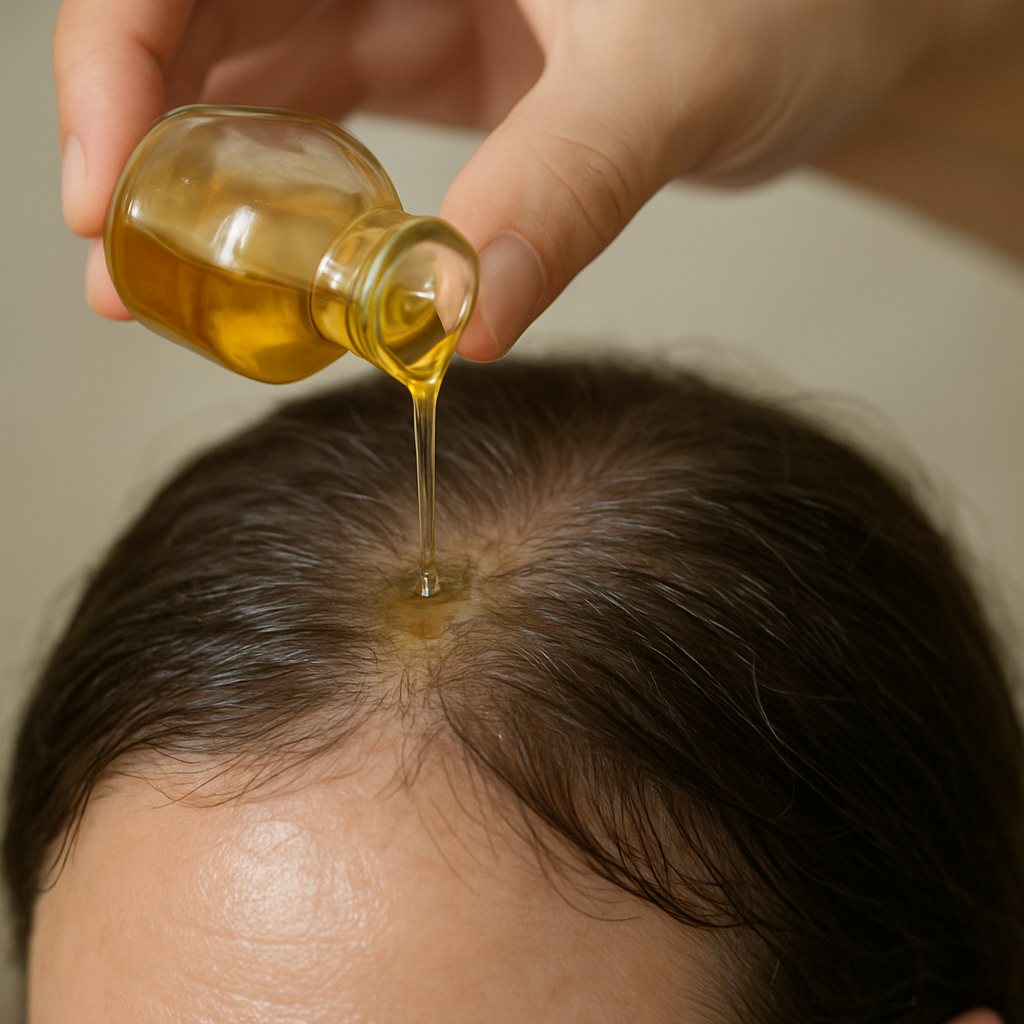
Ever wondered why a few drops of rosemary oil can feel like a gentle wake‑up call for your scalp? It’s not just the scent – the oil is packed with antioxidants like carnosic acid and rosmarinic acid, which calm inflammation and encourage blood flow without leaving a greasy film.
Think about the last time you brushed your hair after a long day at the office. If your scalp felt tight or itchy, that’s a sign the micro‑circulation might be sluggish. Rosemary oil works by nudging those tiny blood vessels to dilate, delivering oxygen and nutrients straight to the follicle base. In practice, that means the hair follicles get a better supply of what they need to stay in the growth phase longer.
So, does science back this up? A handful of small clinical trials have shown that topical rosemary oil can improve hair density comparable to minoxidil after six months of twice‑daily application. While the studies are modest, the consensus among trichologists is that rosemary is a safe, low‑risk adjunct to any hair‑care regimen.
Let’s bring it down to real life. Take Jenna, a 45‑year‑old accountant from Brighton. She started a simple routine: three drops of rosemary essential oil blended with a teaspoon of a light carrier (sweet almond oil) and massaged into her scalp each evening after dinner. Within eight weeks she noticed less flaking and a subtle “fuller” look around her crown. She didn’t claim a miracle, but the reduction in scalp irritation made her more comfortable wearing her favourite bob.
Another example is Tom, a 38‑year‑old freelance designer based in Manchester. He paired his morning coffee with a quick rosemary spray (a few drops diluted in water) before heading out. The light tingling reminded him to perform a brief scalp massage, which he says helped keep the habit consistent. After three months, his sideburns looked denser and he felt more confident during client pitches.
What makes rosemary especially appealing for anyone over 30 is its versatility. You can use it as a pre‑shampoo treatment, a post‑wash mist, or even mix it into a leave‑in conditioner. The key is consistency – a little each day beats a big weekly dose that you might forget.
Actionable steps to integrate rosemary oil:
- Choose a 100 % pure, therapeutic‑grade rosemary essential oil. Look for a label that mentions steam‑distillation and no synthetic additives.
- Create a dilution ratio of 1:5 (one part oil to five parts carrier). A light carrier like jojoba or grapeseed works well because it won’t weigh hair down.
- Massage the blend into your scalp for 2–3 minutes, focusing on thinning zones. Use circular motions – imagine you’re stirring a pot of soup, not just rubbing.
- Leave it on for 30–60 minutes, then shampoo as usual. For a quick boost, spray a few drops diluted in water after washing and don’t rinse.
If you’re already using castor oil, you can alternate the two or even combine them in a single session – just keep the overall oil load light to avoid buildup. Our clients often find that a night‑time castor soak followed by a morning rosemary mist gives the best of both worlds: deep moisturisation and a circulatory lift.
For a deeper dive into how men can get the most out of these botanicals, check out Effective Hair Regrowth Oil for Men: A Practical Guide. The article walks through massage techniques, timing, and how to pair rosemary with other actives like peppermint for a synergistic effect.
Quick tip: if you’re worried about the oil staining your pillow, slip a thin cotton scarf over the pillowcase – it’s a cheap hack that saves you from laundry surprises.
Bottom line? Rosemary oil isn’t a magic wand, but it’s a reliable, low‑cost tool that can improve scalp health, reduce inflammation, and gently stimulate blood flow. When paired with a balanced routine and realistic expectations, it helps you take control of the “castor oil vs rosemary oil for hair growth” conversation – and gives your hair a better chance to thrive.
Comparing Castor Oil and Rosemary Oil: Benefits, Usage, and Results
When you stare at the bottle of castor oil and the tiny vial of rosemary oil side by side, a familiar question pops up: which one will actually move the needle for my thinning hair? The short answer is – it depends on what your scalp and strands need right now. The longer answer is a little messier, but that’s where the magic happens.
What each oil brings to the table
Castor oil is the heavyweight champion of moisture. Its thick, viscous texture means it clings to every strand, delivering ricinoleic acid that soothes inflammation and helps the scalp retain water. In practice, that translates to fewer split ends and a softer feel, especially for dry, brittle hair.
Rosemary oil, on the other hand, is the sprinter. It’s light, almost watery, and packed with antioxidants like carnosic and rosmarinic acids. Those compounds coax the tiny blood vessels in your scalp to dilate, nudging more oxygen and nutrients to the follicle base. The result? A subtle boost in circulation that can slow down the shedding cycle.
Here’s a quick snapshot:
| Feature | Castor Oil | Rosemary Oil |
|---|---|---|
| Primary benefit | Deep hydration & break‑age reduction | Scalp circulation & DHT modulation |
| Best hair type | Dry, thick, or damaged hair | Oily to normal scalps, fine to medium hair |
| Typical texture | Thick, viscous | Thin, watery |
Does that help you visualise where each fits? If you’re still not sure, let’s walk through a couple of real‑world scenarios.
Scenario 1: The dry‑hair‑warrior
Emily, a 39‑year‑old teacher from Brighton, swears by a weekly castor‑oil soak. She mixes one part castor with two parts sweet almond oil, warms it for 30 seconds, then massages it in for five minutes before covering her head with a cotton towel for an hour. After eight weeks she tells us her hair feels silkier and the break‑age she used to see on her brush has halved. The key for Emily was keeping the oil load light enough to avoid that dreaded “oil‑slick” feeling.
Actionable tip for you: DIY deep‑condition – combine 1 ml castor oil with 2 ml a light carrier, apply to damp hair, and let it sit while you read a chapter. Rinse with a gentle sulphate‑free shampoo.
Scenario 2: The scalp‑sensation seeker
Mark, a 42‑year‑old freelance designer, couldn’t stand the heaviness of castor oil, so he turned to rosemary. He adds three drops of therapeutic‑grade rosemary essential oil to 30 ml of jojoba, massages the blend for two minutes each evening, then lets it sit for 30 minutes before washing. After six weeks his scalp feels less itchy, and the sideburns look a tad denser. The secret? Consistency – a quick daily ritual beats an occasional heavy treatment.
Actionable tip for you: Morning rosemary mist – dilute five drops of rosemary oil in 100 ml of water in a spray bottle, spritz after shower, and don’t rinse. It’s a light‑weight lift that fits into a busy schedule.
Combining the two – the best of both worlds
Many of our clients over 30 report the most noticeable change when they pair the two. Think of it as a two‑step dance: a night‑time castor soak for deep nourishment, followed by a morning rosemary spray for circulation. The routine respects each oil’s strength without letting the heaviness build up.
Need a visual guide on how to blend them? Check out our practical guide on how scalp massage can amplify the benefits of both oils. The article walks you through timing, pressure, and how to avoid over‑application.
Quick decision checklist
- Do you have a dry, flaky scalp? Reach for castor oil (diluted).
- Is your hair fine and you hate any weight? Rosemary oil is your go‑to.
- Can you commit to a daily 2‑minute routine? Rosemary spray fits.
- Can you spare an hour once a week? Castor deep‑condition fits.
Bottom line? Neither oil is a miracle cure, but each offers a distinct set of benefits that, when matched to your scalp’s mood, can nudge hair health in the right direction. Experiment, note how your hair feels, and adjust the frequency until you hit that sweet spot where moisture and circulation coexist.
How to Apply Castor and Rosemary Oils for Maximum Growth
Ever stood in front of the mirror wondering if you’re doing the right thing with your oil routine? You’re not alone – most of us over 30 have been there, tweaking the mix and timing, hoping for that subtle thickening.
Here’s a no‑nonsense, step‑by‑step guide that works whether you’re juggling a full‑time job or a busy family life. We’ll break the process into four easy parts, sprinkle in a couple of real‑world stories, and finish with a cheat‑sheet you can pin to the fridge.
Step 1: Prep Your Oils
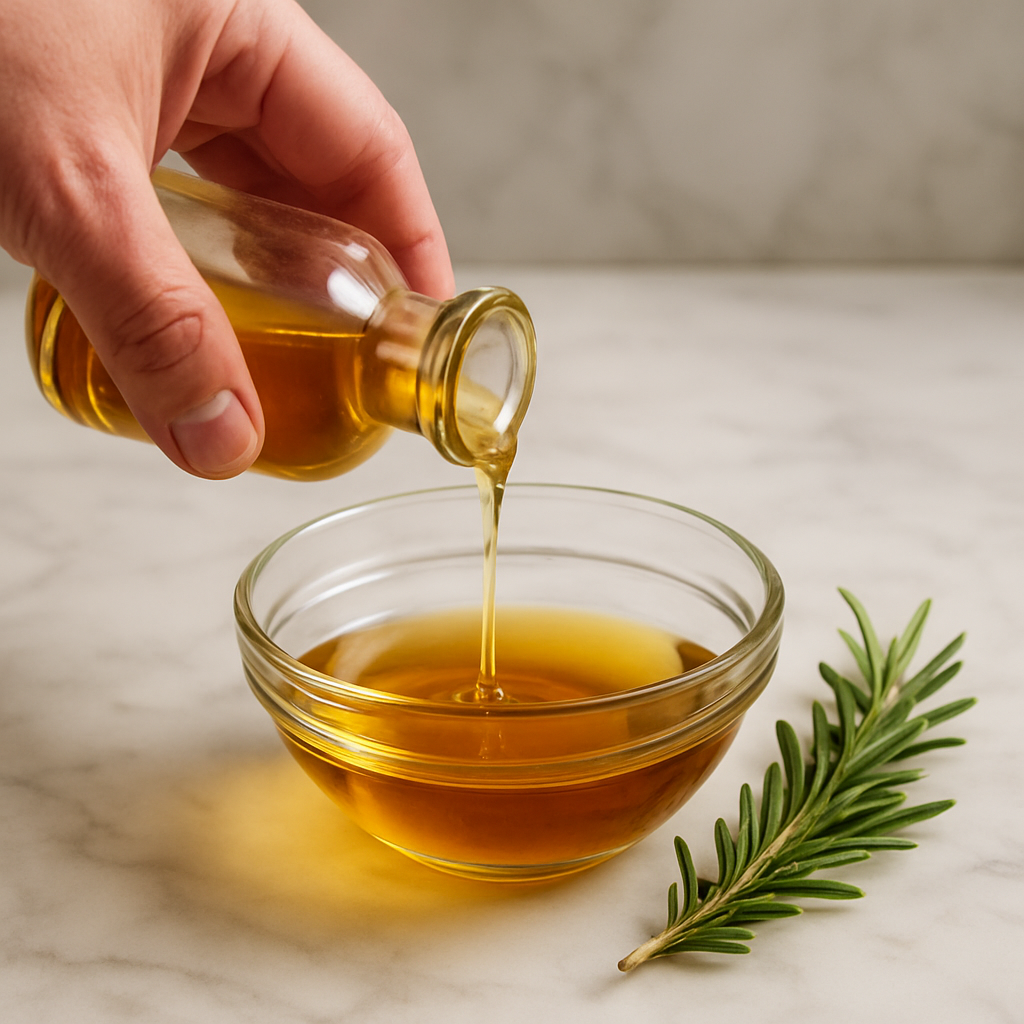
First things first – you need the right base. Grab a cold‑pressed, organic castor oil and a therapeutic‑grade rosemary essential oil. If the castor feels too thick, dilute it with a light carrier such as jojoba or grapeseed in a 1:2 ratio (one part castor, two parts carrier). Warm the blend for 10‑15 seconds in a bowl of warm water; this makes spreading painless.
Tip: always do a 24‑hour patch test on the inside of your wrist. If you notice any redness or itching, dilute a bit more or skip that batch.
Step 2: Night‑time Castor Deep‑Condition
- Measure 1 ml of castor oil and mix with 2 ml carrier oil.
- Apply to a clean, slightly damp scalp, focusing on the crown and any thinning zones.
- Massage gently in circular motions for 3–5 minutes – think of it as a mini‑workout for your scalp.
- Cover with a soft cotton towel or a silk bonnet to avoid staining pillows.
- Leave on overnight (6–8 hours), then shampoo with a sulphate‑free cleanser in the morning.
Real‑world example: Liam, a 45‑year‑old accountant from Leeds, started this routine on Tuesdays. After six weeks he told us his hair felt “softer, like it had its own built‑in conditioner” and the stray hairs on his temples were noticeably less sparse.
Step 3: Morning Rosemary Boost
While castor works its magic while you sleep, rosemary gives you a quick circulatory jolt to start the day.
- Combine five drops of rosemary essential oil with 30 ml of jojoba oil (roughly a 1:6 ratio).
- Using your fingertips, massage the blend into the scalp for 2 minutes, concentrating on the front hairline and sides.
- If you’re short on time, spray a diluted mix – 3 drops rosemary in 100 ml of water – and spritz directly after washing. No rinse needed.
Take Priya, a 38‑year‑old graphic designer in Manchester. She uses the spray each morning before heading to the office. After eight weeks the scalp tingles less, and the sideburns look a shade denser. The scent even gives her a mini‑pick‑me‑up before meetings.
Step 4: Combine for a Weekly Cycle
Think of the routine as a dance: castor on night two or three times a week, rosemary every morning you wash. Here’s a quick calendar you can copy:
- Monday: Castor soak (night).
- Tuesday: Rosemary spray (morning).
- Wednesday: Rest – no oil, just gentle shampoo.
- Thursday: Castor soak (night).
- Friday: Rosemary spray (morning).
- Saturday: Light scalp massage with carrier only.
- Sunday: Rest.
Stick to the schedule for at least 12 weeks before judging the results – hair cycles need time to show change.
For a deeper dive into why improving scalp circulation matters, check out our guide on how to improve blood circulation in the scalp. It outlines complementary techniques like gentle brushing and dietary tweaks that amplify the oil benefits.
If you enjoy DIY experiments, the team at Tangle Teezer shares five easy rosemary‑oil recipes that you can customise with castor, peppermint or argan oil. Their step‑by‑step instructions are a great way to experiment without buying a dozen bottles: DIY rosemary hair oil recipes.
Remember, consistency beats intensity. A few drops every day will outrun a heavy treatment you forget after a month. Keep a small notebook, jot down the day, the amount you used, and any scalp sensations – this simple tracking helps you fine‑tune the routine.
And finally, a quick hack: if you’re worried about oil transfer onto pillowcases, slip a thin cotton scarf over the pillow before you drift off. It’s cheap, washable, and keeps your sheets spotless.
Safety, Side Effects, and Contraindications
When you start mixing castor oil and rosemary oil, the excitement can make you overlook the little warnings that keep the routine gentle. Below we break down what to watch out for, how to spot a reaction early, and practical steps to stay safe while you’re chasing that fuller look.
Common irritations and how to dodge them
Both oils are powerful, but they’re not magic bullets – they can irritate if you over‑do it. Castor oil’s thickness means it can trap sweat and sebum, leading to a clogged scalp if you don’t cleanse properly. Rosemary oil, being an essential oil, may cause a tingling or mild burning sensation in sensitive skin.
Here’s a quick checklist you can stick on your bathroom mirror:
- Patch‑test for 24 hours: dab a tiny amount of the diluted blend on the inner forearm or behind the ear.
- Look for redness, itching, or a rash. If anything feels off, add more carrier oil or reduce the rosemary drops.
- Start with a low frequency – one application per week – and gradually build up as your scalp tolerates.
Does this sound familiar? I once tried a full‑strength rosemary drop straight onto my scalp because I was eager for results. Within a day I had a flaky, itchy patch that took a week of gentle cleansing to calm down. The lesson? Less is more, especially with essential oils.
Specific side‑effects to monitor
Castor oil can leave a greasy film if you skip the carrier or forget to wash it out fully. That film may attract dust, which some people mistake for “dandruff”. A simple solution is to follow up with a clarifying shampoo once a week, as recommended by dermatologists.
Rosemary oil may trigger photosensitivity in a tiny minority of users. If you notice extra redness after sun exposure, consider using the oil at night instead of right before stepping out.
Both oils can, in rare cases, cause contact dermatitis. If you experience swelling, blistering, or a burning sensation that doesn’t ease after rinsing, discontinue use and seek advice from a board‑certified dermatologist.
Contraindications – when to skip the oils altogether
If you have a history of eczema, psoriasis, or any chronic scalp condition, talk to a skin specialist before adding either oil. The anti‑inflammatory properties of castor oil sound helpful, but on compromised skin they might mask an infection.
Pregnant or nursing people should be cautious with rosemary essential oil; while topical use is generally low‑risk, high concentrations can affect hormone‑sensitive conditions. Dilute to a 1:10 ratio (one part rosemary to ten parts carrier) and keep the application to once a week.
People with very fine, oily hair often find that castor oil makes their roots feel heavy and greasy. In those cases, stick to rosemary‑only sprays or switch to a lighter carrier like grapeseed.
Actionable safety routine
1. Patch‑test first. Use a cotton swab to apply a 1 ml blend of 1 drop rosemary + 5 drops carrier to the inner wrist. Wait 24 hours.
2. Limit frequency. Begin with two sessions per month – one castor soak at night, one rosemary mist in the morning.
3. Rinse thoroughly. After a castor soak, use a sulphate‑free, clarifying shampoo to avoid buildup.
4. Track reactions. Keep a simple log: date, amount, any itching, redness, or pleasant sensations. Patterns will tell you if you need to adjust ratios.
5. Know when to stop. If irritation persists beyond three applications, discontinue and consult a professional.
Balancing benefits with safety
When used correctly, the duo can improve moisture balance and boost circulation without wreaking havoc on your scalp. For a light, rosemary‑centric routine that stays on the safe side, our Hair Growth Spray for Women: A Practical Guide to Thicker, Fuller Hair walks you through dilution ratios, application timing, and how to combine the spray with a gentle castor night‑treatment.
Bottom line: safety isn’t a roadblock, it’s the foundation. By respecting patch‑tests, monitoring side‑effects, and honouring contraindications, you give your hair the best chance to thrive while keeping your scalp happy.
Bonus Tips: Combining Oils with Other Hair Growth Products
Ever wondered if you could get a little extra boost by pairing your favourite oils with other hair‑growth allies? You’re not the only one – most of us over 30 have tried a splash of something extra, hoping it will nudge those stubborn strands into growing a touch thicker.
Here’s the thing: castor oil vs rosemary oil for hair growth works best when you respect what each ingredient brings to the party. Castor gives deep moisture, rosemary sparks circulation, and the right side‑kicks can amplify both without turning your scalp into a chemistry lab.
Why blend with other actives?
Think of your hair routine like a playlist. A single song can set the mood, but a well‑curated mix keeps you moving. Adding a peptide serum, a caffeine‑rich rinse, or even a gentle niacinamide booster can target different stages of the hair‑growth cycle.
For instance, peptides help signal follicles to stay in the anagen (growth) phase, while caffeine improves micro‑circulation – a natural ally to rosemary’s own vasodilating effect. When you layer these, you’re essentially giving the scalp a multi‑tool kit.
Simple combos to try
1. Castor + Peptide Serum (evening)
- Mix 1 ml castor oil with 2 ml lightweight carrier (jojoba works well).
- After your nightly scalp massage, pat a few drops of a peptide‑rich serum (look for copper‑tripeptide‑1) onto the same zones.
- Leave on overnight, rinse with a sulphate‑free shampoo in the morning.
Why it works: the heavy‑duty moisture from castor keeps the scalp barrier happy, while the peptide whispers to follicles to stay active.
2. Rosemary + Caffeine Water Spray (morning)
- Dilute 5 drops rosemary essential oil in 100 ml distilled water.
- Add 1 tsp brewed green tea (natural caffeine source) and a pinch of sea salt.
- Shake well and spritz onto damp hair after shower; do not rinse.
This combo gives you a quick circulation lift from rosemary and an extra caffeine kick that can prolong the growth phase.
Want the science behind rosemary’s circulation boost? Healthline explains how rosemary oil may support hair growth by improving scalp blood flow.
Timing and layering tips
Layering isn’t about slapping everything on at once – it’s about timing. Use the heavier, oil‑based treatments at night when you can let them sit undisturbed. Follow with lighter, water‑based sprays in the morning so you don’t feel greasy at work.
One practical schedule that many of our clients swear by looks like this:
- Monday night: Castor‑carrier soak + peptide serum.
- Tuesday morning: Rosemary‑caffeine spray.
- Wednesday: Rest – just a gentle shampoo.
- Thursday night: Same castor routine.
- Friday morning: Rosemary‑caffeine spray.
- Weekend: Light scalp massage with just carrier oil to keep things moist.
Stick to the plan for at least 12 weeks before judging results – hair cycles need time to show change.
Quick checklist before you mix
- Patch‑test every new active (24‑hour wait).
- Keep total oil load below 5 ml per application to avoid buildup.
- Choose compatible pH – most peptide serums sit around pH 5‑6, which plays nicely with castor.
- Watch for irritation: redness, itching, or a burning sensation means you need more carrier or less essential oil.
And remember, more isn’t always better. A few drops of each ingredient can be more effective than a heavy pour that leaves your pillowcase looking like a slip‑n‑slide.
Still feeling unsure? You’re not alone. I used to think “the more I stack, the faster the results,” until I ended up with a scalp that felt like a greasy runway. Scaling back to a simple night‑time castor soak and a morning rosemary mist, then adding a peptide serum once a week, gave me consistent progress without the mess.
Ready to experiment? Grab a small bottle of a peptide serum, brew a cup of green tea, and give the rosemary‑caffeine spray a whirl. Track how your scalp feels in a notebook – a quick note each day can reveal patterns you’d otherwise miss.
Lastly, if you’re after a formulation that already blends these actives, the patent for a multi‑phase hair‑growth composition gives a good glimpse of how scientists lock the ingredients together for stability WO2020121329A1. While you don’t need a lab, the principle – keep water‑soluble actives separate from oil‑soluble ones until you apply – can guide your DIY mixes.
Combine wisely, stay consistent, and watch those fine hairs start to look a little fuller, a little healthier, and a lot more confident.
Conclusion
So, after wandering through the world of castor oil vs rosemary oil for hair growth, where do we land?
If you’ve felt the weight of a thick castor soak or the refreshing zing of a rosemary mist, you already know each oil has its own sweet spot. Castor shines when your scalp craves deep hydration and you can spare an hour‑long night treatment. Rosemary steps in when you need a light, daily boost that wakes up circulation without leaving a film.
What matters most is listening to your scalp’s mood. Notice if your hair feels heavy after a castor night? Dial back the amount or swap to a lighter carrier. Notice a tingling after rosemary? That’s a sign it’s doing its job – just keep the dilution gentle.
Takeaway checklist
- Patch‑test any new blend.
- Start with one oil at a time, then experiment with a weekly alternation.
- Track sensations in a simple notebook – a line a day reveals patterns.
- Stay consistent for at least 12 weeks before judging results.
In the end, the “best” choice isn’t a single oil, but a routine that fits your lifestyle and scalp type. Give yourself permission to tweak, keep it simple, and let the hair do the talking.
Ready to put the plan into action? Grab a small bottle of your favourite oil, set a reminder, and watch the subtle changes unfold.
FAQ
What’s the main difference between castor oil and rosemary oil for hair growth?
Castor oil is thick and oily, packed with ricinoleic acid that creates a seal on the scalp and helps lock in moisture. It’s great for people who need deep hydration, especially if their hair feels brittle or the scalp is dry. Rosemary oil, by contrast, is light and volatile; its carnosic and rosmarinic acids stimulate micro‑circulation and can modestly modulate DHT. In short, castor feeds the strands, rosemary wakes the follicles.
Can I use both oils together without causing buildup?
Yes, you can blend them, but the key is keeping the overall texture light. A practical recipe is one part castor oil mixed with two parts a carrier such as jojoba, then adding a few drops of rosemary essential oil. The carrier dilutes the thickness, while the rosemary stays on the surface to boost circulation. Use this combo no more than two times a week and always finish with a gentle sulphate‑free shampoo to clear any residue.
How often should I apply each oil if I’m over 30 and dealing with thinning hair?
For most people in their thirties and beyond, a simple schedule works well: apply a castor‑oil night treatment once or twice a week, and a rosemary‑oil scalp spray every morning or every other day. This gives the heavy moisture a chance to recover the hair fibre while the lighter rosemary keeps circulation steady. If you notice greasiness, pull back the castor sessions; if you feel a persistent tingling, cut the rosemary frequency.
What dilution ratios are safest for a scalp that’s sensitive?
A safe starting point is one drop of rosemary essential oil per five millilitres of carrier (roughly a 1:100 ratio) and for castor oil, mix one part castor with three parts a light carrier such as grapeseed. If you’re especially reactive, double the carrier amount – for example, two drops of rosemary in ten millilitres of jojoba. Keep the total oil load under five millilitres per application and always patch‑test on the inner forearm for 24 hours before full use.
Do I need to leave the oils on my hair overnight or can I rinse them out?
Both approaches work, but they serve different goals. An overnight castor soak allows the oil to penetrate deeply, which is useful if your hair is very dry or you’re battling break‑age. For rosemary, a 30‑minute leave‑in or a post‑wash spray that you don’t rinse gives a circulatory boost without weighing the hair down. If you’re short on time, a 15‑minute rinse‑out after a quick massage still provides benefits, especially for rosemary.
Are there any side‑effects I should watch out for with castor or rosemary oil?
Castor oil can feel greasy if you skip the carrier or don’t shampoo it out fully, which sometimes leads to scalp buildup and itchiness. Rosemary oil, being an essential oil, may cause mild tingling, redness or a rare photosensitivity reaction in very sensitive skin. The safest route is to start with a low concentration, keep applications to two‑three times a week, and stop immediately if you notice swelling, blistering or a persistent burning sensation – then consult a dermatologist.
Will these oils work if I’m already using minoxidil or other hair‑loss treatments?
Yes, most people layer them without issue, but timing matters. Apply minoxidil first on a clean, dry scalp, let it absorb for about 20 minutes, then follow with a thin rosemary spray or a light castor‑carrier mix. The oils act mostly on the surface to moisturise and boost circulation, while minoxidil works at the follicle level. Just be sure the oil layer isn’t so heavy that it blocks the medication from reaching the skin.