


Ever stared at your bathroom mirror and thought, “If only there was a simple trick to coax my hair back to life?” You’re not alone – countless folks have tried everything from pricey serums to endless supplements, only to wonder if they’re missing the obvious.
What if the secret isn’t another product, but a few minutes of gentle pressure each day? That’s where learning how to use scalp massager for hair growth comes in. In our experience at Julian Jay, a regular scalp massage can feel like a mini‑spa session that also nudges dormant follicles awake.
But let’s be real – most people grab a massager and just wave it around, hoping for magic. The truth is, technique matters. Think of your scalp as a garden; you wouldn’t yank the weeds, you’d tend it with care, right? A mindful routine can improve blood flow, reduce tension, and create the ideal environment for new strands to sprout.
So, how do you actually do it without over‑thinking? Start with clean, dry hair. Warm your fingertips or the massager for a few seconds – that extra warmth opens up the pores, much like a warm compress before a facial.
Next, use the massager in slow, circular motions, about the size of a coin, moving from the front hairline back toward the crown. Spend roughly one minute on each section, applying just enough pressure to feel a pleasant tug, not pain. You’ll notice a subtle tingling – that’s a good sign the circulation is kicking in.
And remember, consistency beats intensity. A gentle five‑minute session each night or every other morning is far more effective than a frantic fifteen‑minute marathon once a week. Pair this habit with your favourite Julian Jay growth lotion, and you’re giving the scalp both stimulation and nourishment.
Does this sound doable? Absolutely. It’s a low‑cost, low‑risk addition to any hair‑care regimen that fits into a busy schedule. Ready to give your follicles a friendly wake‑up call? Let’s dive in and explore the step‑by‑step routine that turns a simple massager into a growth‑boosting ally.
TL;DR
A quick, five‑minute scalp massage each day—warm fingertips, gentle circular motions, and a light tug—boosts circulation, awakens dormant follicles, and prepares your scalp for growth. Pair it with Julian Jay’s growth lotion for added nourishment, and you’ll see healthier strands sprouting faster without expensive treatments in just a few weeks consistently.
Step 1: Preparing Your Scalp and Choosing the Right Massager
Before you even think about the rhythmic motions, take a moment to check how your scalp feels today. Is it dry, a bit itchy, or maybe a little oily? That quick self‑check tells you whether you need a gentle warm‑up or a light cleanse first.
Why preparation matters
Imagine you’re about to water a garden. You wouldn’t splash cold water on wilted leaves, right? Same principle applies to your scalp. Warm fingertips or a warmed massager open pores, boost circulation and let nutrients from your favourite Julian Jay lotion sink in more easily.
Start with clean, dry hair. If you’ve just showered, pat your hair gently with a towel – you want the scalp dry enough that the massager can glide, but not stripped of its natural oils. A quick 30‑second scalp rub with your palms does the trick; you’ll feel a subtle tingling that signals blood flow kicking in.
Selecting the perfect massager
Not all massagers are created equal. The ones with silicone bristles are great for a soothing glide, while a wooden roller gives a deeper, grounding pressure. If you’re new to this, pick a device that offers adjustable intensity – you’ll thank yourself when you can dial back the pressure on sensitive spots.
Here’s a quick decision tree: If you prefer a quiet, low‑vibration tool, go silicone. If you like a bit of a massage‑chair vibe, a motorised brush works well. And if you love a tactile, hand‑crafted feel, a wooden knob is surprisingly effective.
Once you’ve chosen, give it a minute of “warm‑up”. Hold it under warm water for a few seconds, then dry it gently. That tiny heat boost is similar to the warm compress we recommend before any facial routine.
Now that your tool is ready, let’s talk technique. Divide your scalp into four zones – front, temples, crown, and back. Spend about a minute on each zone, using slow, circular motions roughly the size of a coin. Press just enough to feel a pleasant tug; if it hurts, you’re overdoing it.
Pro tip: Alternate clockwise and counter‑clockwise circles. This mimics the natural blood‑flow pattern and prevents overstimulation of any single area. You’ll notice a faint “buzz” feeling after a few rounds – that’s the circulation waking up.
While you’re massaging, you can also slip in a few drops of Julian Jay growth lotion. The lotion’s lightweight formula absorbs quickly, so it won’t make the massager slip. Think of it as feeding the soil while you till the earth.
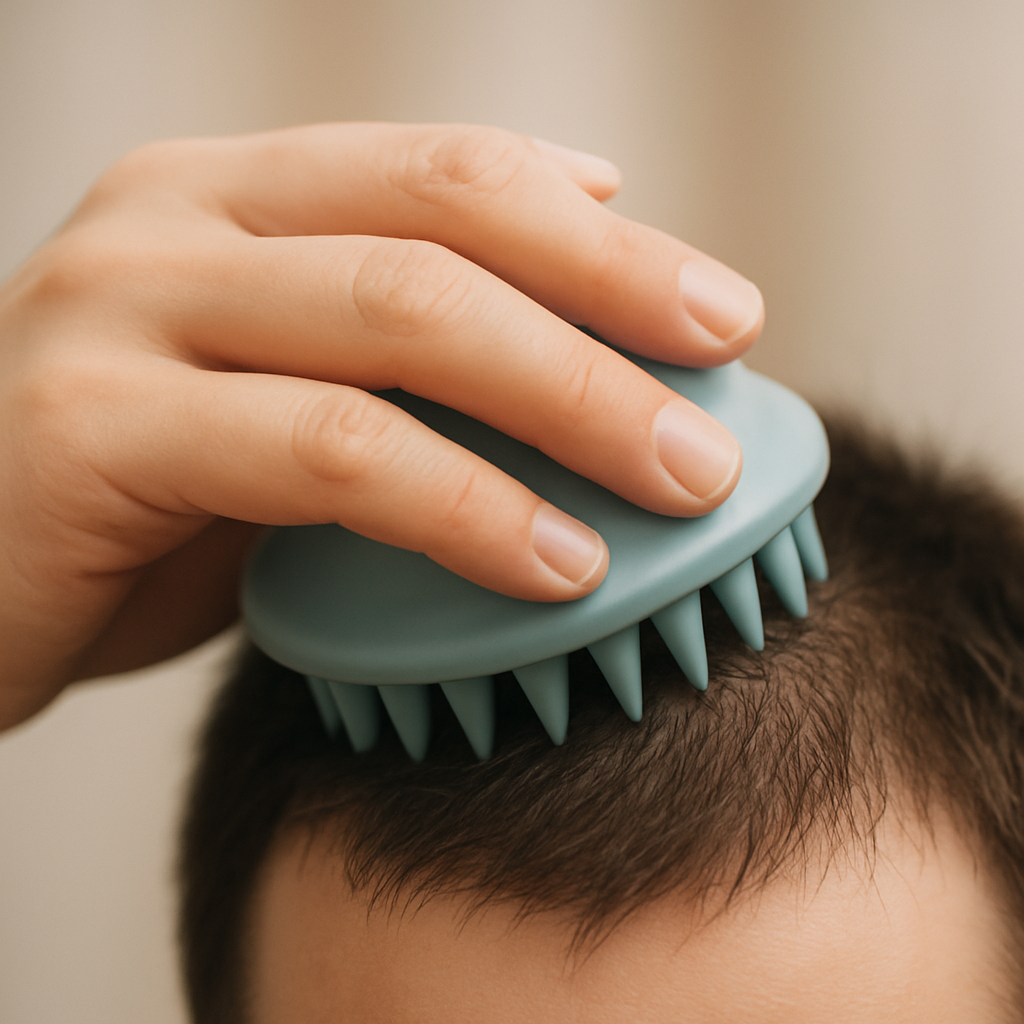
After you finish, give yourself a minute to sit still and let the scalp settle. No need to rush to a hair dryer – the natural warmth you created is already doing its job. Consistency is key: five minutes each night or every other morning is enough to keep the follicles alert without causing stress.
So, what’s the next step? Keep your massager clean – rinse it after each use and store it in a dry spot. A clean tool prevents bacterial build‑up and ensures every session feels as fresh as the first.
Remember, the scalp is just as sensitive as any other part of your body. Treat it with patience, and over weeks you’ll start to notice less shedding and a subtle boost in density.
Step 2: Mastering the Correct Massage Technique
Alright, you’ve got the right tool warmed up – now let’s turn that gentle press into a real growth‑boosting ritual. The secret isn’t just moving the massager around; it’s about where, how hard, and how long you linger.
Map your scalp into zones
Think of your head as a garden divided into four quadrants: front hairline, temples, crown, and occipital area (the back). Each zone houses a network of follicles that respond slightly differently to pressure. By treating them individually, you avoid over‑stimulating one spot while neglecting another.
Start at the forehead, move clockwise, and spend roughly one minute per quadrant. That adds up to a tidy five‑minute routine you can slot in before bed or while your coffee brews.
Pressure matters more than speed
Ever tried rubbing your scalp like a car wash? It feels frantic and, honestly, it’s not helpful. The goal is a steady, medium pressure – enough to feel a pleasant tug, but never a sting. If you’re using a silicone‑bristle brush, let the bristles do the work; you’re just guiding them.
Pro tip: place your index and middle fingers on the massager’s handle and press down until you notice a mild tingling. That tingling is the hallmark of increased blood flow, which researchers have linked to thicker hair in a 2016 study where men massaged for just four minutes a day for 24 weeks.
Master the circular motion
Imagine drawing tiny coins on the scalp with the tip of the massager. Move in clockwise circles about the size of a dime; this mimics the natural direction of blood returning to the heart. After completing a circle, shift slightly outward and repeat. The motion should feel like a soft, rhythmic massage, not a frantic scramble.
For those who prefer a more structured approach, try the 30‑second “mini‑set”: three circles on the front hairline, three on each temple, three on the crown, and three on the back. Pause a beat between sets to let the circulation settle.
Timing and frequency
Consistency beats marathon sessions. Aim for five minutes every day or, if you’re pressed for time, a quick 2‑minute blitz twice a day. The research from Healthline notes that twice‑daily scalp massages helped 69% of participants notice improvement in alopecia.
Set a timer – you’ll be surprised how quickly the habit forms when you have a clear endpoint.
Combine with active ingredients
If you’re already using Julian Jay’s growth lotion, apply it right after your massage while the scalp is still warm. The increased permeability lets the serum sink deeper, delivering nutrients right where they’re needed.
For a deeper dive on why the timing matters, check out Does Scalp Massage Help Hair Growth? A Practical Guide – it walks you through the science behind each step.
Quick‑reference table
| Scalp Zone | Duration | Key Motion |
|---|---|---|
| Front hairline | 1 min | Clockwise circles, light pressure |
| Temples | 1 min | Small spirals, moderate pressure |
| Crown | 1 min | Broad circular sweeps |
And that’s it – a simple, repeatable technique that turns a five‑minute rub into a growth‑friendly habit. Remember, it’s the gentle, consistent touch that wakes the follicles, not a forceful yank. So, grab your massager, warm those hands, and give your scalp the love it deserves.
Step 3: Frequency, Duration, and Timing Recommendations
Now that you've got the motions down, the next question is: how often should you actually sit down and give your scalp that gentle love‑tap?
The short answer? Little and often. Studies quoted by the Wimpole Clinic suggest that a daily five‑minute session, or two short sessions totalling the same amount, is the sweet spot for most people.
Why does frequency matter more than marathon‑style sessions? Your hair follicles run on a cycle – a growth phase that stretches over months, a shedding phase that lasts a few weeks, and a resting phase in between. By nudging circulation every day, you keep nutrients flowing right when the follicle is ready to jump back into growth.
So, what does a realistic routine look like? Here’s a quick‑fire checklist:
- Pick a consistent time slot – e.g., right after you brush your teeth in the morning.
- Warm your fingertips or massager for a few seconds; heat opens pores.
- Spend one minute on each of the four scalp zones (front hairline, temples, crown, occipital).
- Use clockwise circles, light to moderate pressure, and pause a beat between zones.
- Finish with a gentle tap for five seconds to signal the follicles to settle.
If you’re pressed for time, split the five minutes into two‑minute bursts – one while you’re waiting for the kettle, another before you drift off to sleep. The key is to keep the pressure light and the motion steady; you don’t need to break a sweat.
What about longer sessions? Some researchers observed that 10‑20 minutes a day over five months yielded the most noticeable thickening. That adds up to roughly 150‑300 minutes total – doable if you treat it like a mini‑spa break rather than a chore.
Set a timer. A simple phone alarm or kitchen timer creates a clear endpoint, and you’ll be surprised how quickly the habit sticks once the session has a defined start and finish.
Expect a tiny bit of extra shedding in the first week or two. The massage can rouse hairs that are already in the telogen (resting) phase, making way for fresh growth. It’s a normal, temporary blip – think of it as pruning before the garden blooms.
Finally, tie the massage to your favourite Julian Jay growth lotion. Apply the serum while the scalp is still warm; the heat helps the active ingredients seep deeper, giving you a one‑two punch of stimulation and nourishment.
How should you slot the massage around your other hair‑care rituals? A good rule of thumb is to massage first, then apply any serums or oils while the skin is still warm – that’s when the pores are most receptive. If you wash your hair in the evening, do the massage just before you rinse, so the circulation boost isn’t washed away. And don’t forget to snap a before‑and‑after photo every month; visual proof keeps motivation high.
Bottom line: aim for five minutes a day, or two short bursts, keep the pressure gentle, and be patient. Consistency is the quiet engine that will turn those tiny circles into thicker strands over the coming months.
Step 4: Complementary Hair‑Growth Practices to Enhance Results
You've got the massage routine down, but the real magic happens when you pair it with a few extra habits that keep your scalp happy. Think of it like adding a dash of spice to a dish that already tastes great – the flavour deepens, and the result feels more satisfying.
Feed the follicles with scalp‑friendly oils
Right after your five‑minute rub, drizzle a few drops of a nourishing oil while the skin is still warm. A blend of rosemary‑infused Batana oil does the trick – the rosemary stimulates circulation, and the Batana seals in moisture without greasing your roots.
Grab a dropper, apply 10‑15 drops directly to the crown, and massage for another two minutes. The extra minutes feel like a mini‑spa, and the oil gives the follicles a nutrient‑rich cushion to grow into. You can find a good starter on Amazon’s Batana Rosemary Oil – it’s cheap, easy to use, and works well with our massager.
Gentle scalp exfoliation once a week
Dead skin cells can block the pathways that blood and nutrients travel on. A soft silicone brush or a DIY sugar‑salt scrub applied lightly before your massage clears the road.
Spend about three minutes scrubbing in circular motions, rinse, then dive straight into the massage. The clean surface lets the active ingredients in Julian Jay’s growth lotion sink deeper, and you’ll notice less flakiness after a few weeks.
Mind your diet and hydration
Even the best scalp routine won’t rescue a nutrient‑deprived body. Aim for a plate rich in lean protein, leafy greens, and omega‑3 fatty acids – think salmon, walnuts, and chia seeds.
Hydration is the silent hero; water carries the vitamins right to the hair follicles. If you’re sipping less than eight glasses a day, set a reminder on your phone – your scalp will thank you.
Stress management and sleep hygiene
Stress spikes cortisol, which can push hair follicles into a resting phase. A quick five‑minute breathing exercise before bedtime calms the nervous system and, according to Velvet Head Spa, regular scalp massage already lowers stress hormones. Combine the two, and you’re giving your hair a double‑dose of calm.
Sleep isn’t optional either. Aim for seven to nine hours of uninterrupted rest; this is when growth hormone does its nightly repair work. A silk pillowcase reduces friction, keeping the newly‑strengthened strands from breaking.
Protect while you style
Loose ponytails, gentle hair ties, and low‑heat settings keep the progress you’re building from slipping away. Avoid tight braids that tug at the scalp, and skip daily heat tools unless you use a heat‑protect spray.
Remember, consistency is your best friend. A quick checklist to run through each week could look like this:
- Monday: Scalp oil + 5‑minute massage.
- Wednesday: Light exfoliation + massage.
- Friday: Full routine + stress‑relief breathing.
Check it off on your phone or a sticky note – the visual cue keeps the habit alive.
And don’t forget to snap a photo every month. Seeing the subtle thickening is the fuel that makes you keep going, even on days when you feel like skipping.
Conclusion
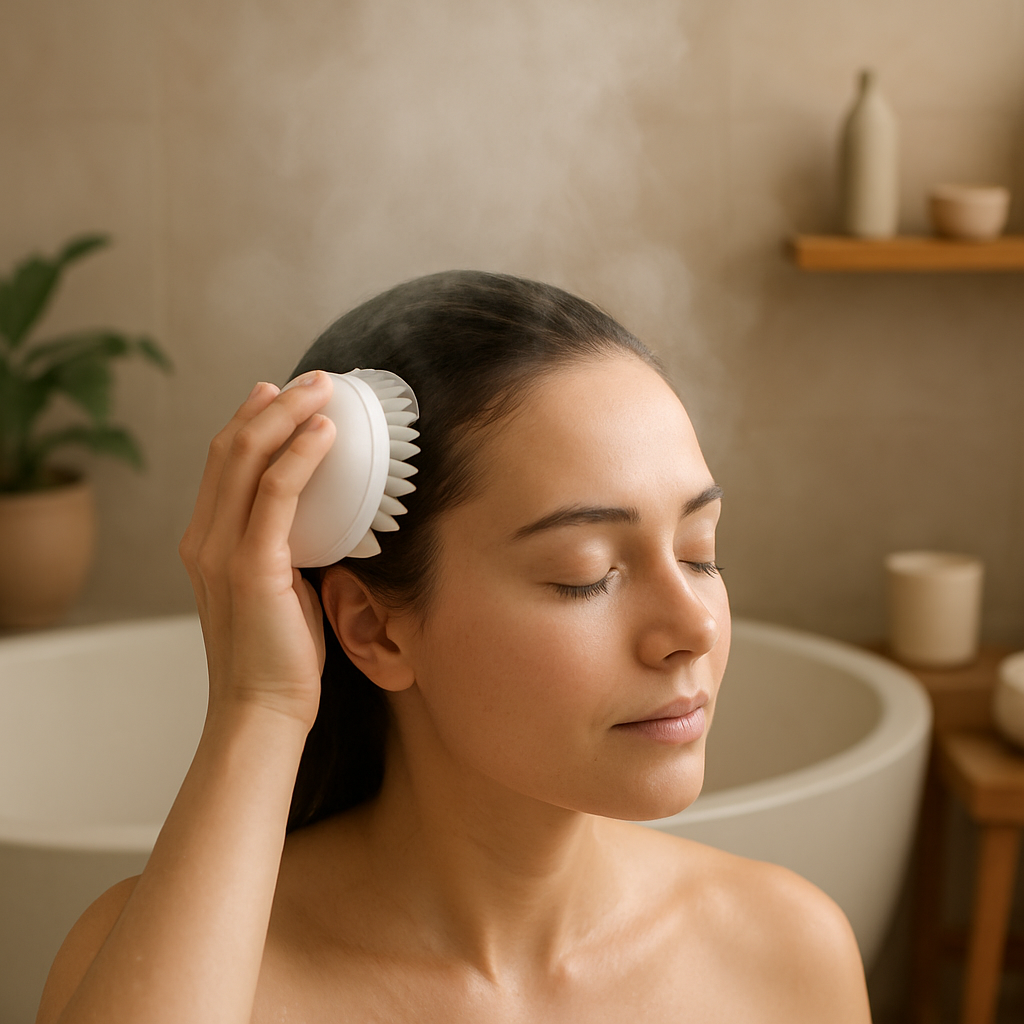
If you’ve made it this far, you already know that a few minutes with a scalp massager can feel like a mini‑spa and give your follicles a gentle wake‑up call.
In short, the recipe is simple: choose a tool that matches your scalp type, warm your hands or the device, spend about five minutes each day moving in clockwise circles across the front hairline, temples, crown and occipital area, and keep the pressure light enough to feel a pleasant tingling.
Doing that day after day boosts blood flow, lowers cortisol, and creates the perfect environment for new strands to sprout – all without pricey treatments or a mountain of time.
Pro tip: set a phone alarm or sticky‑note reminder, and snap a quick photo each month. Watching the subtle thickening keeps the habit alive even on lazy evenings.
When you’re ready to give the scalp a boost of nourishment, Julian Jay’s growth lotion slides on nicely while the skin is still warm – it’s a one‑two punch that many of our customers swear by.
So, what’s the next step? Grab your massager, schedule those five minutes, and watch your confidence grow along with your hair.
Remember, consistency beats intensity – a tiny daily habit can outpace occasional marathon sessions.
FAQ
How often should I use a scalp massager for hair growth?
Most of us find that a short, daily session works better than a marathon once a week. Aim for five minutes each day, or split it into two‑minute bursts morning and night if your schedule is tight. The regular gentle stimulation keeps blood flowing and nutrients reaching the follicles, which is exactly what you need for steady growth. If you miss a day, don’t panic – just pick up where you left off.
What pressure is right when I’m learning how to use scalp massager for hair growth?
The sweet spot is a pressure that feels like a light tug, not a sting. Press the tips of the massager or your fingertips into the scalp until you notice a pleasant tingling sensation – that’s the sign circulation is waking up. If you hear a click or feel sharp pain, dial it back. Start with the lightest setting on an electric tool or use a gentle manual brush, and increase only as you become comfortable.
Can I combine scalp massage with my hair‑growth lotion?
Yes – the combo works like a two‑step spa. After you finish your five‑minute massage, the scalp is still warm and the pores are open, which lets the active ingredients in Julian Jay’s growth lotion sink deeper. Apply a few drops and massage them in with the same gentle circular motion for another 30 seconds. You’ll notice the lotion feels less greasy and more absorbed, giving the follicles both stimulation and nourishment.
Do I need to warm the massager or my hands first?
Warming up isn’t a luxury, it’s a small science hack. Heat causes the blood vessels in the scalp to dilate, meaning more oxygen and nutrients can reach the hair follicles during the massage. You can warm the device on its low setting for a few seconds, or simply run your hands under warm water for 10‑15 seconds and shake off the excess. The extra warmth only adds a few seconds to your routine but makes the tingling more noticeable.
Is it safe to use a scalp massager every day if I have a sensitive scalp?
If your scalp is on the sensitive side, you don’t have to skip the daily habit – just choose a softer tool and keep the pressure feather‑light. Silicone‑bristled brushes or a gentle wire‑pronged manual massager are ideal because they glide without digging. Start with 30‑second intervals and gradually build to the full five minutes as you gauge comfort. In our experience, a consistent, low‑intensity routine is far more beneficial than an occasional aggressive session.
How long will it take before I notice any difference?
Patience is part of the recipe. Most people start seeing a subtle thickening after three to six weeks of consistent use, but measurable growth can take three to four months. Keep a simple photo diary – snap a picture of the same spot every four weeks and compare. The key is to stick with the routine, because the scalp responds to regular cues more than any single ‘miracle’ session.