


Ever looked in the mirror and thought, “Why does my scalp feel like a dusty road while my hair keeps thinning?” You’re not alone – many of us battle that itchy, flaky feeling that seems to come hand‑in‑hand with hair loss.
That uncomfortable combo is often seborrheic dermatitis, a common scalp condition that, if left unchecked, can aggravate hair follicles and accelerate shedding. It’s frustrating because the symptoms masquerade as ordinary dandruff, yet the underlying inflammation can quietly undermine any hair‑growth routine you’ve been following.
So, what’s the real link between seborrheic dermatitis and hair loss? Think of your scalp as a garden. When the soil gets too dry or too soggy, the plants struggle to take root. In the same way, the excess yeast and inflammation that characterise seborrheic dermatitis disrupt the environment that hair follicles need to thrive. The result? More strands slipping out than you’d like.
Here’s the good news: you don’t have to accept this cycle. A targeted seborrheic dermatitis hair loss treatment can calm the flare‑ups, restore balance, and give your follicles a chance to grow strong again. It’s not about a miracle cure; it’s about a sensible, step‑by‑step approach that tackles the scalp’s health first.
Imagine swapping that greasy, itchy feeling for a fresh, breathable scalp that feels like you’ve just stepped out of a spa. That’s what a proper treatment plan aims for – soothing the irritation, reducing flake formation, and creating the ideal foundation for hair regrowth.
Now, you might be wondering where to start. Do you need a medicated shampoo, a gentle cleanser, or perhaps a combination of both? And how do you fit these products into your existing routine without turning your bathroom into a chemistry lab?
Don’t worry – we’ll walk through the most effective options, explain how each works, and give you practical tips you can apply today. Let’s dive in and turn that flaky frustration into a clearer, healthier scalp.
TL;DR
A targeted seborrheic dermatitis hair loss treatment calms inflammation, reduces flaking, and creates a healthy scalp environment for follicles to regrow. Start with a medicated ketoconazole shampoo, follow with a gentle cleanser, and stick to the routine twice weekly for visible improvement within weeks and you’ll notice less itchiness daily.
Step 1: Identify Triggers of Seborrheic Dermatitis Hair Loss
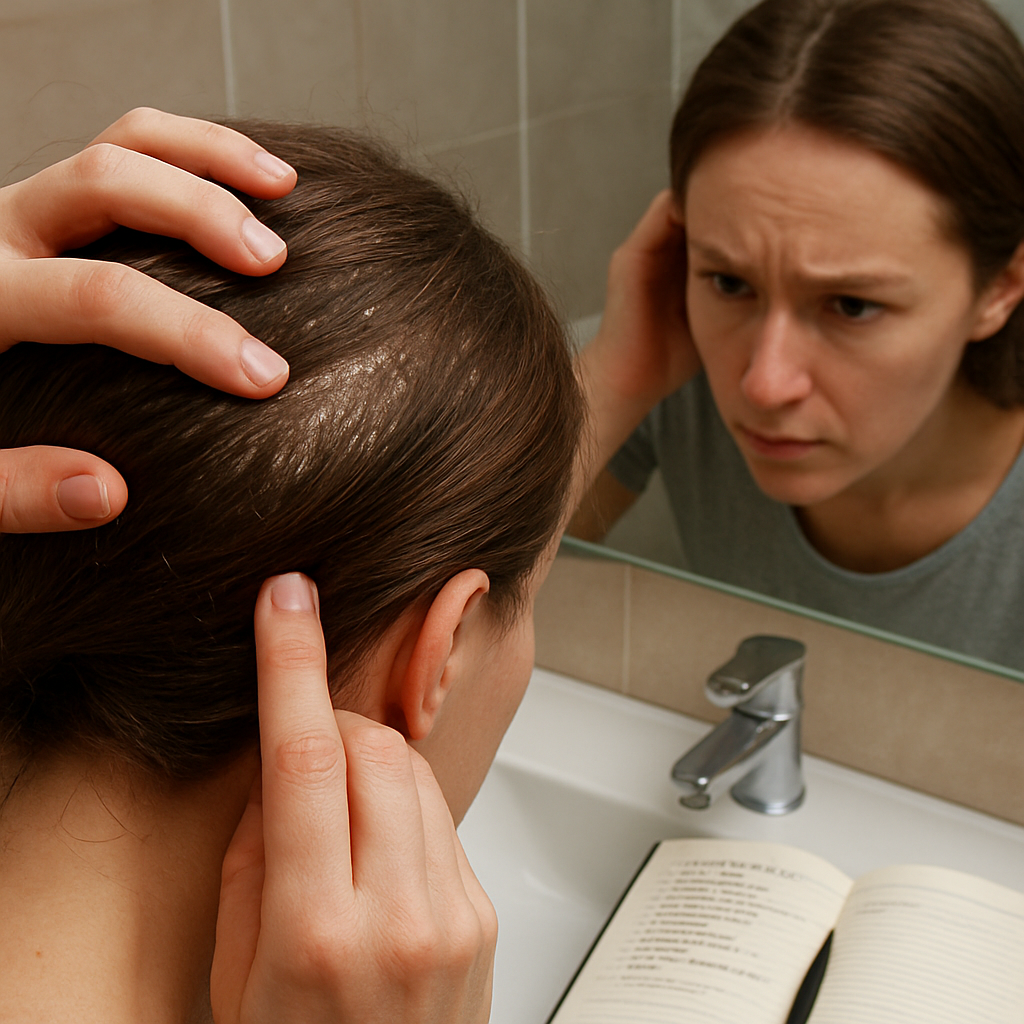
First things first, you need to spot what’s actually lighting the fire under your scalp. It’s easy to blame the weather or stress alone, but most of the time seborrheic dermatitis flares up because something in your routine or environment is feeding the yeast that lives on your skin.
Typical triggers include oily hair or scalp, harsh soaps, frequent heat styling, and even certain foods that boost sebum production. Hormonal shifts – think puberty, pregnancy or menopause – can also tip the balance, as can cold, dry winter air that strips natural oils and leaves the scalp vulnerable.
The trick is to keep a simple diary for at least two weeks. Jot down the day, what you ate, any new products you tried, how often you washed, and the severity of itch or flake count on a 1‑5 scale. After a handful of entries you’ll start to see patterns – maybe a spike after a new styling gel, or a calm period when you switched to a milder shampoo.
One easy way to visualise the connection is to use a quick video walkthrough of a scalp examination. Watching a dermatologist point out redness, scaling and oil‑rich zones can help you match what you feel to what you see.
Take a moment to pause the clip and run your fingers over your own scalp. Do you feel the same oily patch the doctor highlighted? Mark that spot in your diary – it’s a concrete clue that will steer your next treatment choice.
When you’ve narrowed down a pattern, it’s time to pick the right medicated shampoo. If excess yeast is the main culprit, a ketoconazole‑based formula can dramatically cut down inflammation. Our Ketoconazole Shampoo for Hair Loss: Evidence‑Based Guide walks you through selecting the optimal concentration and how to rotate it with a gentle cleanser for best results.
Beyond pharmaceuticals, many people find relief in natural anti‑inflammatory agents. A tea tree oil scalp rinse, oatmeal mask, or a daily supplement of omega‑3 fatty acids can soothe irritation and rebalance skin microbes. For a curated list of plant‑based options, check out 5 Best Natural Remedies, which highlights several herbs that have shown promise for seborrheic dermatitis.
If you’re looking for a soothing, skin‑friendly cleanser, goat‑milk‑based soaps are worth a try. Their natural fats help moisturise while the mild acidity can calm excess yeast. A practical guide on finding quality local goat milk soap can be found at Goat Milk Soap Near Me, giving you tips on what to look for and how to test products before you buy.
Now that you’ve identified the prime offenders – whether it’s a specific shampoo, a dietary habit, or even the climate you live in – you can move on to the next phase: choosing a targeted seborrheic dermatitis hair loss treatment plan. Keep your diary handy, because the data you’ve gathered will be the roadmap for the regimen we’ll outline in the following steps.
Remember, the more precise your trigger list, the quicker you’ll see improvement once you start the treatment. Consistency and patience are key, but the payoff – a calmer scalp and thicker strands – is well worth the effort.
Step 2: Choose a Gentle, Anti‑Dandruff Shampoo
Okay, you’ve already spotted a few triggers, so now it’s time to give your scalp a proper wash. Imagine swapping that harsh, scented bottle for something that actually calms the itch without stripping away the good stuff.
What makes a shampoo “gentle”?
A gentle formula is low‑foam, pH‑balanced (around 5.5), and free from sulfates, parabens and heavy fragrances. Those irritants can thin the scalp’s protective barrier, leaving the yeast Malassezia free to multiply. Instead, look for a light, creamy texture that rinses clean but leaves a thin protective film.
When you’re hunting for the right product, ask yourself: does it feel like a harsh detergent or more like a soft caress? If the latter, you’re on the right track.
Key anti‑dandruff ingredients to look for
Most over‑the‑counter shampoos rely on one of three workhorses:
- Zinc pyrithione – an antimicrobial that tackles both fungus and inflammation. The American Academy of Dermatology backs it as a first‑line choice for scalp flakiness.
- Ketoconazole – a proven antifungal that also reduces inflammation. Studies show it can be used once or twice a week as part of a long‑term seborrheic dermatitis hair loss treatment plan.
- Salicylic acid – a keratolytic that helps lift stubborn scales, making room for the other actives to work.
If you spot any of those on the label, you’ve got a solid base. Avoid shampoos that list “coal tar” as a primary ingredient unless you’ve spoken to a dermatologist – it can be a bit harsh for everyday use.
According to the National Library of Medicine, a standard formulary for seborrheic dermatitis includes 1% ketoconazole, 1% zinc pyrithione and low‑strength hydrocortisone for flare‑ups (NCBI).
Start by checking the concentration. Most OTC zinc pyrithione shampoos sit at 1‑2% and are gentle enough for daily use. Ketoconazole is usually 1% and works well twice weekly. Salicylic acid shampoos often sit around 2% and pair nicely with a milder cleanser on the off‑days.
Here’s a quick checklist you can print out:
- Free of sulfates (SLS, SLES) and harsh fragrances
- pH ≈ 5.5
- Contains one of the three actives above
- Clear, non‑sticky after‑feel
Once you have a candidate, give it a test run for a week. Notice if the itch eases, if flakes diminish, or if you feel any burning. If the answer is “yes”, you’ve likely found a winner.
How to use the shampoo effectively
1. Wet your hair thoroughly – warm water opens the pores and lets the actives penetrate.
2. Apply a coin‑sized amount and massage gently for 30‑60 seconds. Don’t scrub; you’re coaxing, not scrubbing.
3. Leave it on for 3‑5 minutes. That’s the sweet spot for zinc pyrithione and ketoconazole to do their job.
4. Rinse with cool water to close the cuticles and lock in moisture.
5. Follow with a light conditioner on the lengths only, avoiding the scalp.
Do this routine twice a week, and on the other days use a plain, sulfate‑free cleanser if you need a quick rinse. Consistency beats intensity – the scalp loves a steady rhythm.
So, does this sound doable? Most people find that a simple swap takes less than five minutes each wash, yet the payoff is a calmer scalp and, over time, less hair shedding.
One last tip: rotate your actives every few weeks. For example, use a zinc pyrithione shampoo for two weeks, then switch to a ketoconazole formula for the next two. This prevents the yeast from getting too comfortable and keeps your scalp environment fresh.
Remember, a gentle, anti‑dandruff shampoo isn’t just a cosmetic choice – it’s a core part of any seborrheic dermatitis hair loss treatment strategy. Pair it with the trigger‑management steps you already tackled, and you’ll start seeing fewer flakes, less itch, and healthier‑looking hair within a month or two.
Step 3: Apply Targeted Anti‑Inflammatory Treatments
Now that you’ve cleaned the scalp and chosen a gentle shampoo, it’s time to bring in the heavy‑hit anti‑inflammatory allies. Think of them as the fire‑fighters that calm the flare‑ups long enough for your follicles to get back to business.
Pick the right anti‑inflammatory ingredient
Most dermatologists lean on three star players: ketoconazole, zinc pyrithione and low‑dose corticosteroid creams. Ketoconazole tackles the yeast *Malassezia* and simultaneously dials down inflammation. Zinc pyrithione does the same thing but is a touch milder, which makes it ideal for daily use. If you need an extra soothing boost on a bad day, a prescription‑strength hydrocortisone or fluocinolone lotion can be applied just to the irritated patches – but only until the itch fades, because prolonged steroid use can thin the skin.
Which one feels right for you? If you’ve already been rotating ketoconazole and zinc pyrithione shampoos, you might keep them as your “base” and reach for a steroid cream when the scalp feels like it’s on fire.
How to apply the treatment correctly
1. Wet the scalp with warm water – it opens the pores and lets the active ingredients sink in.
2. Dispense a pea‑sized amount of ketoconazole or zinc pyrithione shampoo onto your palm. Massage gently for 30‑45 seconds, focusing on the crown and behind the ears where flakes love to hide.
3. Let it sit for at least three minutes. That pause is the sweet spot for the anti‑fungal to work its magic.
4. Rinse with cool water to close the cuticles and lock in moisture.
5. If you’re using a steroid cream, dab a thin ribbon onto the most inflamed spots after you’ve towel‑dried the hair. No need to spread it across the whole scalp – just the red, itchy patches.
6. Finish with a light, silicone‑free conditioner on the lengths only, avoiding the scalp so you don’t undo the treatment.
Frequency matters – don’t over‑do it
The Mayo Clinic notes that medicated shampoos can be used once a day or two‑to‑three times a week, then tapered to once a week once symptoms improve according to their guidelines. For most of us, a twice‑weekly routine of ketoconazole followed by a daily zinc pyrithione wash hits the sweet spot.
Why not just use one product forever? Your scalp can become “tolerant” to a single active, meaning the yeast learns to coexist. Rotating between two actives every two weeks keeps the environment unpredictable for the fungus.
Support the anti‑inflammatory work with moisturisation
Inflammation loves dry skin, so a lightweight, ceramide‑rich scalp serum after washing can seal in hydration without clogging pores. Look for products that mention “non‑comedogenic” or “barrier‑repair”. Apply a few drops and massage in with your fingertips – you’ll feel a subtle cooling effect that tells your scalp, “We’ve got this.”
Quick checklist before you walk away
- Use ketoconazole shampoo twice a week, let it sit 3‑5 minutes.
- Follow with a daily zinc pyrithione wash on off‑days.
- Apply a thin steroid cream only on flare‑ups, never all over.
- Finish with a silicone‑free conditioner on the lengths.
- Seal the deal with a barrier‑repair serum after each wash.
- Rotate actives every two weeks to prevent tolerance.
Give yourself a week to notice the difference – you might feel less itching after the first few washes, and after a month the flakes should be a distant memory. Remember, the goal isn’t just a cleaner scalp; it’s a calmer, healthier environment where hair can grow without constant irritation.
So, ready to add these targeted anti‑inflammatory steps to your routine? Grab the products you already have, set a simple calendar reminder, and watch the scalp drama fade away.
If the itch ever returns, revisit step 1 and double‑check your triggers – often the simplest fix is adjusting a stress habit or swapping a styling product.
Step 4: Support Scalp Health with Nutrition and Lifestyle (Comparison Table)
Alright, you’ve tackled the shampoos and topicals – now let’s talk about what you put on your plate and how you live day‑to‑day. The truth is, the scalp doesn’t exist in a vacuum; it reflects the food you eat, the stress you feel, and even the air you breathe.
So, what should you actually change? Think of it as giving your scalp a backstage crew: good nutrition, gentle habits, and a little bit of self‑care. When the crew works together, the show (your hair) finally gets the spotlight it deserves.
First off, why does diet matter at all? The VA’s Whole Health guide notes that seborrheic dermatitis tends to flare in colder, drier climates and when stress spikes, because both drive excess oil and yeast growth according to the VA. The same logic applies to what you feed your body – certain foods can either calm or inflame that internal environment.
Key nutrition pillars
Omega‑3 fatty acids are the MVPs for reducing inflammation. Grab a salmon fillet, a handful of walnuts, or a spoonful of flaxseed oil a couple of times a week. You’ll notice the itch level dropping after a few weeks because those polyunsaturated fats dial down the inflammatory mess that fuels your scalp’s yeast.
Next, probiotics. Your gut and skin talk to each other all the time – a healthy gut means a calmer scalp. Yogurt, kefir, kimchi, or a daily probiotic capsule keep good bacteria thriving, which in turn helps keep Malassezia (the yeast behind seborrheic dermatitis) from running wild.
Don’t forget biotin. While the evidence is mixed, biotin is safe and found in egg yolks, liver, and avocados. A modest supplement can support keratin production, giving your hair shafts a sturdier foundation.
Lifestyle habits that actually work
Stress is a sneaky trigger. A quick 5‑minute breathing exercise each morning – inhale for four seconds, hold for four, exhale for six – can lower cortisol enough to stop your scalp from over‑producing oil. It feels a bit odd at first, but after a week you’ll sense a subtle calmness that carries into the shower.
Sleep matters too. Aim for 7‑8 hours of uninterrupted rest. During deep sleep, your skin repairs itself, and the barrier gets a chance to rebuild. If you’re a night‑owl, try winding down with a cup of chamomile tea and dimming the lights an hour before bed.
Finally, consider the climate. If you live in a dry, heated home during winter, use a humidifier. Moist air keeps the scalp from over‑compensating with oil, which otherwise feeds the yeast.
Quick daily checklist
- Take an omega‑3 supplement or eat fatty fish twice a week.
- Enjoy a probiotic‑rich snack daily.
- Do a 5‑minute mindfulness breathing routine each morning.
- Sleep 7‑8 hours; keep the bedroom cool and dark.
- Use a humidifier in dry seasons.
Comparison table: what to add, why it matters
| Aspect | What to Do | Why it Helps |
|---|---|---|
| Omega‑3 fatty acids | Eat fatty fish twice a week or take a quality supplement | Reduces inflammatory compounds that fuel scalp flare‑ups |
| Probiotic‑rich foods | Include yoghurt, kefir, sauerkraut daily | Supports gut‑skin axis, keeping Malassezia in check |
| Stress management | Practice 5‑minute mindfulness breathing each morning | Lowers cortisol‑driven oil production that feeds yeast |
Putting these pieces together turns your seborrheic dermatitis hair loss treatment into a whole‑body approach, not just a bathroom routine. You’ll still use the medicated shampoos, but now the inside of your body is doing the heavy lifting too.
Ready to give your scalp the nutrition boost it craves? Pick one change from the checklist, stick with it for two weeks, and then add the next. Small, consistent steps are what turn a flaky scalp into a calm, thriving canvas for hair growth.
Step 5: Know When to Seek Professional Care
We've walked you through triggers, shampoos, anti‑inflammatories, and nutrition – that's a solid foundation. But even the best DIY plan can hit a wall.
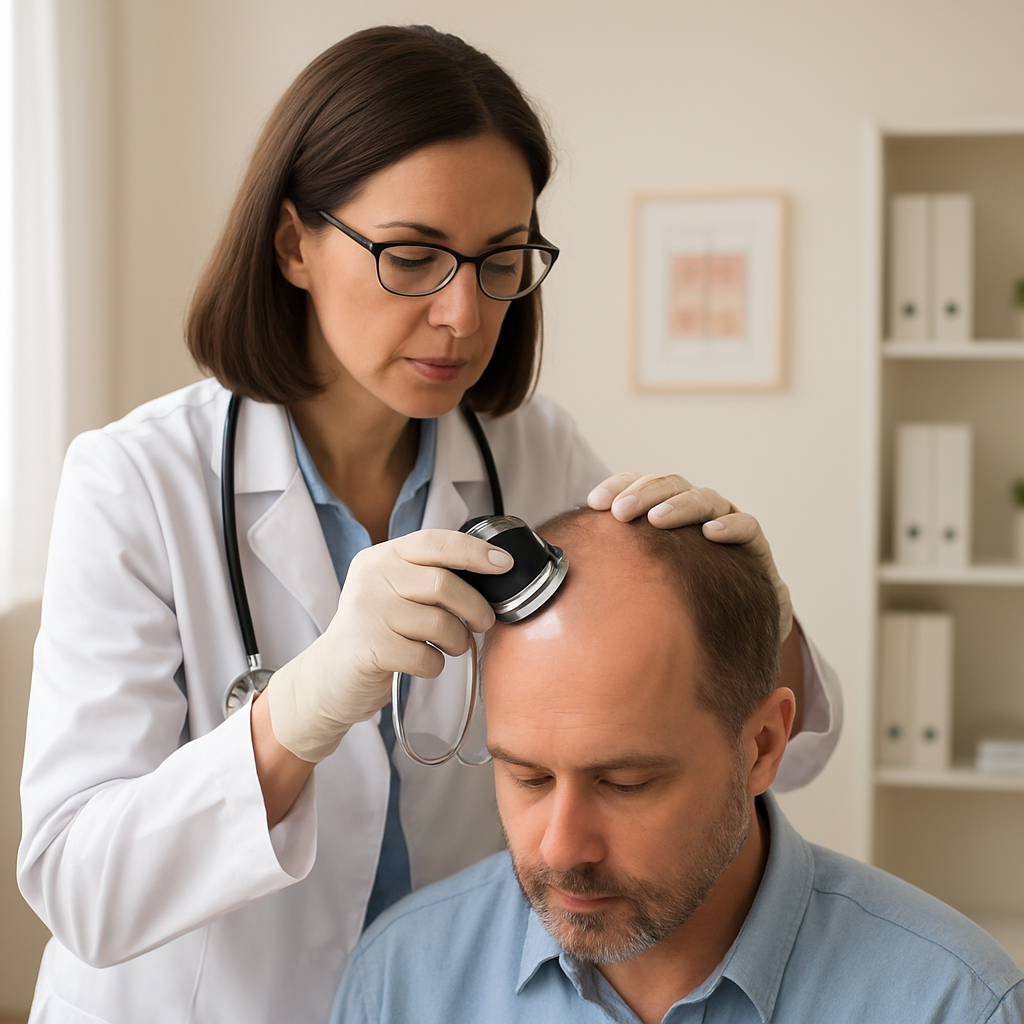
So, how do you know it’s time to pick up the phone and see a dermatologist?
Red‑flag symptoms that aren’t fixing themselves
First off, if the itch feels like a constant buzzing that never quiets, even after you’ve been consistent with your routine, that’s a sign.
Second, look for spreading flakiness – when patches start appearing on the ears, forehead, or even the chest, it often means the scalp inflammation is part of a broader skin issue.
Third, notice any hair loss that accelerates sharply – losing more than a handful of strands a day, or seeing new bald spots, suggests the underlying inflammation is overwhelming the follicles.
And if you spot sudden redness, swelling, or oozing, that’s definitely a cue to get professional help.
When home remedies hit a ceiling
You've probably tried the ketoconazole shampoo, zinc pyrithione wash, and a probiotic snack. If after four to six weeks you’re still battling stubborn flakes, it’s not a failure – it’s a reminder that your scalp might need a prescription‑strength formula.
Sometimes the yeast becomes resistant, or you have an underlying condition like psoriasis masquerading as seborrheic dermatitis. A dermatologist can run a simple skin scrape to confirm.
Also, if you’re using over‑the‑counter steroids and they stop working, that’s a classic hint that a stronger, targeted treatment is required.
What a professional visit can give you
Dermatologists can prescribe 2 % ketoconazole shampoo for daily use, oral antifungals for severe cases, or low‑dose oral steroids that you shouldn't self‑medicate.
They might also suggest a short course of topical calcineurin inhibitors – these calm inflammation without the thinning side‑effects of steroids.
Beyond medication, a clinician can rule out other scalp disorders that mimic seborrheic dermatitis, like fungal infections, eczema, or even early‑stage alopecia areata.
And if you have an underlying health issue – say, Parkinson’s disease or HIV – that can exacerbate the condition, a doctor will coordinate care with your other providers.
Preparing for your appointment
Bring a short diary of the past two weeks: note when flares happen, which products you used, and any lifestyle stressors.
Take a few photos of the worst‑affected areas – lighting doesn’t need to be perfect, just clear enough to show the pattern.
Write down any over‑the‑counter treatments you’ve tried, including frequency and concentration. This helps the doctor avoid duplicating what’s already in your regimen.
Lastly, list any medications or supplements you’re on, because some oral drugs can interact with antifungal prescriptions.
Quick checklist: Is it time to see a pro?
- Itch persists for more than 2 weeks despite a consistent routine.
- Flakes spread beyond the scalp or become oily and crusty.
- Hair loss accelerates or new bald patches appear.
- Redness, swelling, or oozing develop.
- Over‑the‑counter shampoos lose effectiveness after 4–6 weeks.
If you tick any of those boxes, schedule a visit. It’s not a sign of defeat – it’s a proactive step toward a lasting solution.
Remember, a professional can tailor a treatment plan that dovetails with the lifestyle changes you’ve already embraced. Think of it as adding a specialist’s precision to the solid groundwork you’ve built.
And while you wait for the appointment, keep up the habits that are already helping: gentle shampoo, omega‑3s, and stress‑busting breaths. Consistency will make any prescription work faster.
Bottom line: you don’t have to soldier on alone. Knowing when to call in expertise can be the turning point that takes your seborrheic dermatitis hair loss treatment from “good enough” to truly effective.
FAQ
What exactly is seborrheic dermatitis hair loss treatment?
In plain English, it’s a plan that tackles the flaky, itchy scalp that’s also pulling the rug out from under your hair follicles. Think of it as a three‑part routine: calm the inflammation, curb the yeast that thrives on oil, and give your scalp the nutrients it needs to stop shedding. When you blend gentle anti‑dandruff shampoos, targeted anti‑inflammatory drops, and lifestyle tweaks, the hair loss usually slows down and new growth can finally catch up.
How often should I use a ketoconazole shampoo for best results?
Most folks find that twice a week is the sweet spot – enough to keep the yeast in check without drying the scalp out. On the days you skip the medicated wash, a mild, sulphate‑free cleanser works just fine. If you notice the itch getting louder, you can bump it up to three times, but give your skin a day off after each use so it doesn’t get irritated.
Can I combine over‑the‑counter zinc pyrithione with prescription‑strength treatments?
Absolutely, but treat them like teammates, not rivals. Use zinc pyrithione on the days you’re not on a prescription shampoo or cream – it keeps the yeast at bay while the stronger formula does the heavy lifting. Just make sure you rinse thoroughly between products; otherwise you risk diluting the active ingredients. A quick tip: keep a small notebook of which day you used what, so you don’t accidentally double‑dip.
What lifestyle changes make the biggest difference?
Stress, diet, and humidity are the silent culprits. A five‑minute breathing exercise each morning can drop cortisol enough to curb excess oil production. Adding omega‑3‑rich foods – think salmon or walnuts – every few days reduces inflammation from the inside out. And if you live in a heated, dry house, a modest humidifier keeps the scalp from over‑compensating with sebum.
Should I be worried about using steroids on my scalp?
Short‑term, low‑dose steroid creams are fine for a flare‑up, but they’re not a long‑term fix. Overuse can thin the skin and actually make the yeast more aggressive. Think of steroids as a fire‑extinguisher: you pull the trigger when the flames get out of control, then step back and let the anti‑fungal routine do the rebuilding. If you find yourself reaching for steroids more than twice a month, it’s time to revisit your overall plan.
When is it time to call a dermatologist?
If the itch persists for over two weeks despite a consistent routine, or if you notice new bald patches, spreading flakiness, or any oozing, book an appointment. A dermatologist can run a quick skin scrape, prescribe a 2 % ketoconazole shampoo for daily use, or even suggest oral antifungals if the scalp is stubborn. Having those professional insights often short‑circuits months of trial‑and‑error.
How long before I see visible improvement?
Most people spot less itching and fewer flakes within two to three weeks of a disciplined routine. Hair‑loss reduction takes a bit longer – usually four to six weeks before you notice fewer strands on your pillow. Patience is key; treat the scalp like a garden you’re tending daily, and the results will follow as the soil stabilises.
Conclusion
We've walked through every piece of the puzzle – from spotting triggers to picking the right shampoo, soothing inflammation, feeding your scalp from the inside, and knowing when a dermatologist should step in.
So, what does that mean for you? It means you now have a clear, step‑by‑step seborrheic dermatitis hair loss treatment you can start tonight. Grab a gentle anti‑dandruff shampoo, note any flare‑ups in a tiny notebook, and add one omega‑3 rich meal this week.
And remember, consistency beats intensity. A twice‑weekly ketoconazole wash paired with daily zinc pyrithione isn’t a magic trick; it’s a habit that gradually restores balance, just like watering a garden a little each day.
Feeling stuck? Ask yourself: have I been ignoring a stress cue or a product that could be fueling the yeast? Tweaking one tiny habit often unlocks noticeable improvement within a couple of weeks.
Finally, keep an eye on the red‑flags we mentioned – persistent itch, spreading flakes, or sudden hair loss. If they pop up, a quick call to a dermatologist can fine‑tune the plan.
Take the first step now. Your scalp’s calmer, healthier future starts with the simple actions you choose today.
Remember, small daily wins add up – soon you’ll notice fewer flakes, less itch, and hair that stays where it belongs.