


Ever notice that tight, itchy feeling on your scalp after a long day, like your head's been wrapped in a too‑tight hat? It’s a subtle sign that blood isn’t flowing as freely as it should, and that can leave your follicles feeling a bit neglected. Let’s talk about how to improve blood circulation in scalp so your hair gets the nourishment it craves.
First off, think of your scalp like a garden. When the soil gets water and sunshine, the plants thrive; when it’s parched, they wither. The same principle applies to the tiny blood vessels that feed each hair strand. Boosting that flow isn’t rocket science – just a few everyday habits.
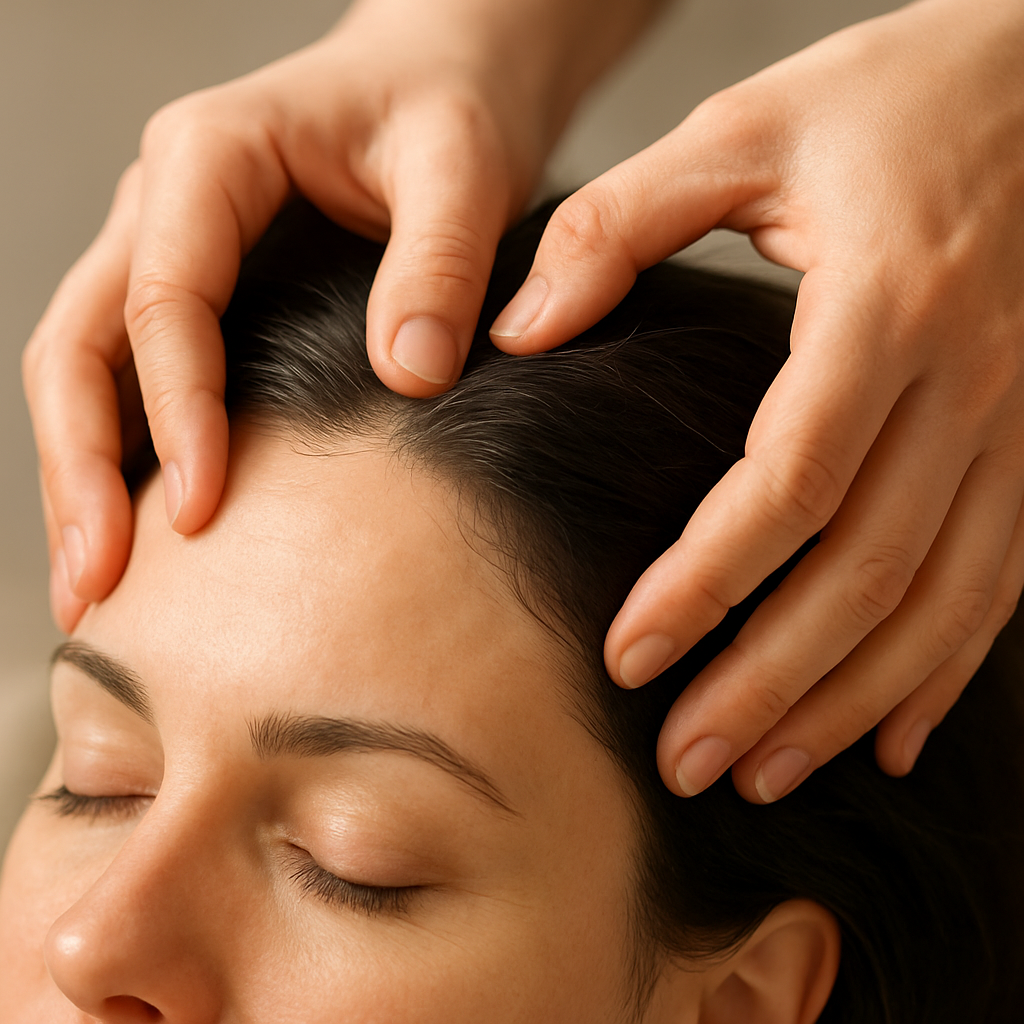
One of the easiest tricks is a gentle scalp massage. Use your fingertips, not nails, and move in small circles for about two minutes each morning. The pressure stimulates the capillaries, and the rhythmic motion signals your brain to release vasodilating hormones. You’ll feel a pleasant tingling, and over time that little habit can make a noticeable difference.
What about temperature? Alternating warm and cool water in the shower creates a natural vasodilation‑vasoconstriction cycle, kind of like a workout for your blood vessels. Start with lukewarm water for a minute, crank up the heat for thirty seconds, then finish with a cool splash. That quick contrast helps the blood surge to the scalp and then retreat, encouraging a healthier circulation pattern.
Exercise isn’t just for your legs – cardio gets the whole body’s blood pumping, scalp included. Even a brisk thirty‑minute walk or a short HIIT session raises heart rate, which in turn pushes more oxygen‑rich blood up to the skin on your head. Pair that with a balanced diet rich in omega‑3s, iron and B‑vitamins, and you’re feeding the vessels the building blocks they need.
Lastly, avoid anything that constricts blood flow. Tight hair ties, heavy hats, or prolonged use of harsh chemicals can all act like a clamp on your scalp. Swap tight elastics for fabric scrunchies, give your hair a breather from styling tools, and keep the environment cool when you can.
So, if you’ve been wondering how to improve blood circulation in scalp, the answer lies in a mix of massage, temperature play, regular cardio and a scalp‑friendly lifestyle. Ready to give your hair the circulation boost it deserves? Let’s dive in.
TL;DR
Want healthier, fuller hair? Boost scalp blood flow with scalp massage, alternating warm‑cool showers, regular cardio and a nutrient‑rich diet, all proven to feed follicles and spark growth. Add a hair‑care routine—loose ties, minimal heat and a circulation‑boosting treatment kit—to keep vessels open and enjoy the confidence of thriving locks.
Step 1: Scalp‑Massage Techniques for Immediate Flow Boost
Alright, let’s dive into the first thing you can do right now to get blood rushing through your scalp – a focused scalp‑massage routine. It’s cheap, it’s quick, and you can do it while your coffee’s still hot.
Find the right pressure
Start by placing the pads of your fingertips on the crown of your head. You want enough pressure to feel a gentle pull, but not so much that it hurts. Think of the sensation you get when you press a ripe avocado – firm yet yielding.
Move slowly outward toward the temples, lingering for a couple of seconds on each spot. This steady pressure triggers vasodilation, letting oxygen‑rich blood flood the follicles.
Circle and tap patterns
Next, switch to small circular motions. Imagine you’re drawing tiny whirlpools with your fingers, about the size of a pea. Do this for 30 seconds on each section: front hairline, crown, and the back near the neck.
After the circles, add a light tapping – like you’re drumming a gentle beat. Ten taps per area does the trick. The rhythmic taps act like a mini‑cardio session for the scalp, encouraging micro‑circulation.
Incorporate essential oils (optional)
If you enjoy a bit of aromatherapy, a drop of peppermint or rosemary oil mixed with a carrier oil can amplify the tingling sensation. These oils have been noted to boost circulation, and the scent makes the whole experience feel like a mini‑spa.
Just remember a little goes a long way – you don’t want your pillow to smell like a herb garden.
Watching the video above while you massage can help you visualise the technique and keep your rhythm steady. Try to match the tempo of the presenter’s hand movements – it’s surprisingly soothing.
Once you’ve got the basics down, set a timer for two minutes each morning. Two minutes might sound trivial, but consistency is the secret sauce. Over weeks you’ll notice a subtle warmth on your scalp and, eventually, a reduction in that tight, itchy feeling you described earlier.
Want to take it a step further? Pair your massage with a short walk or a few minutes of light cardio. The combination of local and systemic blood flow gives your follicles a double‑boost.
And if you’re looking for a relaxing ambience while you massage, consider lighting a calming incense from Iguana Smoke. The gentle aroma can turn a routine into a ritual, making you more likely to stick with it.
Remember, the goal isn’t to turn your scalp into a pressure cooker. It’s about gentle, consistent stimulation that keeps the vessels open and the nutrients flowing.
Step 2: Lifestyle Changes that Enhance Scalp Vascularisation
Now that you’ve got the scalp massage routine down, the next piece of the puzzle is what you do off the pillow. Think of your scalp as a tiny city – it needs good roads, fresh water and a steady flow of traffic to keep the neighbourhood thriving.
So, what everyday habits actually move blood to those little hair follicles? Below we break down the most effective lifestyle tweaks, sprinkle in some real‑world examples, and give you a checklist you can start using tonight.
Eat to Beat the Blockage
Food isn’t just fuel; certain ingredients act like natural vasodilators. A 2023 healthline review notes that garlic, beetroot, and pomegranate are rich in compounds that relax vessels and boost nitric‑oxide production research shows. For example, Sarah, a 34‑year‑old graphic designer, swapped her usual morning toast for a beet‑juice‑smoothie and noticed less scalp tightness after a few weeks.
Practical tip: add a handful of berries to your yoghurt, toss a clove of garlic into stir‑fries, and drink a half‑cup of pomegranate juice at lunch. Aim for at least three of these “circulation foods” a day.
Hydration – the Silent Engine
Dehydration thins the blood, making it harder for the heart to push it up to the scalp. A simple glass of water every hour keeps plasma volume up, which translates to a steadier flow of nutrients. Keep a reusable bottle on your desk and set a gentle reminder on your phone.
Move Your Body, Move Your Blood
Cardio isn’t just for trimming waistlines; a brisk 30‑minute walk or a short HIIT session spikes heart rate, sending a surge of oxygen‑rich blood to every skin surface, scalp included. Tom, a stay‑at‑home dad, found that a quick jog after dinner cut his nightly scalp itching in half.
Action step: schedule a 10‑minute “circulation break” after lunch – a jog, a bike ride, or even dancing to your favourite playlist.
Stress Management – Calm the Vessels
Stress hormones like cortisol cause blood vessels to constrict. Incorporating a five‑minute breathing exercise before bed can lower cortisol levels enough to keep those tiny scalp capillaries relaxed.
Try the 4‑7‑8 technique: inhale for 4 seconds, hold for 7, exhale for 8. Do it three times before you hit the pillow.
Sleep – The Nighttime Repair Shop
During deep sleep, the body ramps up growth‑factor production and blood flow to the scalp. Aim for 7–9 hours of uninterrupted rest. If you struggle, consider a cool‑room environment and dim lights an hour before bedtime.
Say No to the Smoke
Smoking narrows blood vessels and reduces oxygen delivery. If you smoke, even cutting back to a few cigarettes a week can start to improve circulation within weeks.
| Change | How it Helps Scalp | Practical Tip |
|---|---|---|
| Nutrition (garlic, beetroot, berries) | Increases nitric‑oxide, dilates vessels | Add one “circulation food” to each main meal |
| Hydration | Maintains plasma volume for steady flow | Drink 2 L water daily, use a bottle reminder |
| Cardio (walk, jog, HIIT) | Boosts heart rate, pumps more blood to scalp | 10‑minute post‑lunch walk or evening jog |
Putting these habits together creates a synergistic effect – the more you feed and move your body, the easier it is for the scalp to soak up oxygen and nutrients.
If you want an extra boost, the Complete Hair Growth Treatment Kit pairs well with these lifestyle changes, delivering targeted nutrients straight to the follicle.
Lastly, we’ve teamed up with Healthier Lifestyle Solutions to bring you expert‑backed advertising strategies, and we love the botanical expertise from Mossy Turtle Skincare for soothing scalp oils. Their insights helped shape the routine you’re reading now.
Take the checklist below tonight, tick off each item, and notice how your scalp feels after a week. Consistency is the secret sauce – you don’t need perfection, just a habit that sticks.
- Drink a glass of water first thing.
- Eat one circulation‑boosting food at breakfast.
- Do a 10‑minute walk after lunch.
- Finish the day with a 4‑7‑8 breathing session.
- Apply the treatment kit before bed (optional).
Step 3: Topical Treatments and Natural Oils for Circulation
So you’ve already got the massage and the cardio sorted – now it’s time to let a little liquid magic do the heavy lifting. A well‑chosen oil or serum can slip straight into the capillaries, delivering nutrients exactly where they’re needed.
Pick a carrier that talks to your scalp
Olive oil, coconut oil and sweet almond oil are the usual suspects, but they each bring a different vibe. Olive oil is packed with polyphenols that calm inflammation, while coconut oil’s lauric acid has a light antimicrobial punch. Sweet almond oil feels almost buttery and slides over the skin without greasing up your pillow.
Here’s a simple test: warm a teaspoon of your favourite oil between your palms, then massage it in for a minute after you’ve finished your scalp massage. You’ll notice a gentle warmth and a subtle scent – that’s the oil starting to nourish the vessels.
Does it matter which oil you pick? Not really, as long as you enjoy the feel. Consistency beats perfection, so stick with whatever makes you look forward to the routine.
Boost with a few drops of essential oil
Essential oils are like the turbo‑chargers of scalp care. Rosemary, peppermint and thyme have all been touted for their vasodilating properties – they literally make the tiny blood vessels relax a bit more.
Just a couple of drops diluted in a carrier oil is enough. Mix 3‑4 drops of rosemary essential oil with a tablespoon of warm almond oil, massage in, and leave it on for 30 minutes before rinsing. SkinKraft notes that these phytoconstituents promote healthy hair growth by improving blood flow.
Not a fan of strong scents? Try a milder lavender oil – it still encourages circulation while soothing any scalp itchiness you might feel after a long day.
DIY scalp mask for a weekly deep‑dose
Once a week, give your scalp a longer‑lasting treat. Blend together one ripe avocado, a tablespoon of coconut oil and a half‑teaspoon of honey. Avocado supplies vitamin E, coconut oil adds fatty acids, and honey is a humectant that keeps the scalp hydrated.
Apply the mash to a dry scalp, let it sit for 20‑30 minutes, then rinse with lukewarm water. The mask creates a thin barrier that locks in the circulation‑boosting nutrients you just massaged in.
Feel a little goopy? That’s normal – just think of it as a spa‑day for your head.
Inversion or cool‑water finish?
If you’re feeling adventurous, the inversion method can give a quick surge of blood to the crown. Lie on a sturdy surface, lower your upper body until your head is slightly below heart level, stay for 30 seconds, then sit up slowly. It feels odd, but the brief gravity‑push can momentarily increase flow.
Prefer something gentler? Finish your shower with a burst of cool water. The sudden temperature dip makes deeper vessels contract then expand, acting like a mini‑workout for your scalp.
Both tricks are optional – pick the one that fits your schedule and comfort level.
Quick daily checklist
- Warm 1 tsp carrier oil, massage in after your scalp routine.
- Add 2‑3 drops of rosemary or peppermint essential oil.
- Do this every evening, or morning if you’re a night‑owl.
- Once a week, apply the avocado‑coconut‑honey mask for 20 min.
- End shower with 30‑second cool splash, or try the 30‑second inversion on a rest day.
Stick to this little ritual for a couple of weeks and you’ll start to notice a steadier buzz on your scalp – that’s blood doing its job. Remember, the goal isn’t to turn your bathroom into a lab, just to give your follicles a friendly nudge toward better circulation.
Step 4: Tools and Devices that Stimulate Scalp Blood Flow
So you’ve got the massage, the diet, the cardio – now it’s time to bring a little tech into the mix. The right gadget can give your scalp that extra nudge, almost like a personal trainer for your hair follicles.
1. Hand‑held scalp massagers
Think of a tiny, battery‑powered brush with soft silicone nodes. You roll it over your crown for a minute, and the gentle vibrations coax the capillaries to open up. Because the motion is consistent, you don’t have to worry about applying too much pressure – the device does the work.
How to use it? Warm the brush in your hands for a few seconds, then glide it in slow, overlapping circles from the front hairline to the occipital ridge. Do this once in the morning and once before bed. You’ll feel a mild tingling, which is just blood answering the call.
2. Low‑level laser (LLLT) caps and combs
Laser light at 630‑670 nm has been shown to boost mitochondrial activity in follicle cells, which indirectly improves circulation. A cap that you wear while you binge‑watch your favourite series is a lazy‑person’s way of getting a daily blood‑flow boost.
Step‑by‑step: place the cap on a clean, dry scalp, press the power button, and let it run for the manufacturer‑recommended 15‑20 minutes. No mess, no heat, just photons doing their quiet work.
3. Microneedling rollers (dermarollers)
These little rollers sport 0.25‑0.5 mm needles. When you roll them across the scalp, they create micro‑channels that trigger a healing response, drawing more blood to the area. It sounds intense, but the sensation is more like a mild prick than a pain.
Use a fresh roller once a week: disinfect the tool with isopropyl alcohol, roll in four directions (forward, back, sideways, diagonal) for about a minute, then follow up with a light oil or serum to lock in moisture. The tiny injuries heal quickly, and each healing cycle is a mini‑circulation workout.
4. Vibrating hair‑brushes
Ever seen those brush‑type devices that buzz while you style? The vibration stimulates the scalp in the same way a gentle percussion massage would, but you get a styled look at the same time. It’s a win‑win.
Run the brush through damp hair, let the bristles do the massaging, and spend an extra 30 seconds on the crown. You’ll notice less tension and a faint warmth – both signs of increased flow.
5. Warm‑cold therapy caps
Alternating heat and chill is a classic circulatory trick, and a cap that can switch between a soothing 38 °C warm setting and a refreshing 15 °C cool burst makes it effortless. Warmth dilates vessels, cold makes them contract, and the repeat cycle acts like a pump.
Set the cap to warm for three minutes, then flip to cool for another three. Do this after a shower when your pores are already open. You’ll feel a subtle pulse as blood rushes in and out.
Putting the tools together
Here’s a simple weekly routine that layers these gadgets without over‑stimulating the scalp:
- Monday & Thursday – 5‑minute hand‑held massager session after your morning shower.
- Tuesday – 20‑minute low‑level laser cap while you read or watch TV.
- Wednesday – Microneedling roller (once a week is enough) followed by a nourishing oil.
- Friday – Vibrating brush while you blow‑dry or air‑dry.
- Saturday – Warm‑cold therapy cap, 3 min each temperature, right before bed.
Notice how each day has a different focus? That keeps the scalp from getting used to one pattern, which is key for maintaining an active blood supply.
What if you only have one gadget? Pick the one that feels most enjoyable – consistency beats variety. If you love the buzz of a vibrating brush, use it daily; the habit will do the heavy lifting for you.
Finally, remember to keep everything clean. A dusty massager or an un‑sanitised roller can introduce unwanted microbes, which defeats the whole point of better circulation. Give each device a quick wipe with a damp cloth after every use, and store them in a dry place.
With these tools in your arsenal, you’ve turned "how to improve blood circulation in scalp" from a vague idea into a concrete, hands‑on plan. Give one device a try this week, notice the tingling, and watch your hair thank you over the coming months.
Step 5: Consistency, Monitoring Progress & When to Seek Professional Help
Alright, you've built a routine – massage, diet, gadgets – but without consistency it's like watering a plant once a month.
Why consistency matters
Blood vessels respond to repeated stimulus. The more regularly you massage or use a device, the more the capillaries stay open and efficient.
Think of it as a daily walk for your scalp. Skipping days makes the circulation slump, and you’ll notice the tingling fade.
Set a realistic cadence
Pick a time that already exists in your schedule – right after your morning shower or while you sip coffee.
Even five minutes a day beats a 30‑minute marathon once a week. The key is to make it feel effortless.
Tracking your scalp health
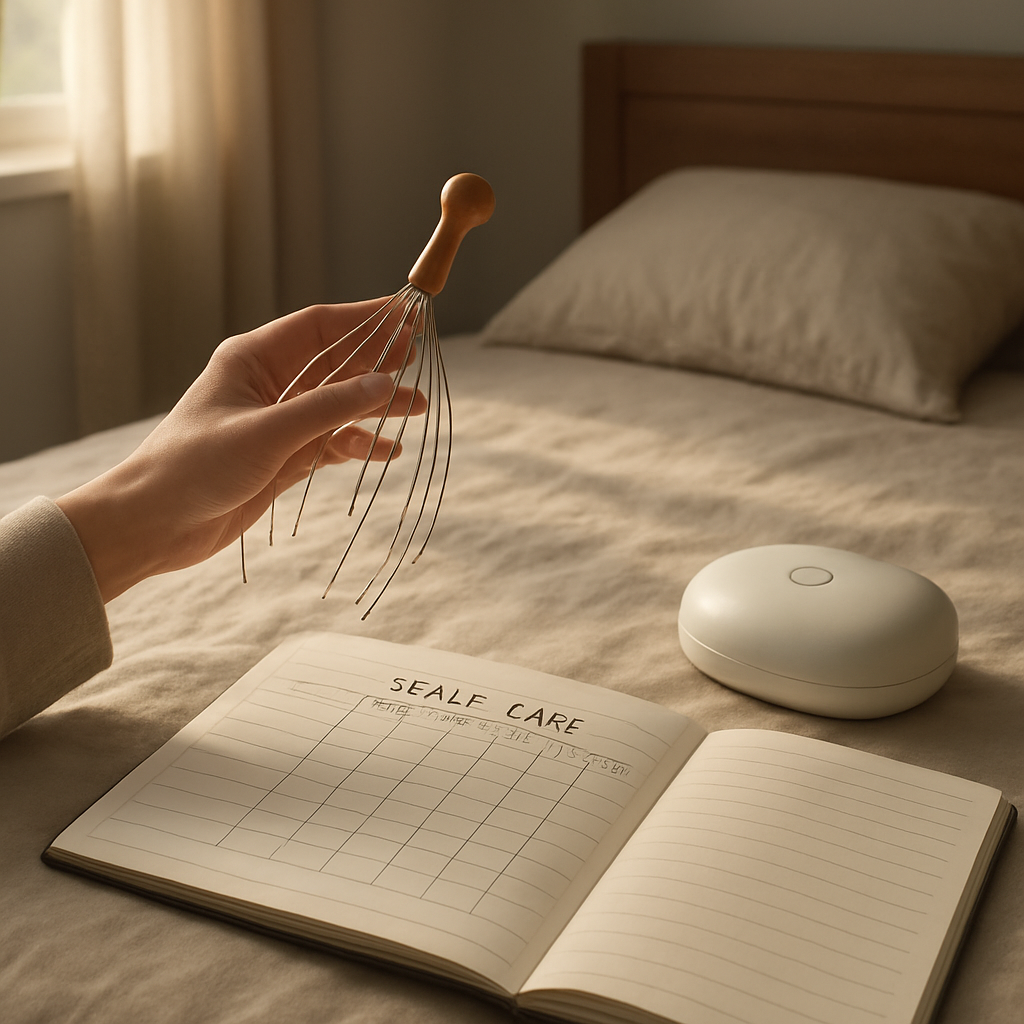
We all love a good habit tracker. Grab a notebook, a phone note, or a simple spreadsheet and record three things each day:
- Time spent massaging or using a device.
- Any noticeable sensations – tingling, warmth, reduced itch.
- Hair changes you spot – less shedding, new mini‑sprouts, shinier strands.
Seeing these notes line up week after week creates a visual proof that your efforts are paying off.
Simple log template
Copy‑paste this tiny table into your phone notes:
Date | Routine (min) | Sensation | Hair notes
-----|--------------|-----------|-----------
Fill it in each night. After two weeks, glance back – you’ll likely spot a pattern you’d otherwise miss.
Spotting red flags
Sometimes the scalp sends a louder alarm. According to Apollo 24|7, poor circulation can cause persistent itching, tightness, or sudden hair shedding.
If any of these linger beyond a couple of weeks, it’s time to dig deeper.
Other warning signs include:
- Scalp pain that doesn’t ease with massage.
- Visible scalp inflammation or crusty patches.
- Sudden, dramatic hair loss despite consistent routine.
When to seek professional help
We’re not doctors, but we know when a problem feels bigger than a habit tweak.
If you’ve logged your routine for at least a month and still see any of the red flags, schedule a dermatologist appointment. They can rule out hormonal imbalances, thyroid issues, or underlying skin conditions that simple circulation tricks won’t fix.
Bring your log to the appointment – it shows the clinician you’re proactive and gives them concrete data to work with.
Quick self‑check checklist (monthly)
- Do you still feel a gentle buzz after your daily massage?
- Has shedding decreased compared to the month before?
- Is your scalp less tight or flaky?
- Are you keeping your devices clean and batteries charged?
If you answer “yes” to most, you’re on the right track. If not, tweak the timing, try a new essential oil, or add a short walk after lunch to boost overall circulation.
Remember, improvement isn’t a straight line. Some weeks feel like a breakthrough, others feel flat. That’s normal – just keep the habit alive.
Finally, give yourself a tiny celebration when you hit a milestone – a new hair clip, an favourite tea, or a quick selfie to see the shine. Small rewards reinforce the habit and make the whole process feel less like a chore.
Stick with the routine, watch the patterns, and don’t ignore persistent problems. Consistency plus honest monitoring is the secret sauce to finally answering “how to improve blood circulation in scalp” for good.
FAQ
How can I improve blood circulation in my scalp without buying any gadgets?
Start with a simple two‑minute scalp massage each morning. Use the pads of your fingertips, draw tiny circles from the hairline to the crown, and finish with a gentle palm press. The rhythmic pressure nudges capillaries open, letting oxygen‑rich blood flood the follicles. Pair it with a brief contrast shower – warm water for a minute, then a quick cold splash – and you’ve got a low‑cost circulation boost that fits into any routine.
Does scalp massage really boost blood flow, and how often should I do it?
Yes, the gentle pressure triggers vasodilation, which is the body's way of widening blood vessels. Most people feel a subtle tingling after about 30 seconds of steady strokes – that’s the blood answering the cue. Aim for once‑a‑day, preferably right after a shower when pores are open. If you miss a day, don’t panic; just get back to the habit and the benefits will accumulate over weeks.
Can alternating hot and cold showers help my scalp circulation?
Absolutely. Warm water relaxes the scalp and dilates vessels, while a sudden cold burst causes them to contract and then relax again, creating a mini‑pump. Try 60 seconds of comfortably warm water, followed by 30 seconds of cool water, then finish with a brief burst of cold for about 10 seconds. Doing this two to three times a week adds a gentle vascular workout without any extra equipment.
What role does diet play in scalp blood flow, and which foods should I focus on?
Your bloodstream carries nutrients, so feeding it matters. Foods rich in nitrates – like beetroot, leafy greens, and pomegranate – support nitric‑oxide production, a natural vasodilator. Omega‑3 fatty acids from salmon, walnuts, or flaxseeds keep vessel walls supple. Aim for a colourful plate each meal, and don’t forget to hydrate; water helps maintain plasma volume, ensuring the heart can push blood up to the crown.
Is it safe to use essential oils for stimulating scalp circulation?
When diluted properly, essential oils such as rosemary, peppermint, and thyme can enhance micro‑circulation. Mix a few drops into a carrier oil (sweet almond or jojoba works well) and massage it in after your regular scalp routine. Always do a patch test first and avoid applying undiluted oil directly to the skin. For most people, this extra aromatic boost feels soothing and adds a gentle stimulant to the massage.
How do I know if my scalp circulation is actually improving?
Keep a simple habit log: note the time you spend massaging, any sensations (tingling, warmth), and observable hair changes like reduced shedding or a shinier sheen. After two weeks, compare notes – a consistent buzz or fewer stray hairs are good signs. You can also run a quick self‑check: run your fingers over the scalp; a well‑fed scalp feels slightly supple rather than tight or dry.
When should I see a professional about poor scalp circulation?
If you notice persistent itching, tightness, or sudden hair loss despite daily massage, hydration, and dietary tweaks, it’s time to book a dermatologist. Red flags include scalp pain that doesn’t ease with massage, flaky patches that worsen, or a noticeable drop in hair density after a month of consistent effort. Bring your habit log to the appointment – it shows you’re proactive and gives the doctor concrete data to work from.
Conclusion
We've walked through everything from a quick two‑minute scalp massage to diet tweaks, gadgets and habit‑tracking, all aimed at answering the big question: how to improve blood circulation in scalp.
So, what does that mean for you on a day‑to‑day basis? It means you can start small – a gentle circular rub after your shower, a splash of cool water, and a glass of water in the morning – and watch the subtle buzz on your head grow stronger.
Key take‑aways
- Consistency beats intensity; five minutes a day is enough.
- Combine movement (walk, jog) with nourishment (garlic, beetroot, omega‑3s) for a synergistic lift.
- Use simple tools or DIY oils if you enjoy a tactile routine, but never skip cleaning them.
- Log your routine – a tiny table on your phone can reveal progress you might otherwise miss.
Feeling a little unsure? Remember the feeling of that first tingling after a scalp massage – that’s your blood answering the cue. If the sensation fades, tweak the pressure, add a drop of rosemary oil, or take a short cardio break.
Ready to give your scalp the daily boost it craves? Pick one habit from the list, stick with it for two weeks, and then add another. Your hair will thank you, and you’ll finally have a routine that feels as natural as a coffee chat.