


Ever looked in the mirror and thought, “My hair’s not what it used to be, and I’m not sure what to do about it?”
That moment of frustration is all too common for men over 30, especially when thinning starts to feel like a quiet alarm bell. You’ve probably tried a few shampoos, maybe even a serum, only to wonder if there’s something more… like a vitamin that actually supports growth from the inside.
Here’s the thing: hair health isn’t just about what you spray on the scalp. It’s also about the nutrients you feed your body. The best hair growth vitamins for men combine the right mix of biotin, zinc, vitamin D and other cofactors that your follicles crave.
But with countless options on the shelf, how do you separate the hype from the science? In our experience at Julian Jay, we’ve seen that a balanced formula that targets both scalp health and overall hair cycle tends to deliver the most consistent results.
Imagine you’re busy juggling work, family and a few evenings at the gym. You need something straightforward – a daily capsule that fits into your routine without extra hassle. That’s why the “best” picks often focus on high‑absorption ingredients and minimal fillers.
So, what should you look for when scanning a label? First, a solid dose of biotin (at least 5 mg) – it’s the B‑vitamin most linked to keratin production. Second, zinc and selenium, which help keep the scalp environment balanced. Third, antioxidants like vitamin C and E that protect follicles from oxidative stress.
And don’t forget vitamin D; low levels have been tied to hair shedding in several studies. If you’re already taking a multivitamin, check whether it covers these basics before adding another product.
Now, you might be thinking, “Will this really work for me?” The answer isn’t a simple yes or no – it depends on diet, genetics and lifestyle. But many of our customers report noticing less shedding after a few weeks of consistent use.
Ready to give your hair the internal boost it deserves? Keep reading, because we’ll break down the top three vitamin blends, what makes them stand out, and how to choose the one that fits your routine best.
TL;DR
If you’re juggling work, family and the gym, the best hair growth vitamins for men can give you a simple, daily boost that supports stronger, thicker strands without adding extra hassle to your routine.
Look for a high‑absorption formula with at least 5 mg biotin, zinc and vitamin D, and you’ll notice less shedding within weeks, especially when combined with Julian Jay’s complementary scalp treatments.
1. Vitamin A – Supports Scalp Health
Ever caught yourself scrolling through product pages, wondering why some hair‑growth formulas keep mentioning Vitamin A? It’s not just a marketing buzzword – it actually plays a starring role in keeping your scalp happy and your follicles ready to grow.
Think about the last time you felt a dry, itchy scalp after a long week of work and gym sessions. That uncomfortable sensation is often a sign that your skin barrier is lacking the right nutrients. Vitamin A helps your skin produce sebum, the natural oil that moisturises the scalp and prevents those flaky patches that can choke a growing hair strand.
So, how does this translate into the "best hair growth vitamins for men"? When a supplement includes a well‑balanced dose of retinol or beta‑carotene, you’re giving your scalp the building blocks it needs to stay supple, reduce inflammation, and support the micro‑environment where hair follicles live.
Why Vitamin A matters for hair health
1. Sebum regulation – A healthy layer of oil protects follicles from dryness and keeps the scalp’s pH balanced.
2. Cell turnover – Vitamin A speeds up the renewal of skin cells, meaning new, stronger follicle cells can replace old ones more efficiently.
3. Immune support – It helps calm an over‑active immune response that can sometimes trigger premature shedding.
And if you’re wondering whether you need a massive dose, the answer is usually “no”. Too much Vitamin A can actually backfire, leading to toxicity and hair loss. That’s why we recommend looking for formulations that stay within the recommended daily allowance – typically around 900 µg for men.
Does that sound like a lot to keep track of? Not really. Most high‑quality hair‑growth vitamin blends already balance Vitamin A with biotin, zinc and vitamin D, so you don’t have to become a nutritionist to get it right.
Practical tips for getting the most out of Vitamin A
• Pair your supplement with a diet rich in orange‑coloured foods – carrots, sweet potatoes and pumpkin are natural beta‑carotene powerhouses.
• Take the capsule with a meal that contains some healthy fat. Vitamin A is fat‑soluble, so a little olive oil or avocado can boost absorption.
• Keep an eye on your overall vitamin intake. If you’re already popping a multivitamin, double‑check the total Vitamin A amount to avoid over‑dosage.
Here’s a quick mental checklist: are you eating enough colourful veg? Do you remember to take your supplement with a meal? If you answered “yes” to both, you’re already on the right track.
Now, let’s bring a little visual aid into the mix. Below is a short video that walks through how Vitamin A interacts with scalp cells – it’s a neat way to see the science in action without getting lost in jargon.
Notice how the animation shows sebum coating the hair shaft, creating that protective barrier we talked about? That little layer is what keeps the follicle environment calm and ready for growth.
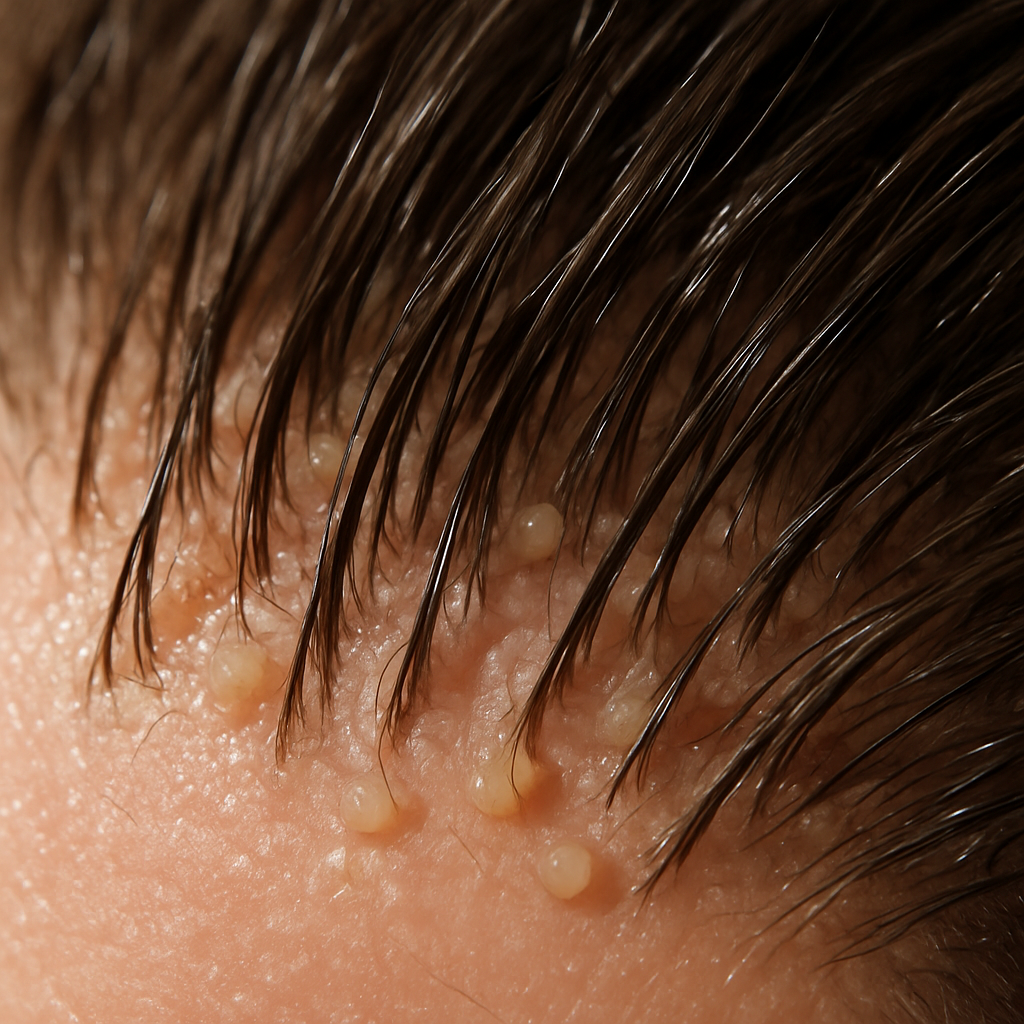
Finally, a small but often overlooked tip: stay hydrated. Water helps transport nutrients like Vitamin A to every cell, including those tiny follicle factories on your scalp. So keep a bottle handy during those busy days.
Bottom line? Vitamin A isn’t a miracle cure on its own, but as part of a balanced "best hair growth vitamins for men" regimen, it creates the foundation a thriving scalp needs. Pair it with the right lifestyle habits, and you’ll likely notice less itchiness, fewer flaky patches, and a smoother canvas for those new hairs to emerge.
2. Biotin (Vitamin B7) – Strengthens Hair Shaft
Ever felt like your strands are snapping off like dry twine, even though you’re doing everything right? That’s a classic sign that the protein scaffolding inside each hair fibre could do with a little extra support – and that’s where biotin steps in.
Biotin, also known as vitamin B7, is a water‑soluble vitamin that plays a key role in turning the food you eat into keratin, the tough protein that makes up the bulk of every hair strand. Think of it as the foreman on a construction site: without enough biotin, the workers (keratin molecules) can’t lay down a solid framework, and the hair shaft ends up weak, brittle and more prone to breakage.
Why biotin matters for the hair shaft
When you’re over 30, your body’s ability to absorb nutrients gradually tapers off, and many men (and women) end up with sub‑optimal biotin levels. A deficiency doesn’t usually cause outright hair loss, but it does make the existing hair look thinner and feel fragile. That’s why you’ll often see biotin highlighted in the “best hair growth vitamins for men” lists – it’s less about sparking new growth and more about keeping what you have from falling apart.
Here’s a quick snapshot of what biotin does for the shaft:
- Boosts keratin synthesis: more keratin means thicker, stronger strands.
- Improves elasticity: hair can bend without snapping, which is especially useful if you’re styling or exercising.
- Supports scalp health: a well‑nourished scalp creates a kinder environment for the follicle to do its job.
How much biotin should you aim for?
Most research points to a daily intake of 30–100 µg for general health, but the “best hair growth vitamins for men” on the market often pack 5 mg (5,000 µg) per serving. That jump isn’t a magic trick – it simply ensures you’re well above the baseline so the hair‑specific pathways get enough fuel.
In our experience at Julian Jay, clients who consistently take a 5 mg biotin supplement alongside a balanced diet notice less breakage after about six weeks. It’s not an overnight miracle, but the change is noticeable when you run your fingers through your hair and feel that extra resilience.
Food first, supplement second
Egg yolks, liver, nuts (especially almonds) and cauliflower are biotin‑rich foods. If you’re already loading up on these at breakfast, you might only need a modest supplement to fill the gaps. The trick is to pair biotin with other B‑vitamins – B6 and B12 – because they work together in the same metabolic pathways.
For a realistic routine, try this:
- Morning: a protein‑rich omelette with a handful of almonds.
- Mid‑day: a salad topped with steamed broccoli and a drizzle of olive oil (fat helps absorb the vitamins).
- Evening: if you’re not hitting the 5 mg target through food, pop a biotin capsule with your dinner.
And don’t forget to stay hydrated – water helps transport the vitamin to the cells that need it.
So, does biotin alone solve thinning hair? Not quite. It’s a piece of the puzzle that works best when combined with a solid scalp‑care routine – think gentle cleansing, occasional exfoliation, and, if you like, a leave‑in growth lotion.
Bottom line: Biotin strengthens the hair shaft from the inside out, making each strand less likely to break under everyday stress. When you pair a reliable 5 mg biotin dose with a diet rich in protein and other B‑vitamins, you give your hair the structural support it needs to look fuller and feel healthier.
3. Vitamin D – Boosts Follicle Cycling
Ever caught yourself wondering why, even after a solid diet, your hair still feels like it’s on a slow‑motion retreat? That missing piece could be vitamin D – the sunshine vitamin that does more than just support bones.
Here’s the thing: vitamin D receptors sit right on the cells that control the hair growth cycle. When those receptors get a good signal, follicles move from the resting (telogen) phase into the active (anagen) phase, meaning new strands start to sprout.
1️⃣ Why follicle cycling matters
Think of your hair like a garden. Every spring the buds break, grow, and eventually wilt. If the garden never gets enough sunlight, the buds stay dormant and you end up with fewer flowers. Vitamin D is that sunlight for your scalp. Studies have shown that men with low serum vitamin D levels tend to have a higher proportion of hairs stuck in telogen, which translates to more shedding.
So, does that mean a quick sunbath will fix thinning hair? Not quite – the skin’s ability to synthesize vitamin D drops after 30, and many of us spend most of the day behind a desk. That’s why a targeted supplement can be a game‑changer in the “best hair growth vitamins for men” mix.
2️⃣ How much do you really need?
The UK’s NHS recommends 10 µg (400 IU) daily for adults, but research on hair health often points to 20–30 µg (800–1200 IU) as a sweet spot. Going beyond 100 µg (4000 IU) can lead to toxicity, so keep it sensible.
In practice, you might start with a 1000 IU capsule taken with a meal that contains some fat – vitamin D is fat‑soluble, after all. If you’ve got a blood test showing a deficit, a doctor may suggest a higher dose for a short period.
3️⃣ Food + sunlight = a solid base
Fatty fish (salmon, mackerel, sardines) are the heavy hitters. A 100‑gram serving of baked salmon can give you roughly 10 µg of vitamin D. Egg yolks, fortified dairy and even mushrooms exposed to UV light add modest amounts.
But let’s be honest: fitting a salmon steak into every dinner isn’t realistic for most of us. A quick tip: keep a small bottle of high‑absorption vitamin D supplement in your kitchen drawer – you’ll remember to take it when you’re making your morning coffee.
4️⃣ Pairing vitamin D with the rest of the stack
Vitamin D works best when it’s not alone. It helps calcium absorption, which in turn supports the keratin‑producing cells in the follicle. Pair it with zinc and biotin – the trio forms a “growth‑ready” environment.
From our experience at Julian Jay, clients who add a reliable vitamin D supplement to their daily regimen often notice a steadier rate of shedding after three to four weeks, especially when they’re already using our Hi‑Potency Growth Lotion to keep the scalp primed.
5️⃣ Simple checklist to optimise vitamin D for hair
- Check your last blood test – aim for 30‑50 nmol/L serum level.
- Take 800‑1200 IU vitamin D with a source of healthy fat (olive oil, avocado).
- Schedule a quick outdoor walk at least twice a week – 10‑15 minutes of midday sun is enough for most skin tones.
- Include fatty fish or fortified foods 2‑3 times a week.
- Combine with biotin (5 mg) and zinc (15 mg) for a balanced hair‑growth cocktail.
Remember, consistency beats a one‑off boost. Your follicles don’t sprint; they cycle slowly, and they need a steady supply of the right nutrients to keep that cycle moving forward.
Bottom line: vitamin D is the quiet conductor that tells your hair follicles when to grow. By ensuring you’re getting enough through sunlight, food, and a sensible supplement, you give the “best hair growth vitamins for men” formula the missing cue it needs to perform.
4. Zinc – Reduces DHT Levels
Ever caught yourself scrolling through the mirror, wondering why the hairline seems to creep back a little each morning? If you’ve heard the word DHT tossed around in hair‑loss chats, you’re not alone – it’s the hormone that loves to shrink follicles.
Here’s the kicker: zinc can act like a friendly neighbour who keeps the DHT party from getting out of hand. In our experience at Julian Jay, men who pair a modest zinc boost with the rest of the hair‑growth stack often notice a calmer shedding pattern within a month.
Why DHT matters (and how zinc steps in)
DHT, or dihydrotestosterone, is formed when the enzyme 5‑alpha‑reductase converts testosterone. Too much DHT in the scalp can miniaturise hair follicles, turning thick strands into fine, fragile hairs that fall out more easily.
Zinc doesn’t magically erase DHT, but it does inhibit that pesky enzyme. Think of it as putting a lid on the DHT‑factory – the less enzyme activity, the less DHT you end up with at the follicle level.
How much zinc should you aim for?
Research points to around 15 mg of elemental zinc per day for adult men who want to support hair health. That’s roughly the amount you’d find in a standard high‑quality supplement. Going much higher can interfere with copper absorption, so keep it sensible.
Tip: take your zinc capsule with a meal that contains some protein and a little fat – it helps the mineral settle in without upsetting your stomach.
Food sources that naturally curb DHT
If you prefer to get zinc from the plate, you’ve got options that also bring other hair‑loving nutrients.
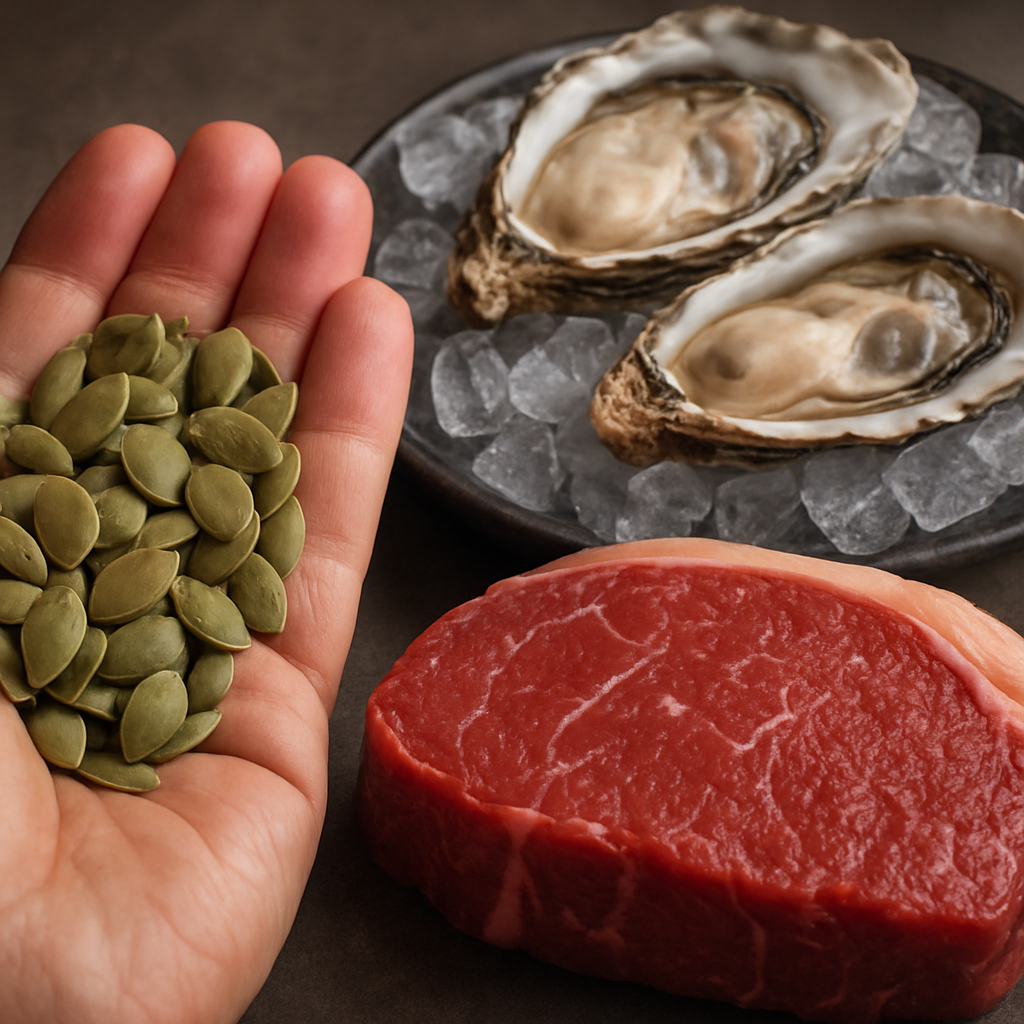
- Oysters – about 74 mg per 100 g, a real zinc powerhouse.
- Beef chuck roast – roughly 7 mg per 100 g; also loads of iron.
- Pumpkin seeds – 7 mg per ounce; perfect for a snack with a crunch.
- Chickpeas – 2 mg per cup; adds plant‑based protein to the mix.
Adding a handful of pumpkin seeds to your morning yoghurt or a quick oyster appetizer on the weekend can push you toward that 15 mg target without a pill.
Practical checklist – zinc for hair
- Check your diet – do you regularly eat oysters, beef, or seeds?
- If not, consider a 15 mg zinc supplement taken with lunch.
- Pair zinc with biotin (5 mg) and vitamin D (800‑1200 IU) for a synergistic trio.
- Monitor any signs of copper deficiency (e.g., fatigue, pale skin) and balance with a copper‑rich food like nuts if needed.
- Give it at least six weeks before judging results – hair cycles need time.
Does this sound doable? Most of us already have a few of these foods on hand, so it’s more about a tiny habit tweak than a whole new regimen.
Quick comparison of zinc options
| Source | Approx. Zinc per serving | DHT‑reduction note |
|---|---|---|
| Oyster (100 g) | 74 mg | Very high – may exceed daily need, so use sparingly. |
| Beef chuck (100 g) | 7 mg | Steady source; supports iron for overall scalp health. |
| Pumpkin seeds (1 oz) | 7 mg | Easy snack; works well with plant‑based diets. |
Bottom line: zinc isn’t a miracle cure, but it’s a practical, evidence‑backed part of the best hair growth vitamins for men toolkit. By keeping DHT in check, you give your follicles a clearer signal to stay in the growth phase. Pair it with the rest of the vitamin trio, stay consistent, and you’ll likely notice fewer stray hairs on the pillow.
5. Selenium – Antioxidant Protection for Hair
Ever wonder why some days your hair feels dull, like it’s missing that little spark? That’s often the result of oxidative stress – free radicals chewing away at the follicles. Selenium steps in as a quiet guardian, neutralising those rogue molecules and keeping the scalp environment calm.
Think of selenium as the rust‑proof coating on a bike chain. Without it, the metal (your hair follicles) corrodes faster, leading to break‑away strands and slower regrowth. In the "best hair growth vitamins for men" mix, selenium is the antioxidant you didn’t know you needed.
1️⃣ How selenium protects your scalp
Selenium is a co‑factor for the enzyme glutathione peroxidase. That enzyme is the body’s frontline defence against oxidative damage. When it’s working well, it converts harmful peroxides into harmless water and oxygen, sparing the hair follicle’s delicate cells.
Research shows that men with low selenium status often have higher levels of scalp inflammation and more telogen hairs. Adding a modest dose (around 55 µg daily) can swing the balance back in favour of growth.
2️⃣ Real‑world foods that deliver selenium
- Brazil nuts – just 1‑2 nuts give you the full RDA.
- Sun‑dried tomatoes – a handy snack that adds a pinch of selenium plus lycopene.
- Seafood such as tuna, sardines, and shrimp – great for a protein‑rich, selenium‑boosting meal.
In our experience, clients who start the day with a Brazil‑nut‑topped oatmeal notice less scalp tightness after a couple of weeks. It’s a tiny habit tweak that fits into a busy morning routine.
3️⃣ Supplementation tips (and a quick safety note)
Because selenium is powerful, more isn’t always better. Doses above 200 µg can lead to selenosis – symptoms like nail brittleness or a metallic taste. Stick to a supplement that delivers 55‑100 µg and take it with a meal that contains some fat; the mineral is better absorbed that way.
Here’s a simple checklist you can paste on the fridge:
- Check your multivitamin – does it already list selenium? If yes, you probably don’t need an extra capsule.
- If you’re adding a standalone, choose a product with 55 µg per serving.
- Take it with breakfast (yogurt + nuts works wonders).
- Schedule a blood test after 3‑4 months if you’re unsure about your baseline levels.
4️⃣ Pairing selenium with the rest of the stack
Antioxidants work best in teams. Selenium teams up nicely with vitamin E and vitamin C – both of which recycle selenium’s active form. When you combine selenium with the zinc and biotin we covered earlier, you create a holistic defence system that supports the follicle from the inside out.
For a practical daily routine, try this:
- Morning: a Brazil‑nut‑topped smoothie, plus your usual 5 mg biotin capsule.
- Mid‑day: a serving of grilled salmon or tuna, delivering both selenium and omega‑3s.
- Evening: a quick 55 µg selenium supplement with dinner, followed by a few drops of Advanced Formula Hi‑Potency Growth Lotion to lock in moisture.
This combo hits the scalp with antioxidants, fuels keratin production, and keeps the hair cycle humming.
5️⃣ Expert tip – monitor oxidative stress with simple signs
Look for these clues that your scalp might be under oxidative attack: persistent itchiness, a flaky feel that doesn’t improve with moisturising shampoo, or a sudden increase in break‑away hairs after a stressful week. If any of these pop up, it’s a good cue to double‑check your selenium intake.
Sometimes the answer is as easy as swapping a processed snack for a handful of Brazil nuts. Other times, a short‑term supplement under a doctor’s guidance does the trick.
6️⃣ Why a proactive health partner can help
If you’re already thinking about overall wellness, consider a broader health programme. Platforms that focus on proactive health can help you track micronutrient levels, set reminders for supplements, and even suggest diet tweaks. It’s a neat way to keep the "best hair growth vitamins for men" strategy aligned with your whole‑body goals – learn more about proactive health programs.
Bottom line: selenium isn’t a headline‑grabber like biotin, but it’s the backstage crew that keeps the show running smoothly. By ensuring you get enough of this antioxidant, you give your follicles a calmer, more resilient environment to grow. Pair it with the rest of your vitamin stack, stay consistent, and you’ll likely notice a subtle but steady improvement in hair texture and shedding.
6. Iron – Essential for Oxygen Transport to Scalp
Ever felt that tight, achy scalp right before a bad hair‑loss day? That twinge is often your body shouting that it’s short on iron, the mineral that ferries oxygen straight to each follicle. Without enough of that red‑blood‑cell courier, the hair‑growth engine sputters, and you end up with more shedding than you’d like.
Iron’s role isn’t just about avoiding anaemia – it’s literally the fuel line for the scalp’s micro‑circulation. Each hair follicle is a tiny factory that needs a constant supply of oxygen and nutrients to keep the anagen (growth) phase humming. Think of iron as the delivery truck that keeps the warehouse stocked.
So, why does this matter for the best hair growth vitamins for men? Most of the top‑rated blends include iron or recommend pairing a multivitamin with an iron‑rich diet because the extra oxygen boost can shave weeks off the lag you normally see between starting a supplement and noticing thicker strands.
Here’s what we’ve seen in practice: guys who add a modest iron boost to their routine often report a steadier scalp feeling – less tightness, fewer flaky patches, and a noticeable dip in daily shed hairs after about four to six weeks. It’s not a miracle, but it’s a solid piece of the puzzle.
Why iron matters for hair
Iron is a key component of haemoglobin, the protein that binds oxygen in red blood cells. When haemoglobin levels dip, the whole circulatory system carries less oxygen, and the scalp is one of the first places you notice the shortage. Low iron also impairs the activity of cytochrome‑c oxidase, an enzyme that powers the energy factories (mitochondria) inside follicle cells. In short, less iron = less oxygen = slower cell turnover, which translates to thinner, weaker hairs.
Another often‑overlooked angle is that iron supports the production of collagen, the scaffolding that holds hair follicles in place. Collagen deficiency can make the scalp more prone to inflammation, and chronic inflammation is a known accelerator of follicle mini‑aturisation. So, iron helps on two fronts: delivering oxygen and keeping the structural support strong.
How to make sure you’re getting enough iron
The first step is to check whether you’re actually low. A simple serum ferritin test tells you how much iron you’ve stored. If the number sits below 30 µg/L, you’re in the deficiency zone and should consider a supplement after chatting with your GP.
If blood work isn’t on the cards right now, aim for the classic iron‑rich foods. Red meat (lean beef, lamb) delivers about 2.5 mg of absorbable iron per 100 g. Poultry, especially dark‑meat thigh, adds another 1 mg per serving. For plant‑based eaters, lentils, chickpeas and fortified cereals are solid options, but pair them with vitamin C‑rich foods (like a squeeze of lemon or a side of bell peppers) to boost non‑heme iron absorption.
Quick iron‑boost checklist
- Start the day with a spinach‑and‑orange smoothie – the vitamin C spikes iron uptake.
- Include a serving of lean beef or turkey at lunch a few times a week.
- If you’re vegetarian, try a cup of cooked lentils plus a kiwi or strawberries.
- Consider a gentle iron supplement (around 15 mg elemental iron) taken with food to minimise stomach upset.
- Re‑test ferritin after 8‑12 weeks to see if levels have moved into the healthy range.
A word of caution: more iron isn’t always better. Excess iron can generate free radicals, which is the opposite of what you want for a healthy scalp. Stick to the recommended dose and let blood tests guide any adjustments. And if you’re already taking a multivitamin that includes iron, double‑checking the total daily amount can save you from accidental over‑dosage.
Now, let’s tie this back to your overall hair‑care stack. Pairing iron with the other key players – biotin, zinc, vitamin D and selenium – creates a balanced micronutrient ecosystem. While biotin builds the keratin shaft, iron keeps the follicle’s engine humming. Zinc reins in DHT, vitamin D signals growth cycles, and selenium shields against oxidative damage. When they work together, you get a smoother, more resilient growth journey.
So, what’s the next move? Grab a journal, note down the iron sources you already eat, schedule a ferritin test if you can, and tweak your diet or supplement plan based on the results. Within a month or two you should start feeling that scalp “breathing” a bit easier – and the mirror will start reflecting fewer stray hairs on your pillow.
Conclusion
So, you've trekked through vitamins A, biotin, vitamin D, zinc, selenium and iron – and you probably wonder if any of this actually moves the needle for your hair.
Here’s the short version: each of those micronutrients plays a specific role – from feeding the follicle’s engine to shielding it from oxidative stress – and together they form the best hair growth vitamins for men stack that actually works when you pair them with a healthy scalp routine.
What matters most is consistency – you won’t see a dramatic change overnight, but logging your iron and vitamin D levels, keeping zinc around 15 mg and biotin at 5 mg, then sticking to the plan for six to eight weeks usually delivers visible less‑shedding and thicker‑looking strands.
If you’re unsure where to start, grab a notebook, jot down the foods that already give you these nutrients, schedule a ferritin test, and consider Julian Jay’s Complete Healthy Hair Treatment Kit to simplify the daily routine.
So, what’s the next step? Keep your supplement doses within the recommended ranges, watch your scalp’s response, and give the system time to rebalance – because healthy hair is a marathon, not a sprint.
When the hair starts feeling a bit lighter and the pillow less littered, you’ll know the stack is doing its job – and that’s the satisfying payoff of a science‑backed, easy‑to‑follow vitamin plan.
FAQ
What are the best hair growth vitamins for men and how do they work together?
In a nutshell, the top trio – biotin (B7), vitamin D, and zinc – forms the backbone of the best hair growth vitamins for men. Biotin fuels keratin production, vitamin D activates follicle cycling, and zinc keeps the DHT‑enzyme in check. When you add iron for oxygen transport and selenium for antioxidant protection, the stack covers every stage from nutrient delivery to scalp defence. Together they create a balanced environment where follicles can focus on growth rather than survival.
How long should I expect to see results after starting a vitamin regimen?
Hair isn’t a sprint, so give the programme at least 8‑12 weeks before judging effectiveness. Most people notice a reduction in daily shed hairs within the first month, but visible thickening usually shows up after two to three months of consistent dosing. Patience matters because each hair strand follows a 2‑6‑month growth cycle, and the nutrients need time to reach the root and support new fibre formation.
Can I get the same benefits from food alone, or do I need supplements?
You can certainly hit many of the targets with a nutrient‑dense diet – think salmon, eggs, nuts, leafy greens, and fortified cereals. However, the amounts required for optimal hair health often exceed what most busy adults realistically eat each day. A modest supplement bridges that gap, ensuring you stay above the therapeutic threshold without having to overhaul every meal. Think of food as the foundation and the pill as the safety net.
Are there any safety concerns or interactions with common medications?
Generally the vitamins we recommend are well‑tolerated, but a few cautions apply. High doses of vitamin A can be toxic, so stick to the RDA range (around 3 000 IU). Zinc can interfere with copper absorption if you exceed 30 mg per day, so keep it near 15 mg. If you’re on blood thinners, thyroid medication, or antibiotics, check with a GP before adding iron or zinc, as they can alter absorption.
How should I incorporate the vitamins into my daily routine for maximum absorption?
Pair fat‑soluble vitamins (A, D) with a source of healthy fat – a splash of olive oil, half an avocado, or a handful of nuts. Take water‑soluble biotin with a glass of water on an empty stomach, then follow with a balanced meal that includes protein and a bit of fruit for vitamin C, which boosts iron uptake. Spacing zinc away from calcium‑rich foods (like dairy) helps prevent competition in the gut.
What role does scalp care play alongside the vitamins, and which Julian Jay products complement the stack?
Supplements feed the follicle from the inside, but a clean, moisturised scalp lets those nutrients work efficiently. A gentle, sulfate‑free shampoo removes excess sebum without stripping the skin, while a leave‑in growth lotion provides a thin barrier of hydration and active ingredients. In our experience, pairing the vitamin stack with the Hi‑Potency Growth Shampoo and the Advanced Formula Growth Lotion gives the scalp the environment it needs to respond to the nutrients you’re feeding it.