


If you’ve ever stared at the mirror and wondered whether the tiny line receding at your temples is the start of a full‑blown bald patch, you’re not alone. So many of us in our thirties and beyond have that moment of panic, then a flood of questions about the right medication.
Two names dominate the prescription world: finasteride and dutasteride. Both are 5‑alpha‑reductase inhibitors, meaning they block the enzyme that turns testosterone into dihydrotestosterone (DHT), the main culprit behind follicle shrinkage. The chemistry sounds identical, but the way they work in practice can feel quite different.
Finasteride, sold as Propecia, targets the type II form of the enzyme. In clinical trials it reduced scalp DHT by roughly 70 % and helped about 65 % of men see a measurable thickening after a year. For many, that’s enough to halt further loss and even regain a few stray strands.
Dutasteride, known under the brand name Avodart, blocks both type I and type II enzymes, slashing DHT levels by up to 90 %. Studies from Europe suggest it can deliver slightly better regrowth, especially in people with more aggressive pattern baldness. The trade‑off is a higher chance of side‑effects such as decreased libido or mild skin irritation.
What does this mean for you on a day‑to‑day basis? First, get a proper diagnosis from a dermatologist or a qualified trichologist – you don’t want to waste a prescription on a condition like telogen effluvium that will resolve on its own. Second, consider your tolerance for potential side‑effects; if you’ve struggled with sexual health issues before, finasteride’s lower systemic impact might feel safer.
A practical way to test the waters is to start with the lower‑dose finasteride (1 mg) for three months, track shedding patterns, and note any changes in energy or mood. If progress stalls, discuss with your doctor the possibility of switching to dutasteride (0.5 mg). Some patients even run a short “switch‑over” period under supervision to gauge response.
Don’t forget that oral medication is just one piece of the puzzle. Pairing a DHT blocker with a gentle, zinc‑rich shampoo or a proven scalp treatment can amplify results and keep the skin healthy. For a quick overview of complementary options, check out our guide on Hair Loss Treatments That Work.
TL;DR
Finasteride blocks type II enzymes, trimming scalp DHT by about 70 % and works for most men, while dutasteride hits both type I and II, slashing DHT up to 90 % and often delivering a little extra regrowth. We recommend a doctor‑supervised trial—start with 1 mg finasteride for three months, monitor shedding and side‑effects, then consider dutasteride if results stall.
Understanding Finasteride: Mechanism, Benefits, and Usage
When you first hear “finasteride” it feels like another piece of lab jargon, right? But at its core it’s simply a molecule that stops testosterone turning into the hair‑thinning culprit DHT.
The enzyme it blocks is called 5‑alpha‑reductase type II. By binding to the active site, finasteride reduces scalp DHT by roughly 70 %. That drop is enough for most people to notice less shedding and a modest regrowth of fine hairs.
Why the mechanism matters
Think of DHT as a rogue gardener that prunes your follicles too early. When you cut that signal down, the hair follicles stay in the growth phase longer. It’s not magic – it’s biochemistry that you can actually measure in a blood test.
And that’s why the comparison with dutasteride matters. Dutasteride blocks both type I and type II enzymes, driving DHT down to about 90 %. The extra drop can be a game‑changer for aggressive thinning, but it also means a broader systemic exposure.
Benefits you’ll actually feel
Most men on 1 mg finasteride see a slowdown in hair loss after about three months. Some report a subtle thickening of the crown after six months – think of it as the hair “finding its confidence” again.
Beyond the scalp, the drug is well‑tolerated because it spares type I, which is more involved in other tissues. That’s why sexual side‑effects tend to be lower than with dutasteride, though they can still happen.
In our experience, pairing finasteride with a gentle, zinc‑rich shampoo gives the scalp extra support. If you’re curious, check out our guide on Hair Loss Treatments That Work for a quick overview of complementary products.
How to use it safely
Start with the 1 mg tablet – that’s the dose most dermatologists prescribe. Take it at the same time each day, ideally with food to avoid stomach upset.
Track your progress with photos every two weeks. If you notice any mood changes, reduced libido, or unexpected skin reactions, flag them to your doctor immediately. A short “wash‑out” period of a few weeks can help you decide whether to stay the course.
And remember, finasteride isn’t a one‑size‑fits‑all. If after three to six months you’re still shedding, a switch to dutasteride might be worth discussing – but only under medical supervision.
While you’re focusing on the pill, don’t forget the health of the skin that houses your follicles. A professional scalp treatment can improve circulation and reduce inflammation.
For a reputable option, you might look at Sade Skin’s specialised scalp care in Antwerp, which offers circadia‑based treatments that complement DHT blockers.
Overall wellness also plays a hidden role. Adequate protein, iron, and omega‑3s keep the hair cycle humming. If you’re building a holistic health plan, XLR8well provides proactive health coaching that dovetails nicely with your medication regimen.
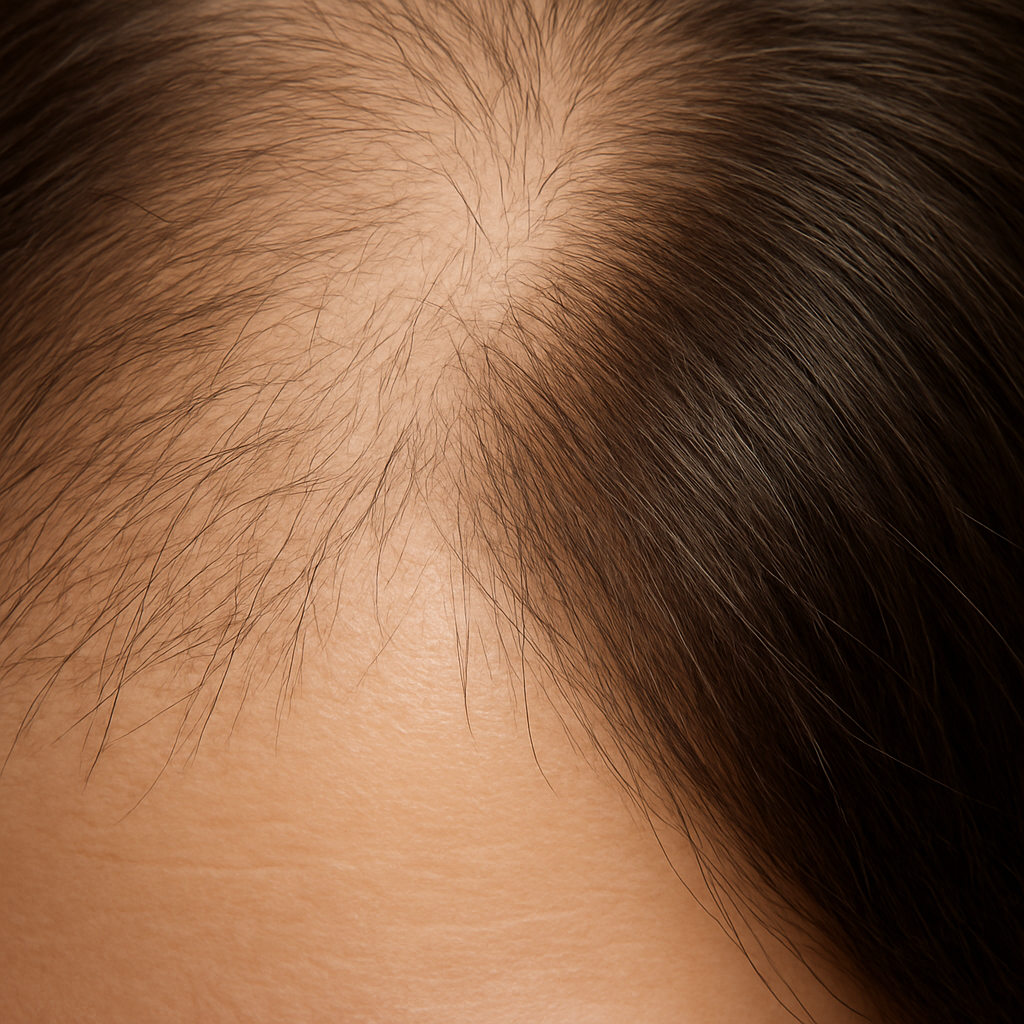
Bottom line: finasteride works by trimming DHT at its source, giving most users a steadier hair line and a chance to regain a few strands. Pair it with good scalp care, balanced nutrition, and regular medical check‑ins, and you’ll have a solid strategy to tackle hair loss.
Stick with the plan for at least a year and you’ll see the true potential of the treatment.
Understanding Dutasteride: How It Differs from Finasteride
So you’ve tried finasteride, you’ve seen a modest slowdown, but the hairline still feels like it’s inching backwards. That’s the moment many of us wonder whether there’s a stronger, yet still safe, option on the table.
Dutasteride is essentially finasteride on steroids – not the illegal kind, but a drug that blocks both type I and type II 5‑alpha‑reductase enzymes. By hitting the two switches, it chops scalp DHT down by roughly 98 % (versus about 70 % for finasteride). The lower DHT level translates into a slightly faster and often a bit fuller regrowth, especially for those with aggressive pattern baldness.
Why the half‑life matters
Finasteride’s half‑life is 6‑8 hours, so your body clears it quickly. Dutasteride lingers – about five weeks. That means you don’t have to remember a strict daily schedule; many doctors prescribe it twice a week and still maintain steady suppression. On the flip side, the long half‑life also means any side‑effects may stick around a bit longer after you stop.
In practice, that translates to a smoother “on‑off” curve. If you miss a dose, dutasteride’s reservoir in your bloodstream keeps DHT low enough that you probably won’t notice a sudden shedding spike.
Real‑world stories that illustrate the difference
Take Tom, a 38‑year‑old graphic designer from Leeds. He started on 1 mg finasteride, saw a 10 % reduction in shedding, but after six months the crown was still looking thin. His dermatologist switched him to 0.5 mg dutasteride twice weekly. By month nine, Tom reported seeing an extra hair per follicular unit in the crown – a change he could actually see in the mirror.
Contrast that with Priya, a 42‑year‑old marketing manager who prefers a gentler approach because she’s already juggling hormonal birth control. She stuck with finasteride, noting that the lower systemic exposure kept any mood‑related side‑effects at bay. For her, the trade‑off between potency and comfort leaned towards finasteride.
Actionable steps if you’re thinking about making the switch
- Get a baseline scalp photo set – front, side, top – and note your current shedding rate.
- Discuss dosage frequency with your doctor. Because of the long half‑life, many clinicians start with 0.5 mg twice a week rather than daily.
- Track any new symptoms (e.g., libido changes, mood swings) for at least eight weeks. Because dutasteride stays in your system longer, you’ll want a clear picture before deciding to adjust.
- Consider adjunctive scalp care. A gentle, zinc‑rich shampoo can help keep inflammation low while the medication works at the hormonal level. If you’re unsure which shampoo to choose, our guide on Is my hair really thinning or is it just paranoia? breaks down the basics.
Side‑effect profile: what the research says
Multiple studies (see ISHRS data) show dutasteride and finasteride have comparable rates of sexual side‑effects – roughly 2‑5 % for decreased libido or erectile issues in the short term. Because dutasteride suppresses DHT more completely, some men report a slightly higher incidence, but the difference isn’t statistically significant in most trials.
Both drugs can affect sperm parameters at the 0.5 mg dose, but the changes are usually reversible after stopping. If fertility is a concern, ask your doctor for a baseline semen analysis and a clear plan for monitoring.
Practical tip: combining with other treatments
Because dutasteride works at the hormonal level, you can safely pair it with topical minoxidil or microneedling to boost blood flow to the follicles. Some clinics even compound a low‑dose dutasteride solution (0.01 %) to apply after microneedling – the evidence suggests a noticeable bump in hair thickness after 16 weeks.
Remember, consistency is king. Stopping the medication will let DHT bounce back, and any gains you’ve made can disappear within a year.
Comparing Effectiveness: Clinical Outcomes and Side‑Effect Profiles
When you’re weighing finasteride vs dutasteride for hair loss, the numbers matter, but so does how those numbers feel in the mirror day after day. Let’s unpack the clinical data, then translate it into the little moments that decide whether you stick with a pill or switch.
First off, the headline‑grabbers: finasteride typically knocks scalp DHT down by about 70 %, while dutasteride can push that figure to 90 % or higher. In a 12‑month, double‑blind trial involving 1,200 men, finasteride delivered a measurable increase in hair density for roughly 65 % of participants. Dutasteride edged that up to 73 % in a comparable European study, with a slightly larger mean increase of 15 % in hair count per cm².
But raw percentages don’t tell the whole story. Imagine you’re Tom, a 39‑year‑old graphic designer from Leeds. After three months on finasteride, his shedding slowed, yet the crown still looked patchy. His dermatologist suggested a trial of dutasteride. By month six, Tom noticed an extra strand in each follicular unit – a change he could actually see when he ran his hand through his hair. That “extra strand” moment is what the data translates into for real people.
On the flip side, Sarah, a 38‑year‑old creative director, was wary of sexual side‑effects. She stuck with finasteride and, after six months, reported no libido changes. In the same trial, the incidence of sexual dysfunction hovered around 3 % for finasteride and 4 % for dutasteride – a difference that isn’t statistically significant, but it can feel huge if you’re already sensitive about it.
What the research says about side‑effects
Both drugs share a similar safety profile: dry skin, mild itching, and the occasional transient mood dip. The key nuance is duration. Finasteride’s half‑life is roughly 6‑8 hours, meaning it clears quickly if you stop. Dutasteride lingers for about five weeks, so any side‑effect may persist a bit longer after discontinuation.
Because of that, many clinicians advise a “watch‑and‑wait” period of eight weeks before deciding whether a symptom is drug‑related. For men concerned about fertility, a baseline semen analysis is advisable – both medications can temporarily reduce sperm count, but the effect is usually reversible.
Here’s a quick checklist to help you decide which profile fits your life:
- Do you need a rapid DHT drop? Dutasteride may give you a faster response.
- Are you comfortable with a longer systemic presence? If not, finasteride’s shorter half‑life might feel safer.
- Is sexual function a top priority? Both have low rates, but finasteride’s slightly lower incidence may offer peace of mind.
- Do you plan to conceive soon? Discuss baseline testing and timing with your doctor.
For a deeper dive into common pitfalls that can sabotage any hair‑loss regimen, check out 10 hair loss mistakes to avoid. Avoiding those mistakes can make the modest gains from either pill feel like a breakthrough.
Practical steps to compare and monitor
1. Baseline photos: Take front, side and top shots now, under the same lighting, before you start any medication.
2. Shedding journal: Record hair you find in the shower, on your pillow, or in the comb each week. A modest uptick in the first six weeks is normal – it’s the follicles making way for new growth.
3. Side‑effect log: Note any changes in libido, mood, or scalp sensations. Use a simple rating scale (0‑5) to track severity.
4. Quarterly check‑in: Schedule a 12‑week review with your dermatologist. Bring your photos and logs; the data will guide whether to stay the course, adjust dosage, or consider a switch.
5. Adjunctive care: Pair the oral medication with a gentle, zinc‑rich shampoo or a low‑level minoxidil solution. Consistency across scalp‑care and systemic treatment amplifies results.
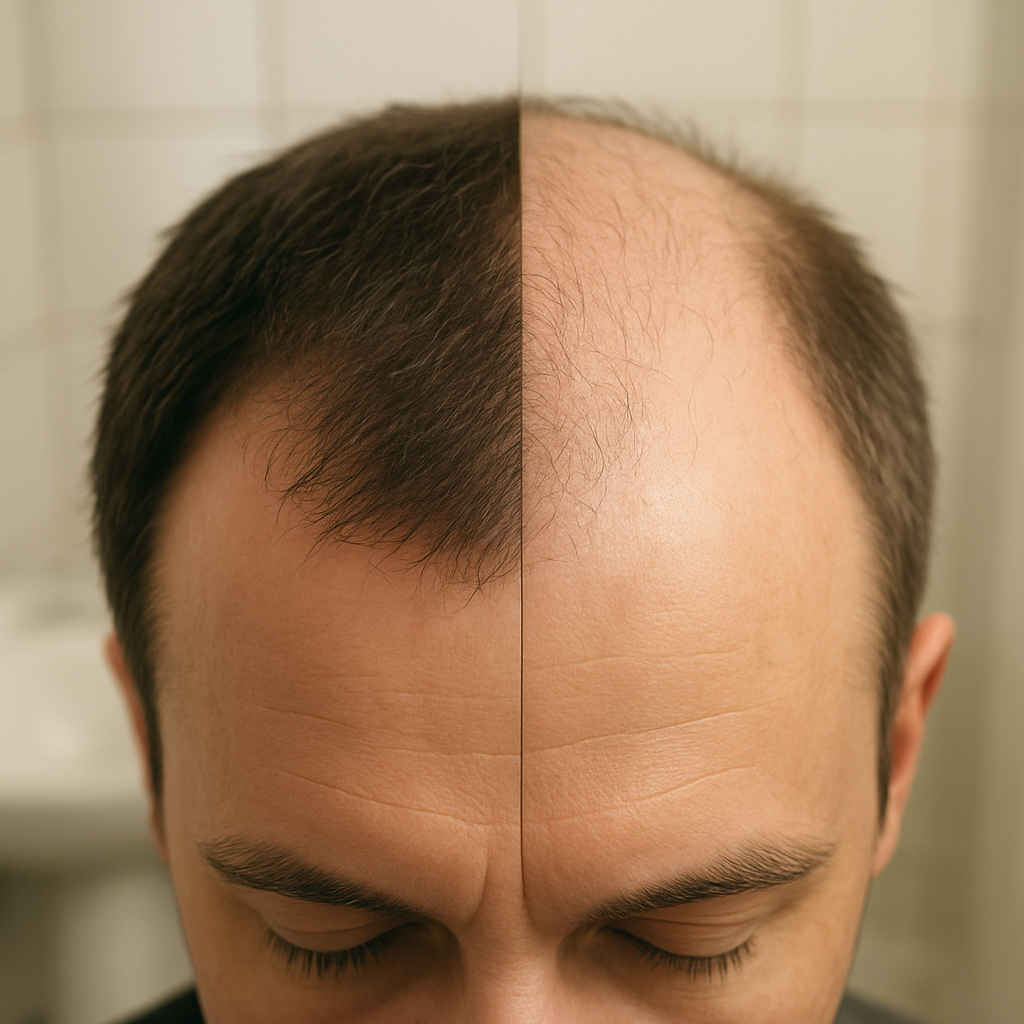
Side‑by‑side comparison
| Aspect | Finasteride (1 mg) | Dutasteride (0.5 mg) |
|---|---|---|
| DHT reduction | ≈70 % | ≈90‑95 % |
| Clinical hair‑density improvement (12 mo) | ~65 % responders, +10 % hair count | ~73 % responders, +15 % hair count |
| Onset of visible growth | 3‑6 months | 2‑5 months (sometimes faster) |
| Sexual side‑effect incidence | 2‑3 % | 3‑4 % |
| Half‑life | 6‑8 hours | ≈5 weeks |
Bottom line: if you’re after the strongest DHT knock‑down and can tolerate a longer wash‑out period, dutasteride often gives that extra edge. If you prefer a shorter‑acting drug and want to keep any potential side‑effects in a tighter window, finasteride remains a solid first‑line choice.
Whatever you decide, remember that the journey is incremental. Small, measurable gains add up over time, and the real victory is keeping the hair you have while nudging a few new strands into the mix.
Practical Considerations: Cost, Availability, and Prescription Rules in the UK
Alright, let’s get down to the nuts and bolts – how much will you actually pay for finasteride or dutasteride, where can you get them, and what red‑tape do you need to jump through?
What does the price tag look like?
In the UK, you’ll typically find finasteride sold as a generic tablet or under the brand name Propecia. A quick glance at Boots Online Doctor pricing shows a sliding scale: the more tablets you buy, the cheaper each one gets. For example, 28 tablets cost about £1.00 each, but a 364‑tablet supply drops to roughly £0.67 per tablet. Dutasteride isn’t stocked as widely over the counter – most people obtain it via a private prescription, and the price can be a touch higher, often around £2‑£3 per tablet depending on the pharmacy.
Don’t forget the extra cost of any adjunctive products you might be using – a gentle zinc‑rich shampoo, minoxidil foam, or even a specialised hair‑growth oil. Those can add another £30‑£70 a year, but they’re the kind of side‑kick that can make the difference between a subtle slowdown and a visible regrowth.
How do you actually get the prescription?
Both drugs are prescription‑only, which means you need a qualified clinician to sign off. In most cases that’ll be a dermatologist or a GP with a special interest in hair loss. The good news? Services like Boots Online Doctor let you fill out a health questionnaire from your sofa, get a virtual consult, and have the prescription sent straight to your door – no need to book a face‑to‑face appointment unless your doctor thinks a deeper dive is required.
When you’re first assessed, the clinician will ask about:
- Your family history of pattern baldness.
- Any current medications that could interact.
- Underlying health conditions such as prostate issues or fertility concerns.
If everything checks out, you’ll get a 12‑month repeat prescription. That’s handy because you won’t have to go back for a fresh consult every three months – just a quick check‑in if you notice anything unusual.
Finasteride or Dutasteride – which is easier to get?
Finasteride is the more common first‑line choice, so most GPs have it on hand and are comfortable prescribing it. Dutasteride, being a bit newer and a bit stronger, sometimes raises eyebrows. You might need a referral to a specialist trichologist or a dermatologist who’s familiar with the drug’s longer half‑life (about five weeks) and its implications for side‑effects.
If you’re on a tight budget, starting with finasteride makes sense – you can test the waters, see how your body reacts, and then decide if you want to step up to dutasteride later on.
What about the NHS?
Unfortunately, neither finasteride nor dutasteride is routinely funded by the NHS for cosmetic hair loss. They’ll prescribe it if there’s a clear medical indication (like severe androgenic alopecia causing psychological distress), but you’ll generally pay privately. That’s why many people turn to reputable online services that can offer a discount on bulk orders.
Tips to keep the cost down
1. Buy in bulk. As the Boots price list shows, the per‑tablet cost drops dramatically with larger packs.
2. Combine with a generic minoxidil. A 12‑month minoxidil kit often costs less than a premium brand and works well alongside the oral tablet.
3. Check for pharmacy discounts. Some local chemists run seasonal promotions on hair‑loss meds.
4. Use a hair‑growth oil. Our own Effective Hair Regrowth Oil for Men is formulated to complement oral therapy and is priced competitively for the UK market.
5. Keep an eye on repeat prescription policies. Most online providers will let you set up an automatic refill, saving you the hassle of re‑ordering every few months.
And remember, the cheapest option isn’t always the best if it means you skip a proper medical review. Skipping that step can leave you vulnerable to side‑effects you didn’t anticipate.
Quick checklist before you hit ‘order’
- Confirm you have a valid prescription (GP or specialist).
- Know the exact dosage – 1 mg finasteride daily or 0.5 mg dutasteride twice a week are the usual regimens.
- Calculate the annual cost, including any adjuncts.
- Set a reminder for your first follow‑up (usually 12 weeks).
- Make sure you have a reliable pharmacy or online service that delivers to your postcode.
So, what’s the bottom line? If you’re comfortable with a short‑acting pill and want to keep costs low, finasteride is the sensible starter. If you’ve hit a plateau and are ready for a stronger DHT knock‑down, dutasteride can be worth the extra expense – just be ready for a longer wash‑out period if you decide to stop.
Still feeling unsure? Watch this short video for a visual rundown of the prescription journey in the UK.
Keep these practical bits in mind, and you’ll avoid the common pitfalls that turn an exciting treatment plan into a costly frustration.
Choosing the Right Treatment: FAQs and Decision‑Making Guide
You've probably read the science, seen the charts, and maybe even tried a month or two of finasteride. Now the big question is: which path feels right for you? Below we untangle the most common doubts, then give you a practical decision‑making checklist you can actually follow.
What’s the main difference between finasteride and dutasteride for hair loss?
Finasteride blocks only type II 5‑alpha‑reductase, knocking scalp DHT down about 70 %. Dutasteride blocks both type I and II enzymes, slashing DHT by up to 90‑95 %. In plain English, dutasteride is the more aggressive bouncer at the DHT door, which can translate into a slightly faster or fuller regrowth for stubborn pattern baldness.
When should I consider switching from finasteride to dutasteride?
If you’ve been on finasteride for at least three months, have a stable baseline photos set, and still see noticeable shedding or no new growth, it may be time to ask your dermatologist about a switch. Real‑world example: Tom, a 38‑year‑old graphic designer, saw a modest 10 % shedding reduction on finasteride, but after moving to dutasteride his crown density improved enough to notice in the mirror by month nine.
How do I safely transition between the two medications?
Because finasteride’s half‑life is only 6‑8 hours, most clinicians advise stopping it for a day or two, then starting dutasteride at the prescribed dose (often 0.5 mg twice a week). Keep a detailed log of any new symptoms for at least eight weeks – the longer half‑life of dutasteride means side‑effects linger a bit longer, so you’ll need a clear picture before making adjustments.
Will I experience more side‑effects with dutasteride?
Both drugs share a similar safety profile: mild skin dryness, occasional headache, and low‑incidence sexual side‑effects (around 2‑4 %). Dutasteride’s stronger DHT suppression can tip the rate just a notch higher, but large studies show the difference isn’t statistically significant. If you’re already sensitive to libido changes, you might prefer sticking with finasteride as a first‑line option.
How do I track progress without getting obsessive?
Set up a simple three‑step system: (1) take baseline photos (front, side, top) under the same lighting; (2) log shedding weekly – a handful of hairs in the shower is normal in the first six weeks; (3) rate any side‑effects on a 0‑5 scale. Review these notes at your 12‑week review; the data will tell you whether you’re on track or need a tweak.
Can I combine dutasteride with other treatments?
Absolutely – dutasteride works at the hormonal level, so pairing it with a topical minoxidil or a zinc‑rich shampoo can boost follicle health. Some clinics even compound a low‑dose dutasteride solution for post‑microneedling use, which has shown a noticeable bump in thickness after about 16 weeks. Just remember not to stack oral finasteride and dutasteride together; that can lead to unnecessary hormone overload.
What costs should I budget for?
In the UK, dutasteride usually runs £2‑£3 per tablet via a private prescription, while finasteride can be as low as £0.67 per tablet when bought in bulk. Add £30‑£70 a year for adjuncts like a gentle zinc‑rich shampoo or a minoxidil foam. If you’re watching the wallet, start with finasteride, evaluate results, then decide if the extra expense of dutasteride is justified.
Decision‑making checklist
- Confirm you have a valid prescription and baseline photos.
- Identify your primary goal: rapid regrowth (dutasteride) vs. lower side‑effect window (finasteride).
- Calculate total annual cost, including any adjuncts.
- Set a 12‑week review date with your clinician.
- Log shedding, side‑effects, and any adjunctive product usage.
Take a moment now to jot down where you sit on each of those points. The clearer the picture, the easier it is to have a focused conversation with your doctor and avoid the trial‑and‑error maze.
Frequently Asked Questions
What’s the real difference between finasteride and dutasteride for hair loss?
Finasteride blocks only the type II form of the 5‑alpha‑reductase enzyme, which cuts scalp DHT by roughly 70 %. Dutasteride hits both type I and type II, pushing DHT down to around 90‑95 %. In plain English, dutasteride is the stronger bouncer at the DHT door, so you may see a slightly quicker or fuller regrowth, especially if your pattern baldness is aggressive.
When should I think about switching from finasteride to dutasteride?
If you’ve been on finasteride for at least three months, have solid baseline photos, and still notice shedding or no new growth, it’s worth a chat with your dermatologist. A common trigger is a plateau – when the shedding slows but the crown still looks thin. Switching can give you that extra DHT knock‑down you need, but only do it under medical supervision.
How do I safely transition between the two medications?
Because finasteride’s half‑life is only 6‑8 hours, most clinicians advise stopping it for a day or two before starting dutasteride. The typical dutasteride regimen is 0.5 mg twice a week, not daily. Keep a symptom log for at least eight weeks; the longer half‑life means any side‑effects linger a bit, so you’ll have a clear picture before tweaking the dose.
Will dutasteride give me more side‑effects than finasteride?
Both drugs share a similar safety profile: mild scalp dryness, occasional headache, and a low‑incidence sexual side‑effect rate (about 2‑4 %). Dutasteride’s deeper DHT suppression can nudge the rate up a notch, but large studies show the difference isn’t statistically significant. If you’re already sensitive to libido changes, you might stick with finasteride as a first‑line option.
How can I track my progress without becoming obsessive?
Set up a three‑step system: (1) take front, side and top photos under the same lighting; (2) log shedding weekly – a handful of hairs in the shower is normal in the first six weeks; (3) rate any side‑effects on a simple 0‑5 scale. Review everything at your 12‑week check‑in; the data will tell you whether you’re on track or need a tweak.
Can I combine dutasteride with other hair‑loss treatments?
Absolutely. Dutasteride works at the hormonal level, so pairing it with a topical minoxidil foam or a gentle zinc‑rich shampoo can boost follicle health. Some clinics even compound a low‑dose dutasteride solution to apply after microneedling – the evidence suggests a noticeable bump in thickness after about 16 weeks. Just remember not to stack oral finasteride and dutasteride together; that would overload your system.
Conclusion
We've walked through the nitty‑gritty of finasteride vs dutasteride for hair loss, and by now you should feel a little less lost in the pharmacy aisle.
In short, finasteride is the gentle starter – it trims DHT by around 70 % and carries a shorter half‑life, which many people find easier to manage. Dutasteride pulls the rug out from both type I and II enzymes, pushing DHT down to 90‑95 % and often delivering a quicker boost in density, but it does linger in your system for weeks.
So, which one feels right for you? If you’re over 30, budgeting carefully, and prefer a drug that washes out fast, finasteride is usually the sensible first step. If you’ve hit a plateau, want a stronger knock‑down and are comfortable with a longer wash‑out period, dutasteride may be worth a doctor‑guided switch.
Here’s a quick checklist to keep on your nightstand: confirm you have a valid prescription, snap baseline photos in the same lighting, log shedding and any side‑effects weekly, set a 12‑week review with your clinician, and pair the pill with a zinc‑rich shampoo or minoxidil if you can.
Whatever path you choose, remember consistency beats perfection. Stick with the routine, listen to your body, and you’ll see those subtle gains add up over time. Need personalised advice? Our team at Julian Jay is happy to help you map out the next step.